Feeds:
Posts
Comments

Archive for June, 2015

Hobbit Shoes

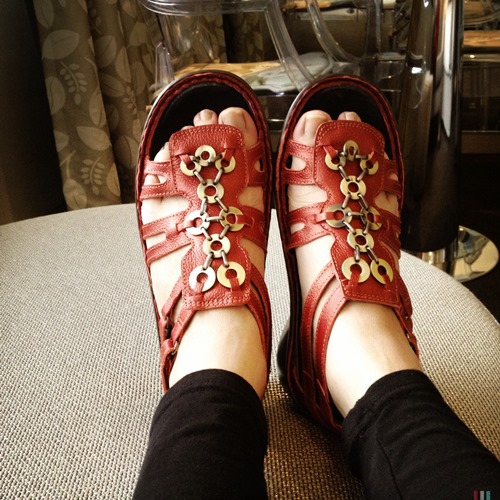
The most attractive photo ever taken of my feet. Seriously.

I don’t have great feet.

Hmmm…let me go back a step.

I don’t have any fashion sense. My lack of it has been known to make my poor mother weep. My sister Cynthia, on the other hand, is stylish enough to grace the cover of magazines. And as anyone who has a sister knows, they’re incredibly loving (if we’re lucky) and usually brutally honest. When she was fifteen (I was eighteen), my darling sister looked at my feet and exclaimed…”Gross! You have hobbit feet!” Tragically, she was right. They’re wide, flat and fat. I spent years squishing them into shoes that didn’t fit.

Fast forward to my forties, and I found myself with foot and knee problems. After a stern warning from my friend Lisa (“Celia, you don’t want to be having ankle surgery at seventy!”), I trotted off to see a podiatrist. And so it was that I found myself sitting in the waiting room at the Institute of Sport in Homebush…
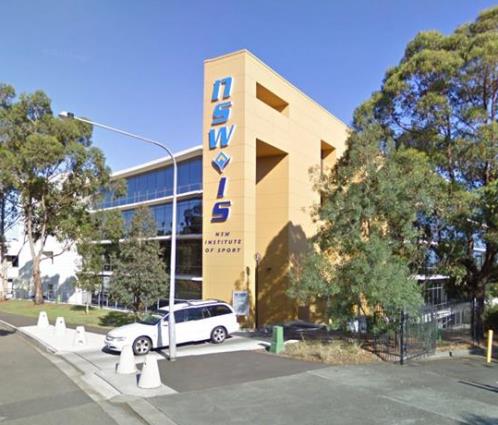
It was an hilarious experience.

I was in the waiting room, sitting between an Olympic hurdler and Australian football legend Willie Mason, feeling just a teensy bit out of place. It was worth it though, because we now have the best podiatrist in the world. If you’re in Sydney and you need to see one, we can’t recommend Richard Windybank highly enough. He’s one of the nicest people ever. More to the point, he’s extremely good at his job, and he won’t rip you off. The orthotic supports he made for Small Man and me weren’t cheap, but they’ve lasted for years and years (thankfully Small Man’s feet stopped growing when he was fourteen).

. . . . .

So…now I’m fifty. And I’ve been back to see Richard, because I’ve buggered my right foot. As you might recall, I’ve spent a lot of time walking around Sydney in the past month. It was late autumn and quite cold, so I pulled out my winter boots, only to find that the soles had worn through completely. So I dug up an old pair of boots, squished my orthotics into those, then squished my feet in. And walked, and walked, and walked.

Now I have bursitis in my foot, plus a possible (but very unlikely) stress fracture. It’s ok really, it will heal, and I’m not in much pain. Given that I was a doofus, I think I actually got off lightly. And it’s probably a good thing, because it’s refocused my attention again on the importance of decent footwear.

If you have hobbit feet, even though my beloved cackling sister insists that hobbits don’t wear shoes, you might find the Naot and Ziera brands comfortable. The Naot Allegro range has a really wide footbed, with a removable cork innersole that leaves a deep enough depression to fit my orthotic insert into…
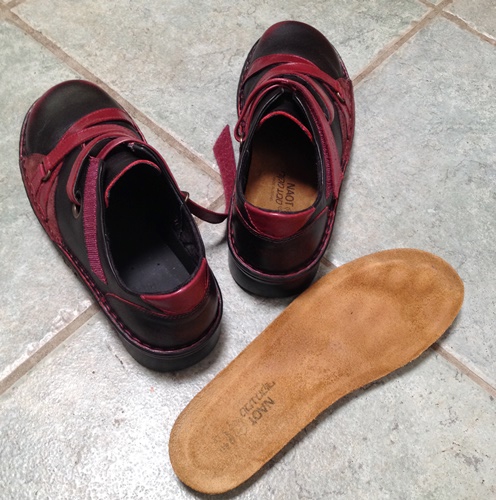
I buy my shoes online from the lovely folks at Naot of Kew in Melbourne. The sizing is blessedly consistent, which means I can order the same size and know that they will fit me every time. They’re not the prettiest footwear, but as I said, I really don’t have enough  fashion sense to be troubled by it…
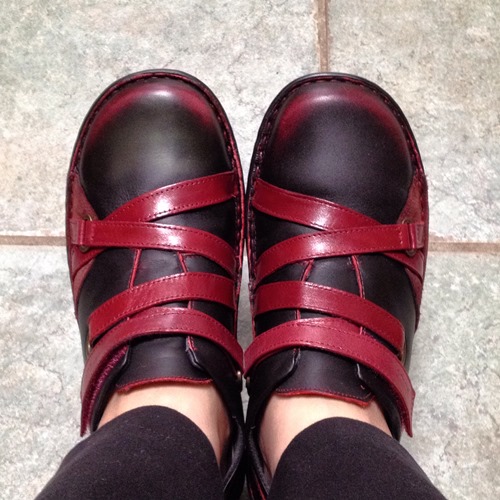
My latest discovery, on the advice of a podiatrist friend over drinks in Marty’s bar, is the Ziera brand. Formerly Kumfs, this NZ company changed its dowdy name but kept its comfortable shoe range. They have an amazing returns policy – if the shoes aren’t comfortable, you have 30 days to return them for an exchange or refund, even if they’ve been worn. These boots (Savvy) look a bit like school shoes, but they’re incredibly soft, fit my orthotics and don’t cause me pain…
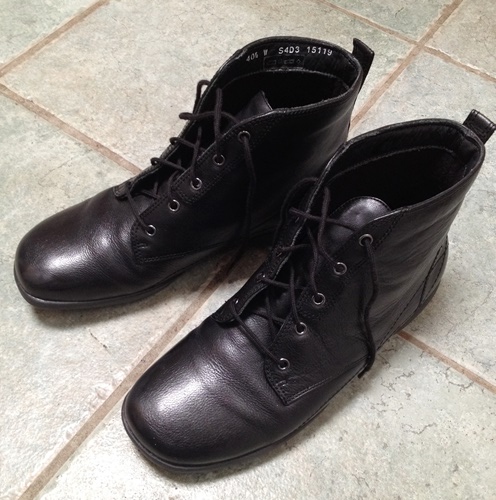
Better still, they were heavily marked down at the Ziera clearance store in the nearby Birkenhead Point Outlet Centre.

So that’s where I’m at. Richard is making me new orthotics, I’m icing my foot (with ice, not icing sugar), and washing down Voltaren with sidecar cocktails (which I believe is contraindicated). But I now have proper hobbit shoes, so I’m completely happy.

If you have any hobbit footwear advice, I’d be most grateful for it! Thanks! ♥

PS. No affiliation whatsoever with the Sydney Sports Medicine Centre, Naot, Ziera, or Tolkein.
Read Full Post »

Making Stock

I often think that if times got really hard, we could survive on bones.
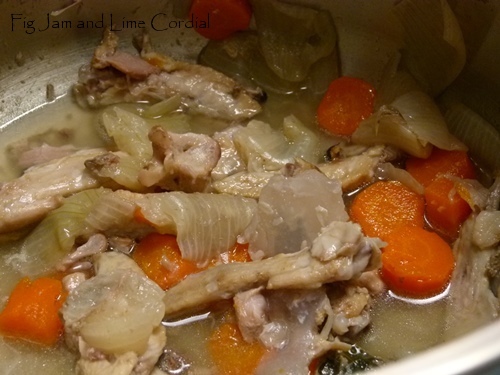
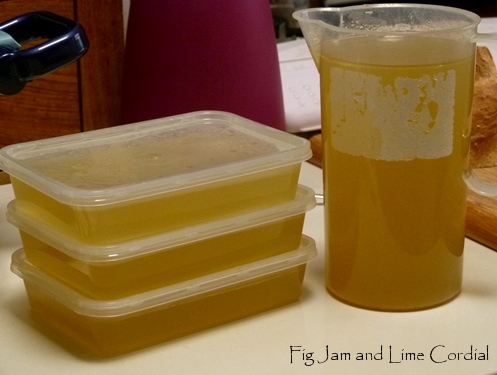
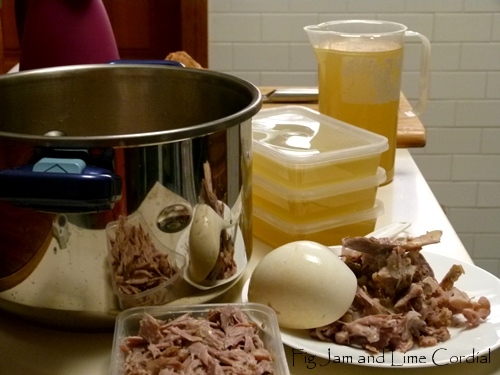
Last weekend, I made a lot of stock. Monday was a public holiday, so I had a bit of extra time to potter around in the kitchen. And I’m completely addicted to making stock. There’s something incredibly rewarding about eking out every last bit of goodness from bones which most people would throw away.

I use a technique I learnt years ago from YouTube, and I’ve got my method down pat now…

  • chicken carcases or pork bones or beef soup bones (brisket) or just about any other boney bits
  • cold water to cover the bones by an inch (2cm) or so  – usually 3 – 4 litres
  • salt, to taste
  • 2 onions, peeled and coarsely chopped
  • 2 carrots, peeled and coarsely chopped
  • 2 bay leaves
  • black pepper corns, to taste
  • peeled thumb of ginger, sliced (optional – I usually only add this to chicken stock)

Note: please follow the instructions for your pressure cooker – most specify not to fill more than 2/3 full.

1. Rinse the bones to remove any small splintery bits, then place them inside the base of a large pressure cooker (mine has an 8 litre capacity). Add all the other ingredients. Lock on the lid and place over a large burner on high.

2. Bring the pot to full pressure (this can take a while), then reduce the heat to low (but keep the pressure up) and cook for 20-30 minutes. (20 minutes for poultry, 30 minutes for pork and beef.)

3. Turn the heat off and allow the pot to cool naturally for at least two hours. During this time, the pressure will gradually release by itself.

4. Open the lid and strain the stock, through muslin if necessary. Carefully remove the bones and pull off any meat with your hands. Allow the stock to rest in the fridge until it separates, then remove the fat (stash it in a small jar in the fridge for cooking) and pour the liquid into containers for freezing.

This technique produces a fabulous base broth – the perfect foundation for soups, rice dishes, pastas, stews and more. I will occasionally make it without any added salt, just to increase versatility. Using the pressure cooker minimises evaporation, resulting in the maximum quantity of finished stock.

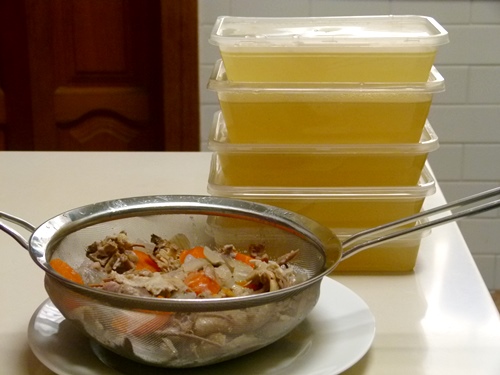
The remnants of our turkey and chicken wing stock

. . . . .

Here’s the original YouTube video that I learnt this technique from…

. . . . .

Over the weekend, I turned a bag of chicken carcasses from Havericks (five pieces at $1/kg, total cost $1.45) into three and a half litres of delicious clear broth and three small containers of meat. The stock will go into a multitude of dishes, and the meat into savoury rice congee and noodle soups.

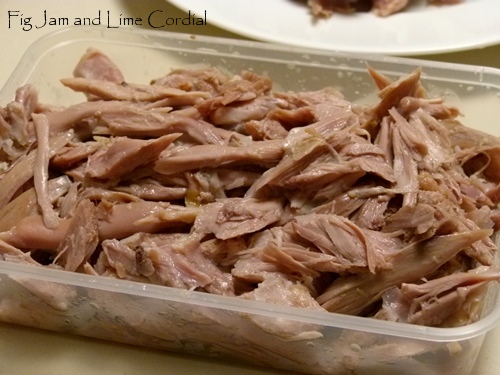
The second batch used pork tail bones – my mother wanted just the tips of the tails, so she gave me the “butt” pieces (the whole tails were $3.50/kg). These were cooked at pressure for 30 minutes, then left to cool in the pot. The meat was incredibly tender and plentiful – enough to fill two rectangular takeaway containers. It will form the basis of future pasta ragus, taco fillings and lasagnes. The pot also produced three litres of tasty pork broth.

My third batch used two turkey necks and a handful of chicken wing tips that I unearthed from the freezer. These were cooked for just 20 minutes at full pressure, then left for three hours while I ran around and did other things. The two and a half litres of stock produced were aromatic and sweet…

There wasn’t much meat on the wings, but a huge amount on the two turkey necks. It was beautifully tender, and I’ve tucked it away in the freezer to make Tanya’s arroz caldoso

Finally, I confitted three duck breast/wing portions overnight for 10 hours at 90C (recipe is here) and shredded the meat for duck rillettes. I then scraped the skin, bones and all the surplus bits into the pressure cooker with two litres of water, a chopped onion and carrot, and a bay leaf (no salt, as the confit had already been well seasoned). The end result was five cartons of incredibly delicious “free” stock…

. . . . .

It’s amazing how economical this process can be – the bones cost just a few dollars per kilo (or nothing at all, in the case of the duck), the pressure cooker is quick and energy efficient, and the output is enormous. The four batches I made over the weekend produced enough meat for five to six family dinners, and flavoursome base stocks for many more. As I said, if times ever got really tough, we could survive on bones.
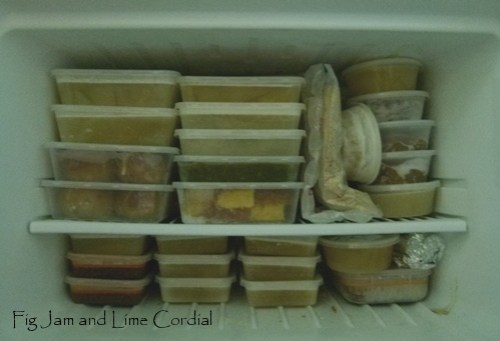
Here’s a photo of my well stocked freezer (ugh…awful pun, sorry!)…

Do you own a pressure cooker? I’d love to know what you make in yours!

Related post: Beef Brisket in the Pressure Cooker

Read Full Post »

Redefining Frugality

The word frugality is usually defined in monetary terms. When people talk about frugal living, they’re generally referring to a lifestyle which is thrifty, economical and prudent.

For us, it’s a great deal more than that. It’s about recognising how incredibly precious and limited our resources are, and trying to find ways to minimise our use of them. It’s about thinking beyond our immediate family needs and considering how our actions impact on others and the environment. Saving money along the way is an added bonus, but it was never the primary motivation.

Rose left a comment on the last post asking for a breakdown of our bread costs. Here are some rough estimates. Our large 90cm Smeg oven costs about $1 an hour to run (according to Pete the electrical engineer). A great deal of the energy used goes into actually heating the oven up, so while it’s on, I try to maximise its output by baking as large a quantity as possible. My four and a half kilo batch of sourdough cost $4 in raw materials ($1 bakers flour, $2.80 remilled semolina, salt, water) plus $1 in electricity, and produced two large loaves ($1.25 each) and three small ones (83c each).

In dollar terms, whilst that was economical, it certainly wasn’t the cheapest option available – we could have picked up supermarket bread for $1 a loaf. But I considered it to be extremely frugal – the bread crackers I made (add another $1 in oven costs) provided Small Man with a week’s worth of afternoon snacks; the loaf I gave to June meant she didn’t have to walk down the road to buy one (remember, she’s 86 years old); the loaf I handed over the fence to Mark was eaten for dinner that evening.

Sharing in this way is communally frugal – it saves everyone time, money and effort for almost no extra work or cost on my part. It’s also environmentally frugal – Mark didn’t have to start his car to drive to the shops, June didn’t have to heat up her oven. It reduces the eco-footprint of our community as a whole.

Let me give a few more examples.

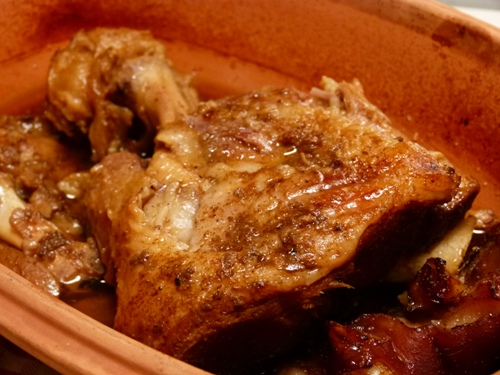
Frugality, as we define it, is buying higher welfare meat, which hopefully affords the animal a happier existence and the farmer a sustainable lifestyle, and then finding ways to stretch it out over several dinners.  Last year I wrote about how we do this with free range pork hocks.

Frugality is paying a small premium for biodegradable coffee pods, because they provide a saving, not to us, but to the environment.

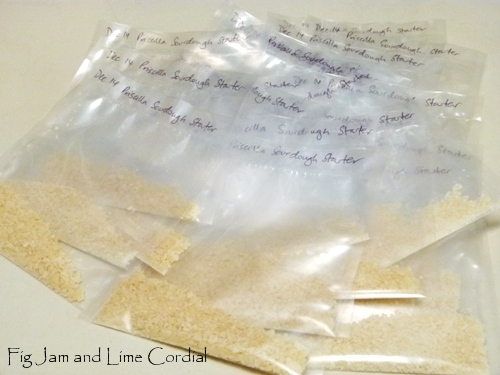
Frugality is sending out dried sourdough starters to friends all over the globe, so that they too can fill their ovens and nourish their families and neighbours. These small sachets have enabled a worldwide group of bakers to live more frugally.

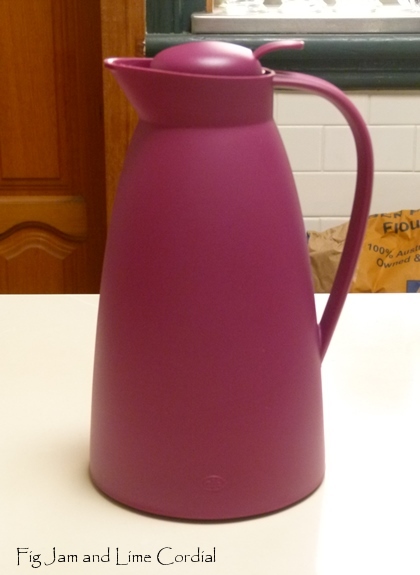
Frugality is buying an insulated flask so that we only have to boil the kettle twice a day instead of eight times. It’s setting the gas heater on economy and wearing more clothes inside the house. It’s pottering in the kitchen on Saturdays baking lunches for school, tempering expensive chocolate for birthday gifts (rather than buying something far more costly and less appreciated), and pressure cooking saved bones from the freezer into stock.

Frugality is spending far more money than is “reasonable” to repair an old dishwasher, because the manufacture of every new appliance is incredibly expensive in terms of both natural resources and landfill. It’s maintaining a car diligently and then driving it for as many years as possible, until smoke comes out of the steering wheel (eleven years, in our case).

Frugality is paying for insulation, even though the cost will take years to recover, because that enables us to use less energy. It’s adding rainwater tanks to the garden, to save precious water that would otherwise run off into the drains. All these actions involve an initial financial outlay, but are extremely frugal in earth terms. And they save us money in the long run.

When we widen our definition of frugality beyond dollars, it becomes apparent that many things which appear economical actually come with a high price tag. Factory farmed meat can be extremely cheap, but expensive in environmental, animal welfare and (possibly) personal health terms. Mass produced sandwich bread might only be $1 a loaf, but it can be filled with chemicals designed to keep it soft for days. Fast food is bargain priced, but often fat and salt laden. As my father always says, “all that glistens isn’t gold”.

I believe frugal living should take into account more than just our budgets and cashflows. We also need to consider how the choices we make impact on our health, our families, our communities and the planet. Information is the key – we need to research, ask questions, and seek out knowledge which will enable us to make informed decisions. Without a doubt, it’s a lifestyle approach that will save us money. But far more importantly, it’s a healthy, sustainable, earth friendly way to live. ♥

Read Full Post »

Vivid Sydney

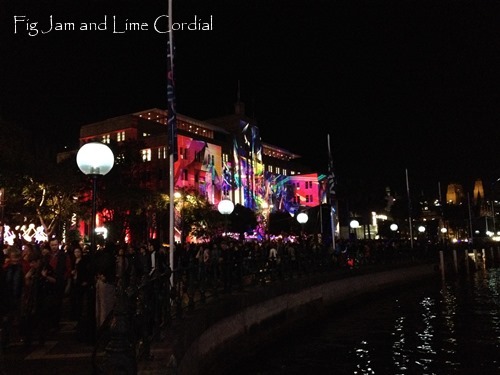
Last week, Pete and I went into Circular Quay to view some of the light displays of Vivid Sydney.

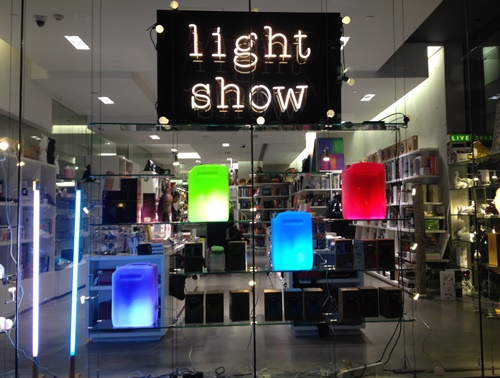
I don’t like crowds, so we went in early to visit the Museum of Contemporary Art first – Pete hadn’t seen the Light Show, and I was keen to share it with him…

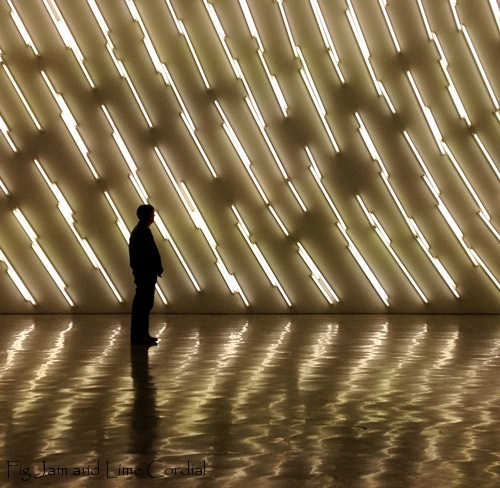
The MCA currently has this stunning bespoke installation by Jonathan Jones on display. It will only be there until the end of Vivid, so you’ll need to get in soon if you want to see it. I love it so much that I’ve been back four times. It maps the star trails over Circular Quay, and the reflections turn the smooth solid floor into watery ripples (that’s my Pete in the photo below)…

In the foyer is a large artwork by Daniel Boyd – the mirrored circles catch and reflect all the movement on the museum stairs and the Harbour foreshore immediately outside…

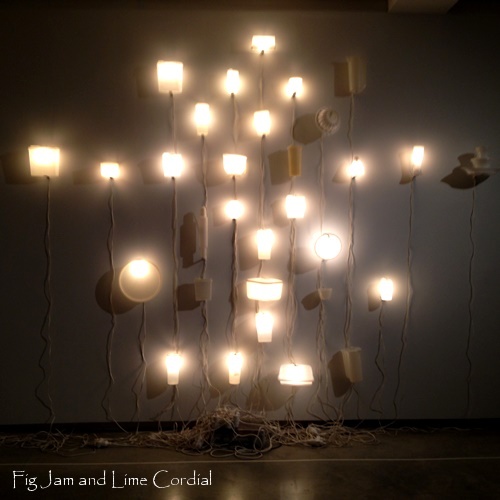
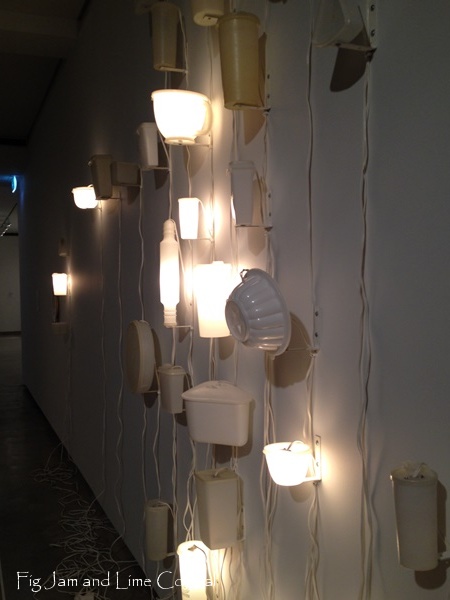
More from the MCA, this piece from the main collection is titled The Price is Right and it’s made with old Tupperware (see why I had to take a photo?)…

It flashes a message in Morse code as the viewer approaches, which spells out “I have the misfortune of not being a fool”, a quote from Charles Dickens’ Little Dorrit

. . . . .

At 6pm, exhibits around Circular Quay and The Rocks began to light up. We had another commitment that evening, so we only had a short time to wander about – I took a few photos, but there was a great deal more to see.

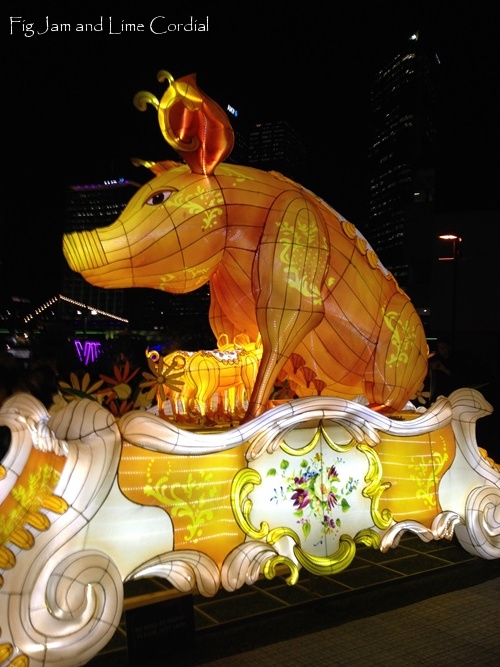
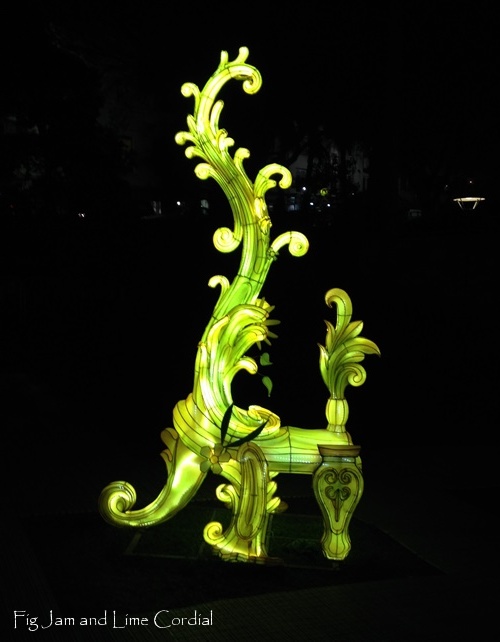
Designed in the style of 18th century Rococo, these inflatable sculptures (Entitle) were made using traditional Chinese lantern construction techniques…

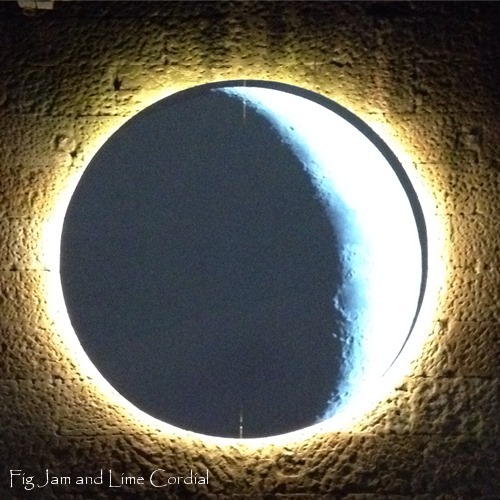
I was quite taken with Ayla –  lit up on a side wall, the image changed each night to reflect the phases of the moon…

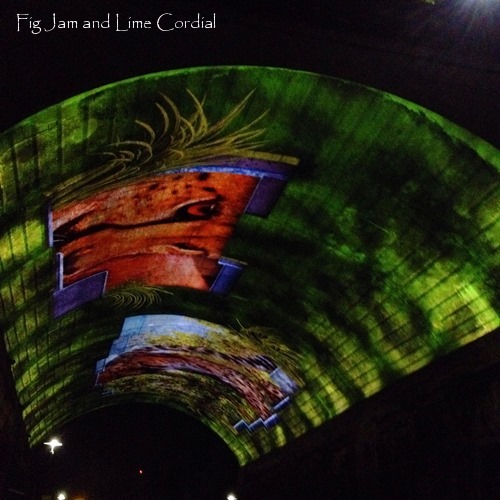
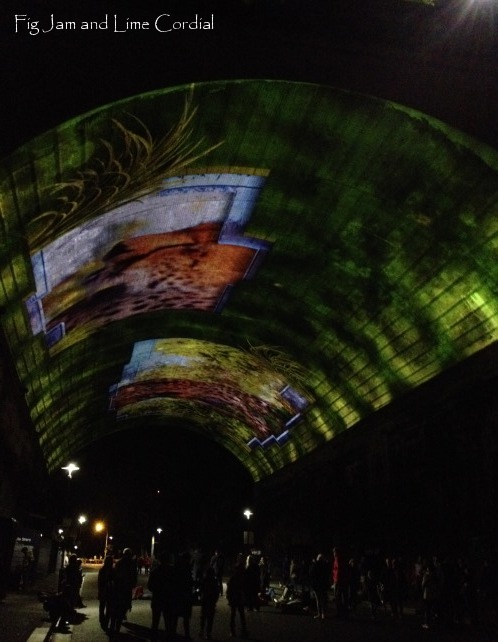
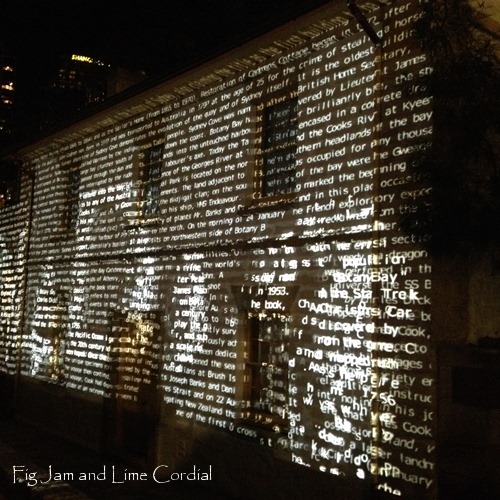
We had to wait until 7pm for the historic Argyle Cut to be lit – it screened  a customised display from David Attenborough’s BBC Life Story…

It was interesting to see so many people (many with children) lying down in the middle of a Sydney city street, gazing upwards…

The Opera House was a constantly changing screen of colours and patterns…

By 6.45pm on Wednesday night, the crowds had already started to build…

There were scores of interactive displays, like the Duck, Duck, Goose one below…

For the Space Folding exhibit, folks were handed headphones before entering the cylinder of light…

INTER/Play (designed by The Propaganda Mill) was interactive, with queues lined up to take a turn. We walked past twice and it was completely different each time…

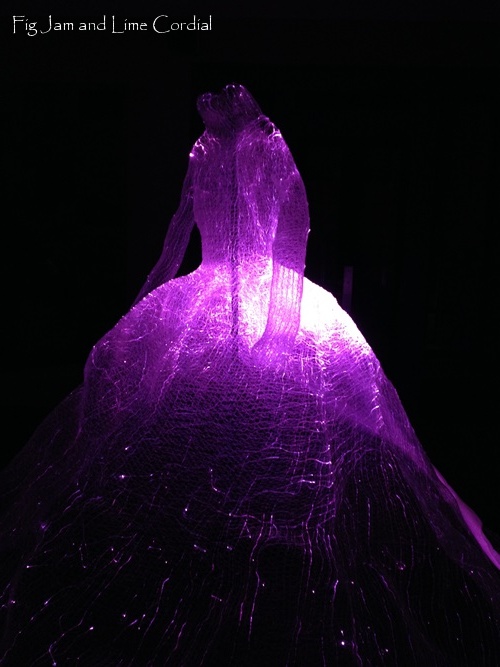
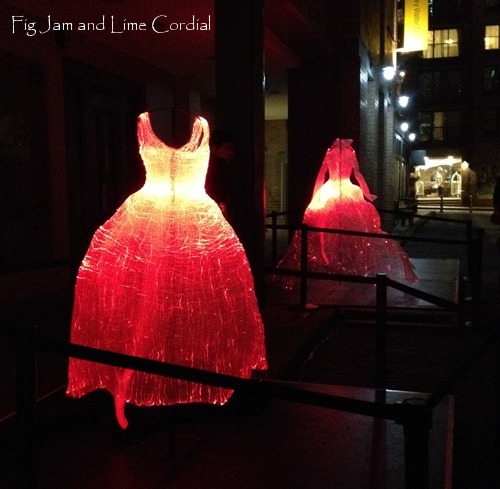
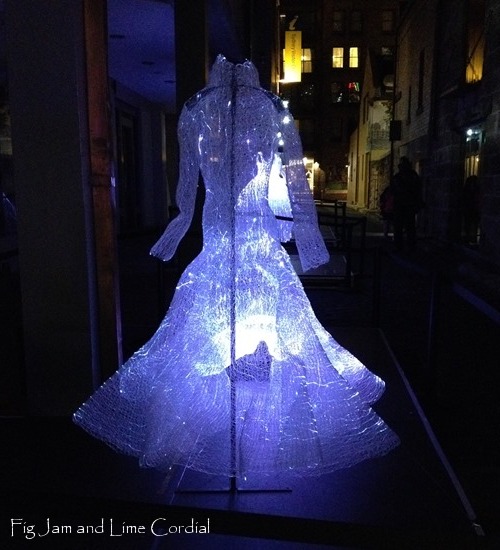
In a little side street, The Dresses were three sculptures crafted from hundreds of fibre-optic threads…


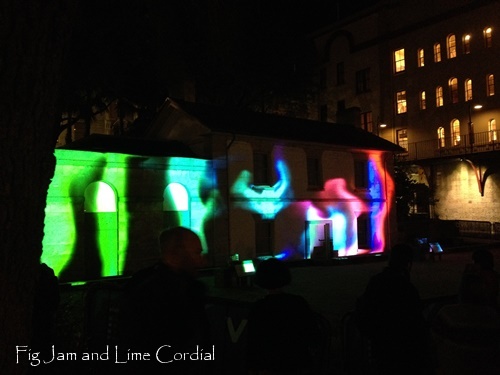
My favourite of the night? The Mechanised Colour Assemblage screened onto the facade of the Museum of Contemporary Art. Here’s a small snippet…

By 7.15pm we were on a comfortable warm train homeward bound, just as the crowds were really starting to build. It was a very pleasant evening!

. . . . .

Vivid Sydney is on at a variety of different locations until 8th June. More information can be found at www.vividsydney.com.

Read Full Post »

When I mentioned in  my last post that I was making four and a half kilos of sourdough, many of you were curious to know what I was planning to do with so much bread. Let me tell you about it.

At present, my flour seems to be absorbing a great deal of water (it tends to vary a bit depending on the weather), so I’ve been experimenting with pushing my dough hydration levels as high as they’ll go. I do this because I really like the bread I end up with – the crumb is elastic and tender, and the loaves keep well for several days without going stale. The downside is that the dough is hard to manage, but I quite enjoy the challenge!

For this large batch (93% hydration), I used:

  • 600g ripe sourdough starter
  • 1700g cold water
  • 1kg semola rimacinata (Italian remilled semolina flour)
  • 1kg bakers flour (Ben Furney Flour Mills brand)
  • 36g fine sea salt

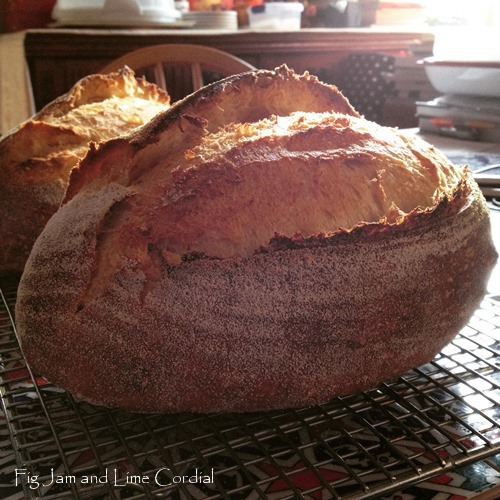
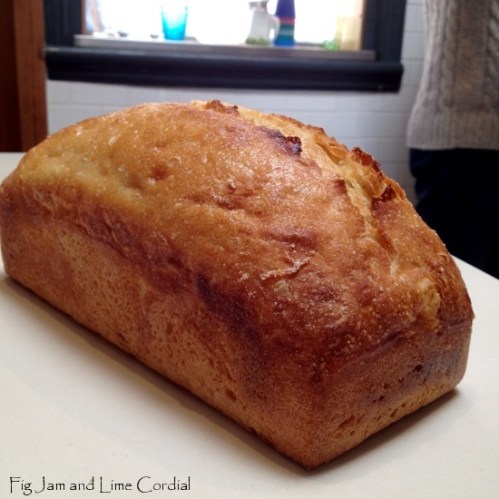
After the dough had proved, I divided it up, shaped it as best I could, and plopped it into five loaf tins – two large and three small. Hopefully you can see from the photo below how moist the finished crumb was…

I always bake more bread than we can eat. Despite how that sounds, it’s a frugal thing to do rather than a wasteful one, because the flour costs are minimal (all up, the five loaves cost me about $4, and that was only because I was using expensive Italian flour). I figure if I’m going to heat my big 90cm oven up anyway, I might as well make full use of it.

Baking in bulk lets me share. One of the small loaves went to our neighbour Mark, who always mows our front lawn (bless him). Another went to 68 year old June, who lives down the road (that’s her current declared age, but the numbers are actually reversed). Half a large loaf went to my mum – she’s not a fan of sourdough, but doesn’t seem to mind this one.

Little Matilda came for a visit yesterday and ate four slices with butter and Vegemite. The third small loaf was turned into cheese and garlic bread, which we served last night with a rich, slow cooked pork hock “stoup” (my friend Joanna’s word for soupy stews)…

The final loaf was sliced and baked in a 100C oven for three hours, which both warmed up the house (it’s 10C here in Sydney at the moment) and resulted in two containers of crunchy bread crackers

These are Small Man’s favourite after school snack. I’m delighted he’s eating them instead of junkier options, but it does result in dry breadcrumbs all over the house…

So there you have it. Four and a half kilos of sourdough, baked, shared and eaten. Time to bake some more!

Read Full Post »

« Newer Posts - Older Posts »