Feeds:
Posts
Comments

Archive for the ‘Frugal Living’ Category

Sunday in the Garden

“Mum, have you ever set fire to a leaf with a magnifying glass?”

“Sure. Should we go and give it a try?
Oh, and put on some shoes in case you have to stomp out the fire…”

Daylight Savings Time started in Sydney last Sunday.  It was the perfect excuse to spend a lazy day at home, enjoying the sunshine.

I baked savoury slices for lunch, using leftover bacon and Grana Padano cheese…

After lunch, we headed into the garden and moved the chook dome.  The girls are now happily chomping and scratching away at the bed on which our winter peas and celeriac were grown…

We harvested all the carrots before the dome was moved.  We’ve been planting the “Gigante Flakkee 2” variety from Franchi, and can highly recommend it…

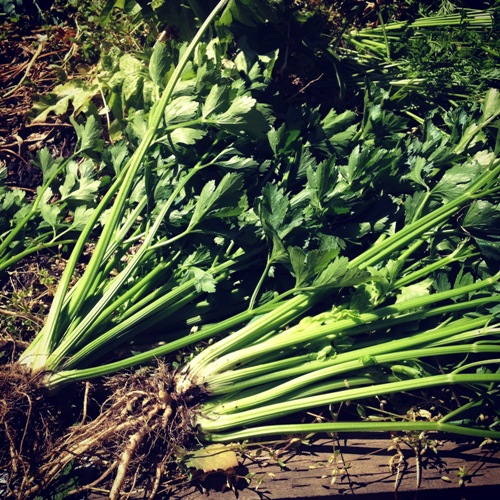
A large clump of self-sown celery was dug up, and divided into three smaller bunches for sharing…
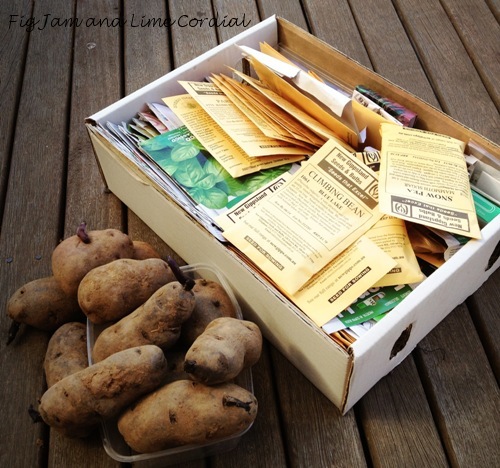
We were overjoyed to harvest nearly five kilos of potatoes from the bed next to the fence!  In previous years, we’ve bought expensive seed stock which always grew poorly. This year we purchased virus-free Sebagos from Enfield Produce, for just $4/kg.

Of the half a kilo we bought ($2), we planted just five potatoes in the side bed (about $1 worth). Those five returned a kilo of creamy white spuds each…

In the newly renovated back bed, the dwarf beans are coming up…

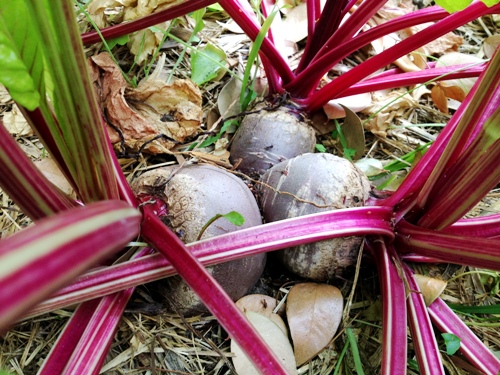
Once the potatoes were harvested, we could reach the fat beetroots that were growing in front of them…
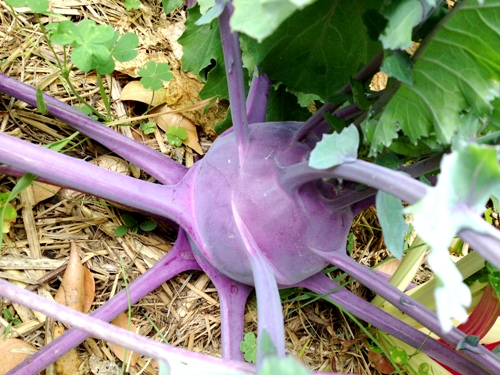
And our kohlrabis have grown large in the spring sunshine…
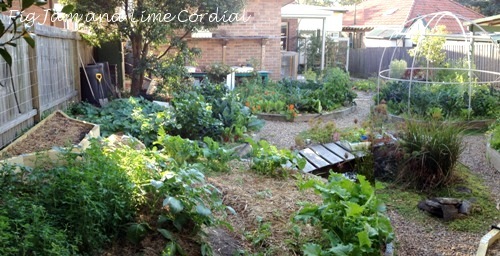
I love the way our garden is evolving. We’re constantly experimenting, and figuring out what grows in our backyard and suits our lifestyle.

We’ve found varieties of peas, carrots and potatoes that will grow well here. We only plant cos lettuce, because they’re easy to harvest, keep well in the fridge, and the boys love them.

We’ve learnt to cook the leafy greens that thrive in our beds, and now grow rainbow chard and broccoli rabé instead of spinach, as we find the latter much harder to manage and harvest. Our beds are no longer as densely planted as they were under Linda’s original plan, but they seem to produce ample for our needs nonetheless.

Perhaps the most valuable lesson we’ve learnt is this: some plants will grow brilliantly in our backyard, and others won’t.  We no longer try to grow heirloom tomatoes (too many fruit flies) or apples (too warm).  And whilst our aim is to grow what we love to eat, we’ve also learnt to eat what we can grow.  After a couple of years of trial and error, it feels like we’re finally in tune with  how our garden works!

. . . . .

Il faut cultiver notre jardin.
Let us cultivate our garden.

Candide (1759), by Voltaire
Read Full Post »

Our Daily Bread

Give us this day our daily bread

. . . . .

A diary of yesterday’s breadmaking…

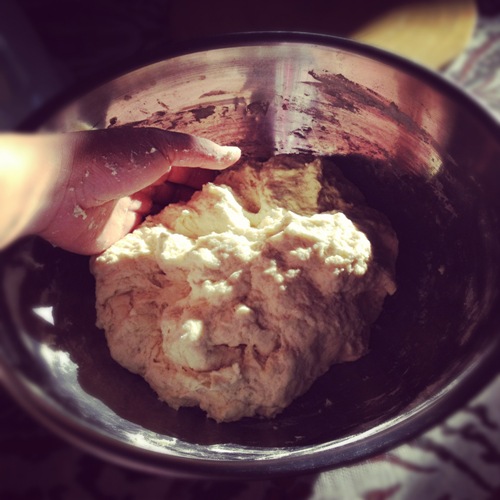
6.30am: I mixed up two batches of semolina sourdough in the early morning light – it was a lovely, gentle way to start the day.

The dough only needed a few turns and squelches to bring it together, and then the shaggy mass was covered and left to rest. It’s been years since I’ve kneaded a bread dough until it was smooth – I just don’t find it necessary any more…

8:00am: Resting the dough after combining but before kneading allows the flours to hydrate and the enzymes to start working, which softens the dough and makes it more pliable. This process is known as autolysing.

I had meant to give the dough a brief knead at 7am, but completely forgot about it for an hour and a half.  I uncovered it and gave it a few quick folds before we headed into town for the day (love school holidays!)…

3:00pm: When we arrived home, both batches of dough were puffed and risen (remember they had only had a few minutes handling time thus far!). The dough was turned onto a lightly oiled bench, and shaped into rolls and baguettes.  This part of the process took 15 minutes. The shaped dough was allowed to rise for an hour or so, and then baked for 40 minutes…

5:00pm: The finished loaves were a little browner than I would have liked, but I was distracted and didn’t check on them while they were in the oven. There were four regular and two dragon tail baguettes, and twelve cheese and olive scrolls for school lunches…

Sunrise, sunset.

Many people find breadbaking stressful, or laborious, but for me, it’s a soothing, comforting process. That’s partly because I’m never terribly concerned about how the loaves will turn out. Don’t get me wrong, I want to bake tasty bread that my family will enjoy, but I’m happy to accept that the loaves will vary on a daily basis, depending on the weather, the flour, the activity of the starter and my frame of mind.

Sometimes the loaves will be full of big holes, other times the crumb will be quite tight.  Some days I’m careful to measure my quantities to the last gram, other days I’m a little more slapdash.  Occasionally a batch will refuse to brown up in the oven (which is usually a flour related issue).

Furthermore, as I’ve grown older, I find myself handling the dough less and less –  it’s much easier on my hands and shoulders that way.  I want to be able to do this for many years to come, so I needed to make procedural adjustments to ensure that I can.

Baking sourdough bread – it’s part of the rhythm and cadence of our lives.

Read Full Post »

I had a moment the other day.

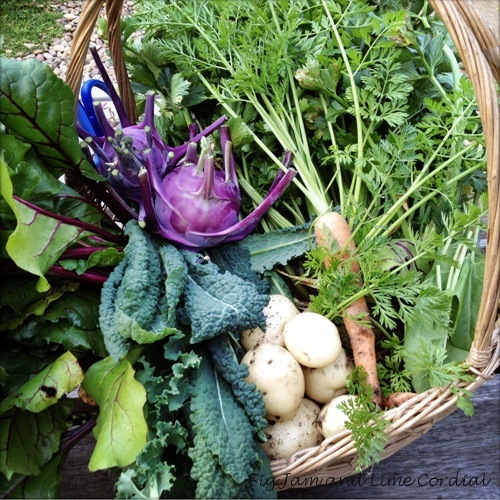
It’s probably just late my 40s hormones, but…we were outside harvesting vegetables for dinner, and we’d collected the enormous basketful above.  And I got all emotional and had a little cry. I honestly never imagined that we’d be at a stage in our lives when we could walk out the back door and bring in a huge basket of freshly grown goodies to feed our family.

A few years ago we stopped shopping at the supermarket and started buying all our fresh produce at the growers’ markets and specialty retailers. We were astonished at how much fresher the fruit and vegetables were – the supermarket equivalents were often several weeks’ older than what we were buying at Flemington.

And once we’d tasted this freshness, we were hooked.  We wanted to grow our own, and eat broccoli that had been raised without chemicals, harvested just minutes before cooking.  We wanted the experience of eating freshly dug potatoes before their skins and starches had a chance to harden, and peas straight off the vine.

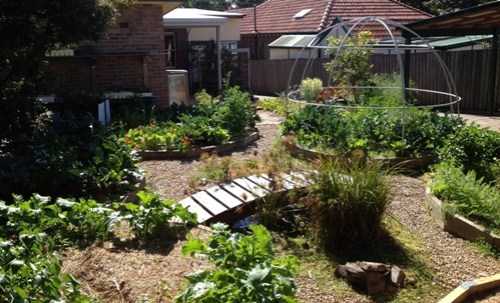
The garden beds were built at the beginning of 2010, and it’s taken a couple of years for them to get to the stage where they’re producing consistently. The initial set up was labour and time intensive, but now that it’s up and running, it’s really quite easy to maintain, particularly with the chooks and worms on the job.

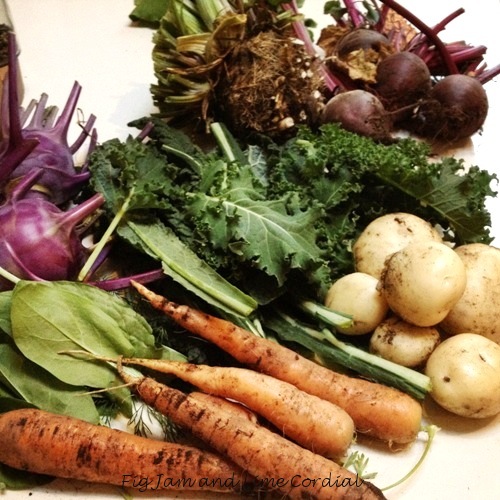
Our harvest included fat beets which seemed to pop out of the ground overnight, curly and Tuscan kale, the first carrots from the back bed,  kohlrabis which we’d thought were purple sprouting kale, sorrel and dill…

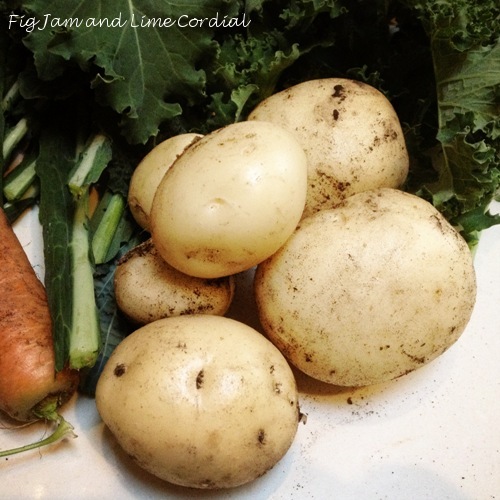
We bandicooted a few new potatoes from the oldest patch – until we grew our own, I never knew that freshly harvested spuds had a creamy texture when cooked…

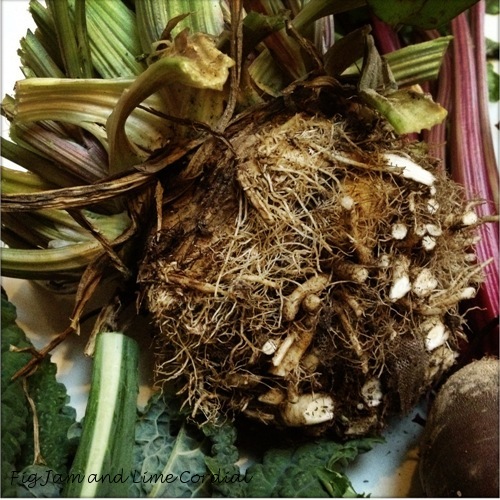
Our celeriacs have been growing forever, so we finally bit the bullet and dug one up. For a celeriac, it’s tiny (about the size of a softball) – by the time the huge roots were cut away, there was only a small portion left.  Nonetheless, it was delicious…

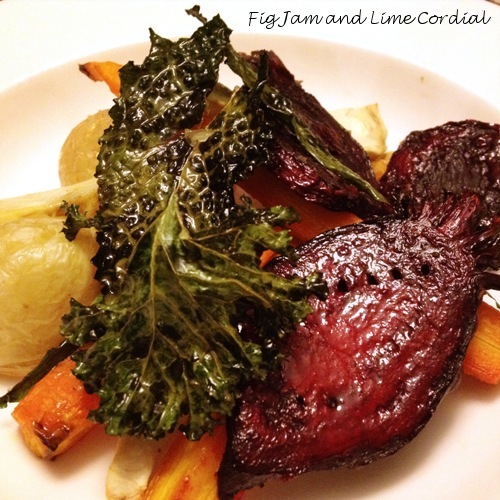
We made Lorraine’s kale chips, and the remaining vegetables were chopped, tossed in extra virgin olive oil and rosemary salt, then roasted in a hot oven.  The beetroots were peeled and sliced before roasting.

Inspired by a delicious meal we’d had recently at Youeni, we assembled a roasted vegetable salad, and served it with Italian sausages, homemade dill mayonnaise and sourdough ciabatta.

A truly joyous meal, and one that celebrated how far we’ve come on this journey!

Read Full Post »

Garden Happenings

A lot has happened in our garden over the past week!

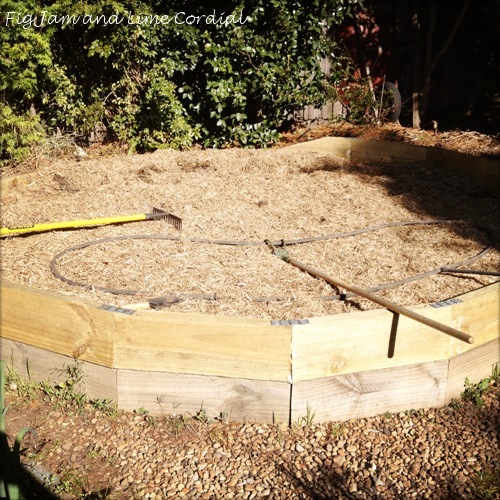
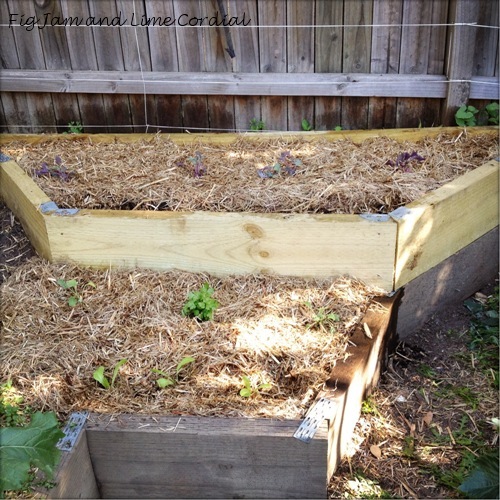
Uncle Steve (Pete’s brother) has built us a new garden bed, and refurbished an old one.  Our back bed has always performed poorly – it’s close to the fence and a couple of large, nutrient-sucking trees. Pete felt the solution was to raise the bed and increase its organic matter.

The bed is filled with a mixture of the existing soil, compost and mulched prunings.  We’re not sure how well things will grow this season, but we’ve optimistically planted it out nonetheless, with purple potatoes, dwarf beans, cos lettuce, broccoli rabé, basil, jalapeno chillies, eggplant and parsley…

The purple potatoes are a bit of a punt, as they’re not virus-free seed potatoes, but rather sprouting kitchen spuds.  Having said that, I bought them from the organic growers at Eveleigh Markets, so hopefully they’ll be ok.

A potato grower on Gardening Australia a couple of weeks ago recommended keeping just one strong shoot on each potato, and we’ve followed his advice…

There was an unproductive patch in between the side beds which was always flooded with run-off from the neighbour’s concrete drive.  Uncle Steve built us a proper little raised bed – isn’t it sweet?

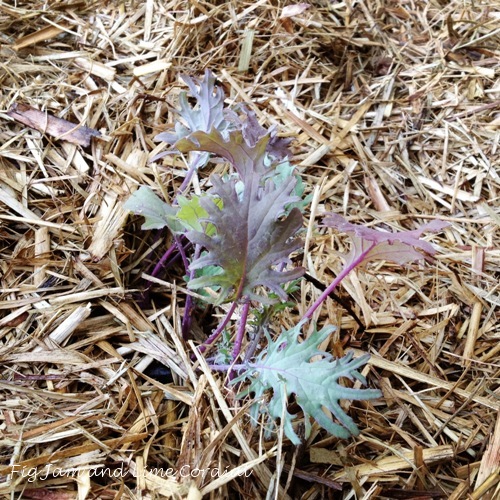
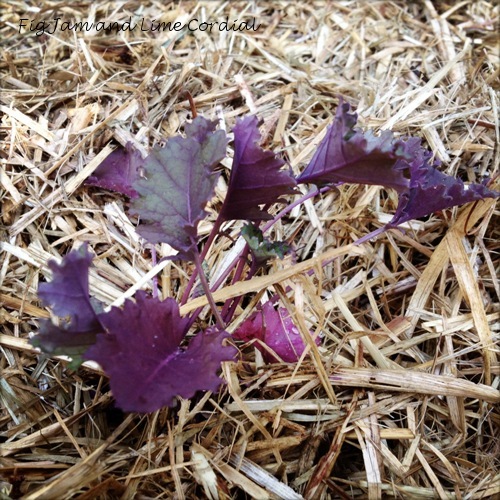
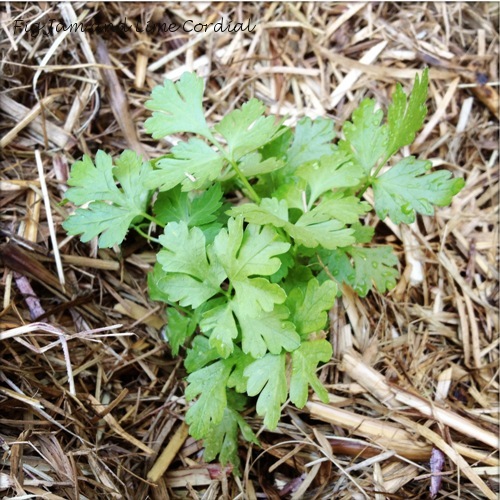
We’ve planted climbing beans and snow peas at the back, with kale, carrots, Hamburg parsley and cos lettuce in front.  There are three different varieties of kale, but unfortunately we can’t remember what they are (the seedlings were started over a month ago)..

The Hamburg parsley should form a large, turnip-like root…

All done, and the garden is looking neat and tidy again!

Hope you’re all having a great weekend! xx

Read Full Post »

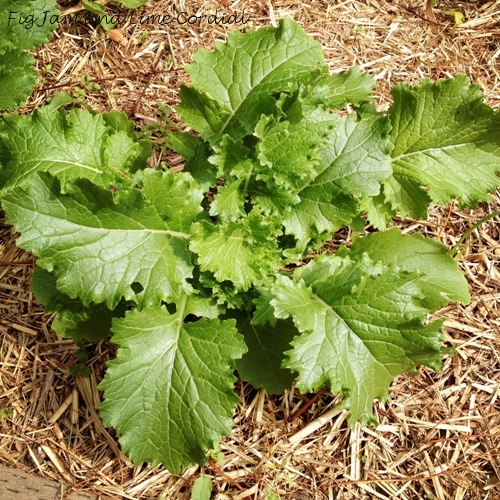
As I mentioned last week, broccoli rabé is growing vigorously in our garden.

Also known as rapini, broccoli raab, and broccoletti, these bitter leaves and flowers are widely used in Mediterranean cooking.  We’ve never grown them before, but were enticed to do so by promises that the entire plant was edible, with a broccoli-like flavour.

We harvested some leaves for the first time a couple of days ago, and brought in a head of broccoli, cos lettuce and a handful of peas as well, in case the rabé didn’t pass muster with the boys…

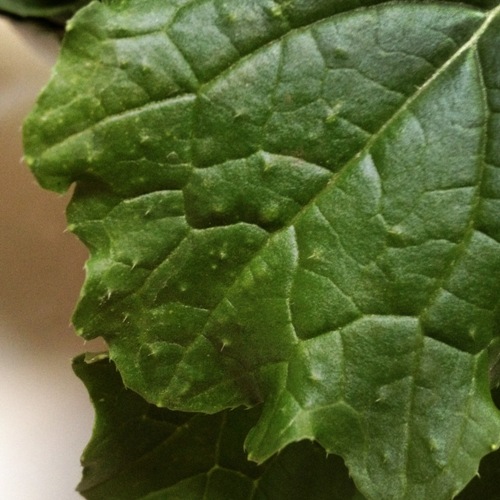
I was somewhat put off by the small stinging spikes on the tips of the leaves.  Interestingly, these seemed to disappear a short while after harvesting…

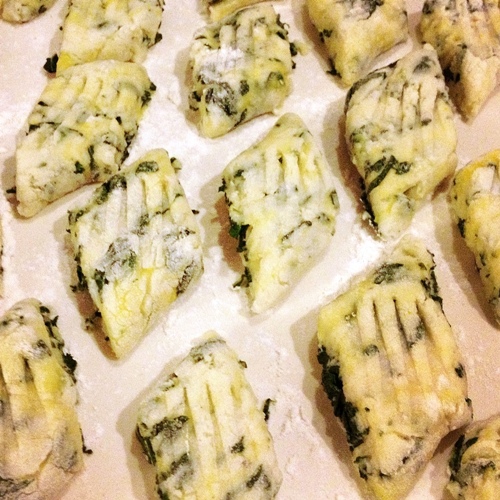
The prickles reminded me of Joanna and Carl’s nettle and potato gnocchi, which I’d been wanting to try for ages.  It seemed like a great first use of our rabé!

I followed the recipe closely, substituting the following ingredients:

  • 100 grams of broccoli rabé leaves – I removed and discarded the stalks, chopped the remaining leaves up coarsely, poured boiling water over them, and let them sit for a few minutes.  After draining, these were allowed to cool and then the water was squeezed out of them.
  • 600g (2 large) white sebago potatoes, peeled, chopped and microwaved until soft, then mashed through a ricer
  • 1 large egg, lightly beaten
  • 1 teaspoon of fine sea salt
  • Ground black pepper, a generous few twists
  • 150 grams (1 cup) plain (AP) flour

The drained, blanched leaves should be chopped as finely as possible – mine were a little coarse, which gave the gnocchi untidy edges.  The finished pasta should probably also have been smaller, but I had trouble rolling the dough any thinner…

Despite their rustic appearance, these were absolutely delicious! We served them simply with Pepe Saya butter, extra virgin olive oil, salt, pepper and  Nerone Grana Padano cheese.  We also made broccoli pasta – a firm favourite with our sons – but struggled to convince them to eat it instead of the gnocchi…

We’ll definitely be making this again! Thanks Joanna and Carl for such a great (and adaptable) recipe.  Best of all, we’ve figured out that the broccoli rabé which grows so easily and well in our garden is not only edible – it’s delicious!

Read Full Post »

« Newer Posts - Older Posts »