Feeds:
Posts
Comments

Archive for the ‘Recipes’ Category

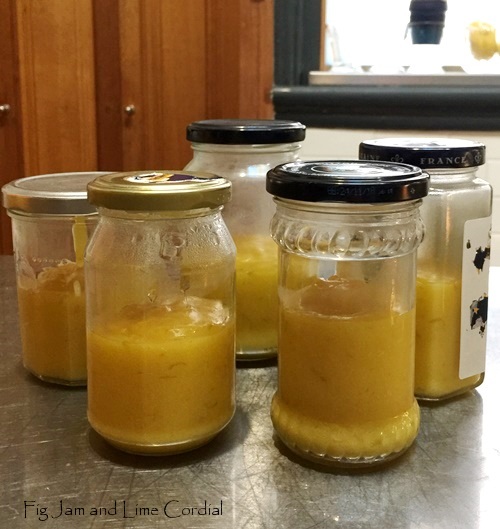
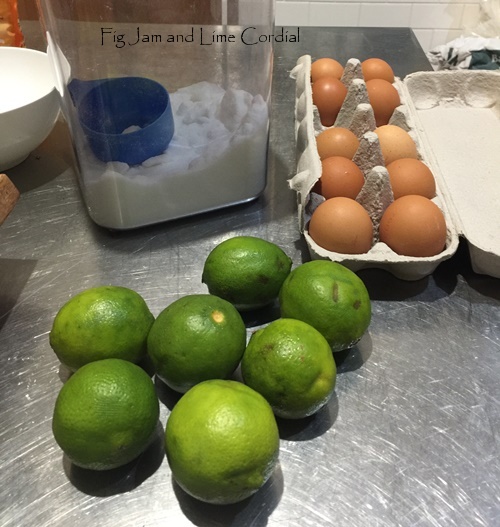
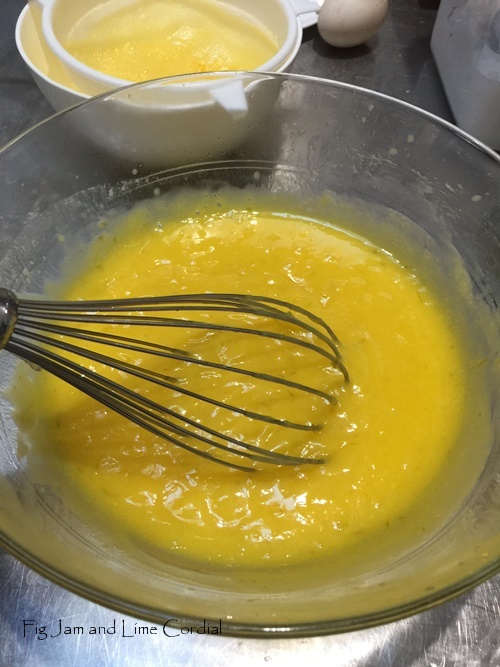
Here’s a batch of neighbourhood lime curd, made with Jane’s eggs, the caster sugar Ellen picked up for me on her last shopping trip, and the butter that darling Will left at my back door a couple of weeks ago. Oh, and some old limes I found in the fridge. It only took five minutes to make!
Now normally I’d fill nice, new jars but I decided instead to give everyone half a jar and used what we had. I did rinse them in boiling water first!

Want the recipe? I posted it over a decade ago so many people know it already, but if you haven’t seen it before, here’s a quick recap (the original post is here).

  • 150g lime or lemon juice plus grated rind
  • 150g caster (superfine) sugar
  • 50g unsalted butter
  • 3 large eggs plus one egg yolk

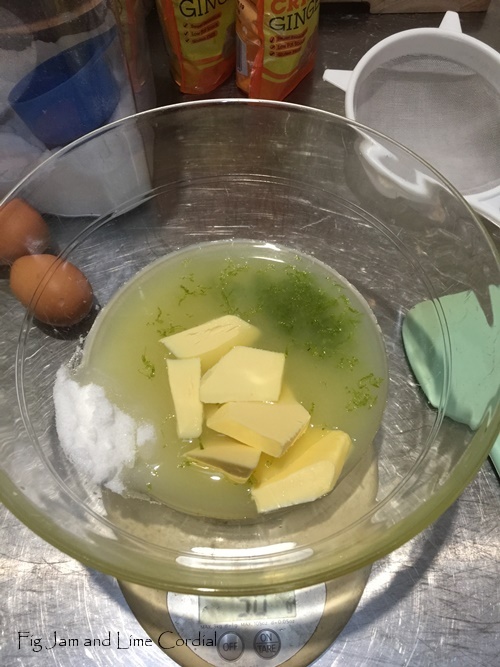
Step 1: Mix sugar, juice, zest and butter in large microwave safe bowl. Microwave on high for 2 mins, then stir until combined.
Step 2: In a separate bowl, whisk the eggs and yolks until no streaks remain.

Step 3: Pour the eggs through a sieve into the hot juice mix, whisking briskly as you go. Extra hands help here.

Step 4: Microwave again on high for 30 seconds, whisk, 30 seconds more, whisk, then 1 minute more and whisk. That’s often enough for me but sometimes it needs an extra 20-30 seconds. Give it a real good final whisking and you’re good to go!

Spoon the curd into sterile jars and eat promptly – I’m not sure how long it keeps because I’ve never had it around for more than a few days. Store it in the fridge and share it if you can. My friend Ale freezes hers and finds it keeps well for at least a year that way.
. . . . .

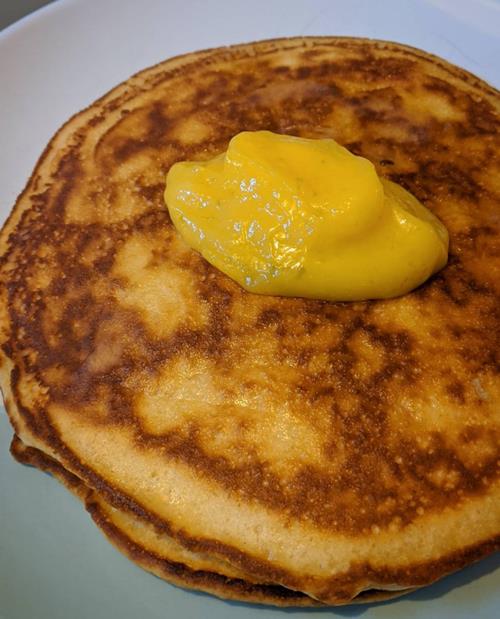
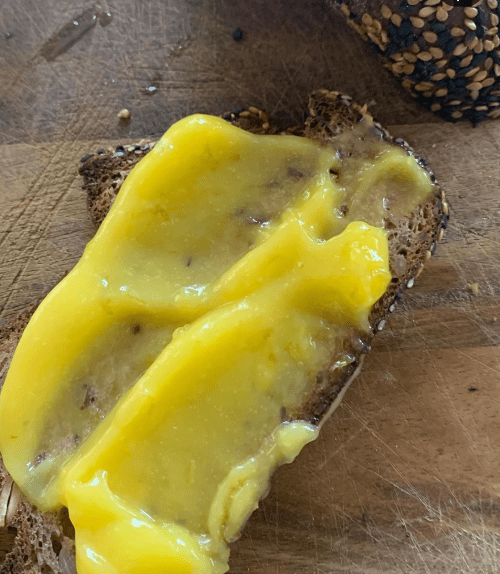
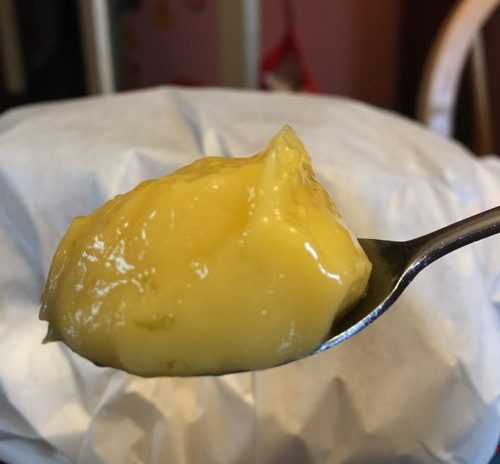
I dropped half-filled jars on my neighbours’ front porches when I went out for my walk at 7am – a sweet surprise for breakfast – and was rewarded with photos a couple of hours later.

Graeme and Sharon had theirs on pancakes…
Jane spread hers on wholegrain sourdough toast…
…and Pete and I? We just ate it with a spoon…
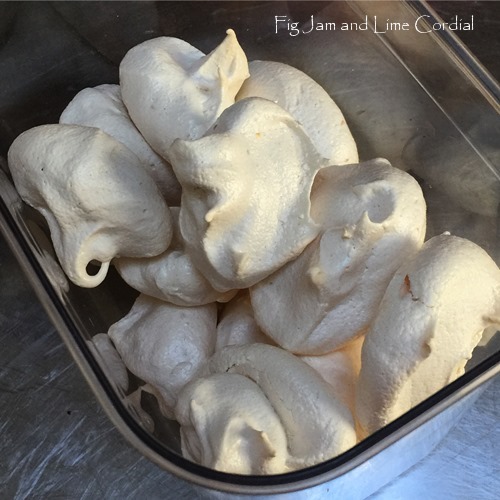
Oh, and I had two egg whites leftover from the double batch I made, so I turned them into meringues

Wishing you a happy day filled with sweet treats! ♥
Read Full Post »

Ten years ago, I went through a phase of writing posts about frugal living. They’re listed here, and you might find them useful in this current climate.

The thing is, back then, I was mostly concerned about not wasting and saving money. But when I read back through the posts, I realise that they’re equally applicable for times when we have to stay at home and limit our trips to the shops.

In times of difficulty, being able to eke every last ounce of goodness from what we have at hand has a two-fold benefit: it saves us money, time and trips, but more importantly, it reassures us that we have the necessary skills and resources to survive on very little.

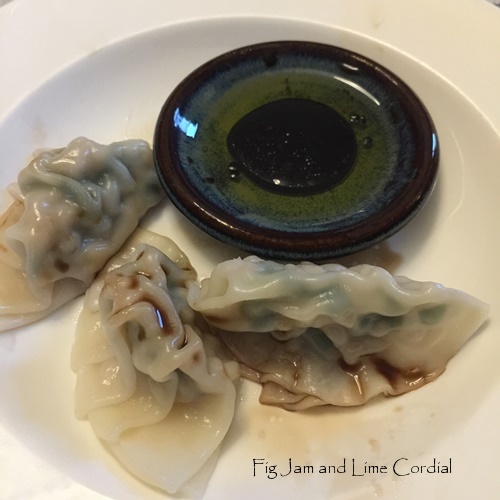
Last week, I uncovered an old packet of chicken mince in the freezer. It’s become surprisingly difficult to buy chicken in Sydney – Pete thinks that’s because it’s less daunting than a leg of lamb, so folks who would normally eat out have grabbed it as a safe option for home cooking. Our one kilo of free range chicken mince became 75 dumplings the first night – enough to feed four adults…

…and curry puffs two nights later…

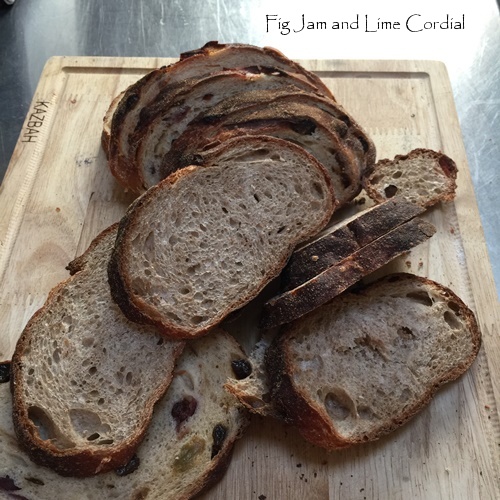
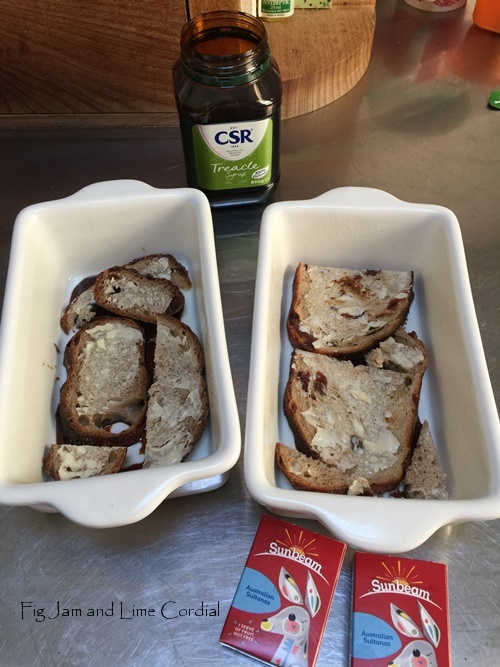
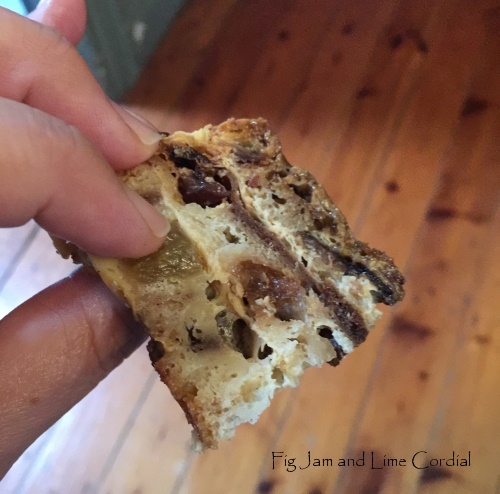
I had a little stale bread – half a sourdough fruit loaf and some wholemeal – which I turned into two leftover bread and butter puddings. I followed our very simple recipe but omitted the ricotta as I didn’t have any at hand…

I also used treacle from the pantry and some packets of sultanas which my mother inexplicably found in her handbag one day…

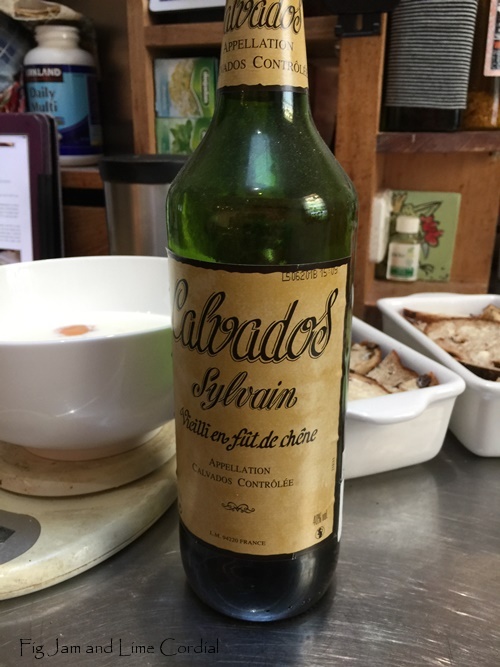
The occasion called for a generous splosh of Calvados…

Et viola! One for us, and one left on the back deck for our friend and neighbour Will to pick up…

The next day, Pete and I discovered that cold leftover leftover bread and butter pudding is delicious…

A lifetime ago in a kindergarten playground not far away, a fellow school mum said to me “when times are hard, it forces you to tighten up and take back control. And I don’t mind that, because it makes me feel strong”. At the time, she was talking about her financial difficulties, but her point is still valid today.

When life is easy, we all get sloppy – food gets thrown away, we discard materials instead of reusing, and we fly by the seat of our pants instead of planning ahead. Now is the time to tighten up and take back control. May you all feel strong and powerful today! ♥

Read Full Post »

Römertopf Lamb Shanks

If you’ve been reading along for a while now, you’ll be impressed to know my original Römertopf baker is still going.

It’s pretty battered these days – there’s a crack in the glaze and lots of chips around the rim, but it refuses to die. And after 11 years of faithful service, I’d feel disloyal replacing it with a newer model. It doesn’t come out of the dishwasher quite as cleanly these days, but it’s still pretty good.

A few weeks ago, I dragged it out and made a cheat’s version of my bonus wife Mary’s Kritharaki sto fourno. It’s the easiest dish ever in the Romy, and I absolutely adore the flavours, although both Pete and Small Man find it a bit rich. That’s not a problem because it means more for me! This dish freezes particularly well and makes the best comfort food lunch, so last week I made another batch, just to portion up for the freezer.

Interestingly, Mary’s version only uses salt, pepper, olive oil, stock and tinned tomatoes for seasoning – no herbs or spices or other fancy ingredients. She insists you have to use Greek rice shaped pasta, but staying at home meant not driving around delis to look for it, so I substituted giant couscous that I found in the fridge. Oh, and the olive oil is very important for flavouring – use the best you have. My bonus wife brought me back a bottle from Sparta, which complemented the flavours perfectly!

Mary makes her version in the oven, braising the lamb first before concentrating the cooking liquid and adding the pasta. I was far too lazy for that, so here’s how I made it…

Step 1: soak the Romy in a sink of cold water for 15 – 20 minutes.

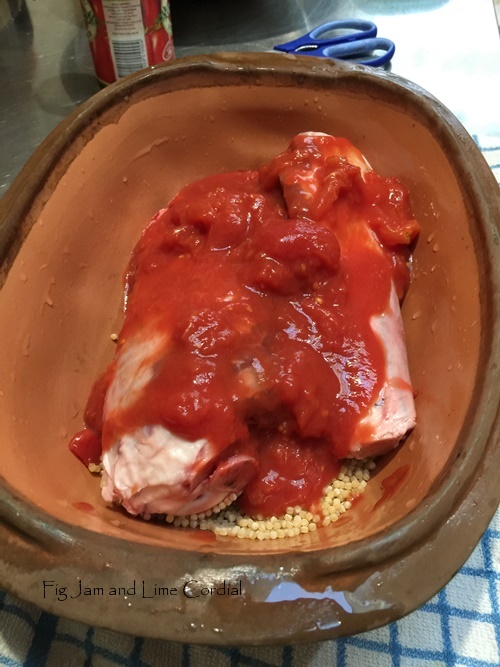
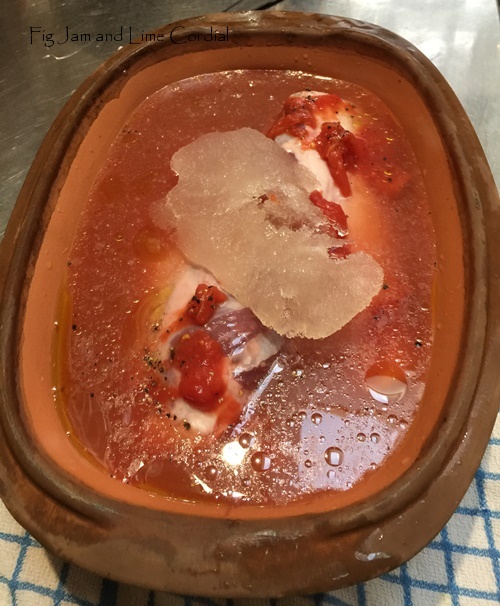
Step 2: into the wet base, pour in half a packet of small pasta, then lay two fat lamb shanks on top. Season with salt and pepper and olive oil, then add a tin of chopped tomatoes, a tin of water and about 500ml of chicken stock (or veg stock). I didn’t think to measure anything, sorry, so these are just guesstimates. Just splosh in a generous amount of oil and a good pinch of both the salt and pepper.

Step 3: put the lid on and place the pot into a cold oven. Turn the heat up to 200C with fan. Go do something else for two hours.

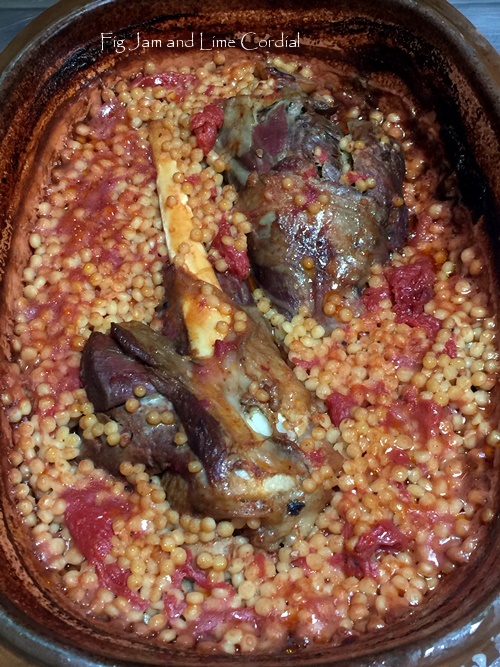
Step 4: take the pot out carefully and place it on a folded tea towel so that it doesn’t crack from thermal shock. Remove lid and decide if it needs more time or liquid. If the meat is tender and the pot is looking a bit soupy, just cover it back up and let it rest a while to let the pasta get properly fat and squishy.

Step 5: pull the meat off the shanks with two forks, then tuck in. Freeze any leftovers in single serves because you won’t want to share!

I reckon you could just as easily make this in a casserole dish or dutch oven, but for some reason, things always taste better in our clay baker. I think it might actually love me.

Hope you’re all well and staying safe and happy! ♥

Read Full Post »

Happy Easter, lovelies!

I was chatting to my darling friend Emilie the Clever Carrot last week, and she mentioned that she was posting a new sourdough hot cross bun recipe. It looks amazingthe link is here if you want to check it out. The secret, she whispered to me, is more butter

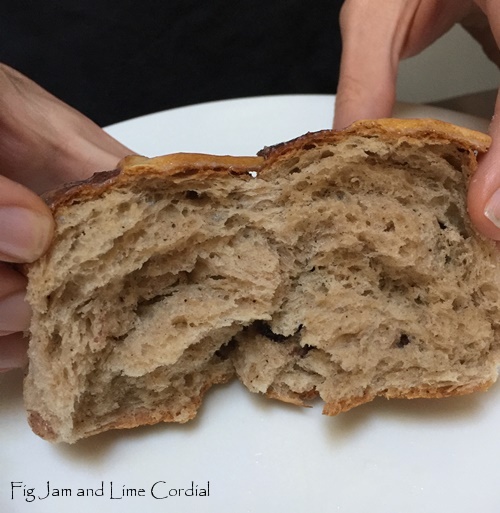
With that in mind, I’ve rejigged our yeasted hot cross bun recipe this year. It was only a small change, but it’s made such a difference – the buns are lighter and more brioche-like, and the extra butter seems to mask the taste of the instant yeast (which I’m quite sensitive too, hence the focus on sourdough). I could have made sourdough buns (here’s our recipe from 2018) and most years I do, but I didn’t have the energy this Easter. We just do what we can, when we can, right?

Here are the revised quantities I used (I’ve highlighted the changes). It makes a double batch of 24 hot cross buns, which fit perfectly in a half-sheet pan from Costco. I figured I’d better write it up before I make another batch, because trying to double all the quantities and make adjustments at 5am in the morning was doing my head in!

Dough

  • 1kg bread flour
  • 20g instant yeast
  • 16g fine sea salt
  • 80g brown sugar
  • 180g unsalted butter
  • 3 large free range eggs
  • 4 tsp mixed spice
  • 150g currants
  • 500g full cream milk, heated gently and then cooled to blood temperature, or UHT milk, unrefrigerated

Cross

  • 3 Tbsp self raising flour
  • 2-3 Tbsp cold water

Glaze

  • 4 Tbsp milk
  • 4 Tbsp caster (superfine) sugar

Notes:

1. The original tutorial is here, and I follow the same method with one exception – instead of rubbing in the butter, I now melt it and add it to the dry ingredients with the eggs and milk. I suspect you’d get a better result if you did rub it in, but this way is much easier (and less messy).

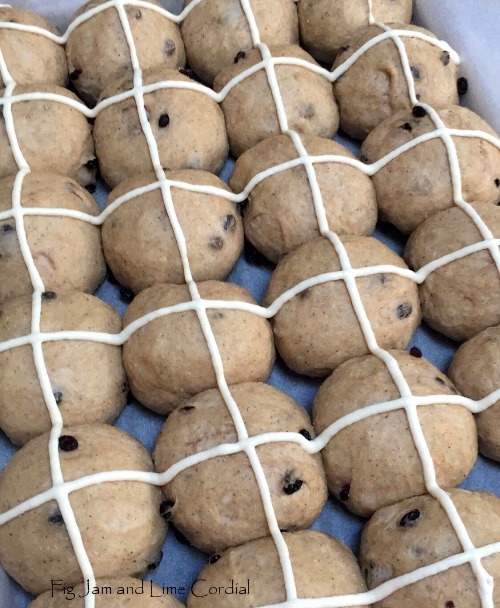
2. The true secret here (ok, apart from the extra butter) is patience. For a yeasted dough, this takes a very long time to rise. Let the first bulk prove and get properly puffy before you shape it, and then let the shaped buns rise and rise. They need to be fat and a bit squishy and touching each other before you pipe and bake them. My second rise (and our weather is a bit cooler at Easter) usually takes a good hour to an hour and a half…

Here’s a piping video just for fun. Actually, I just wanted to show off that I was piping with my right hand while filming with my left! I doubt I’ll be able to pull it off again, so I thought I’d better record it for posterity…

. . . . .

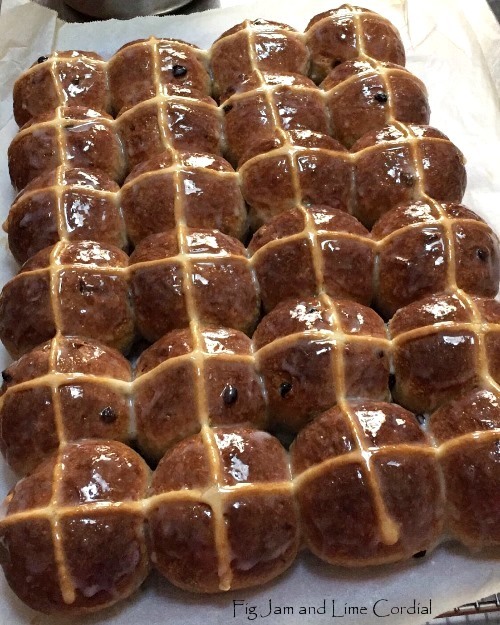
3. Paint the still warm buns with two coats of glaze – it will thicken up as it cools…

. . . . .

These have really been a huge hit! Small Man ate four for afternoon tea and then we divvied up the rest, wrapped them carefully, and left them outside for the neighbours to pick up. After they’d all been distributed, that son of mine said “You know Mum, I could have eaten eight…”

Needless to say, I now have another batch proving! ♥

Read Full Post »

Quarantine Cookies

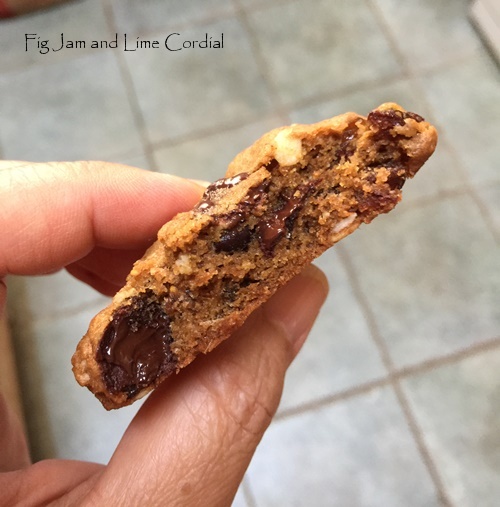
Pete declared these cookies to be “restorative to body and soul”, so I figured they were worth sharing with you.

They’re a riff on our old triathlon cookie, which was based  in turn on an old Dan Lepard recipe from the Guardian. It’s a great way to use up bits and pieces in the pantry, and because of the higher fibre and fruit content, it’s easier to just eat one rather than five (although having said that, I ate three today). They’re also very simple to make!

  • 125g unsalted butter
  • 175g brown sugar
  • 1 large egg
  • 200g wholemeal flour
  • 75g rolled oats
  • 1/2 tsp bicarb (baking) soda (sifted)
  • 1/4 tsp fine sea salt
  • 230g assorted mixed fruit – I used cranberries, currants, sultanas, chopped figs and chopped dates
  • 20g cacao nibs
  • 100g dark chocolate, chopped or in callet form (I used 70% Sao Thome origin chocolate)
  • 1 tsp vanilla (I used homemade)

Note: use whatever dried fruit and flour you have. You can also substitute chopped nuts for the nibs and some of the fruit.

1. Preheat the oven to 160C or 150C with fan. Stir together the flour, oats, bicarbonate of soda (make sure you sift it first), salt, dried fruit and chocolate.

2. Beat the butter and sugar together until creamy, then beat in the eggs and vanilla.

3. Add the dry ingredients and mix until just combined. The dough will be firm.

4. Roll the dough into 4cm balls (I use a small icecream scoop) and place them on a couple of parchment lined baking trays.  Flatten each cookie slightly and bake for  15 – 20 minutes (depending on whether you like them chewy or crispy).

5. Allow to cool on a wire rack and then store in airtight container. Enjoy! ♥

Read Full Post »

« Newer Posts - Older Posts »