Feeds:
Posts
Comments

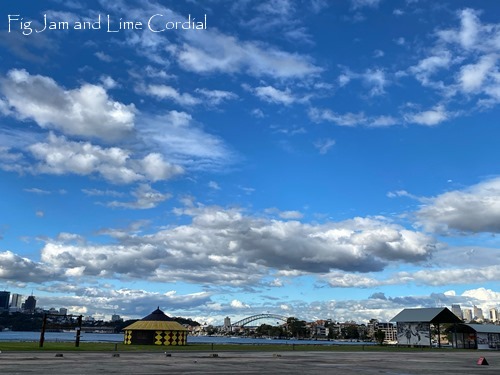
Cockatoo Island is such an interesting place! We first visited for the Biennale of Sydney 2014, and have been heading back for the event every second year since.

Due to COVID19, the Biennale was initially cancelled this year, but thankfully they’ve now reopened it with extended dates. It’s not as extensive as it has been in previous years, but definitely worth a visit nonetheless. If you’re in Sydney’s inner west, we’ve found the best way to go is via ferry from Drummoyne Wharf – there’s free street parking and it’s only a five minute boat ride (you can actually see the island from the wharf).

The 22nd Biennale of Sydney NIRIN focuses on indigenous, tribal and native art, reflecting spiritual and cultural influences on contemporary art. Here is Brook Andrews’ curatorial statement:

The urgent states of our contemporary lives are laden with unresolved past anxieties and hidden layers of the supernatural. NIRIN is about to expose this, demonstrating that artists and creatives have the power to resolve, heal, dismember and imagine futures of transformation for re-setting the world. Sovereignty is at the centre of these actions, and shines a light on environments in shadow. I hope that NIRIN gathers life forces of integrity to push through often impenetrable confusion.

Optimism from chaos drives artists in NIRIN to resolve the often hidden or ignored urgency surrounding contemporary life.

Here are a few photos from our visit…

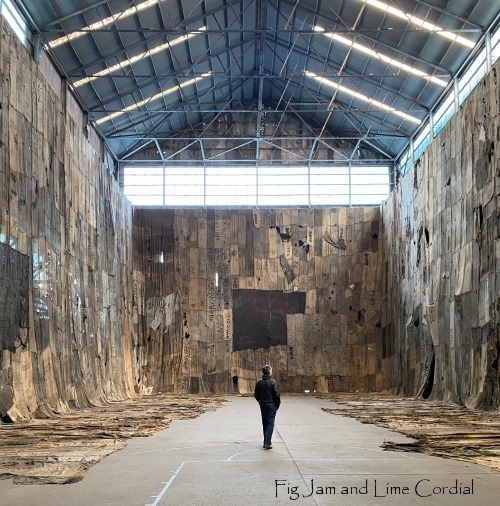
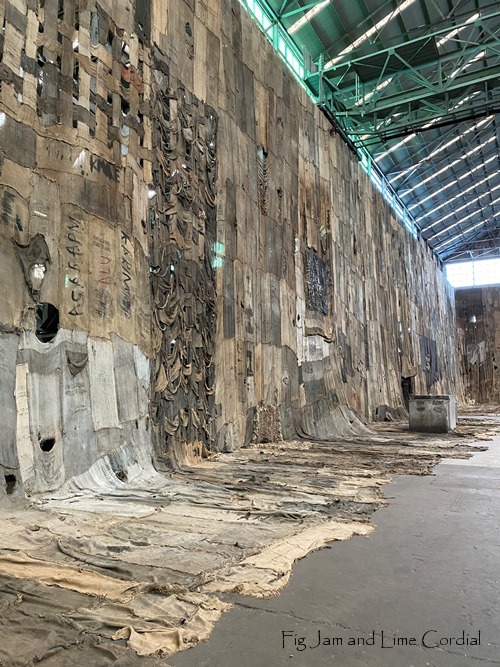
Ibrahim Mahama’s No Friend But The Mountains is immersive and imposing. It fills the Turbine Hall with jute sacks…
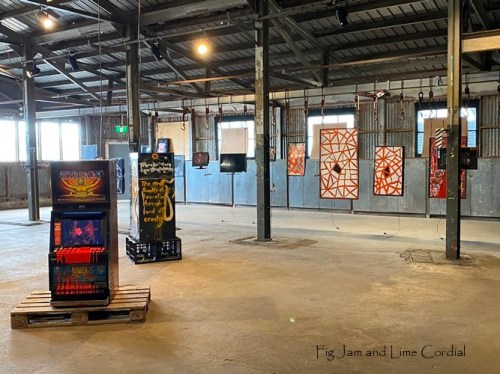
We loved the works by the Tenant Creek Brio collective, painted on old screens and gaming machines. There is a display at Artspace as well as Cockatoo Island…
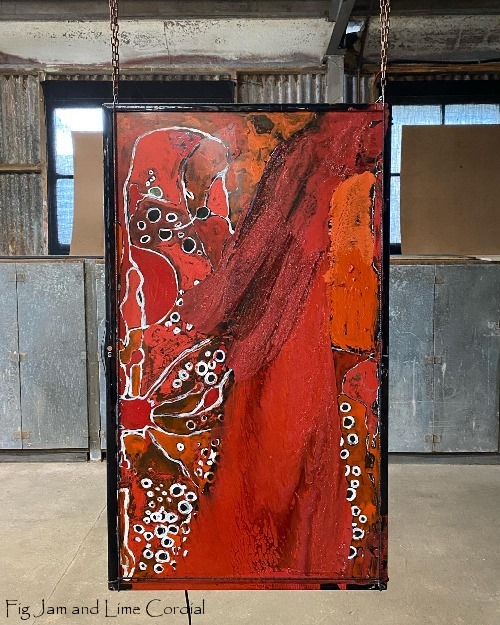
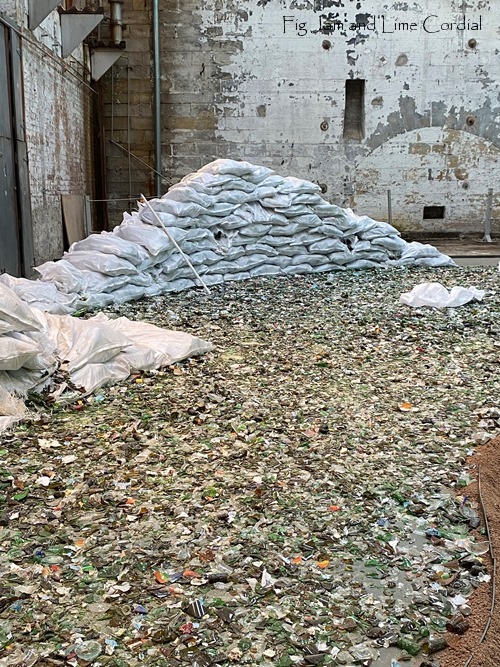
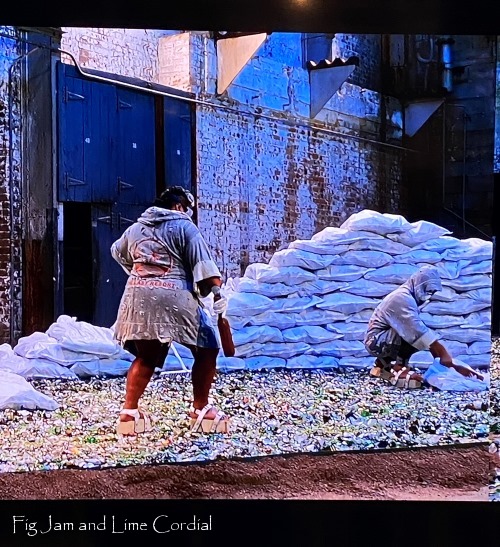
My favourite artwork of the day was Latai Taumoepeau’s The Last Resort, created from crushed glass and accompanied by a video of it being stomped and shattered under brick sandals. A poignant and frightening statement on the destruction of fragile saltwater ecosystems and the immediate impact it’s having on vulnerable Pacific Island nations..
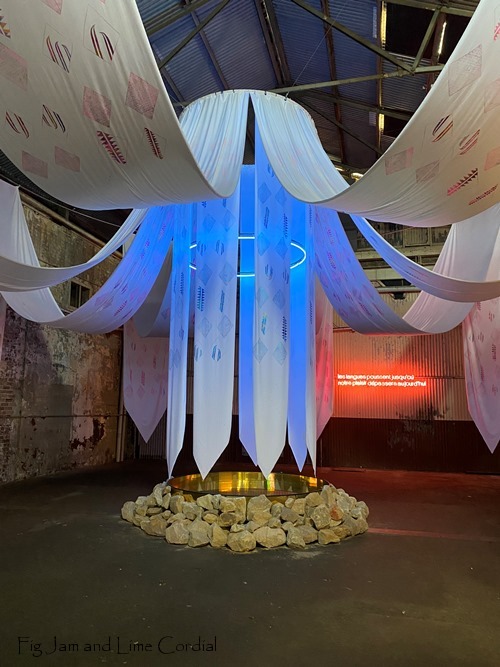
re(cul)naissance by Léuli Eshrāghi…
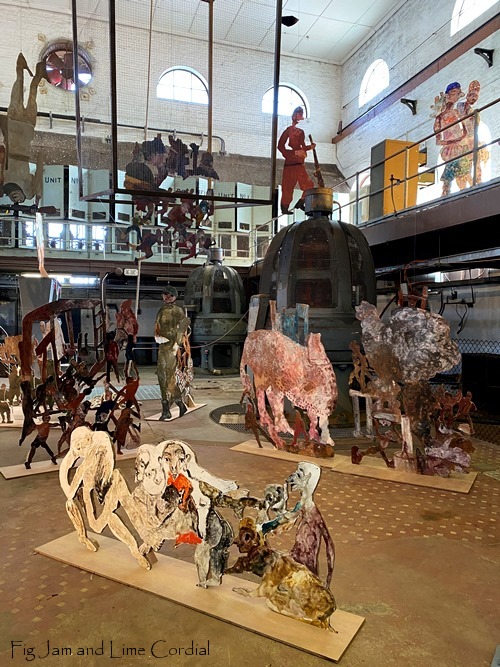
I loved The Uprooted by Anna Boghiguian, with nomadic and rural scenes juxtaposed with the heavy machinery of the power house room. It conveyed a sense of the displacement suffered by refugees and others uprooted from their traditional lifestyles, and the “cultural genocide”, as the artist describes it, that ensues…
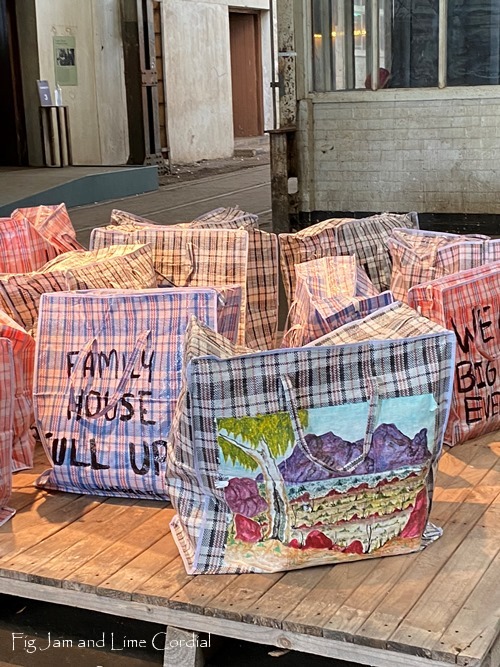
Similarly, the many works by the artists of Iltja Ntjarra (Many Hands) Art Centre, on display both at Cockatoo Island and the Art Gallery of NSW, are painted on what were colloquially referred to as “refugee bags”. They make a powerful statement about the deep, systemic issues of homelessness and displacement faced by so many of our indigenous communities…
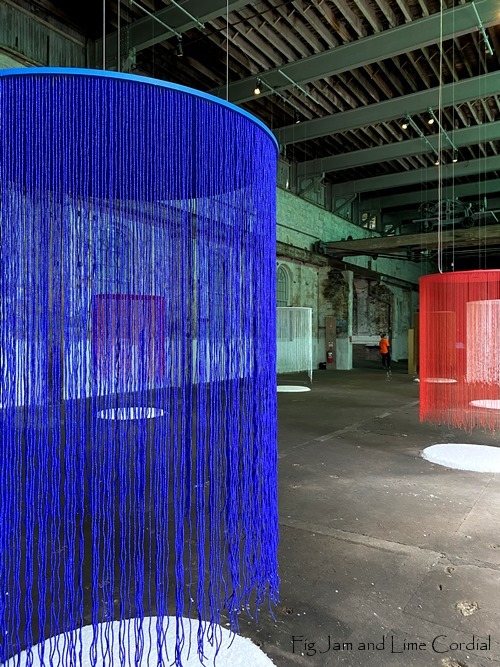
Lhola Amira’s Philisa: Ditaola, 2018-20 is multi-faceted, with music piped from each curtain. The gentle crackle of Billy Holiday’s Strange Fruit added a surreal feel…
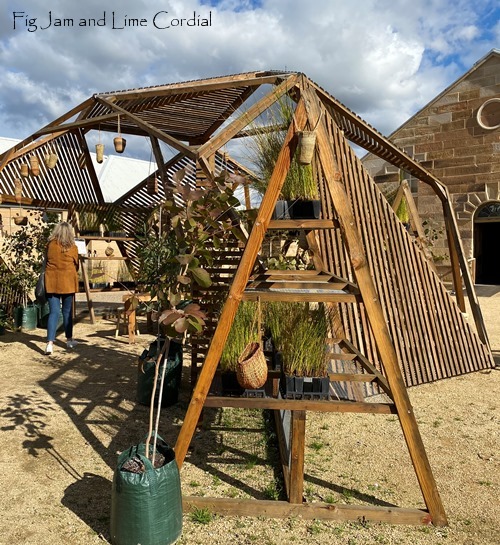
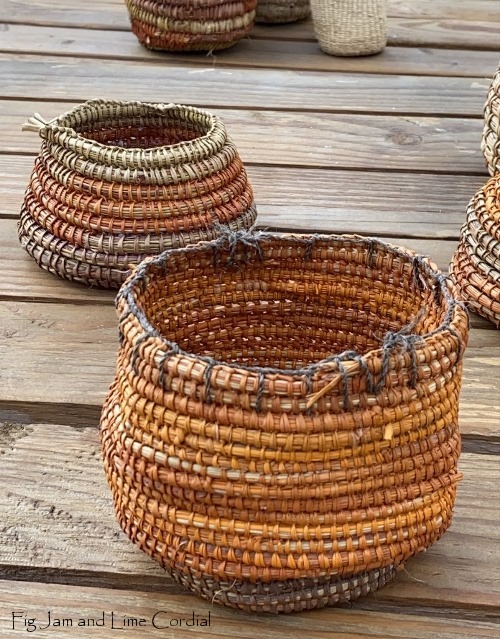
Finally, joyously, Tony Albert’s Healing Land, Remembering Country is presented as a sustainable greenhouse at the very top level of the island. It’s worth the climb to sit inside the structure for a while and reflect on the wonderful space, surrounded by light and growing plants and indigenous basketry…
The Biennale of Sydney has now been extended until September 2020. We still have a couple of venues to visit, but hope to do so in the next month or so! ♥
I used to make Malaysian chicken curries the way my mother did – starting with a good curry powder, adding extra spices, minced onion, garlic, lemongrass and curry leaves, frying the resultant paste in oil first…you get the idea. It wasn’t exactly from scratch – very few Malaysian curries are – but it was still a process.

Then one night a few years ago, Will and Bethany were over for Friday night dinner, and we started drinking champagne. I can’t remember why now, but we’d knocked off a bottle on empty stomachs before I realised that I’d forgotten to cook dinner. I’d had chicken prepped for a curry, but it was all going to take too long. Then I remembered a packet of curry paste that my cousins had insisted I try…

Even to my tipsy brain, the instructions were simple enough to follow…

I threw the paste into a wok with boiling water from the kettle (we were getting hungry), then bunged in the chicken pieces and peeled potatoes. Once the meat was cooked through and the potatoes tender, I added a carton of coconut cream and let it simmer a bit longer. Then we ate it, and it was the best curry ever. And since then, I’ve never made Malaysian curry the old way again.

I went searching for A1 sauces here, and found them at the Asian grocers in Flemington for $3 each, so I keep a good supply on hand these days. The only downside is the packaging – sadly, I haven’t found a way to recycle or repurpose it yet. One tip – be sure to get the right “A1” paste – there are a few brands using that name.

Then two years ago, just when I thought this curry couldn’t get any easier, I discovered that I can use my Römertopf to cook it for me while I’m out!

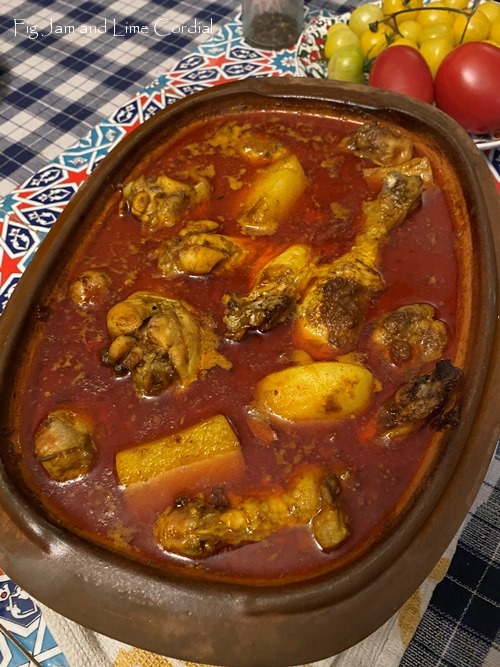
Last week, Pete and I visited Cockatoo Island to view the recently reopened Biennale of Sydney (there’s a post coming on that soon) and before we left I rubbed chicken pieces with the curry paste and sat them in my pre-soaked Romy pot with potatoes, coconut cream and a little water. As you can see, I literally just threw them all in…

I put the covered pot into a cold oven, set it to 200C with fan for two hours, then went out. Our oven has a timer to turn itself off after the designated time. This is what we came home to…

I marginally prefer the dish cooked in the wok, but using the Romy makes it even easier. Best of all, the dirty clay pot goes straight into the dishwasher and comes out almost perfectly clean. Definitely a simple solution for days when we’re out and about! ♥

A couple of weeks ago, I picked up $3 worth of quilting fabric scraps from the Sewing Basket in Balmain. At 10c per piece, this is what they looked like…

I’m not a quilter, but I was keen not to waste them, so I turned some of the pieces into pincushions. If you’d like to have a go at making your own, here’s a step-by-step tutorial I wrote a few years ago

My ever patient Pete walked into the dining room while these were in progress and just stared at the mound of stuffed pillows. “The trouble with tribbles is…” I quipped (it’s a Star Trek reference)…

I’m sure a few of you will understand this feeling…sometimes you just need to do “quaft” until your hands hurt. There’s something incredibly rewarding about filling a table with pretty creations in cheerful bright colours. Being able to do so without buying any new resources (the scrap fabric, broder cotton, buttons and polyfill were all purchased from donated and rescued stock) makes this a sustainable and guilt-free pleasure.

I gave a few of these to friends and donated the rest to the Sewing Basket Balmain to sell and/or give to their volunteers. All funds raised by these stores go to Achieve Australia, a disability support and housing charity…

So if you’re looking for a quick project, give these a go. You might find them as addictive as I do! ♥

The White Rabbit Gallery has reopened again!

Its current exhibition, AND NOW, is a continuation of the gallery’s tenth anniversary celebrations and has been rescheduled to stay open until January 2021, so you have plenty of time to pop in for a visit. As always, the exhibition is free to the public, and there are mandatory check-ins and hand sanitisations at the front door to ensure COVID19 compliance.

As they do for every exhibition, the internal architecture of the gallery has been completely rebuilt, with walls in different places and new rooms constructed to house the different artworks. I’m always raving about the creative genius of David Williams’ curatorial decisions; AND NOW certainly upholds the exemplary standard.

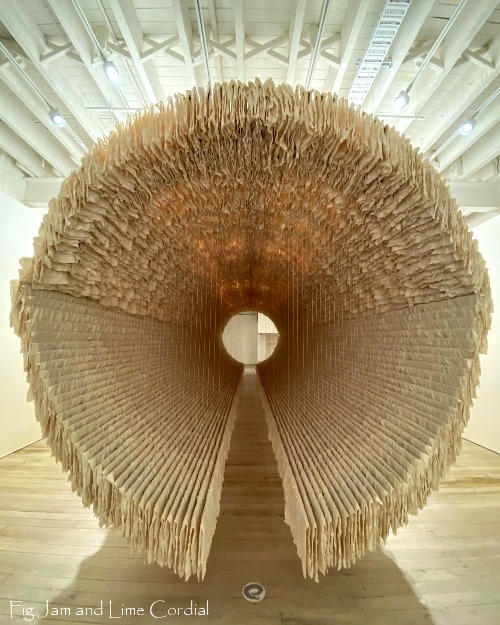
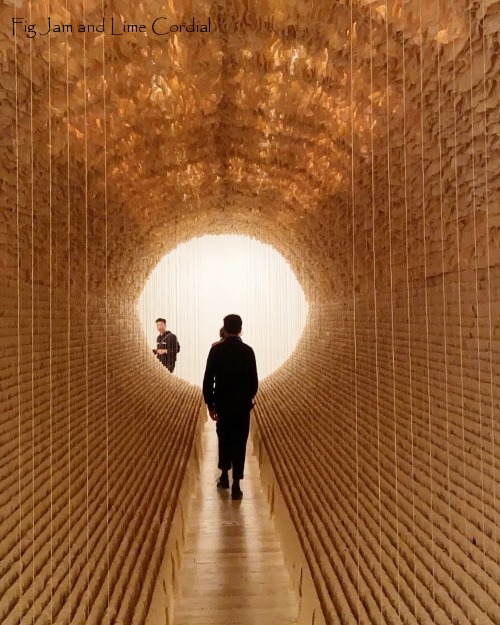
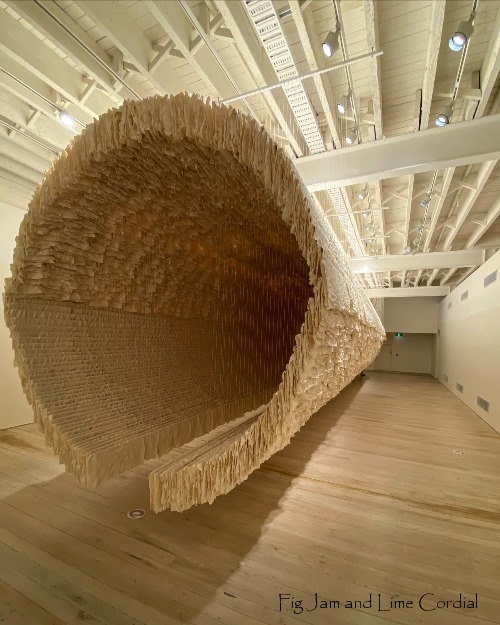
Zhu Jinshi’s The Ship of Time (2018) is a definite highlight…

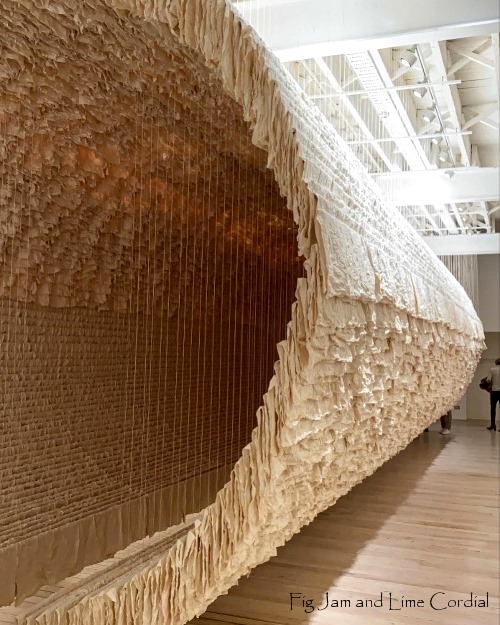
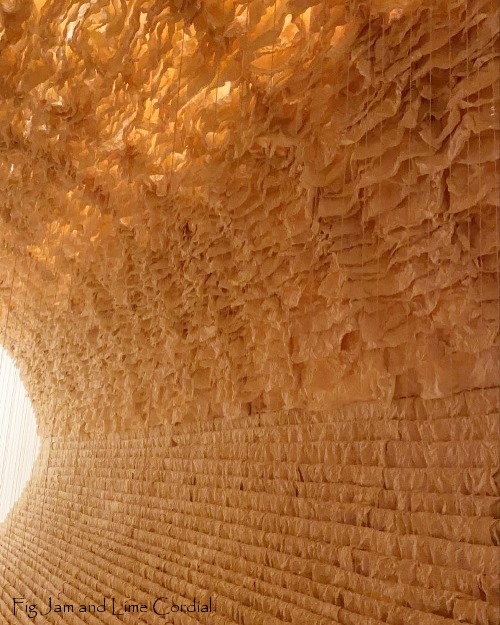
It’s made up of 14,000 sheets of xuan paper (fireproof rice paper), 1800 pieces of fine bamboo and 2000 cotton threads. Talk to any of the gallery attendants and they’ll tell you that they were all involved in reassembling the work over several months…

A slow walk through the tunnel is permitted, providing visitors are very careful

The gallery is asking guests to comply with the strict COVID19 safety measures outlined on their website, and it’s worth mentioning that they won’t be permitting groups (we went as a couple and that seemed to be fine). Also, there is limited lift access at the moment, and their usual guided tours are on hold for now. Don’t let that stop you from visiting though, because AND NOW is completely brilliant! ♥

We have a very prolific lemon tree, and at the moment, it’s completely laden with fruit…

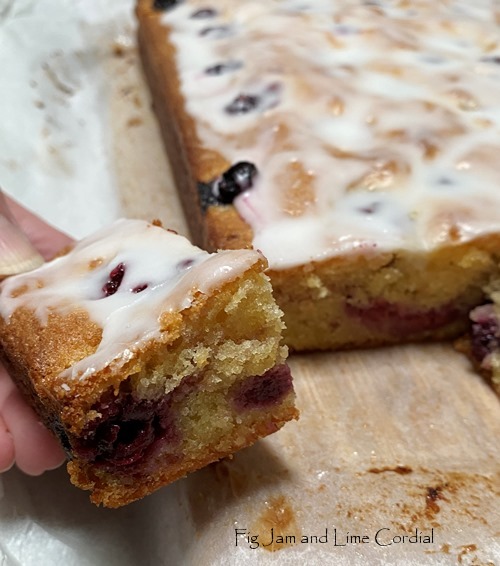
So I adapted a tried and tested recipe from Yotam Ottolenghi’s Simple to work as a tray bake. It made a large batch to share for our weekend neighbourhood bake!

  • 300g unsalted butter, softened
  • 380g castor sugar
  • 4 teaspoons lemon zest
  • 60ml lemon juice
  • 2 teaspoons vanilla extract (I used homemade)
  • 6 large eggs, beaten
  • 180g self-raising flour
  • ¼ teaspoon fine sea salt
  • 220g ground almonds
  • 400g frozen mixed berries, defrosted on a plate
  • 140g icing sugar, SIFTED (it’s important to sift it!)

Step 1: line a 23cm x 33cm baking pan with parchment paper, and preheat the oven to 175C with fan.

Step 2: beat together the butter, sugar, zest,  30ml of lemon juice and vanilla extract until smooth, then gradually beat in the eggs. The batter might split, don’t panic. Scrape down the sides.

Step 3: combine the flour, almonds and salt in a bowl and whisk together until combined. Add this to the batter in three batches, beating well after each one.

Step 4: spread half the batter over the base of the prepared pan and scatter over half the defrosted berries. Dollop on the remaining batter and spread it out evenly with a spatula. Bake for 15 minutes.

Step 5: remove the tray from the oven and scatter over the remaining berries and return to the oven for a further 15 minutes.

Step 6: remove the tray from the oven again and cover it loosely with foil. Return the tray to the oven to bake for a further 20 minutes. Test by inserting a skewer into the centre (not through a berry) – if it comes out cleanly, then it’s ready. Allow to cool briefly in the pan, then remove and allow to cool completely on a wire rack…

Step 7: make icing by mixing the SIFTED icing sugar (yes, I know I go on about it, but if you don’t sift you’ll get lumpy icing that can’t be fixed) with the remaining lemon juice to form a smooth icing. Spread it evenly over the top of the cooled cake and allow to set.

This recipe is basically a double batch of Ottolenghi’s Blueberry, Almond and Lemon loaf cake, slightly adapted for sharing. The original recipe has the blueberries folded into the batter, but my defrosted berries were too soft for that to work well, so I added them in between two layers of cake batter instead.

We particularly love this recipe because it doesn’t have extra added dairy – so many berry cake recipes include yoghurt, sour cream or buttermilk – and because it uses lots of lemons. Having said that, we had enough juice from one lemon for the whole cake (the original recipe would have had us using four). Do try this one, it’s delicious! ♥