It’s been four months since our last update, and you’re probably all wondering how our Waste Reduction Plan is going.
The answer is…not bad.
We’re still managing to keep our waste down to one medium kitchen bin bag per week (most of the time). We haven’t opened the cling film box or used a paper towel all year. But some things have been trickier to stick to than others.
1. Paper
We’ve had great success cutting back our single use paper consumption – the cotton napkins I made from the Daiso tenegui (Japanese tea towels) have lasted more than 40 washes and I haven’t had to repair (or iron) a single one…
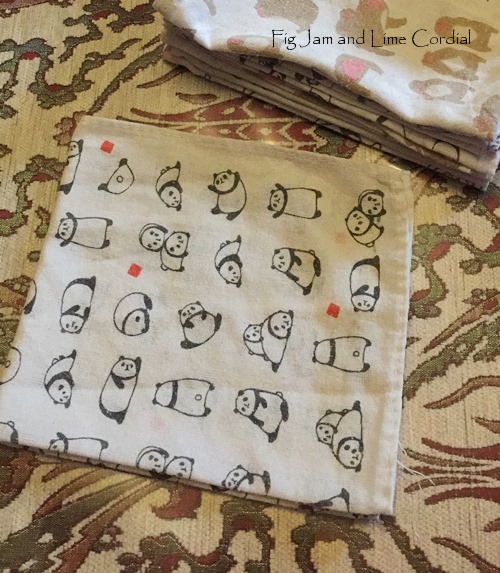
We used to go through mountains of kitchen paper towels; now we don’t even buy them. They’ve been replaced completely with tea towels, knitted or crocheted dishcloths, and absorbent waffle weave squares that I cut from an old bedspread…

I can’t rave enough about the knitted and crocheted dishcloths – they’re as sturdy as iron, wash well, and just keep going. The ones Rose sent me in 2013 are still in regular rotation, and I finally had to repair one after six years of constant use. These get washed every day or two…

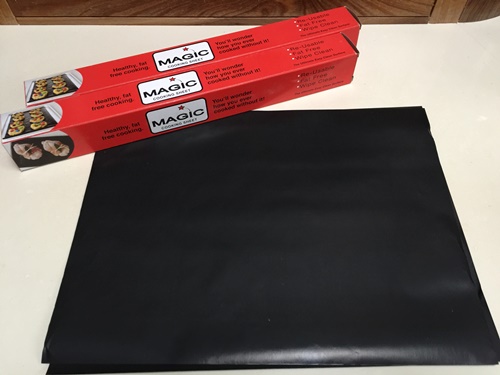
We’ve substantially reduced the amount of parchment paper we’re using by switching to reusable teflon sheets for most of our baking, although I still weaken and use parchment for anything that’s going to be too gross to wash up…
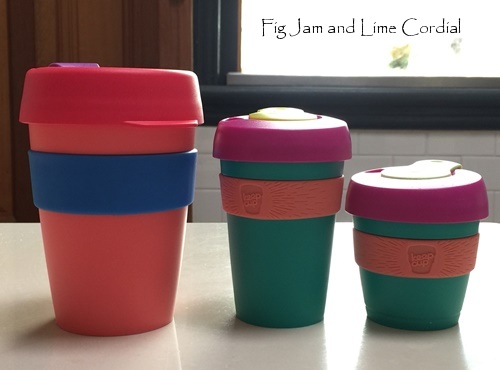
The KeepCups are a winner and I haven’t bought a coffee in a takeaway cup all year. These days if I don’t have my reusable cup, I’ll skip coffee or sit in to drink it. Having said that, I have bought a few bottles of water this year – not by choice, but sometimes a food court won’t offer water by the glass, and I don’t always remember to bring my water bottle.
Small Man (gently) chastised me for forgetting my KeepCup the other day. “I always have mine in my backpack”, he told me. I was very proud of him – he’s the true eco-warrior of the family, the one who pulls me up if I get lazy and throw a teabag into the bin instead of the Bokashi bucket… (Edit: since writing this post, we no longer put teabags in the Bokashi. Pete has dug them up after six months and noticed that they weren’t breaking down. Bugger…)
. . . . .
2. Plastic
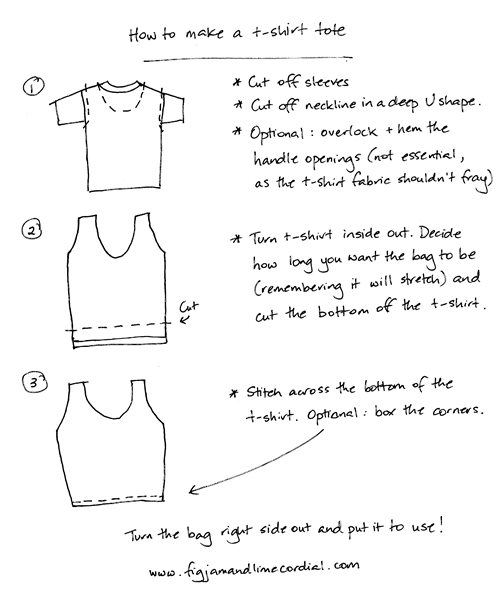
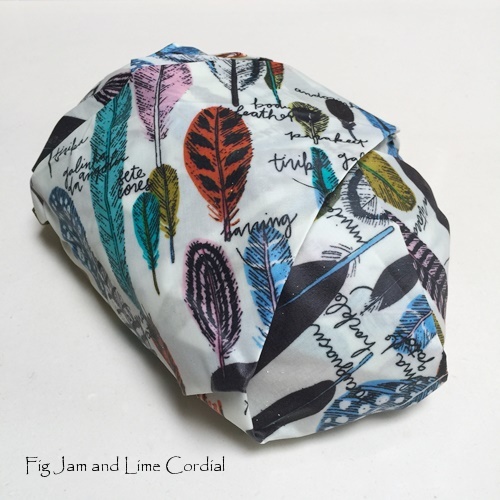
In terms of plastic shopping and vegetable bags, we’ve done well. We travel with mesh bags, small carry bags, furoshiki, and our lastest discovery, t-shirt tote bags…
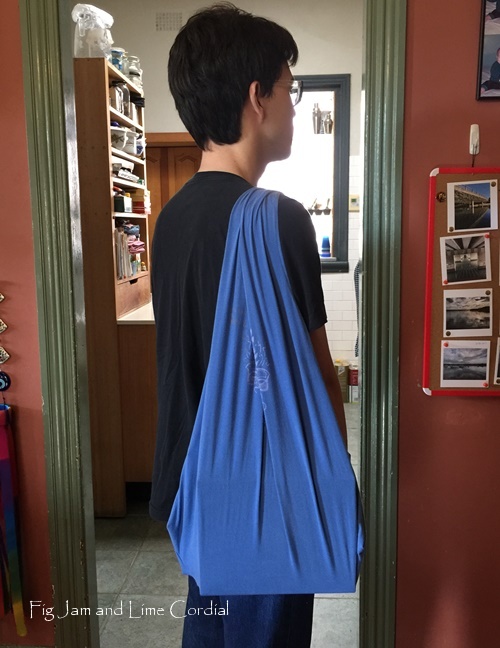
I sketched a rough pattern if anyone is interested in making these – there are also lots of instructions online if you’d prefer to make them without sewing…
Cling film no longer even lives in our kitchen, as we’ve found that the beeswax wraps replace it almost completely. For the few items that can’t be wrapped in beeswax (like meat or soupy leftovers), we use a bowl covered with a plate, a piece of foil, or a reusable plastic box.
The best thing about the beeswax wraps is that they aren’t just an eco-friendly alternative solution, they’re actually massively better at keeping things fresh. Coriander, ginger, cut avocado…all the fruits and vegetables that might have oxidised or gone slimey in plastic…stay crisp and colourful under beeswax. And it’s the perfect way to keep sourdough fresh in our humid Sydney climate…
. . . . .
Unfortunately we’re still a long way from eliminating plastic completely, but we have tried hard to reduce our single use consumption.
There are two areas that we continue to struggle with – the first being purchased items. We buy all our meat in bulk, and it almost invariably comes in sealed plastic bags. We wash and RedCycle these as much as possible, but it’s hard to get them really clean, and I don’t want to run the risk of contaminating the recycling process. Similarly, anything purchased online arrives packed in plastic of one sort or another – again, these can be RedCycled, but it’s not an ideal option. Medicines, skincare products, cereals – we’re still a long way from being plastic free.
I’m also not sure what the best options are – is buying something in heavy thick glass which needs to be recycled better than purchasing it in thin recyclable plastic? Glass and aluminium can both be recycled, but rarely are they reused, and the energy output to change them into a different form is huge.
. . . . .
The other area that’s been tricky has been freezer storage.
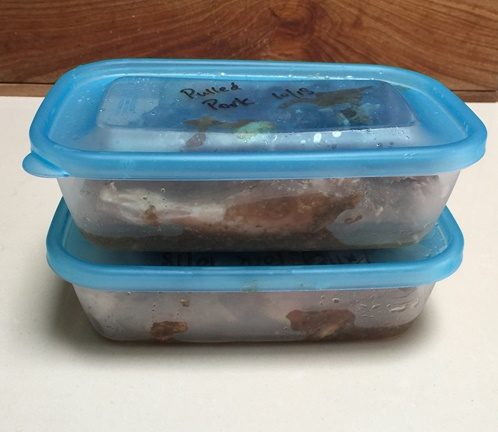
We’ve invested in sturdy plastic freezer boxes, which seem to work well. We tried glass containers, but found them too heavy for stacking. We particularly like these 800ml boxes from Daiso – they’re cheap, wash well, and don’t go wonky in the dishwasher…
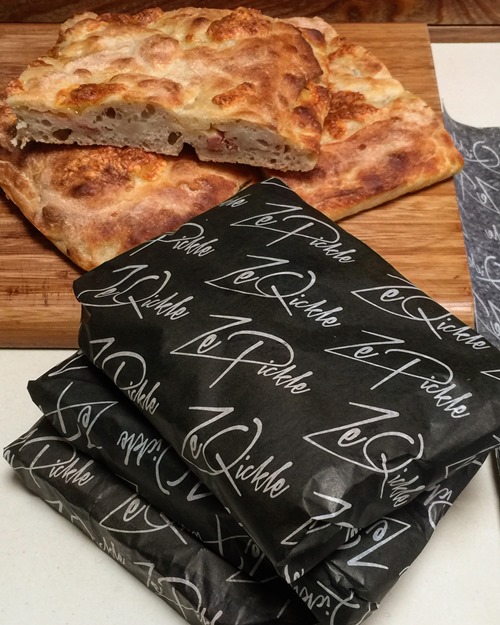
Instead of using lots of small plastic bags, we’ve been wrapping items in our rescued food safe paper from Reverse Garbage, and then freezing them in bulk in reusable plastic bags or boxes. It seems to be working well so far…
. . . . .
3. Organic Waste
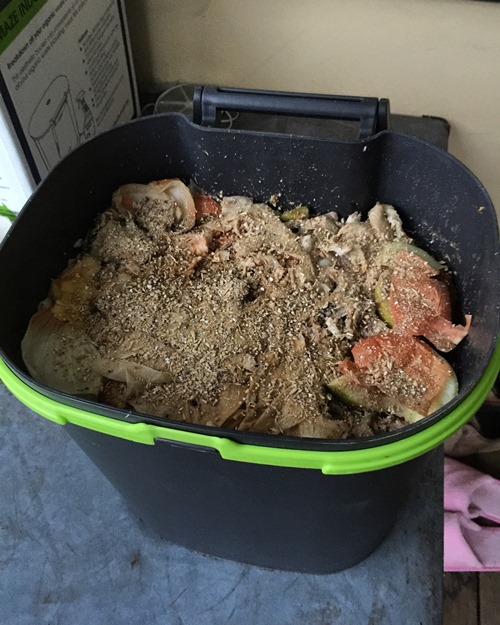
Between the chickens, worms, and the Bokashi bucket, very little organic waste now goes out in the red bin.
The Bokashi has been trickier to use that we expected, as the worms won’t go near it, so we’re having to bury the remains in the garden. Also, some things don’t seem to break down, including large bones, rind, and anything overly fatty. Still, it’s been a great success, particularly for all the items that couldn’t go into the worm farm, such as citrus, alliums and cooked leftovers…
. . . . .
4. Shopping
Over the course of this year, I’ve become a committed Salvos store shopper!
Not only do my purchases donate much needed funds to the Salvation Army, but they also save me a fortune. I recently picked up this brand new Turkish plate at the Salvos as a gift for my mother’s birthday. It retails for $80, but I paid just $4…
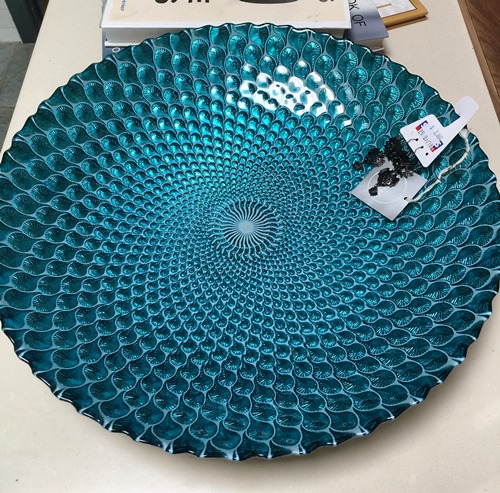
The added bonus is that buying secondhand reduces our environmental impact – I’m sure it’s better to cut back on shopping altogether, but I don’t appear to be genetically or culturally wired to be able to do that.
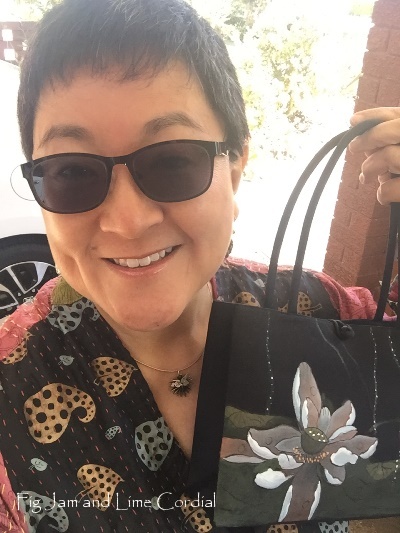
I am, however, trying to make more informed choices. At my niece’s wedding recently, I realised that everything I was wearing had a story – my jacket was sewn from upcycled vintage saris, my jewellery was made from old watch parts by my friends at Oli and J, and my bag was handpainted vintage Japanese silk. Not surprisingly, I didn’t run into anyone with the same outfit on!
. . . . .
5. Mend and Make Do
I’m mending constantly these days.
At the beginning of winter, Pete pulled out an old jumper that I’d knitted for him when we were in college. It took me forever and he wore it just once before declaring it to be too hot for Sydney. I married him anyway.
The jumper was full of holes, so I washed it carefully and mended it badly in mid-June. Pete still wouldn’t wear it and neither would Small Man. Admittedly, it’s no longer particularly fashionable and it weighs a ton. But Big Boy, who is the essence of kindness, said “It’s ok, Mum, I’ll wear it when we walk in the mornings”. And he did, for most of winter. I love that kid so much it hurts…
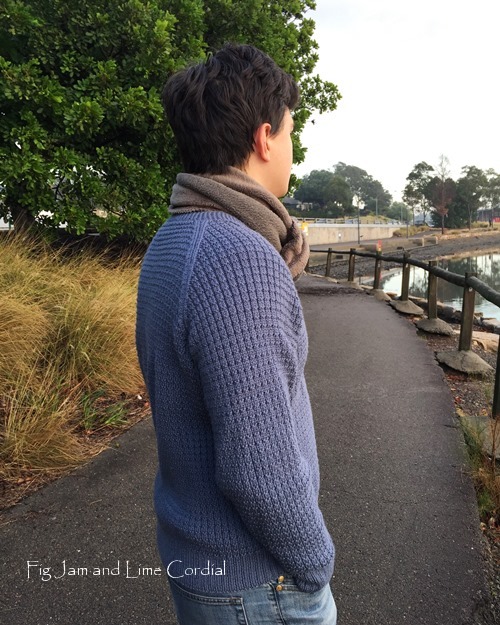
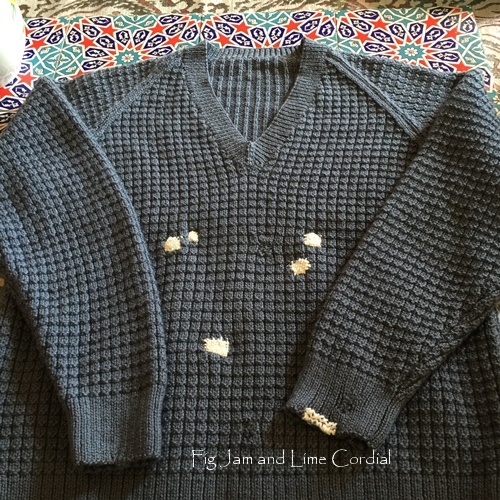
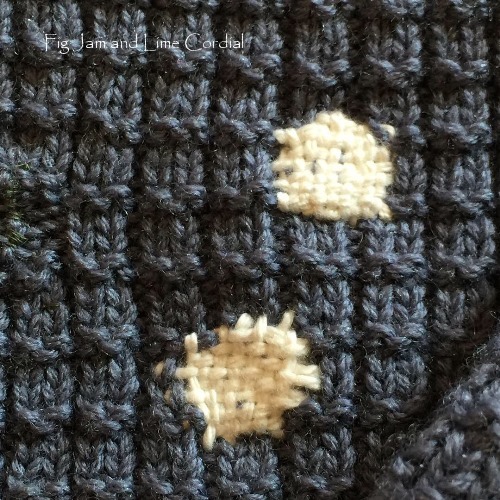
When spring arrived, he gave it to me to wash and store for next year. It came out of the wash (I promise I was very gentle) with even more holes! By this stage, I’d learnt how to darn, so I set about patching all the broken bits. The end result looks a bit like a starry constellation, but it should last another year of morning walks…
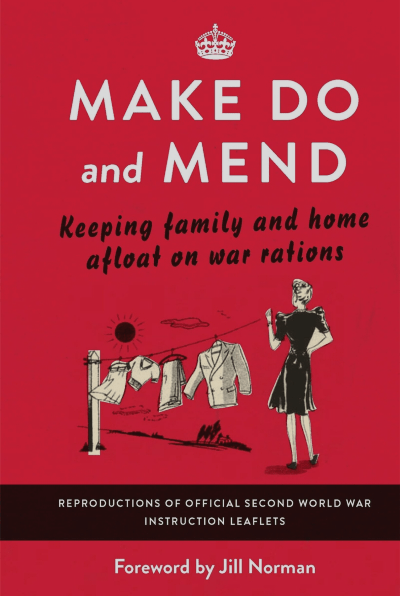
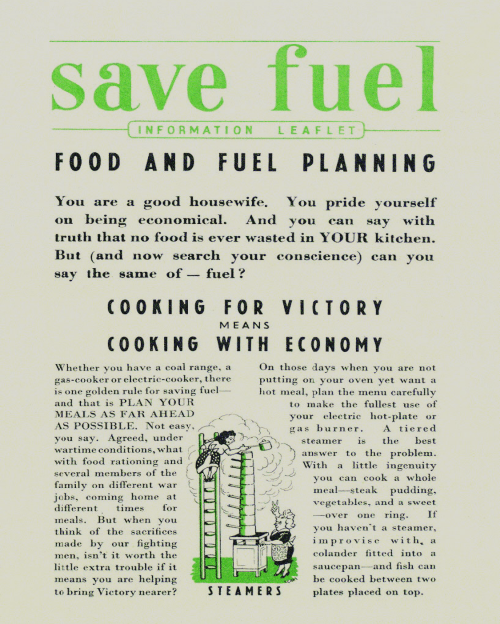
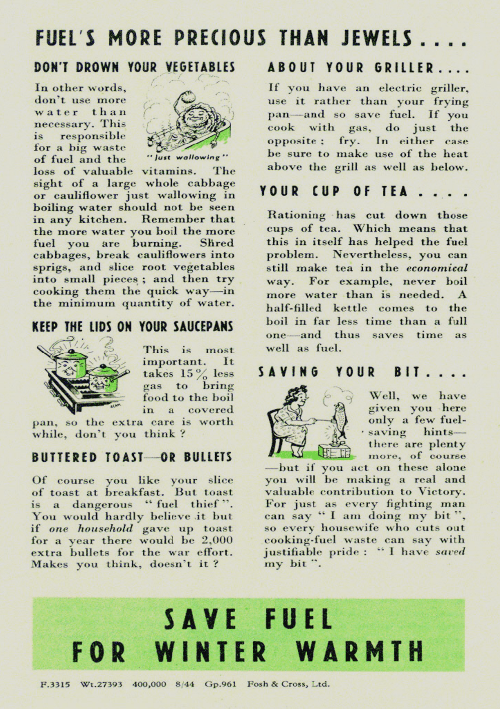
Our new mindset is…with the exception of underwear that is so threadbare that you can see through it, everything can be mended. I bought this e-book of old war instruction flyers and have found it inspirational (it reads well on the iPad but probably wouldn’t be great on an old Kindle reader)…
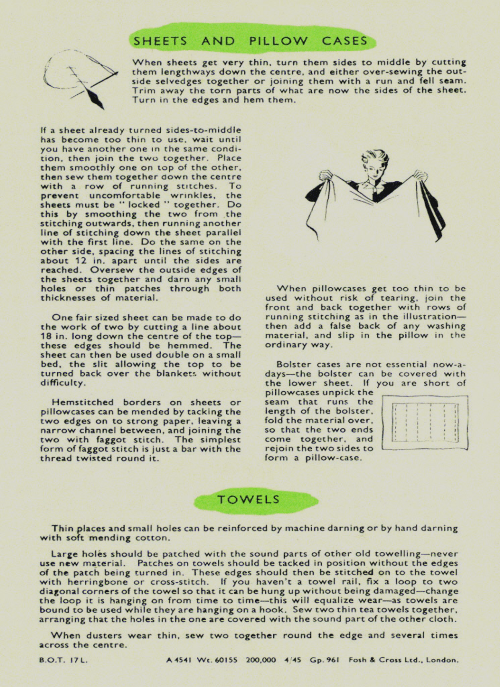
Here is one on saving fuel for the war effort – “Buttered Toast – or Bullets” – was particularly thought-provoking…
. . . . .
Our waste reduction plan is a constant work in progress! As always, when I write these posts, I learn so much from all of you, so please let me know your tips and suggestions in the comments below. And if you’re on a similar mission, I’d love to know how you’re going with it! ♥
. . . . .
Here are the posts so far on our Waste Reduction Plan:
27 Jan 2018 A Waste Reduction Plan
2 Feb 2018 A Long, Rambling Catch Up
15 April 2018 Our Waste Reduction Plan – Progress Report
20 April 2018 Our Waste Reduction Plan – Fine Tuning
1 June 2018 Our Waste Reduction Plan – June 2018 Progress Report
. . . . .
Tips and tutorials for making your own eco-friendly products:
Mesh Bags (pattern at the end of the post)
Crocheted Acrylic Dish Scrubber












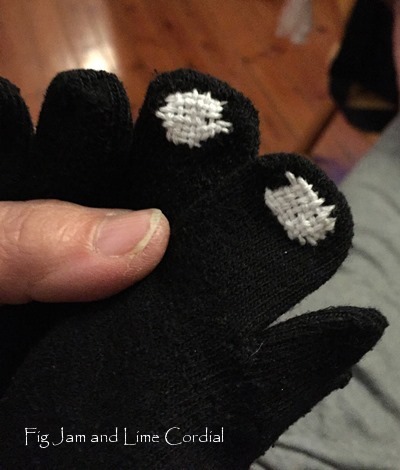
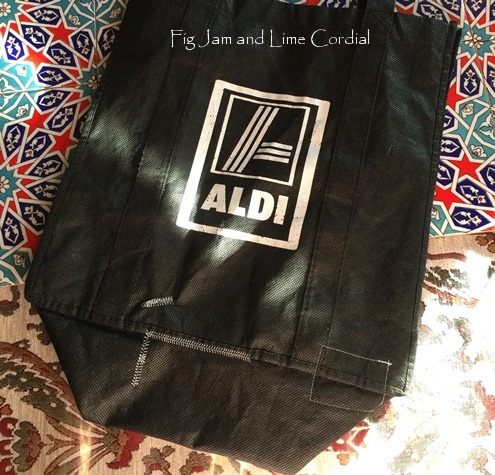

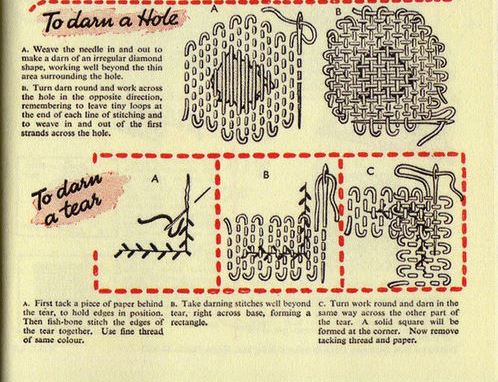
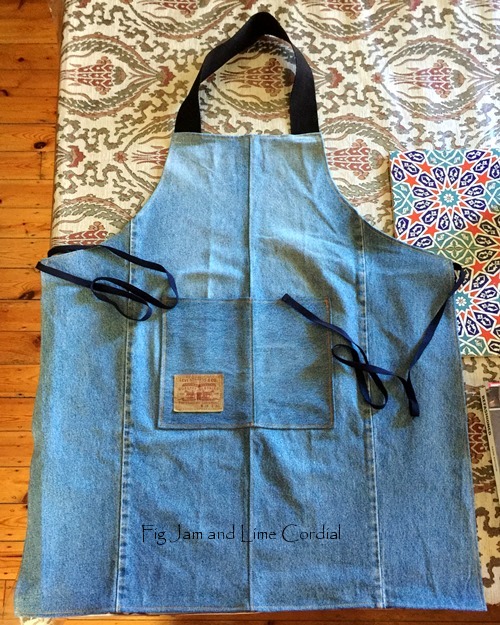
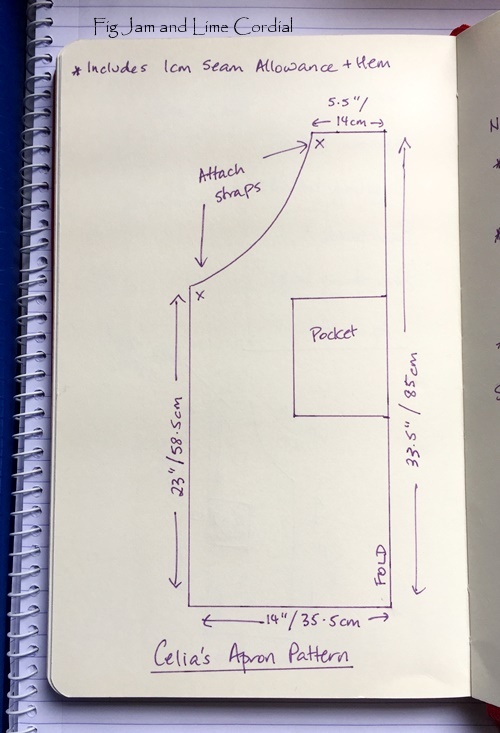
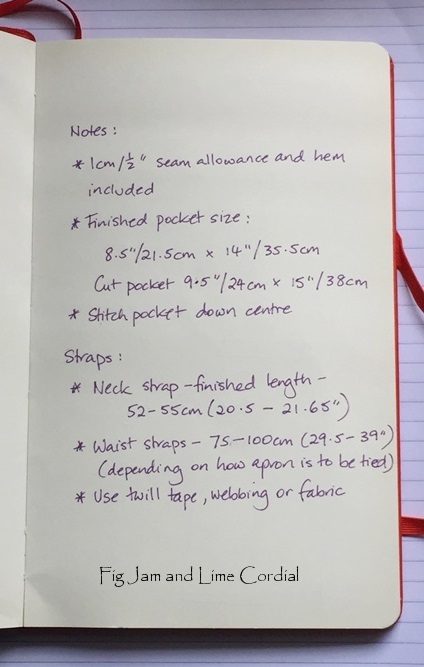






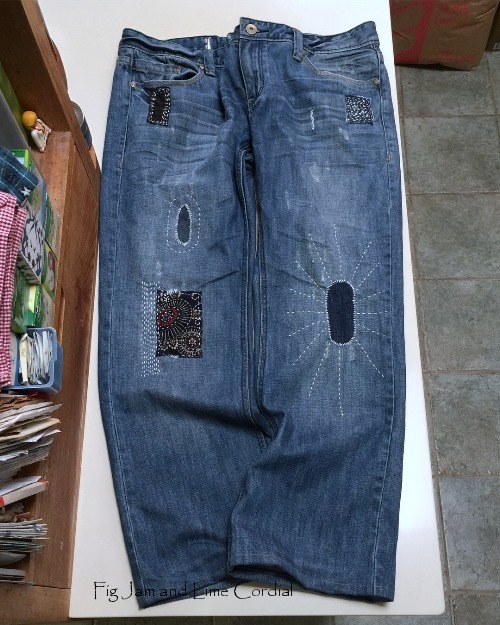

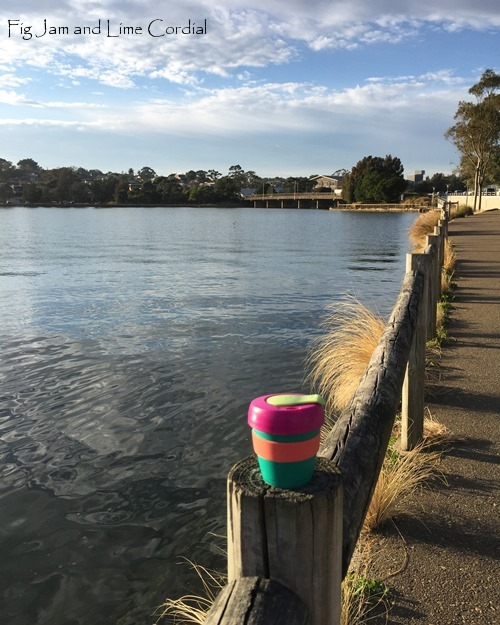








 Fig Jam and Lime Cordial