Feeds:
Posts
Comments

Archive for the ‘Garden’ Category

Wet Garden

Last week it rained and rained and rained. Here are some photos from our sodden garden – quite beautiful in its own wet way, I think!

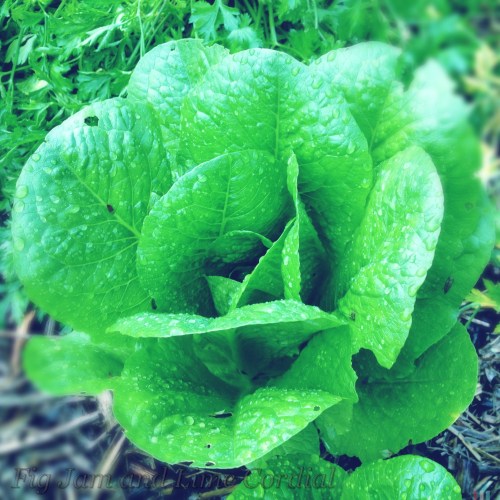
Prewashed cos lettuce (not in a bag)…

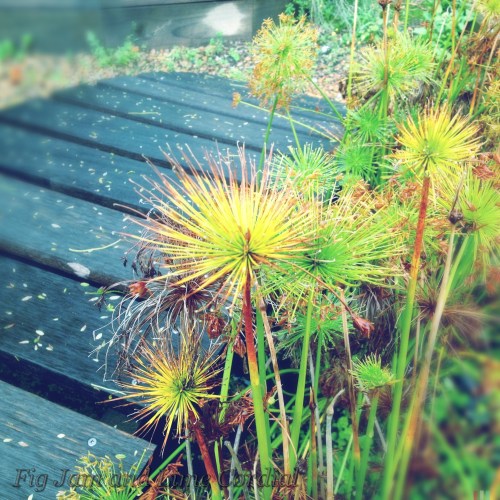
The Pond in Winter…

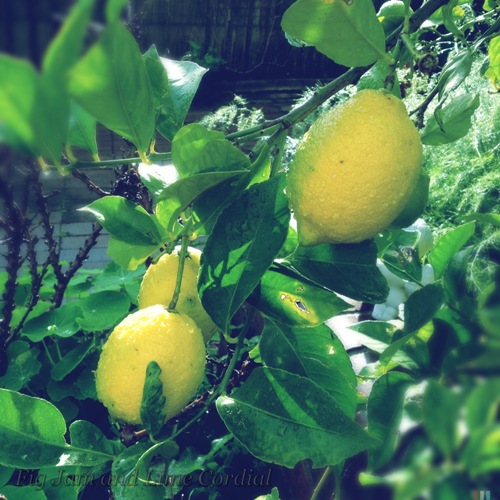
Every time I take photos of our lemon tree, I think of my friend Charlie at Hotly Spiced. She thought it was hilarious that I kept posting a photo of the same solitary lemon in every garden post for months. I didn’t have a choice – at the time, it was the only one on the tree!

Our bed of leeks…

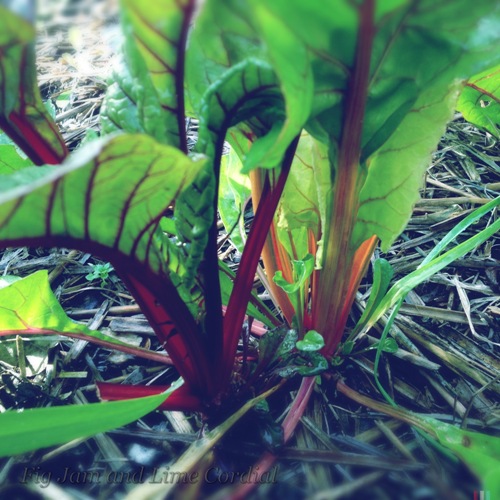
The rainbow chard is coming up with the most gorgeously coloured stems…

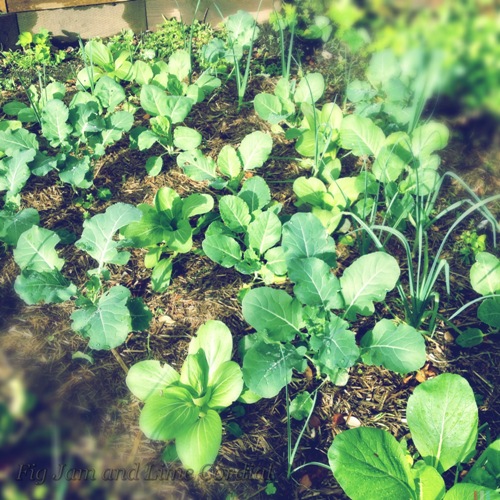
All the rain has done wonders for our recently planted bed of leafy greens…

Some wet and bedraggled visitors sought shelter on our deck…

At one point we had nearly a whole flock of rainbow lorikeets…

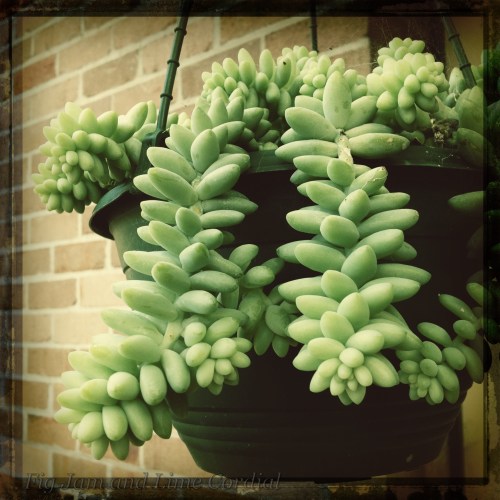
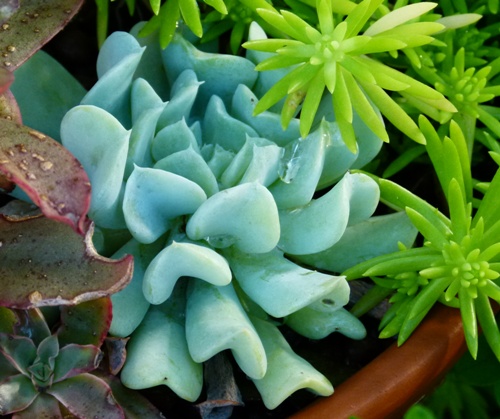
Nic’s sedum burrito is hanging safely undercover, as it doesn’t like to get wet…

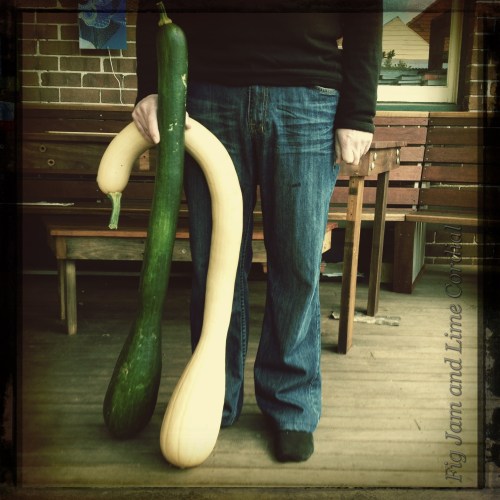
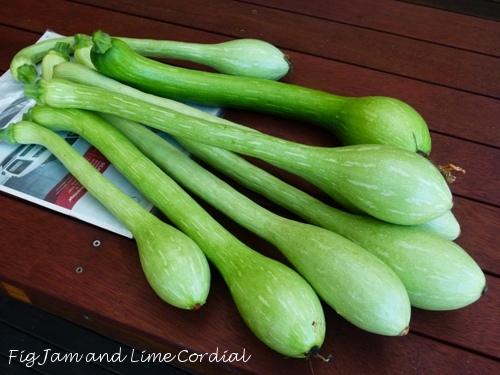
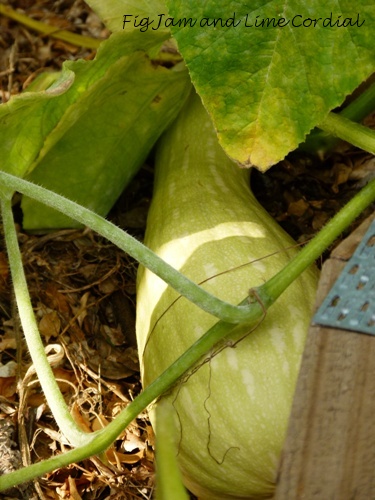
And we rushed to harvest the tromboncinos we’ve been saving for seed, before the rain caused them to split. They’ve turned into giant pumpkins!

It sounds like it’s been raining all around the world! How are things going in your garden?

Read Full Post »

Sedum Burrito

I’ve been a bit unwell.

Nothing serious, but I think I might have pushed my body a bit too hard over the past few weeks. After the family all went home on Monday, I came down with an ear infection, dizziness and simultaneously managed to put my neck out, so that I couldn’t look over my left shoulder. I must be getting old, because I’m also quite exhausted.

Yesterday my friend and neighbour Nic, who didn’t know I’d been out of sorts, left a gift on our back deck. It was a completely spontaneous act of kindness – she’d seen the succulent at a nursery and thought I’d like it. And she was right, although I don’t just like it – I absolutely adore it. It cheered me up so much that I thought I’d share it with you.

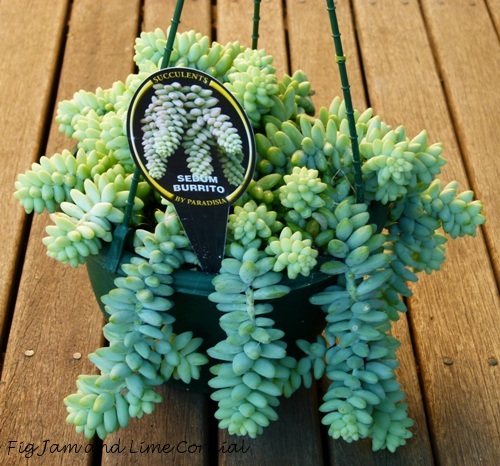
It’s a Sedum Burrito – also known as the Dwarf Donkey’s Tail – and this is the healthiest plant of it that I’ve ever seen…

It’s supposed to grow prolifically, but I haven’t had any luck with small offshoots that I’ve planted in the past.  As it’s a Sedum, it should in theory be able to grow new plants from every leaf it drops, which is a good thing, because it’s incredibly fragile. Just the lightest touch, and all the leaves fall off the stem (which is going to make repotting a tricky exercise)…

For now, we’re simply going to hang it on the deck, and hopefully the stems will grow and drape gracefully over the sides of the pot…

My friends really are the best. Thanks again, Nic, you’ve made my week!

Read Full Post »

Low Stress Gardening

There are so many parts of (all) our lives which are stressful.

The one area that we refuse to allow ourselves to become angst-ridden about is the garden. We spent considerable time and money getting it properly built and established a few years ago, and now it just co-exists happily with us – getting by on whatever attention we can afford to give it.

In the beginning, we had ambitious goals – we wanted to grow a huge variety of plants, establish an orchard of fruit trees, and be virtually self-sufficient in vegetables. Several years on, and the reality has been quite different.  We’ve discovered that some things won’t grow well here, while others don’t fit in with our lifestyle.

We have had to adapt.

. . . . .

Adaptation #1: we buy more garden products than originally planned.

We haven’t had nearly as much time or energy to invest into the garden as we’d hoped (only a couple of hours a week, if that), so we supplement with purchased garden products. We buy organic sugarcane straw to top up the mulch we occasionally make with our chipper, we buy compost to boost the chook droppings and worm castings, and we buy layer mash to feed the chickens. (As an aside, my Time=Money post seems relevant here.)

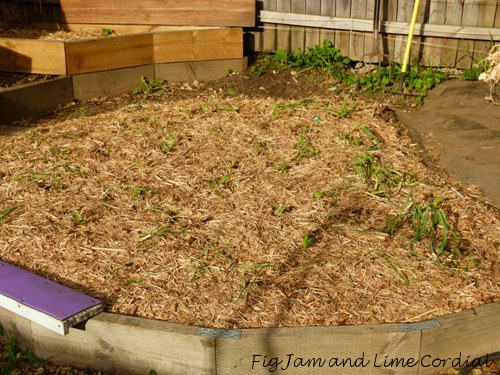
Our most recently planted bed is a good example. When we went to plant it out, we didn’t have enough seedlings ready (a common problem for us, despite our best intentions), so we went to Enfield Produce and purchased four punnets. Buying seedlings is certainly not the most economical method of gardening, but that’s okay. And for $12, we were able to fill our bed with sweetheart cabbages, Green Dragon broccoli, mixed Asian greens and rainbow chard. We also planted perennial leeks, cos lettuce and garlic…
. . . . .

Adaptation #2: we have refined our plant selection.

After a few years of trial and error, we’ve determined which plants will and won’t grow in our garden. Overlaid on top of that has been figuring out what our family will and won’t eat. For example, Brussels sprouts will grow, but not even the chooks will go near them.

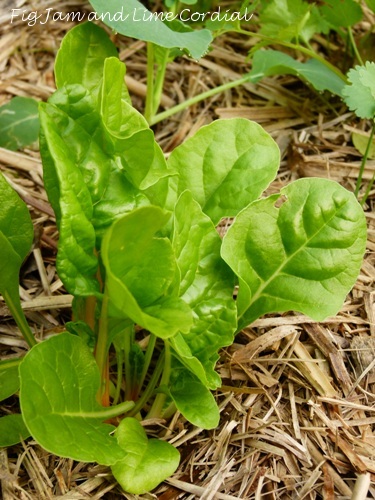
We now no longer grow spinach, which was fiddly to harvest and would invariably turn my soups green, and have opted instead for rainbow chard. Interestingly, no-one likes traditional silverbeet, but they’ll all happily eat the chard…
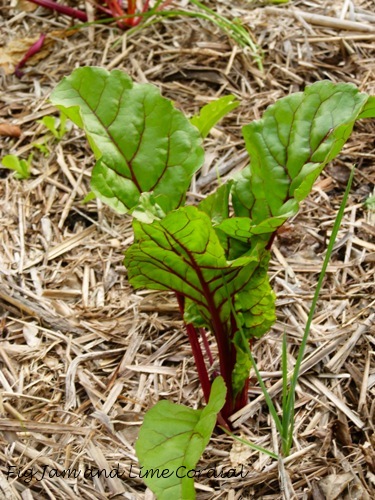
Chard grows brilliantly in our garden all through the colder months. During this time, it’s relatively bug-free. This batch were grown from last year’s saved seed, and have come up in an array of colours…
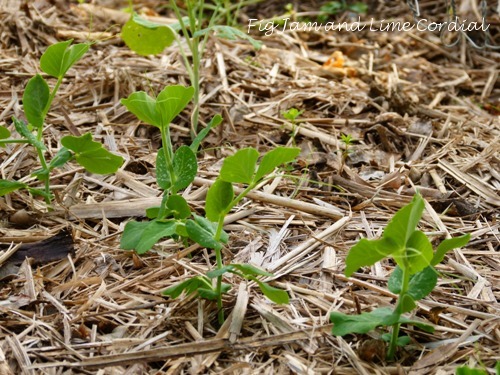
We now plant just one type of shelling pea – Willow (known commercially as Sommerwood). This variety produces fat, relatively mildew-free pods with up to ten peas in each.

There’s a wonderful story behind these – we were constantly losing plants to mildew, so I rang a commercial grower and asked if I could buy peas from them. The lovely lady who answered the phone (her name was Lyn) told me their minimum sale was several kilos worth of seed peas, which seemed a little excessive for our backyard garden.  Lyn laughed and then very kindly sent me – gratis – a handful of their experimental Willow peas.

We’ve grown them ever since…
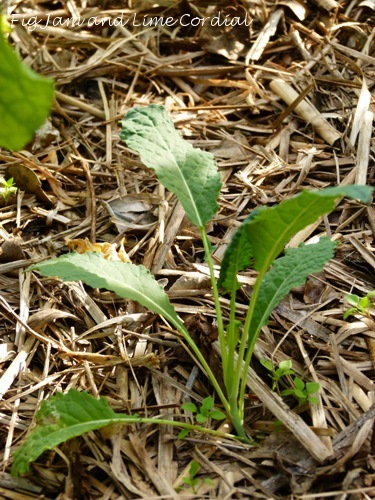
We’ve narrowed our kale plantings to just Tuscan kale (Cavolo Nero), as the curly varieties proved too tough for all of us (chooks included). They did look nice though!
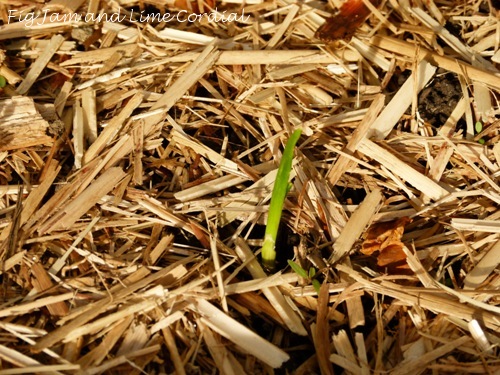
We are attempting garlic once again with a short day variety that lovely Linda has sent us…
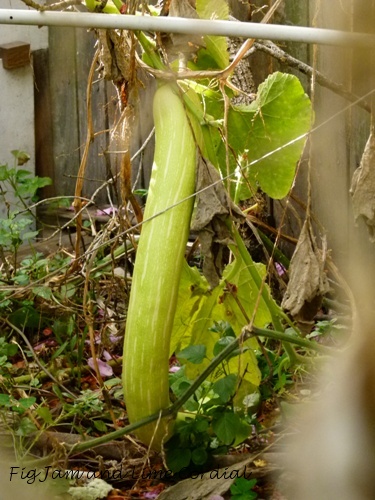
We grow tromboncinos. I might have mentioned this before (so I won’t rabbit on about them again)…
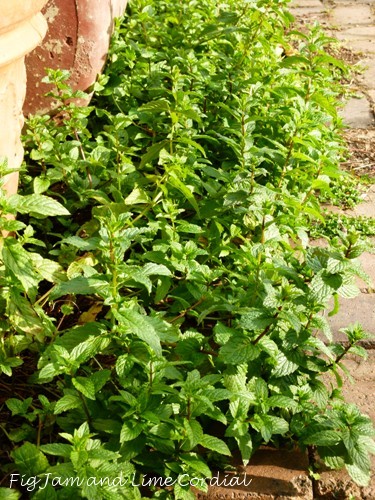
Mint is grown in a small patch of dirt in the bricks, to ensure it doesn’t take over the garden beds. We grow spearmint around the old laundry tub, and old fashioned mint in a large pot near the tap. Fancier versions have been tested and rejected…
The orchard has come and gone, and we’ve had to accept that growing organic dwarf apple trees in Sydney’s moderate clime is just too difficult. The fruit was always stunted and badly attacked by sucking bugs. We’re attempting lime trees, but they’re struggling as well – we really haven’t had a great deal of luck with dwarf varieties!

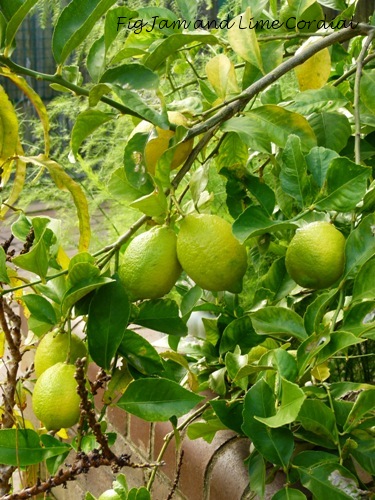
However, our bush lemon, with its thick-skinned but juicy fruit, is finally coming into its own…
. . . . .

Adaptation #3: we have stocked our garden with volunteer plants.

The term “volunteer plants” (coined by the brilliant Jerry Coleby-Williams from Gardening Australia) is the perfect description for many of the plants in our garden. Following the advice in Linda’s book, we allow the plants we like to go to seed, and then judiciously transplant the self-sown seedlings into the garden beds.

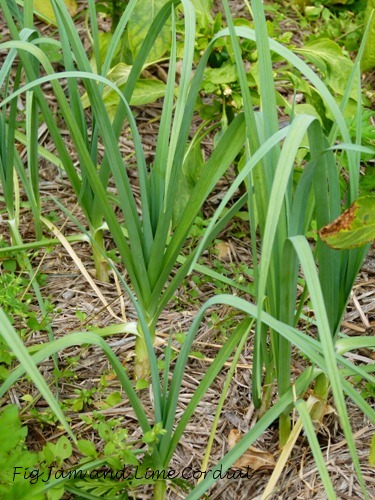
The ultimate volunteer plants in our garden are, without doubt, the perennial leeks. This is our nursery bed, where the plants seem to enjoy producing babies…
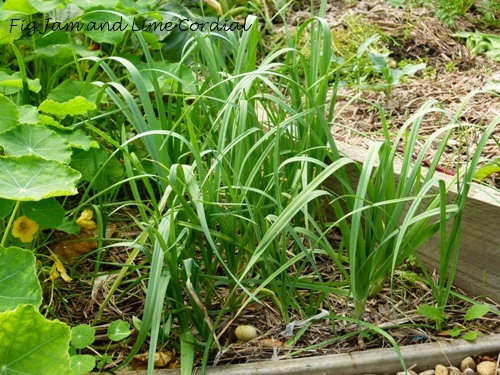
We will routinely transplant these into the garden beds to fatten up. They more than make up for the fact that we can’t seem to grow onions or regular leeks…
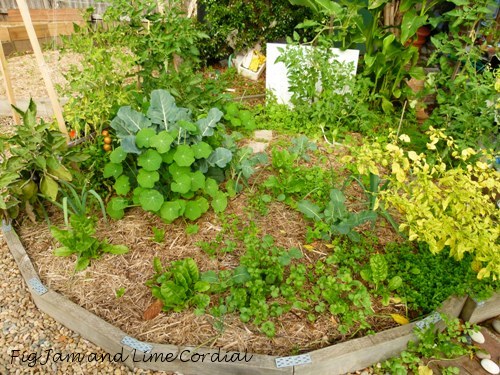
Pete refers to the management of self-sown plants in our garden as “selective weeding”. He suggested I show you this front bed as an example.  It was ready to plant out a couple of months ago – but we weren’t. So it’s stocked almost entirely with volunteer plants, all of which are thriving…
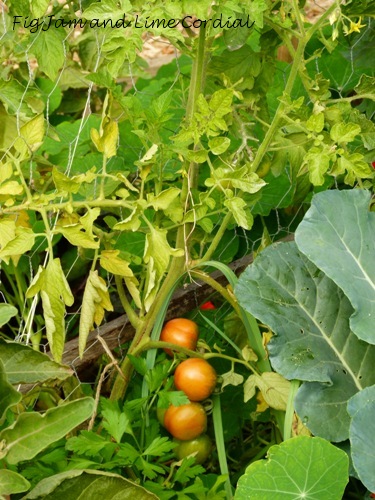
We never plant tomatoes, but in winter we’ll often let the self-sown hybrids grow – there are less bugs at this time of year, and we end up with a different variety each time. The hybrids are also more resistant to wilt, which is a problem in our garden. This year’s offerings appear to be a cross between cherries and Romas, and the first few fruits have been delicious…
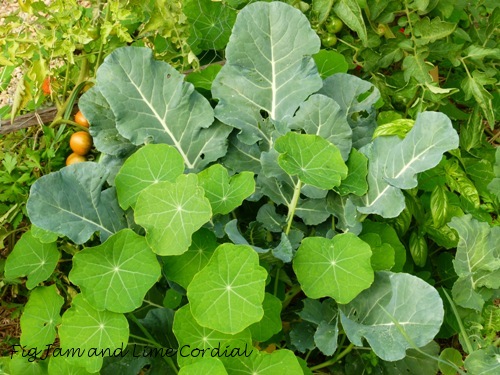
The Green Dragon broccoli plants in this bed are all self-sown…
We have a couple of healthy coriander plants growing…
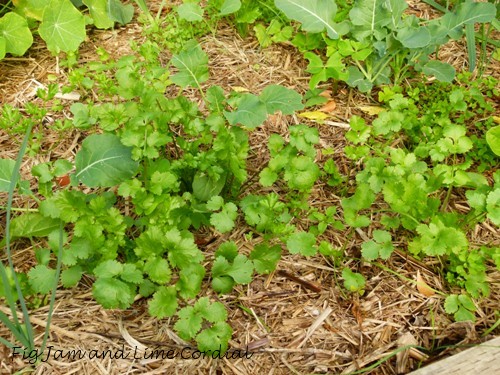
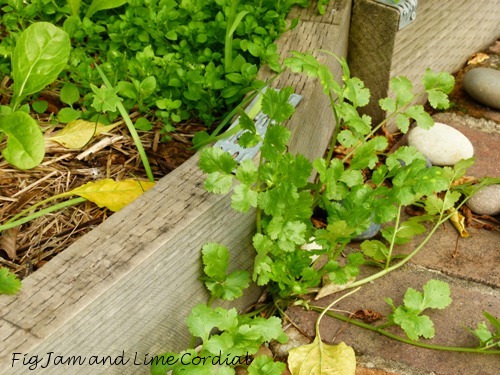
…although they don’t always germinate in the beds…
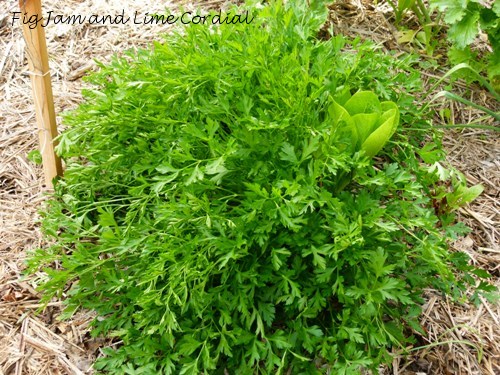
Some years, continental parsley grows rampantly in everyone’s gardens, and all the neighbours try to feed it to our chooks (who sadly won’t go near it). This season is promising to be a bumper one, if our self-sown plants are any indication. Note the volunteer lettuce growing in the middle of the parsley plant…
The cos lettuces in our garden are now second generation self-sown plants – the first ones we planted from seed were Little Gems, but their offspring were closer to a true cos. We’re now eating the offspring of those plants, and they’re extremely sweet and tender…
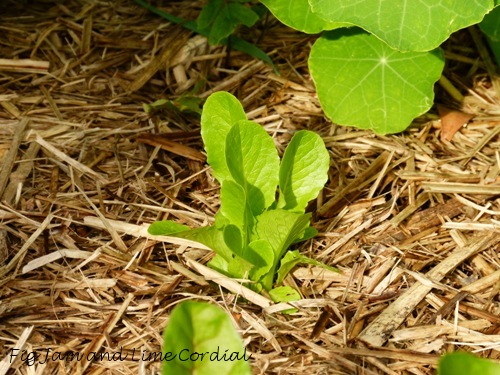
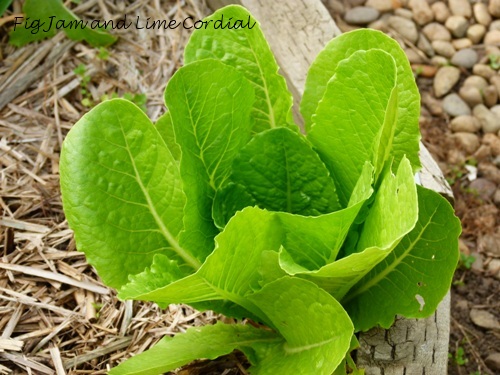
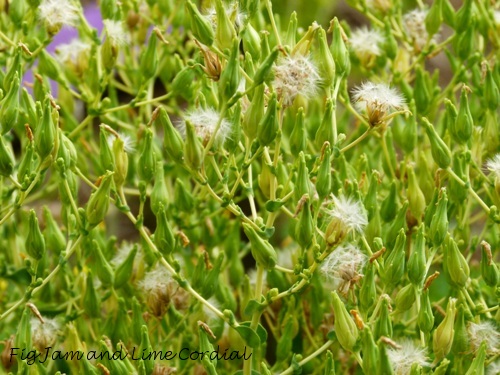
Lettuce is closely related to dandelion, as evidenced by their seed heads…
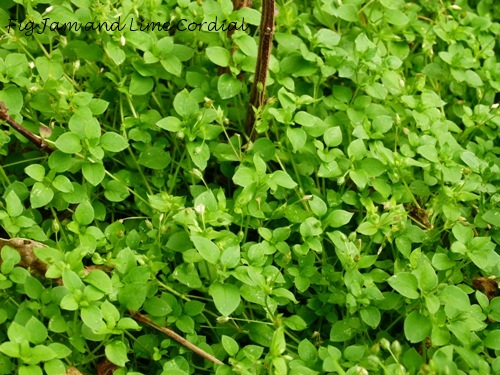
We grow at least one edible weed each season – in the colder months it’s chickweed (photo below), and in the warmer half of the year, it’s purslane.  This works well for us – both plants grow prolifically, we love eating them (as do the chooks), and they help keep the less desirable weeds under control…
Finally, we always let our rapini (broccoli raab) go to seed, because it feeds us so well. As Pete pointed out, if it had been left up to us, we wouldn’t have any rapini in the garden right now, because we were well behind schedule. But the little self-sown seedlings popped up in amongst the pebbles, and we happily transplanted them into the beds…
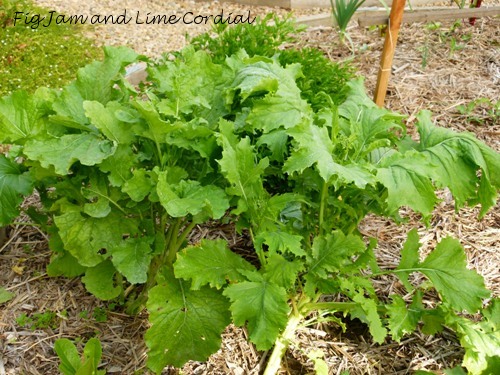
We’ve already eaten three dinners based entirely around this delicious green. Our pasta con cime di rapa comes together in just ten minutes, and tastes all the better for being almost free…

. . . . .

If you’ve ever considered growing your own vegetables, we would encourage you to give it a go. Your circumstances will be different from ours, but if you can approach the whole process with the right mindset, gardening can be a relaxing and extremely rewarding activity, and not the least bit stressful at all!

Read Full Post »

Winter Succulents

Six months ago, I had succulent mania – madly collecting and potting up a variety of plants in containers near our back deck. About half of the plants have died off, the remainder have quadrupled in size, and our pots are overflowing.

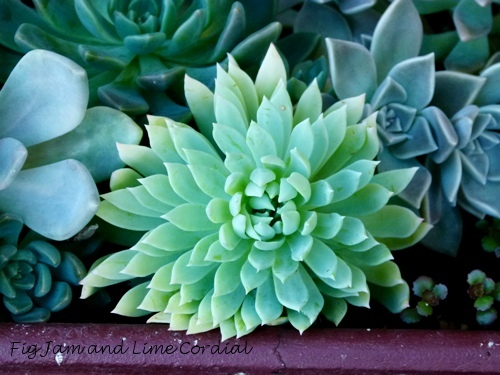
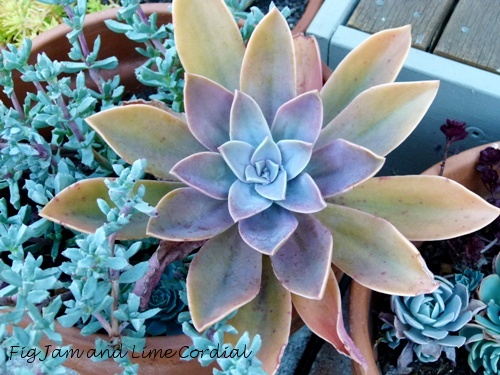
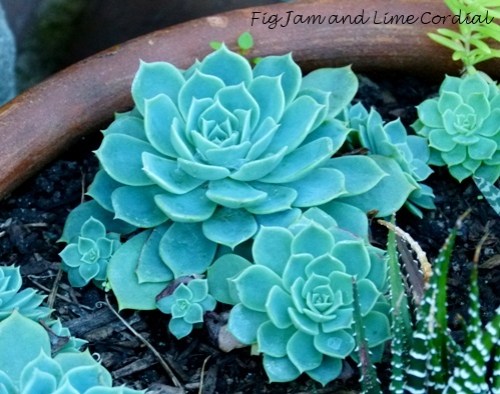
Several varieties of the assorted Graptoverias and Graptopetalums that I bought on Ebay have thrived, filling our old laundry tub to the brim. I love the subtle purple and green tones of the ones in the photo above.

One of my Echeveria Fanfares is doing very well, although the other has grown tall and ungainly…

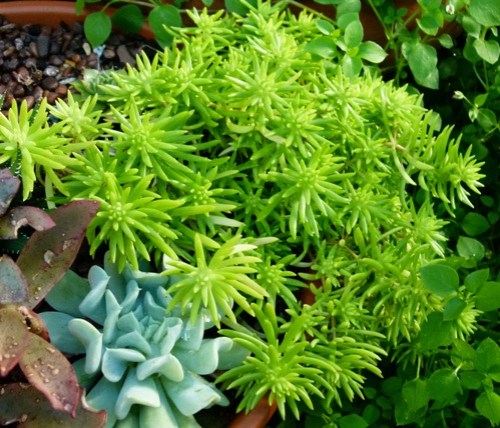
This Sedum Golden Mound came as a cutting from Nic’s garden. It grows like a weed and the colour varies from lime to a darker green, depending on the weather. It seems to like quite a lot of water…

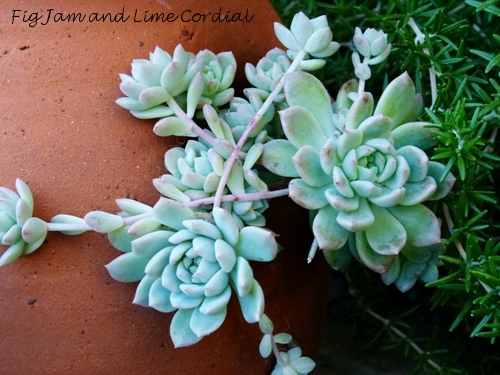
This is my new favourite – Echeveria Prolifica – it started life as a small flower head with maybe half a dozen petals. It’s growing in a strawberry pot, but I’m going to have to find a new home for it soon…

Echeveria Topsy Turvy is another favourite, with its clustered growth and grey-green leaves…

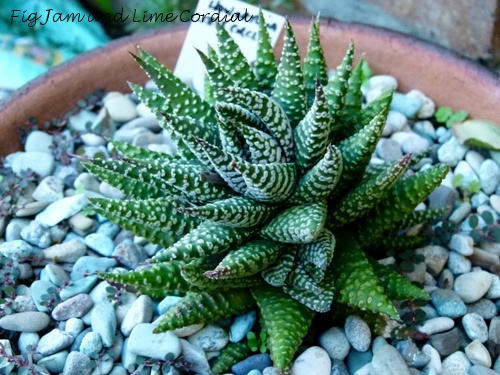
Our rare Haworthia Little Circles seems to have barely changed, although it has produced a few pups..

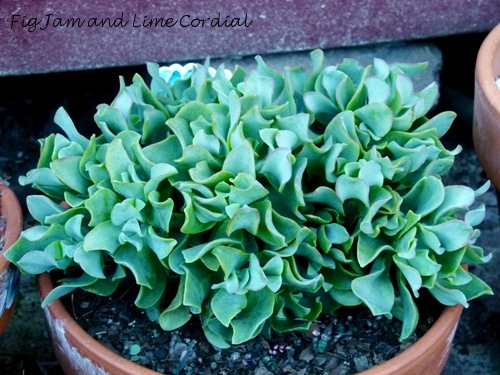
The Crassula Arborescens that I picked up at Bunnings is about ten times larger than when first planted. I adore its wavy leaves…

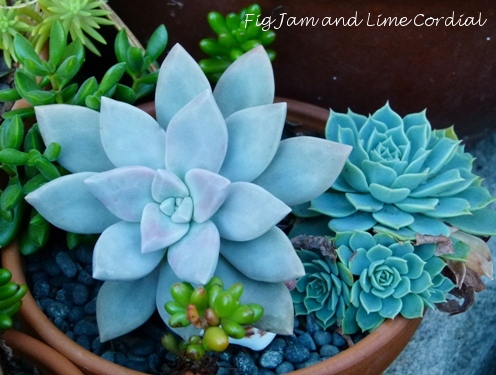
This large bloom came from Nic’s garden. I think it’s a form of Echeveria, but I’m not sure. It seems to be getting larger and larger…

It will be interesting to see how (if!) the smaller pots survive winter…

Echeveria Glauca (“Hen and Chicks”) does particularly well in our backyard. At the moment they’re madly making offsets, although I suspect that will stop now the cold weather has settled in…

More Graptoverias

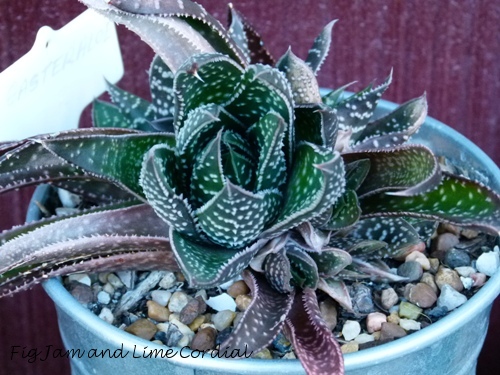
The Gasteraloe seems quite content in her pot, expanding very slowly from the base…

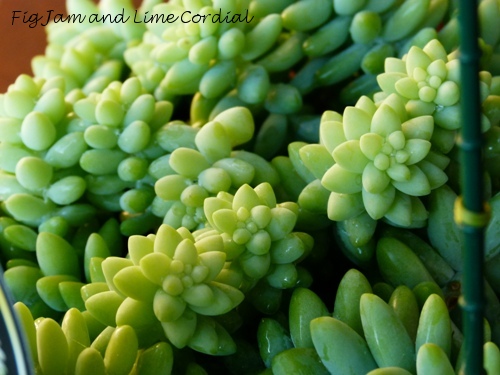
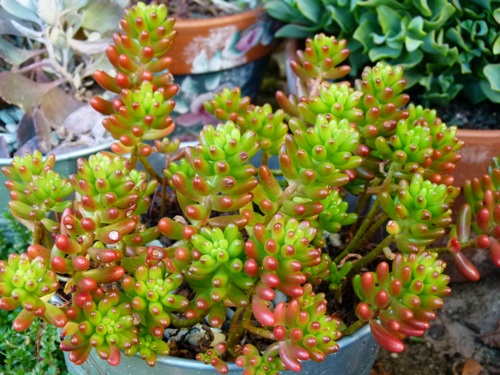
A pot of Sedum Jelly Beans began life as a single cutting from Kevin’s garden. Sedums grow prolifically under the right conditions…

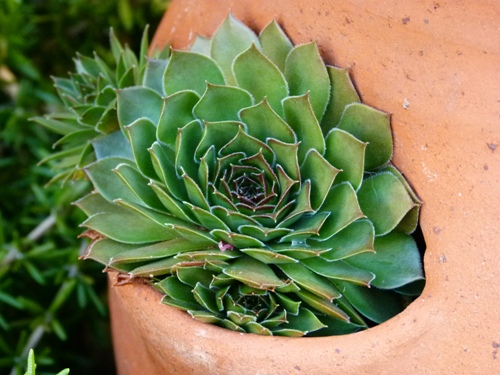
Sempervivums are an old fashioned succulent. They’re also known as Houseleeks, and used to be grown on the roofs of houses to ward off lightning strikes. The name means “always living”, and these plants are reputed to be very difficult to kill…

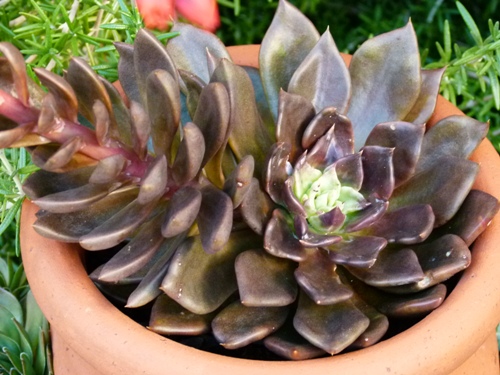
Echeveria Black Prince – we’ve noticed that the deep maroon coloured succulents in our garden tend to get very badly eaten by bugs – this one is planted in the top of the strawberry pot and has therefore escaped decimation thus far…

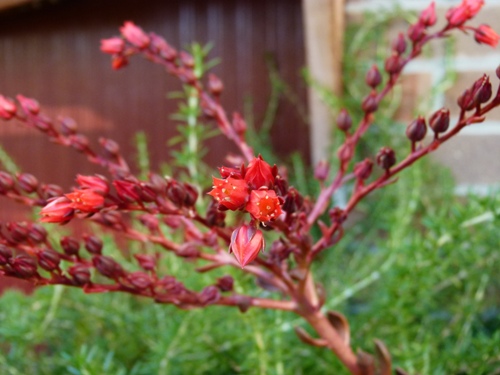
It’s just produced the most gorgeous spray of tiny red tulip-like flowers…

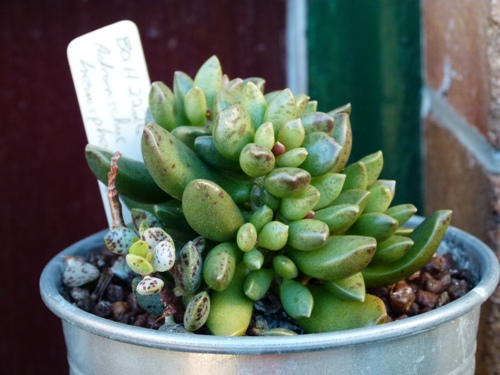
And finally, a small, slow growing Adromischus, which was picked up from the sale table at the nursery for just $2. It’s trebled in size and seems quite content in it’s little Ikea pot. Incidentally, all the plants in the metal pots seem to be doing quite well – we were concerned they’d overheat, but it now seems the reflective metal might have done the opposite. We’ll have to get some more next time we’re at Ikea (we drill holes in the bottom of them for drainage).

Do you grow succulents? If so, I’d love to know how yours are going…

Read Full Post »

Tromboncino Soup

When you grow tromboncinos, you have to accept one indisputable fact.

If the plants like your garden, then you are going to be overrun with trombies. Our four little seedlings have colonised the adjacent bed, climbed over two camellia trees and are now hanging over the neighbour’s fence. And don’t think they’ll finish up peacefully once the weather gets cold – these plants are incredibly hardy. Linda told me that hers kept producing all through winter, although ours are now struggling a bit with the recent cold change.

I’m not complaining – we’ve had a wonderful bounty, and it’s been a treat to always have a vegetable in the crisper drawer! I’ve become quite creative at using them – in everything from bhajis to warm salads to savoury slices. We’ve made grilled vegetable lasagne, stir fries (flavoured with either oyster or yellow bean sauce), added them to our pasta soups, and created a ripper satay chicken and tromboncino main dish. My neighbour Liz even brought over chocolate trombie cupcakes last weekend!

It’s probably fair to say though that the boys are getting just a teensy bit sick of them…

The most recent harvest of our rampant zucchinis (as they’re known in Italian) have been turned into a thick soup.  I’ve made several large batches and stashed them in the freezer, to be eaten over winter as simple, warming lunches (note that the soup will need whisking back to smoothness once it’s been defrosted).

The soup consisted of:

  • chopped tromboncinos (and zucchini, if available)
  • one large, peeled and chopped potato
  • Spanish onions, peeled and chopped
  • homemade chicken stock (leftover from poaching chicken)
  • salt and pepper, to taste
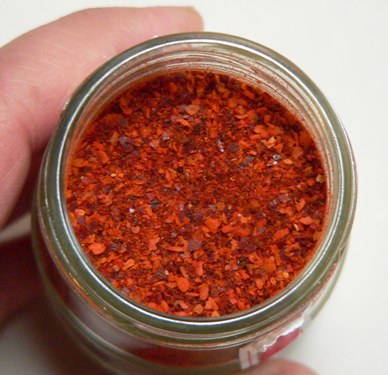
  • Piment D’Espelette (only about half a teaspoon or so to a large pot – it’s potent stuff)

All the vegetables were fried in a little olive oil until just starting to brown before adding the chicken stock. The pot was brought to a boil, and then simmered, covered, until the vegetables were soft. Then it was simply a case of blitzing the entire mixture until smooth (I used a handheld stick blender), and seasoning to taste.

It really couldn’t be easier, and I thought the end result was delicious, so I asked Big Boy to taste it for me.

“Hmm. It’s very nice, Mum. The only problem is that it tastes a bit like tromboncinos..”

Sigh. I guess I’ll be the only one eating it out of the freezer!

Read Full Post »
« Newer Posts - Older Posts »