Feeds:
Posts
Comments

Archive for the ‘green living’ Category

Can we address the elephant in the room?

As we guiltily bring home our plastic wrapped items and takeaway coffee cups, the new rules surrounding COVID19 have made life a bit trickier for those of us who were trying to minimise our impact on the environment.

Last week we visited Harris Farm in Leichhardt, usually a stronghold of plastic-free packaging, and were surprised to see that we were the only people in the store still using our mesh bags. In fact, one particularly cautious customer, wearing a paper mask, was using two plastic bags as gloves to put her fruit and veg into a third. She then discarded her glove bags after each item and got new ones. I kept my requisite 1.5 metres away and refrained from comment. People are very frightened, and  I’m certainly not going to judge anyone for doing what they feel they need to in order to stay safe at this time.

Then there are the official instructions to wash our hands for 20 seconds. We have lever taps in the kitchen thankfully, but I’m troubled by all the times a tap has to be left on for 20 seconds while folks are lathering up. Parts of our state continue to be in severe drought and strict water restrictions still apply – I’m not sure how rural folks are coping with these directives.

But on the flipside, the environment appears to be thriving with most of humanity in lockdown. For the first time in 30 years, the Himalayas are visible from the northern Indian state of Punjab, due to an unprecedented reduction in air pollution. The photo below is from this CNN article

The Dhauladhar range of mountains is visible from the city due to a drop in pollution levels.

Paradoxically, even though we’re bringing in more plastic packaging than we have in the last couple of years, our weekly rubbish output is actually slightly less than it was before lockdown. Which made me realise that a determining factor in the amount of waste we produce is not just what we buy, but how often we buy it.

We’re only shopping for fruit, vegetables and groceries once every nine days or so. The beeswax wraps are making a huge difference – using them means loose leaves and spring onions go the distance between shopping runs without turning to mush. Even more importantly, our approach to food has shifted slightly – we didn’t throw out much in the past, but now almost nothing gets wasted. As we’re all at home, leftover dinners become lunches the following day, single portions get stashed in the freezer, yesterday’s roast becomes tomorrow’s nachos.
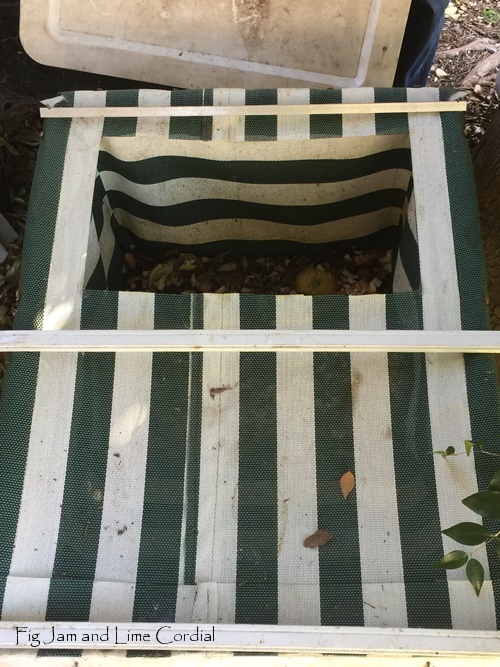
Pete has managed to perfect his soldier fly hatchery – I’m sorry, but you’ll have to Google or YouTube on how to make one, as it’s too complicated for me to describe and I don’t really understand how it works anyway. I had a quick look and found this Gardening Australia fact sheet on them.

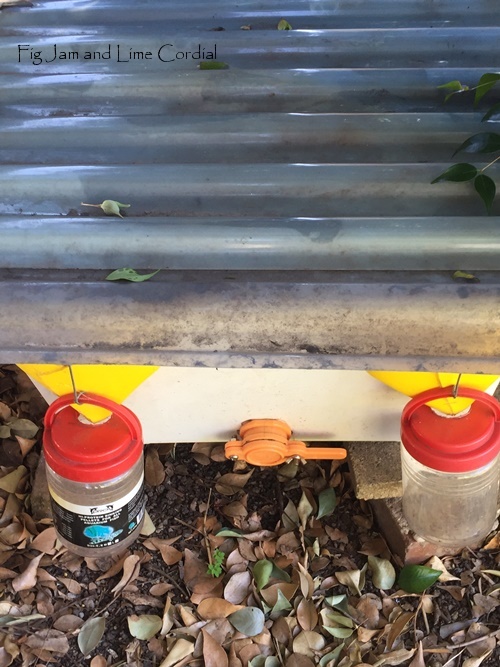
This is Pete’s second attempt, and my only contribution has been to sew seams as directed. It’s made almost entirely from recycled materials (I think he bought a honey tap for it), including the boys’ old toy box, shade cloth from Reverse Garbage, a leftover bit of roofing and two used kimchi containers.
In our backyard, particularly in the warmer months, it works brilliantly. Much better than the Bokashi bucket. The soldier fly larvae voraciously gobble up all sorts of food scraps and leftovers, and then pupate into what can only be described as chicken crack – the hens completely lose their minds for them. We had at least 30 little pupae to feed them yesterday. Coupled with our two worm farms, almost no food scraps other than bones and avocado pips end up in the red bin these days.
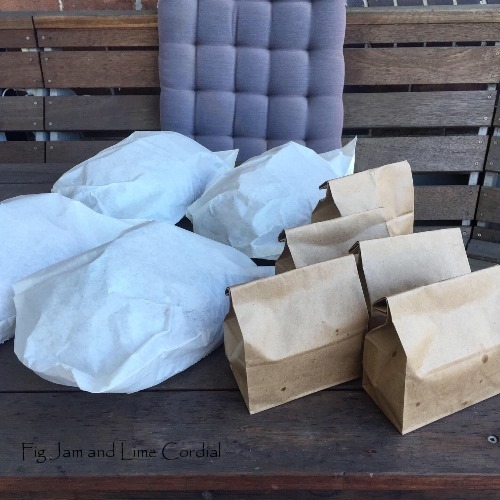
At home, we’re doing our best to toe the sustainability line – we’re still using our cloth napkins, teflon baking sheets and crocheted dishcloths. All the neighbourhood bakes are going out wrapped in paper. I have had to use plastic bags to share bread flour, because exploding paper bags loaded with kilos of wholemeal are never a good thing. Buying in bulk and decanting continues to work well – we end up with one large plastic bag which we try to reuse, rather than ten small ones. And we’re still taking our reusable mesh and cloth bags to the shops when we do go.
Ordering in has been tricker – we had an arrangement with our local Japanese restaurant to provide them with our own platter, but that’s temporarily on hold as all food outlets are obliged to use disposable serving ware at present. That means we’re not able to take our own KeepCups to cafes either – as a result, I’ve only had three takeaway coffees since lockdown began. And even though I’m keen to support our local restaurants, we haven’t ordered many takeaway meals – partly because it’s never quite as good as the food we make at home, and partly because Small Man gets very distressed by all the single use plastic coming into the house.

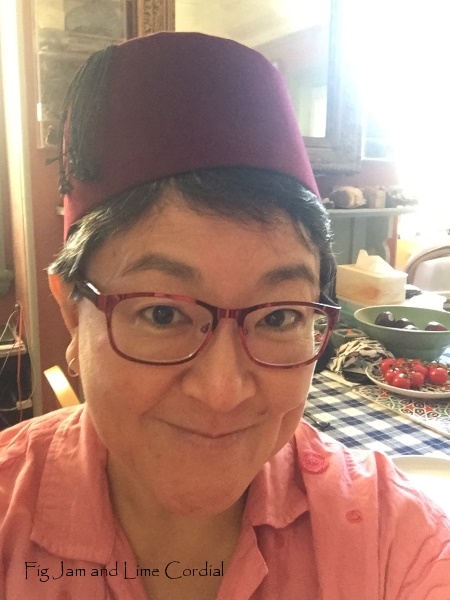
Going out so infrequently means we’re using less than half the petrol we were pre-lockdown. And as we’re not going anywhere, clothes are getting washed less often, shoes aren’t wearing out, and bad hair days have given me the perfect excuse to don increasingly bizarre hats.
As you might recall, we had solar panels installed at the end of last year, and a Tesla battery at the start of 2020.

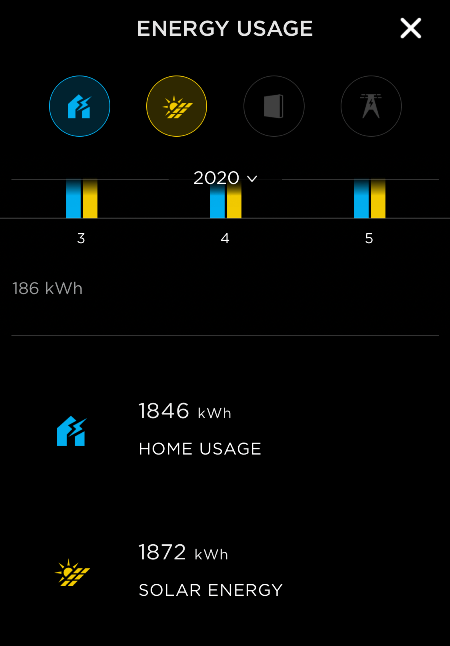
So far, it’s been fantastic. It used up the funds we’d been saving for a new car, but it was well worth it – since the battery was installed, we’ve achieved carbon neutrality (just) in electricity terms. We’ll still have a utilities bill to pay, because we’re charged three times more for the power we draw down from the grid than for the kilowatts we send to it, but that’s okay – our motives for making the shift were never purely financial. We won’t be able to perform as well in winter, but it’s encouraging to know that it’s definitely making a difference. Here are our stats at the time of writing…
Hmm. It’s always good to write this stuff down. It’s been simmering in the back of my brain for a while now, but it’s nice to have an opportunity to put my thoughts in order.

So here’s what I think.

During this slightly crazy time, we can only do the best we can in unprecedented circumstances. There’s nothing to be gained from beating ourselves up over things which are outside our control. Instead, let’s continue to nurture our green mindsets and try to make sustainable choices from the options presented to us. We can’t buy loose salad leaves at the moment, but that’s ok. What we can do is make them last longer by storing them carefully and not wasting any of them. We can support our communities and be more waste-conscious at home, particularly if we find ourselves with a bit more free time. And we can take the lessons we’re learning during this crisis – on frugality, kindness and creativity – and use them to live richer and more rewarding lives post-lockdown.

I hope you all have a lovely, gentle day, dearhearts. Thank you for letting me ramble on. ♥
Read Full Post »

April Mending

I love mending!

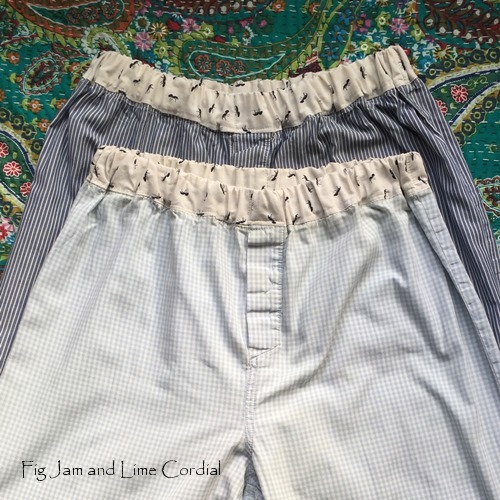
Well…I love easy mending. Small Man’s Landsend pyjamas were not easy mending. I had to unpick the triple-stitched-in elastic and replace the entire casing. It took hours (quite literally). The first pair were a bit dodgy, so you’re only getting to see the other two…

But it was worth it, right? The pjs are in pretty good shape after five years of constant wear, so this quick slow fix should hopefully give them another year of wear!

. . . . .

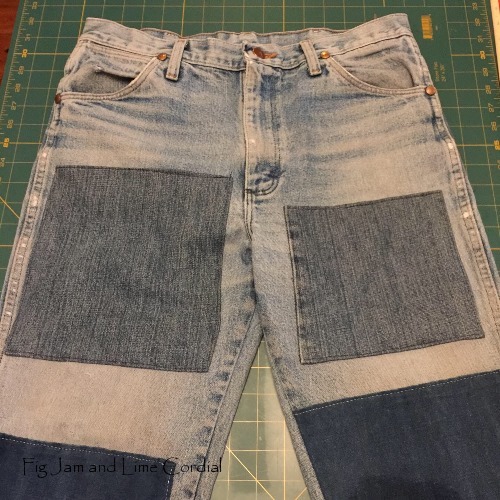
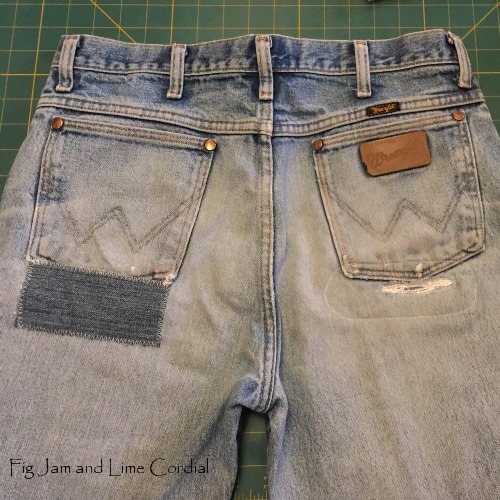
My friend Ian’s work jeans also came in for another repair. Farmers are hard on their jeans – I suggested wearing leather chaps but Ian wouldn’t have a bar of it (which is the Aussie way of saying that he wouldn’t even consider it)…

His heavyweight Wranglers are incredibly sturdy, so they’ve always been worth mending. They’ve still got quite a lot of life left in them!

. . . . .

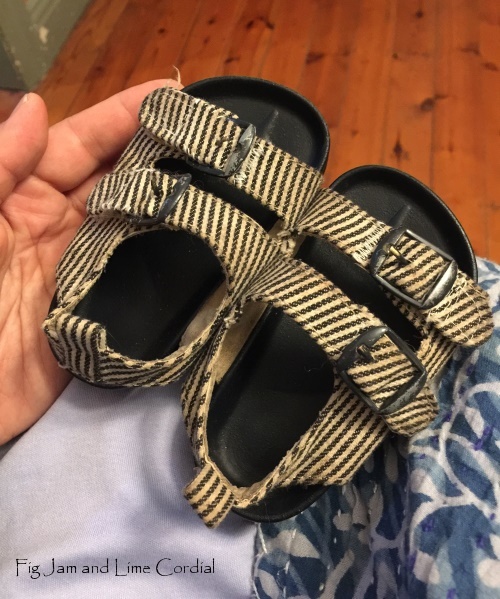
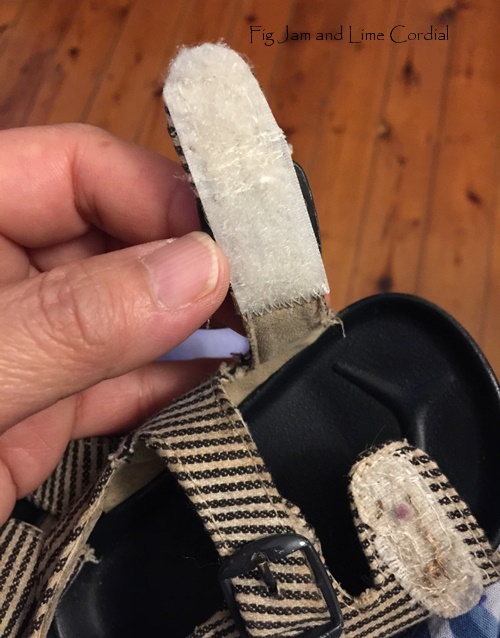
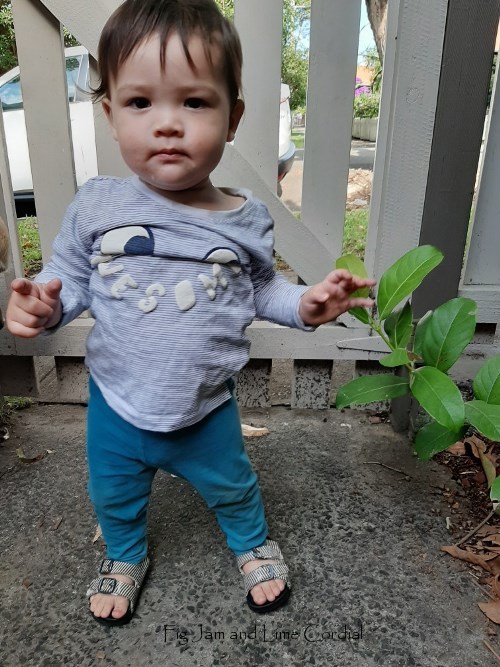
Finally, Eli’s old shoes were dropped off for a quick fix so that his baby brother Seb could wear them. Aren’t they the cutest things?

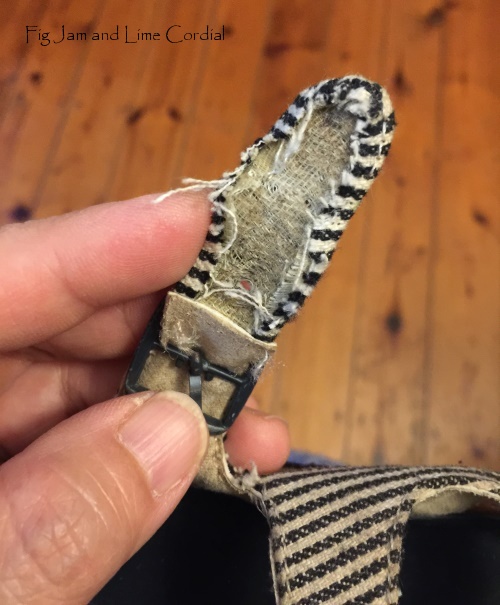
I stitched the hook side of the velcro down, then replaced the loop section on the front straps, just to make sure they stayed on securely…

It was a messy job, but it only needs to last a very short time…

And here’s my young neighbour, up and walking just before his first birthday!

. . . . .

If you’re a mender too, you’ll understand the joy that comes from breathing life into something that might otherwise have been thrown away. I’d love to know about your latest project!

Once we’re able to let go of the notion that repairs need to be invisible – once it can be seen as a point of pride and the continuation of a story – then mending becomes easy, functional and rewarding. And often unexpectedly beautiful! ♥
Read Full Post »

This week, I’ve been extra grateful for my large supply of beeswax wraps.

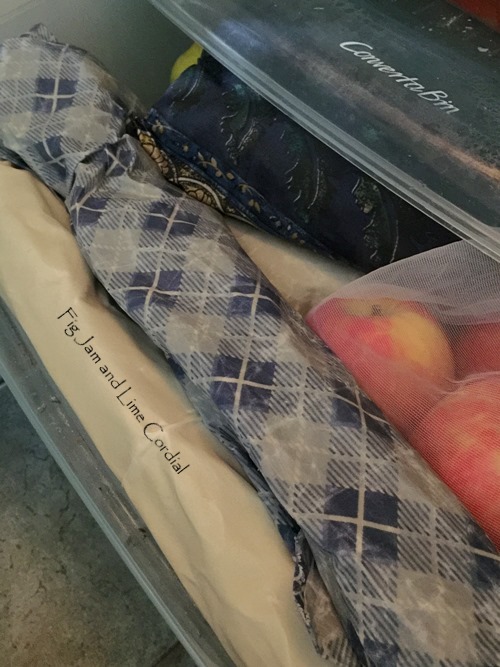
Now I know I bang on about these ad nauseam, but in a time when we’re supposed to be staying home and only going out to buy essentials, they’ve proven invaluable. By keeping our vegetables fresh for longer, they’ve greatly reduced the number of times we’ve had to leave the house.

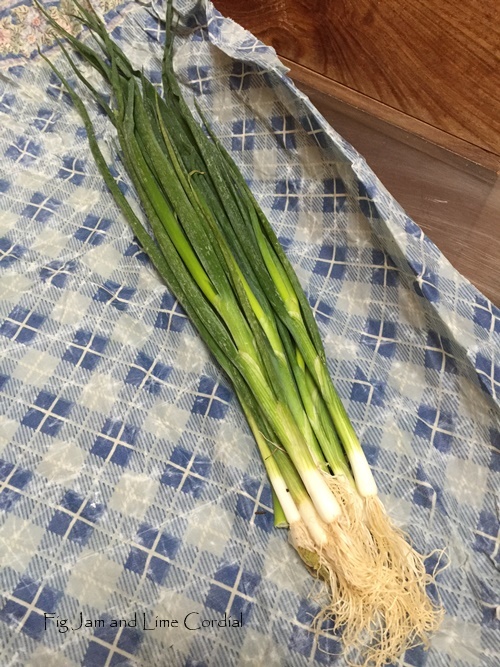
Best of all, they work brilliantly. Take the spring onions above. That photo was taken NINE DAYS after we bought them. I haven’t edited or filtered it in any way – we’ve had a few wilted outer leaves, but no sliminess. So far this week, our wraps have kept cos lettuce, spinach, rocket and eggplant as good as new for over a week. The only real problem is remembering what’s in the fridge at any given time!

So if you haven’t already done so, now might be the time to make some beeswax wraps. Hopefully you can do it without leaving the house! You can order beeswax foundation sheets online (check out candle making business online, or try etsy, amazon or ebay) – make sure to buy pure natural uncoloured beeswax. In the past I’ve bought beeswax sheets from both Stacks of Wax in Newtown and E. C. Tobin in Raglan, NSW. Rummage through the linen closet for old cotton bedsheets that are past their best and cut them up. You’ll also need an iron, some parchment paper and an old towel to protect your ironing board.

Then grab a helper (two sets of hands are useful), read our updated tutorial and have a go! ♥
Read Full Post »

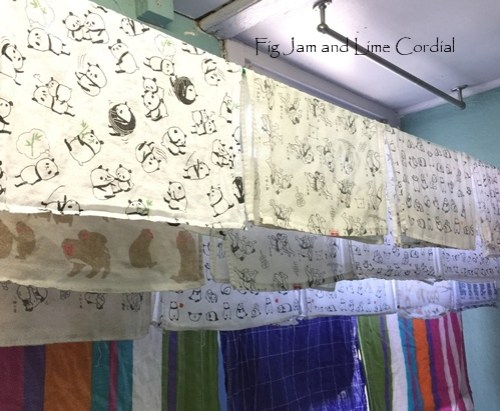
It’s been almost two years to the day since we posted our Homemade Beeswax Wraps tutorial and over that time, we’ve fine-tuned the process.

Well, more specifically, Pete has. Here are his top tips on how to make a perfect beeswax wrap at home. If you haven’t already done so, please read our original tutorial first, or what follows won’t make much sense.

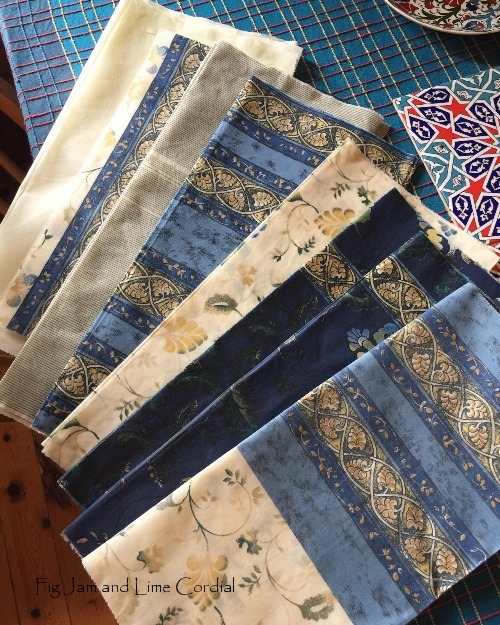
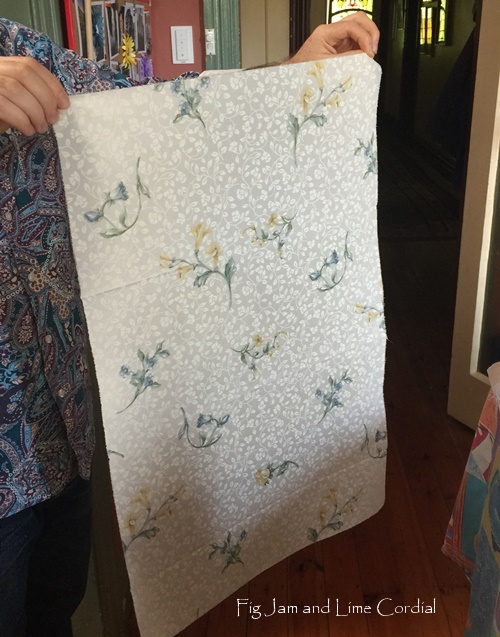
Tip #1: We’ve found pure cotton sheeting to be the best material for our wraps. What you’re after is a fine weave cotton that can absorb as much wax as possible without ending up with big patches of solidified wax on the surface. The more wax the fabric can absorb, the longer the wrap will last. As an added bonus, sheeting is colour-fast, which is very important. We use Sheridan sheeting offcuts that I bought from Reverse Garbage 20 years ago for the wraps we give away, and our old bedsheets for the ones we keep. Wash any new fabrics first, as you won’t be able to launder them again after the wax is added.

Tip #2: Use pure, uncoloured beeswax foundation sheets. We currently buy these via mailorder from E. C. Tobin in Raglan, NSW (who are wonderful to deal with!), but it’s only economical to purchase from them in bulk because of shipping costs (I usually buy 40 sheets at a time). If you’re looking for just a couple of sheets, try local candlemaking or beekeeping suppliers.

Tip #3: Cover your ironing board with an old bedsheet or towel. We also use extra large sheets of parchment paper to minimise seepage onto the board (a common brand here is Glad Bake, but we buy extra wide rolls of a commercial brand from Harkola). If you don’t have access to really large parchment sheets, you might  want to cut the size of your wax sheets down a bit.

Tip #4: Each foundation wax sheet is enough for between six to eight layers of fabric, depending on the thickness of the cloth you choose to use. The Sheridan offcuts are perfect if folded seven layers thick. As the wax sheets are 8″ x 16.5″ (20.5cm x 42cm), we cut the fabric into 58″ x 18″ (147cm x 46cm) strips. Often we will use two lengths of 29″ x 18″, as we’ve found them a bit easier to handle than one giant piece of fabric.

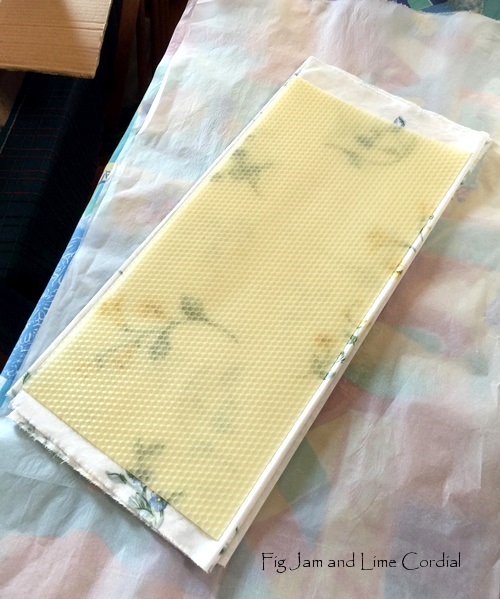
Tip #5: Fold the fabric CONCERTINA STYLE (ie. accordion fold). This makes it massively easier to unfold at the end, and also ensures you don’t end up with too many thick folds for the wax to soak through. Lay the sheet of wax on top…

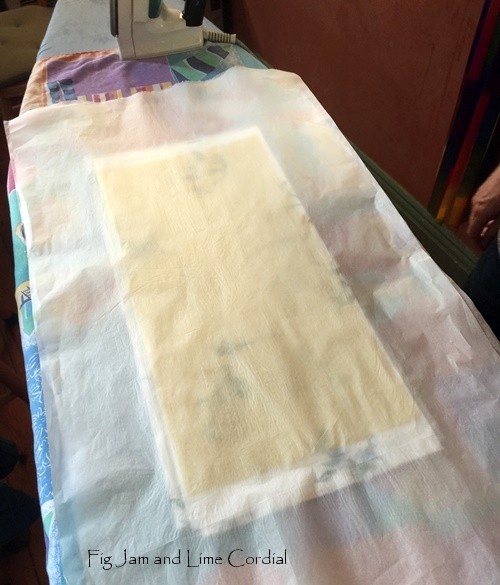
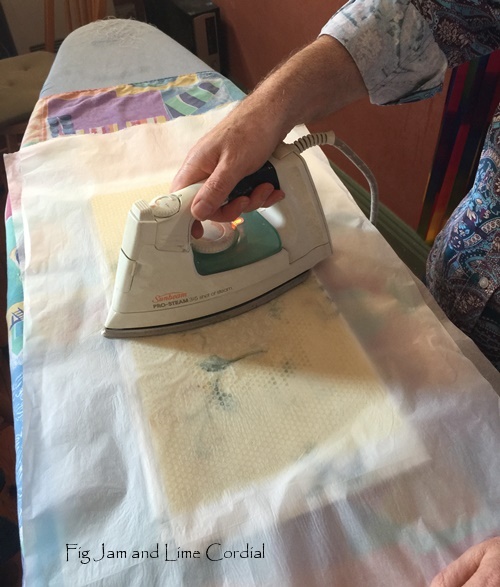
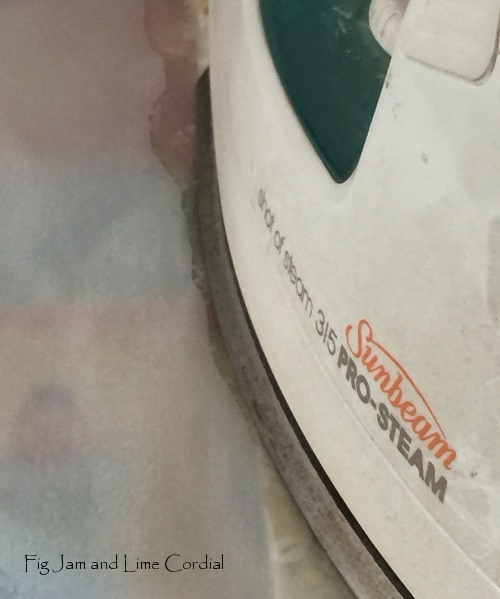
Tip #6: Pay attention to which side of your parchment paper is facing the wax, or you could end up with wax all over the iron (we learnt this the hard way). Place the fabric and wax between the two sheets of parchment, making sure to leave a margin for the wax to seep out.

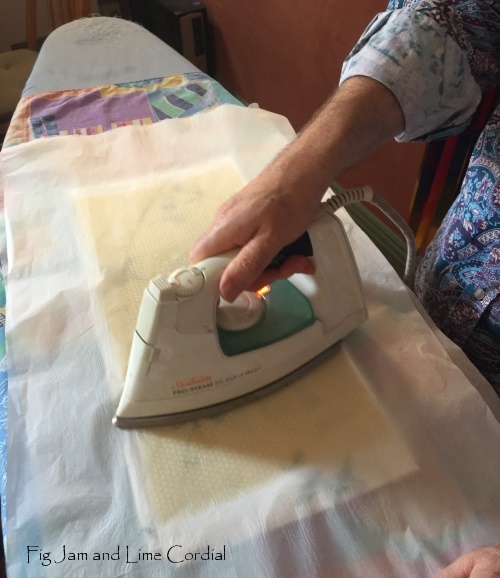
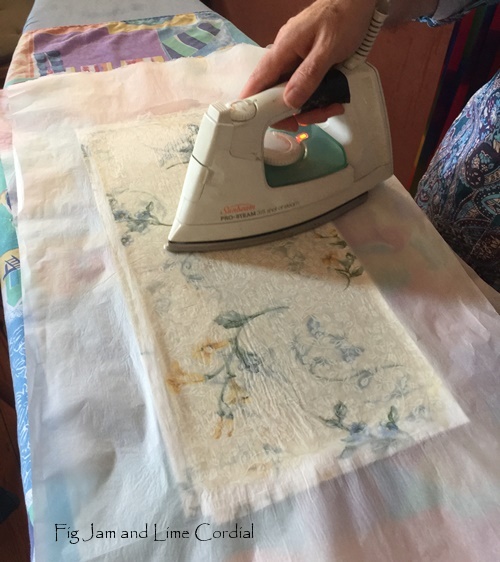
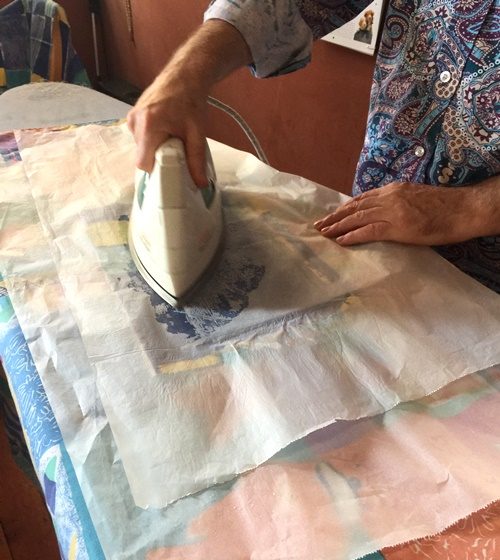
Tip #7: Set the iron to DRY (not steam) and preheat to COTTON. Starting in the centre, use the iron to melt the wax into the fabric. Don’t push hard at this point. The goal is simply to melt the wax gently into the fabric – this could take a few minutes. If you push too hard the melted wax will be forced out before it’s had a chance to soak through. Keep going until the honeycomb pattern has disappeared and you can see that all the fabric up to the edges and corners is wet from the wax.

Tip #8: THIS IS PETE’S TOP TIP! Once the fabric is fully soaked with wax, start from the centre and gently try to “squeeze” the wax out by ironing towards the outer edges. Push/scrape slightly with the side of the iron until you see wax seeping out onto the parchment. This will ensure that you’re not left with large white patches of wax on the finished wrap. So basically the principle is: soak the fabric with wax, then gently push out the excess. Work around all four sides of the folded cloth.

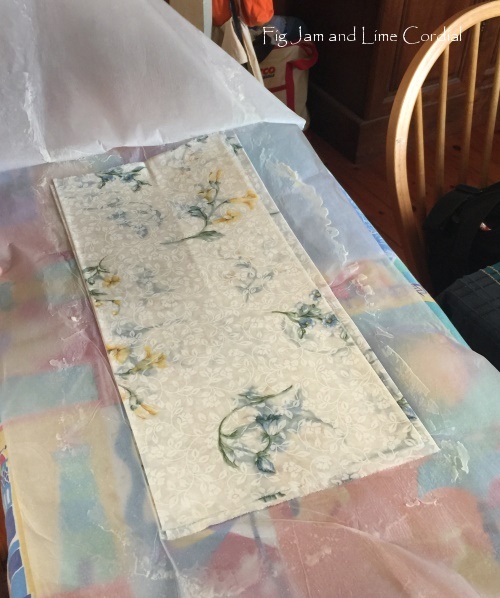
Carefully peel back the parchment – you can see below how the surplus wax has been squeezed out…

Tip #9: very carefully lift the waxed fabric (it will be wet and hot) by the corners (if you’ve folded it concertina style, it should unfold as you lift) and wave it around to cool it down a bit. It will become manageable very quickly. Lay it over the back of a chair or on a drying rack to cool completely. The wrap below was 18″ x 29″ – we had two of them layered under the wax sheet, both folded 3½ times to make a total thickness of seven layers.

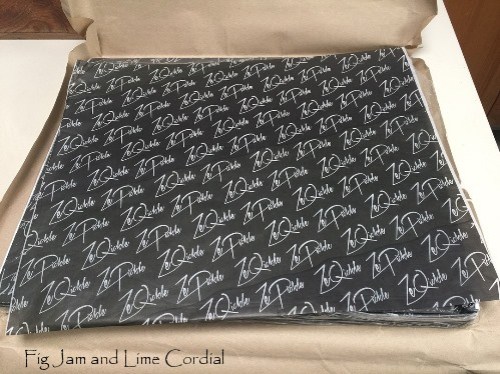
Tip #10: I wrap the sheets in my rescued Reverse Garbage paper to keep them from drying out. They also keep well stored in a reusable plastic box.

Tip #11: Clean the parchment sheets by ironing the excess wax onto a spare piece of fabric – over time, you’ll collect enough surplus wax to make another wrap.

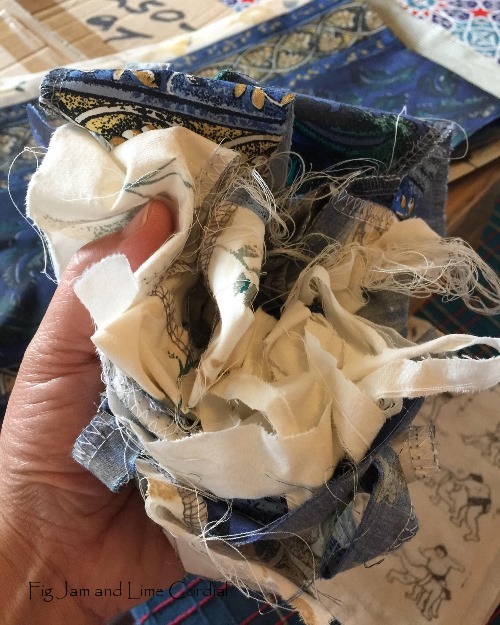
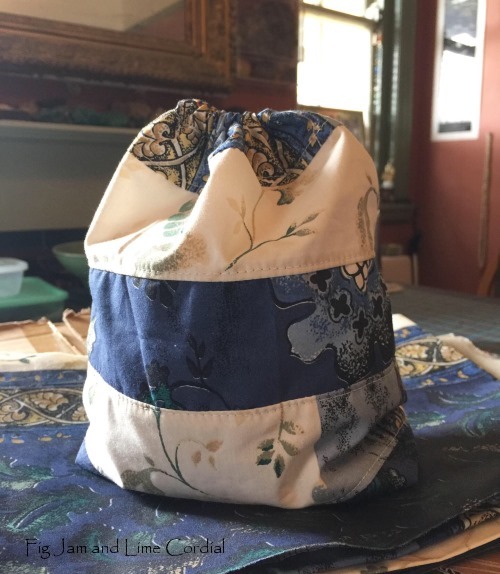
Tip #12: If you can sew, turn the leftover scraps into a little drawstring bag!

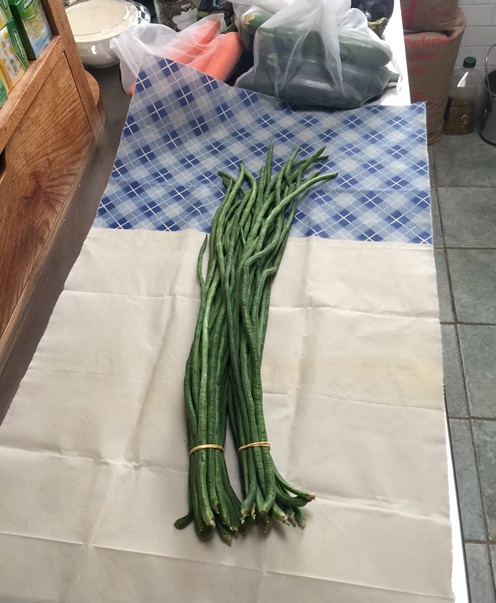
The advantage of making the wraps in this way is that you end up with a much longer sheet than is commercially available, which is useful for wrapping everything from loaves of sourdough to snake beans. Oh, and they also cost a tiny amount compared to bought beeswax wraps – the ones we made from our old bedsheets cost us less than $1.50 each for a huge 29″ x 18″ wrap! 💚🌿

Read Full Post »

Sustainability Working Bee

A friend mentioned recently that her daughter was saddened by what she saw as a widespread sense of apathy about environmental issues.

“I have an idea…” I said “Let’s have a sustainability working bee! We’ll get together and mend things and swap clothes and anything else we can think of!”

Over the course of a couple of weeks, the idea evolved into a fully planned out day. As I mentioned it to friends in passing, the number of eager participants grew, and so it was that 19 of us gathered together at our house yesterday for crochet and beeswax wrap making lessons, sewing projects, good food and great conversation.

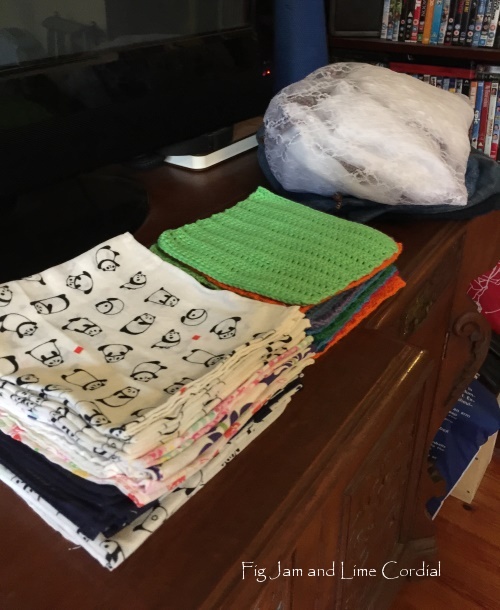
I’d made a stack of cloth napkins, lace vegetable bags and crocheted dishcloths as gifts…

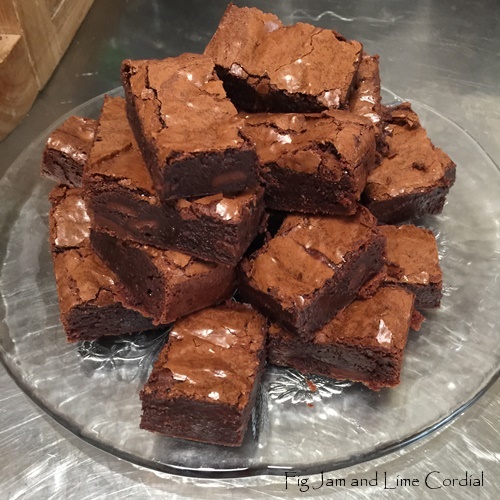
We served up a big cheese platter, smoked salmon, freshly baked baguettes and chestnut flour brownies. My darling friend The Norsk Nymph provided incredibly delicious gluten-free treats. I was having so much fun that I completely forgot to take photos of any of it except the brownies…

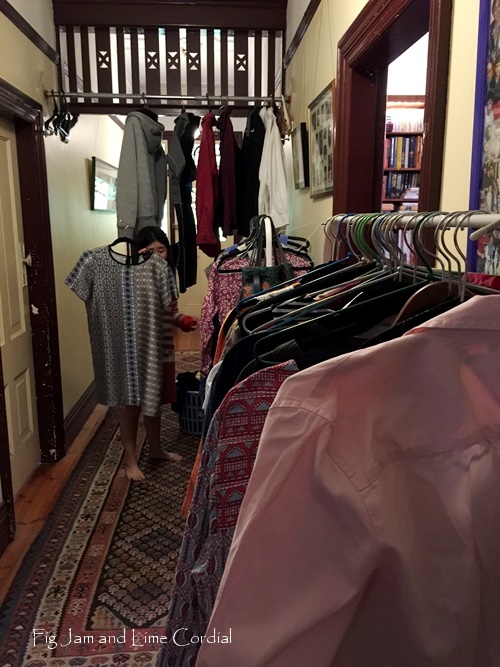
We set up the clothing swap in the hallway, which worked brilliantly! “Swap” is probably a misnomer, because our system was: donate anything you DON’T want, take away anything you DO want. All the leftovers have now been stashed into t-shirt bags for donation to the Salvos.

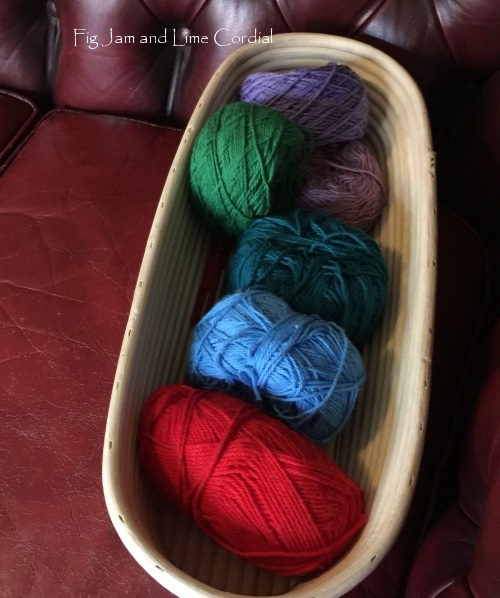
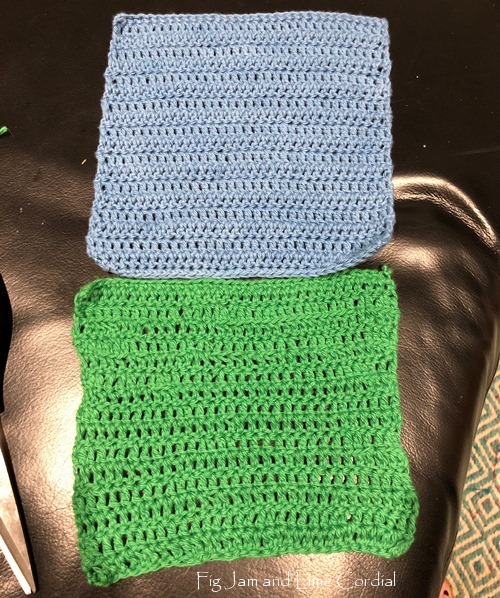
Maude gave crochet lessons to anyone who wanted to learn – I’d been to Reverse Garbage and the Salvos to source used hooks and donated all of my half finished balls of cotton…

Meg’s first attempt (in green) was seriously impressive!

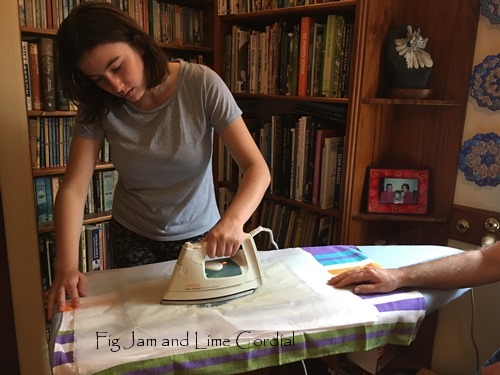
I’d ordered a stack of beeswax sheets for the occasion and Pete taught everyone how to make their own wraps. He’s the world’s most patient man, according to my friends…

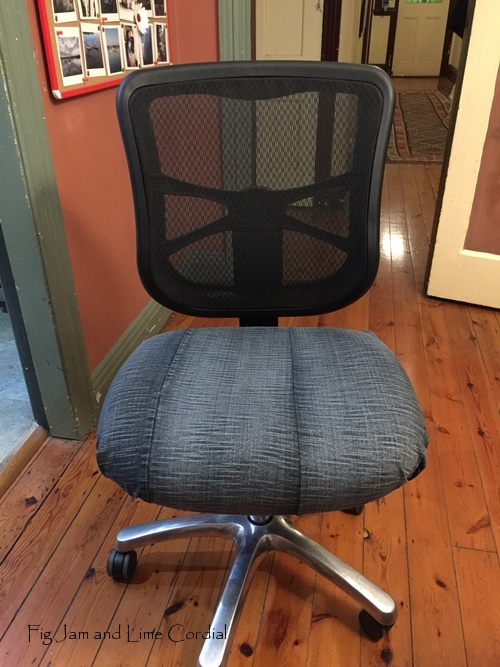
We put my sewing machines to good use and mended Cake’s vintage chenille bedspread and hemmed Ilaria’s too short dress into a top. Pete and I used a pair of old jeans to reupholster Bernie’s office chair…

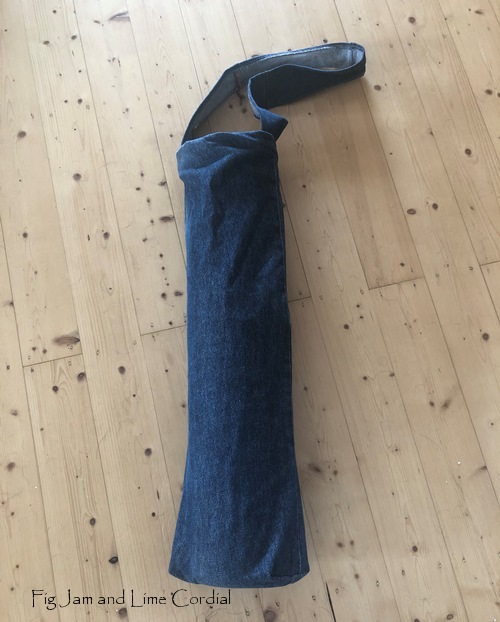
The Norsk Nymph asked for a bespoke yoga bag, which came together in minutes from another pair of old jeans (it’s a basic reworking of this bag)…

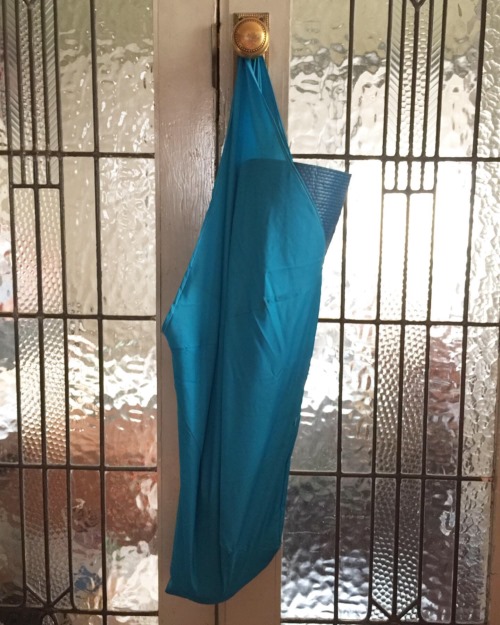
I gave pilates instructor Meg a different yoga bag that I’d made earlier from an old umbrella skin…

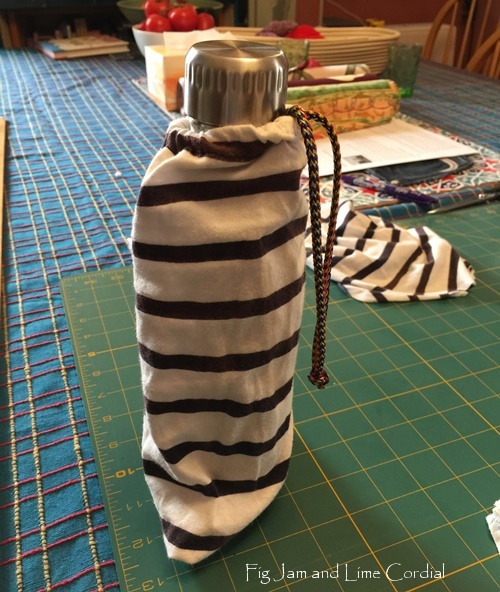
Jenni was very happy to turn her old t-shirt into a bag. The sleeves then became a water bottle holder and a polishing rag…

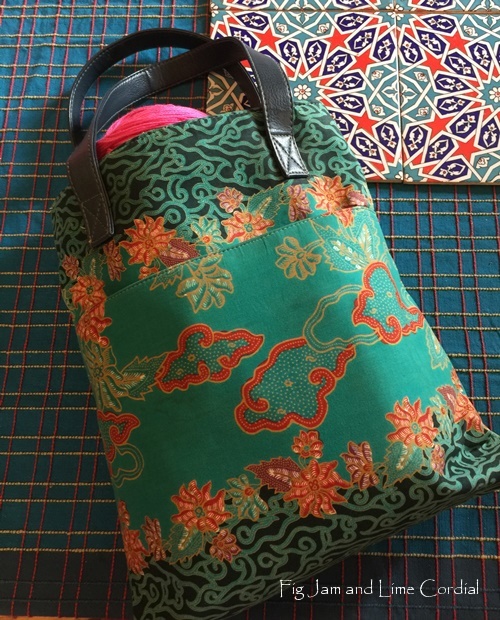
I, on the other hand, was delighted with this gorgeous bag that she donated to the swap – it was the perfect size and shape for a crochet bag!

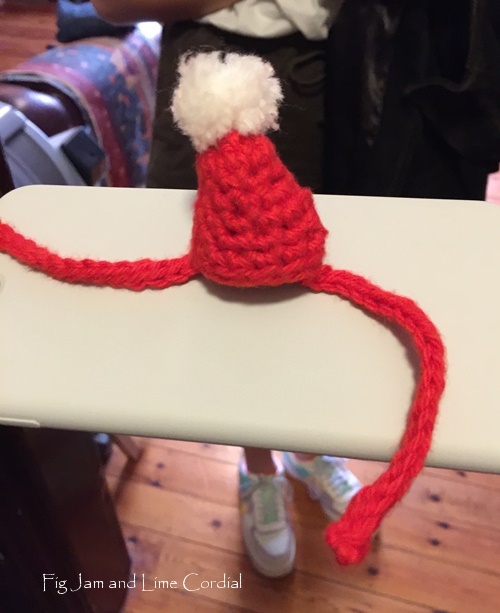
Perhaps the quirkiest request of the day came from Tara, who wanted a crocheted Christmas hat for her brother’s snake. Maude was happy to oblige! Tara was thrilled, but disappointed that she had to wait before trying it on as the snake had just shed its skin and needed to be left alone for a few days (she’s promised to send a photo when it finally happens!)…

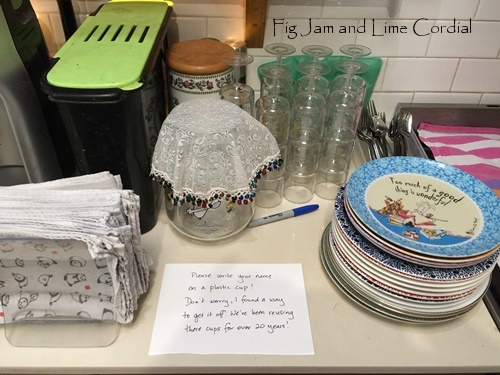
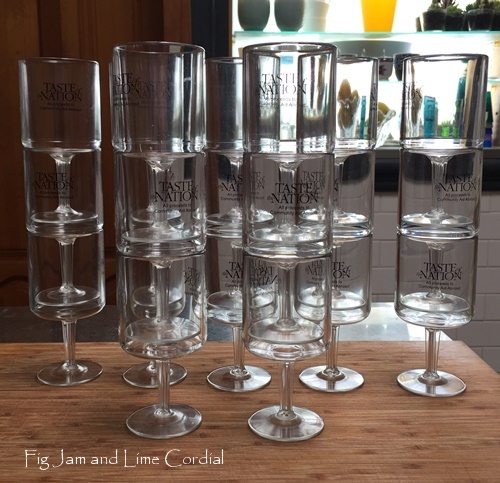
Our Sustainability Working Bee was as waste-free and low carbon as we could make it – we used hard plastic glasses that I’d bought from Reverse Garbage in the late 90s. They get pulled out whenever we have a gathering of more than a dozen people. I figured out yesterday that a small melamine cleaning cube will scrub permanent marker off the plastic, which meant we could write names on them…

Our cloth napkins have now been in use for two whole years and they’re still good enough to use for guests (granted, my standards aren’t overly high – I’m happy so long as they’re not too stained). The napkins wash easily and line dry in a flash – no ironing required…

Finally, our newly installed solar energy system meant that even though it was 34°C yesterday and the house was full of mostly menopausal women, we were able to run the air conditioner on eco mode and still be off the grid! Yay!

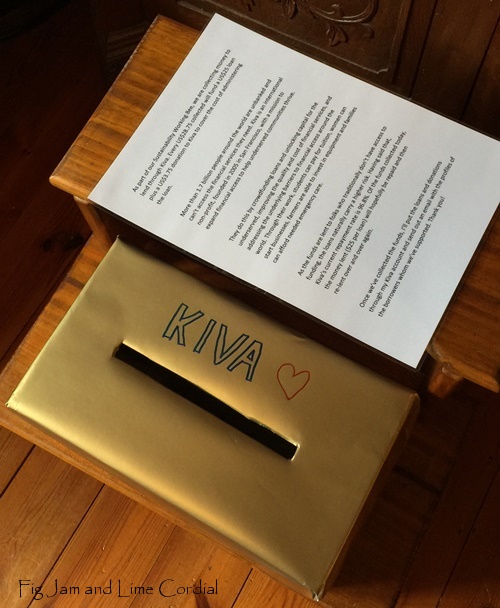
The day before the working bee, I emailed my friends and asked them if they’d be interested in adding a charitable component to the day. I suggested that if everyone donated a couple of gold coins, we might be able to raise enough to fund a Kiva loan (US$25)…

And because I have ridiculously generous friends, we actually raised enough to fund four loan contributions!

It was truly such a memorable day, and I’d urge you all to consider getting together with your own friends and neighbors and starting something similar! Even if you’re not particularly crafty, just swapping clothes rather than buying new ones will reduce your carbon footprint.

It’s also incredibly rewarding to see the knock-on effects from an event like this – for example, we have several friends now discussing renewable energy with their partners. After yesterday, I think we’ll all look at our possessions a little differently, thinking twice before discarding or donating, and more importantly, before buying new.  And hopefully the younger folk who were here will have left feeling a little more optimistic, knowing that some of us really are trying to live more sustainably.

Let’s keep the momentum rolling towards a greener future! 🌿💚

Read Full Post »

« Newer Posts - Older Posts »