It’s deliciously buttery, yet only has 40g of butter in the mix, making it a reasonable lower-fat substitute for brioche. The overall preparation time is quite short – whereas regular brioche can take a full day or more to prepare, a batch of this dough started at 9am would easily be ready for lunch. Best of all, it works brilliantly in a variety of different forms, making it great for shaping!
This morning I made a double batch of the dough, using 50:50 bakers flour to plain (AP) flour. This was divided into one 500g and two 600g pieces.
The 500g dough was shaped into a linked chain loaf, following the step by step instructions at The Shiksa Blog. It’s an easy loaf to make, and involves shaping five fat rolls into linked rings, and then joining the last ring to the first to form a closed circle.
. . . . .
One of the 600g pieces of dough was divided into six long thin rolls, then shaped into a Winston knot – a tricky woven design from Jeffrey Hamelman’s Bread book. It was moderately successful in form, but I think I’ll need to try with a larger quantity of dough next time. The crumb, though, was perfect.
. . . . .
The remaining 600g piece of dough was divided into eight balls, which were packed snugly against each other in a parchment lined loaf tin. The end result was this gorgeous faux brioche, with its wonderfully tender texture. Here are a couple of crumb shots to tempt you!
Edit: Today’s loaf: a simple six braid design baked in a loaf tin…
Every month, the Mellow Bakers nominate three recipes from Jeffrey Hamelman’s Bread for a group bake-off. September included the recipe for Soft Butter Rolls, which appealed to me in its simplicity, but not in its form.
I decided to try making the dough into a braided loaf, and was absolutely thrilled with the results! The bread is quite reminiscent of brioche (albeit a little denser), which is surprising given the relatively small amount of egg and butter in the dough. It worked beautifully into logs for plaiting, and held its shape well on baking.
I’ve made the recipe three times now, each with a slightly different mix of flour. The lighter loaf above was made with pizza flour, but the darker four-strand braid below was made with half bakers flour and half plain (AP) flour. I think both options give the bread a more tender crumb than straight bakers flour.
It’s quite hard to explain how to braid, and difficult to take photos as I didn’t have a free hand, but I found this wonderful YouTube clip for the six braid which you might find useful. If you have Hamelman’s book, I used the six braid (method two) on page 304 for the loaf above, and the four braid on page 300 for the two smaller ones below.
Braided Loaves
(adapted from Jeffrey Hamelman’s Soft Butter Rolls)
500g (4 cups) pizza flour or 50% bakers flour and 50% plain (AP) flour
230g (1 cup) water
1 egg
40g (3 tablespoons) butter
30g (2 tablespoons) sugar
25g (3 tablespoons) powdered milk
11g (2 teaspoons) fine sea salt
4g (1 teaspoon) instant dried yeast
melted butter, for brushing
Note: I used the metric amounts (converted from the imperial provided in the book); the cup and spoon measures are as listed in the original recipe.
1. In a large mixing bowl, combine the flour(s), sugar, milk powder, salt and yeast. Cut the butter into small pieces, and rub it into the dry ingredients until crumbly.
2. Add the water and egg, and mix with your clean hand, squelching the dough together to make sure it’s well combined. Scrape off your hand, cover the bowl with a tea towel and allow the dough to rest for 10 minutes.
3. Spray a clean bench with oil, the turn the dough out and knead it briefly until it develops a silky elasticity. Spray the scraped out mixing bowl with oil, then return the dough to the bowl, cover with cling film and allow to prove for about an hour and a half. The dough won’t rise much, but it will soften in that time.
4. Turn the dough out and divide it into six equal pieces for the six-braid loaf, or eight pieces for two four-braid loaves. Roll each piece into a long log, and then braid accordingly. Lay the loaves onto a tray lined with parchment paper. Spray a piece of clingfilm with oil, then fit it snugly over the top of each loaf to keep out draughts. Allow to rise for a further 30 minutes to one hour. Preheat the oven to 200C (400F) with fan.
5. Remove the clingfilm, brush the loaf with melted butter and bake for 20 – 25 minutes, rotating the tray halfway through the baking time. When the loaf is cooked through, remove from the oven and brush again with melted butter while it’s still hot. Allow to cool on a wire rack before photographing and scoffing!
The dough recipe is sufficient for one large six-braid loaf or two smaller four-braid ones. The latter are pictured below, and were made with a mix of plain (AP) and bakers flour. As these were smaller, they baked a little browner, but the bread was still tender and delicious. We’ve just eaten the last of the loaf sliced up and cooked as French toast!
Edit: Serendipitously, Brydie has just posted about plaited loaves as well. Maybe it’s the weekend for braiding bread! If anyone else makes a loaf, let me know, and I’ll add the link here…
I was keen to try making heart-shaped rolls, after seeing them on a Valentine’s Day episode of River Cottage recently.
Google turned up fabulous instructions here, and the technique adapted well to my sourdough rolls. I lowered the hydration in my dough a little to help it hold the shape.
Begin by shaping the proved dough into balls – mine were about 160g each…
Roll one end of the ball into a point – I did this by rolling the dough between the palms of my hands…
Snip through the fat end of the roll with a pair of kitchen scissors…
Now turn the dough “ears”, so that the cut surfaces are face down…
Place on a parchment lined tray, and cover first with a sheet of greased clingfilm, and then with a tea towel. Allow to prove.
Slash the hearts if desired, then bake as you normally would for bread rolls. Mine took 15 minutes at a preheated 220C with fan, followed by a further 20 minutes at 175C with fan (which is standard for my sourdough recipe and oven). Serve to people you love!
As I mentioned in our nasturtium pesto post a couple of weeks ago, we’ve been pickling nasturtium “capers”. Based on a recipe from Pam Corbin’s Preserves, these are simple to process and, whilst they’re not really that similar to true capers, they do add a peppery crunch and tang to salads and sandwiches.
15g salt
100g nasturtium seed pods
peppercorns (optional)
bay leaves (optional)
200ml white wine vinegar
1. Begin by picking nasturtium pods – below is 100 grams worth from our field of green..
2. Dissolve the salt in 300ml of warm water to make a light brine. Allow to cool, then soak the cleaned seed pods in the brine for 24 hours.
3. Drain the pods and dry them well. Pack them into small sterilised jars with a few peppercorns and a bayleaf (the original recipe suggested you could also use dill or tarragon sprigs, as preferred). Leave a space for 1cm (about a pinky finger’s width) of vinegar at the top.
4. Fill the jars with vinegar and seal with acid-proof lids. Store in a cool, dark place and allow to mature for a few weeks before using – Pam’s book advises that these should keep for up to a year.
One thing to note – the pods quickly lose their green colour in the vinegar. The photo at the top shows the freshly jarred “capers” on the left, and two-day old ones on the right.
Pam suggests mixing these with mayonnaise, onion and lemon juice to make a nasturtium tartare sauce. We’ve just been eating them in salads!
As those of you who’ve been following our blog will know, we have a lot of eggs these days. Five of our ISA brown hens are now laying daily, and little Maggie looks set to start any day now.
This joyous abundance has led to quite a lot of baking – most recently another batch of chocolate meringues, shortbread cookies (for Father’s Day) and lots of fudge brownies. As the meringues take up quite a lot of room, the four leftover chocolate chip cookies in the cookie jar were evicted, and rather than throw them away, I decided to try using them in this lovely cake from the Green & Black’s Cookbook.
The original recipe is attributed to Konditor & Cook, a well known London bakery. I’ve adapted it to use date molasses rather than golden syrup, leftover homemade cookies instead of packaged ones, and added the fruit and nuts I had in the pantry. The end result is delicious and very rich, so best served in thin slices. This is a great recipe to play with – take the basic idea and then do whatever you like with it!
125g (½ cup) unsalted butter
75g (¼ cup) date molasses or golden syrup
200g (7oz) dark chocolate (I used 70% Callebaut)
1 large (59g) free range egg (as fresh as possible)
4 large leftover cookies (original recipe specified 4 digestive biscuits or 8 graham crackers)
1½ cups mixed fruit and nuts – I used ½ cup almond slivers and I cup combined of dried cranberry, crystallised ginger and glace figs
1. Line a loaf tin with parchment paper. The size isn’t really important – I used this one because it’s what I had on hand. In a large mixing bowl, break the cookies into large chunks (not too fine, or they’ll disappear in the finished slab). Chop the dried fruit into smaller pieces, then add them and the nuts to the broken cookies.
2. In a small saucepan, melt the butter and date molasses together over a low heat until the mixture begins to boil.
3. In a double boiler, melt the chocolate over simmering water, then add the butter and molasses and mix well to combine.
4. In a small bowl, beat the egg with a fork, then add it in a slow stream to the hot chocolate mixture, stirring constantly to ensure it doesn’t curdle. The original recipe refers to this as “pasteurizing” the egg. Do make sure you use the freshest egg you can find, as it won’t be cooked any further after this.
5. Pour the chocolate mixture into the cookie mix and stir together gently to combine. Scrape the finished mixture into the parchment lined loaf tin, working it well into the corners of the pan and smoothing the top with a spatula. Allow it to set in the fridge for several hours until hard, then cut into slices with a sharp knife.
This recipe is best stored in the fridge and served cold.


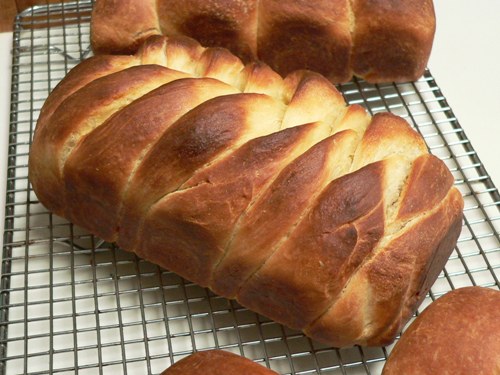
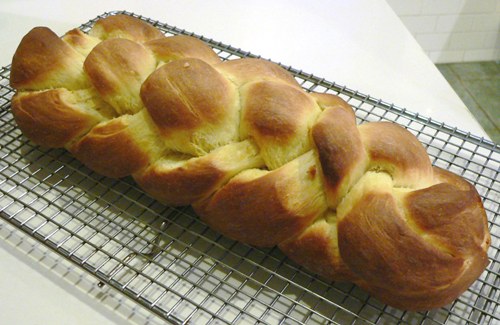

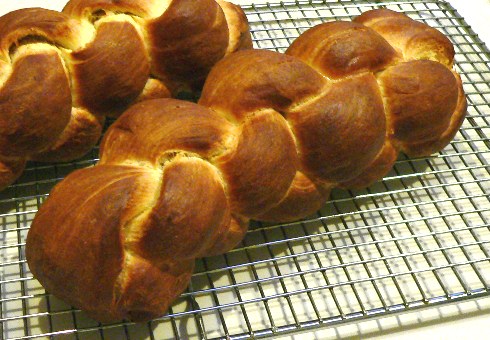


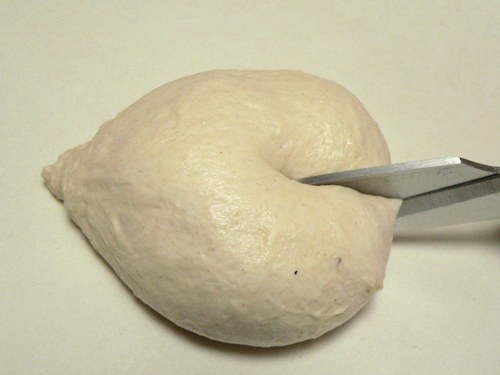
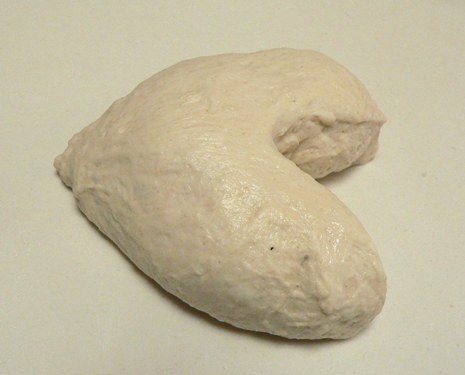
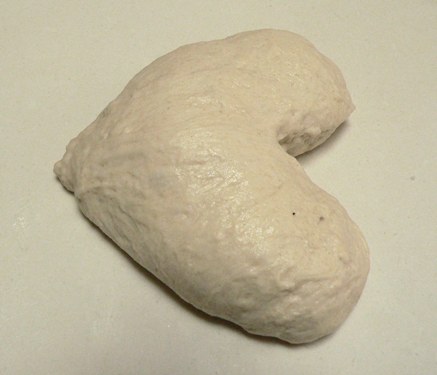
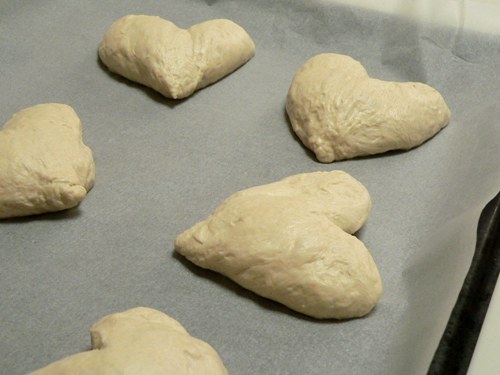

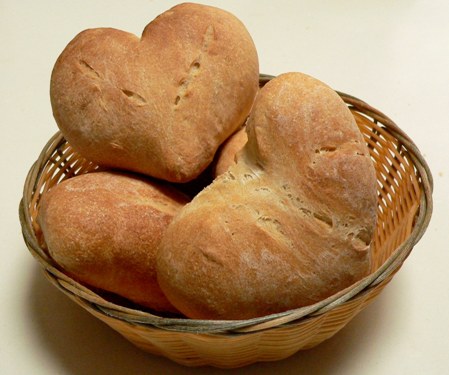

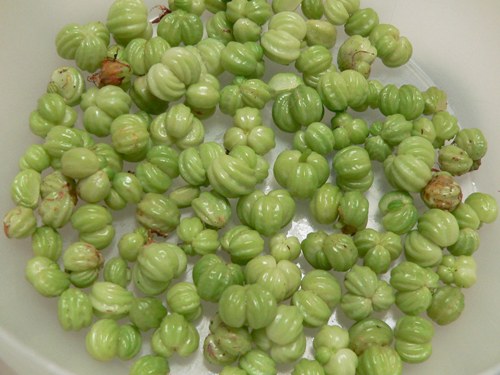


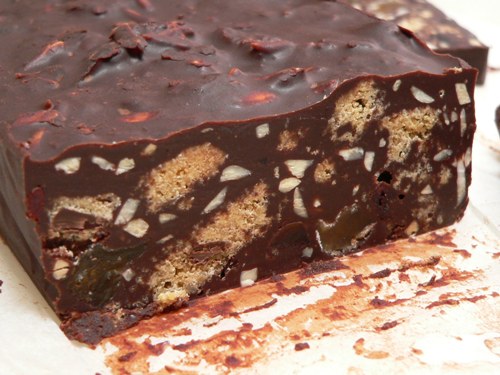

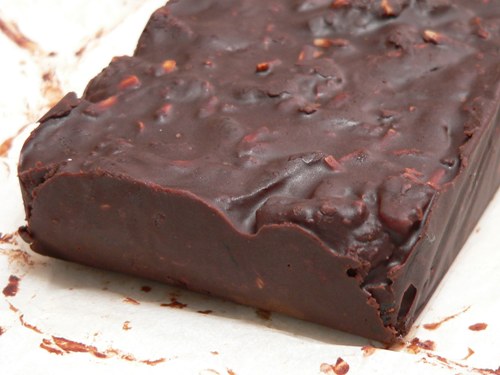


 Fig Jam and Lime Cordial