Feeds:
Posts
Comments

Archive for the ‘Recipes’ Category

Roasting Chestnuts

I adore chestnuts, but have never had much luck with roasting them at home.

I always seemed to end up with burnt fingers, aching fingernails, and a crumbled nut with glued-on bits of furry skin. I was pretty sure there were two parts to the problem – the chestnuts themselves, and the way I was preparing  them.

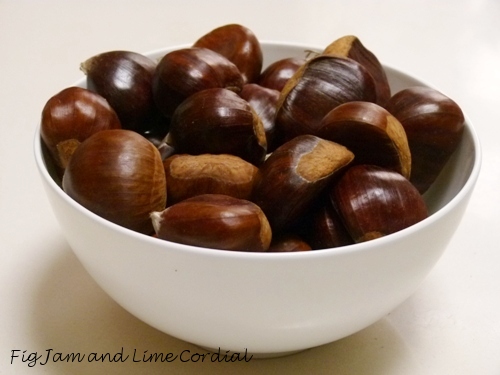
A couple of weeks ago, I was convinced to try again with these organic chestnuts from Eveleigh Markets. The seller had insisted that, cooked properly, they would be simple to peel.

I then went onto YouTube and found this fabulous clip by Chef John for About.com…

. . . . .

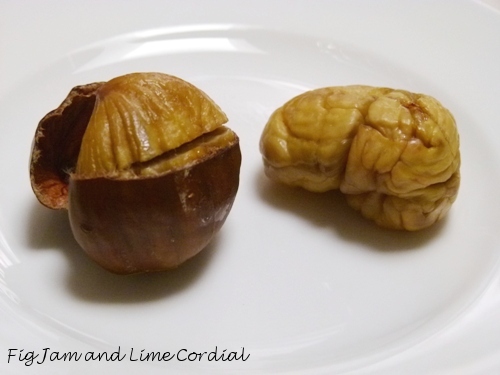
And you know what?  It worked! And it was incredibly simple.  The skins just fell away…
. . . . .

Here is the process, in a nutshell (ugh..sorry, couldn’t resist)..

1. Preheat the oven to 220C (425F) or 200C (400F) with fan. Have a baking pan ready. Using a breadknife, carefully cut a single long slash across the rounded end of each chestnut. Make sure you cut through both the shell and the inner skin.

2. Drop the chestnuts into a saucepan and cover with cold water. Add a generous pinch of salt, place the pan over a low heat and bring just to a simmer.

3. Drain the chestnuts and tumble them into the baking pan (as Nigella might say).  Bake for 15 minutes.

4. Carefully tip the hot chestnuts into a bowl.  The skins should have split as in the photo below.  Cover the bowl with a folded tea towel and allow the nuts to steam in their own heat for a further 15 minutes.
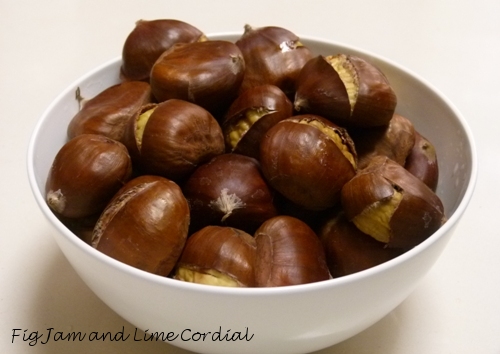
5. Peel and enjoy!  Out of the entire bowl, I only had four duds which I had to scoop out with a spoon – the rest released from their skins easily and without fuss.
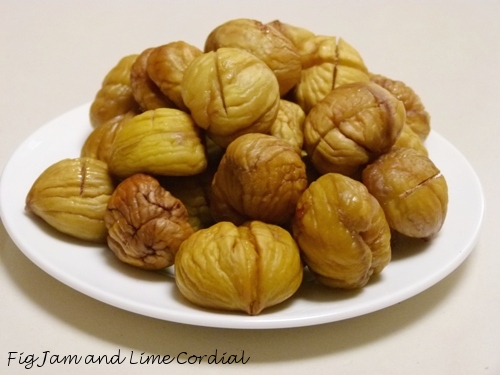
Thanks Chef John! I’m going out to buy more chestnuts now…

Read Full Post »

This recipe, from Trish Deseine’s Chocolate, is somewhat ambitiously titled “The Best Brownies”.

They’re very, very good, but I’m not sure they’re the best I’ve ever tasted. They are, however, one of the quickest to make, giving even the speedy Supernatural Brownies a run for their money.  Better still, you could get away with using just one bowl if you were really feeling lazy…

  • 90g (3oz) unsalted butter
  • 120g (4oz) dark chocolate (I used Callebaut 811 54% this time, but they also work well with the Callebaut 70% dark)
  • 2 large (59g) free range eggs, beaten
  • 225g (8oz) white sugar
  • 90g (3oz) plain (AP) flour
  • 50g (2oz) hazelnut or almond meal (I used hazelnut this time)

1. Preheat oven to 180C (360F) or 160C (320F) with fan. Line a square 20cm (8″) baking pan with parchment paper, bringing the paper up the sides. Alternatively, simply grease the pan.

2. In a large pyrex bowl, melt the butter and chocolate together in the microwave using short bursts and stirring frequently.  Allow to cool a little, then stir in the beaten eggs, working quickly to ensure they don’t curdle.  Stir in the sugar, flour and hazelnut meal. (Told you it was easy!)

3. Scrape the batter into the prepared pan and bake for approximately 30 minutes.  Allow to cool in the pan before cutting and serving.

Read Full Post »

I’ve been really busy of late – it’s that time of year when everything gets a little frantic. I haven’t had time to write full posts for all the things I’ve been making, but wanted to share them with you nonetheless…

. . . . .

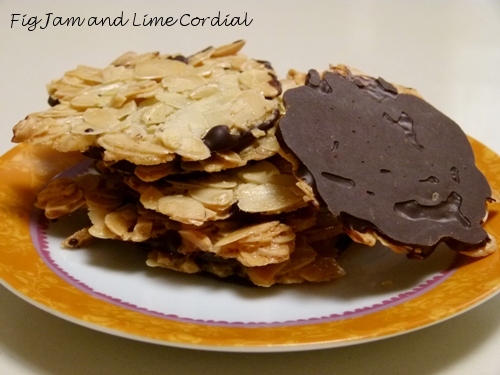
I made a double batch of our very easy almond florentines

. . . . .

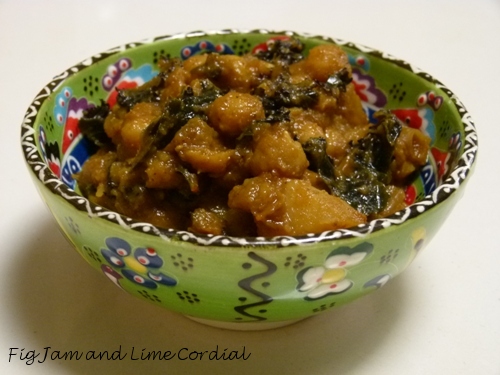
A chick pea, potato and purple kale curry, using a curry gravy base made according to The Curry Guy’s recipe…

. . . . .

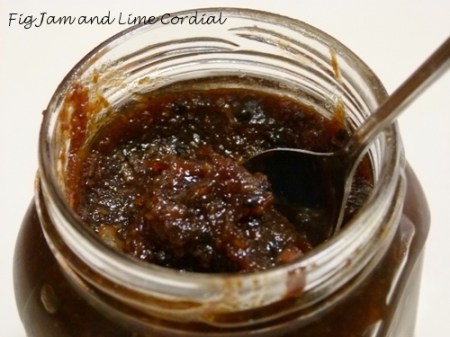
I’ve been experimenting with a tamarind chutney recipe.  It’s not quite right yet, but the failures have all been very tasty…

. . . . .

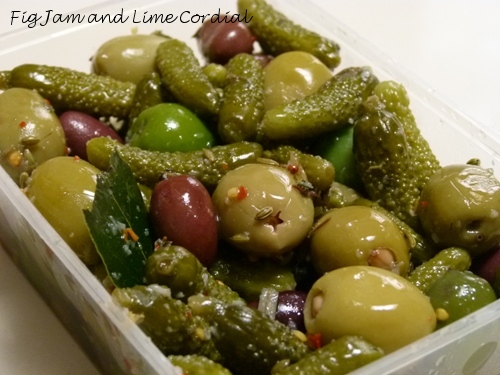
I combined the very moreish Darling Mills cornichons that we bought at Eveleigh Markets with mixed olives from the Cheese Shop.  When we were much younger, Darling Mills was our favourite restaurant, and the complimentary olives and cornichons were always the first item on the table…

. . . . .

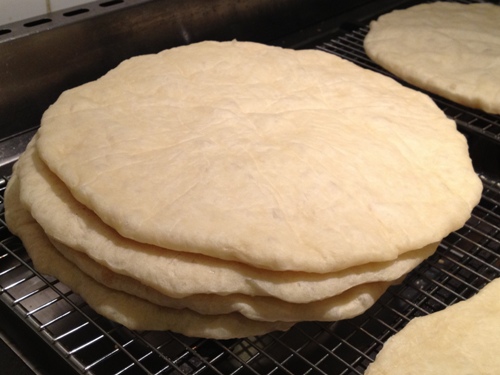
Finally, we made and parbaked eight pizza bases for our neighbours Bernie and Jane. Making these at home is a doddle and sooo much cheaper than buying ready made – the bases work out at about 20c each, and freeze perfectly…

. . . . .

Hope you’re all having a fabulous week!  Please excuse me if I haven’t dropped by your blog for a visit recently – hopefully we’ll come up for air sometime soon!

Read Full Post »

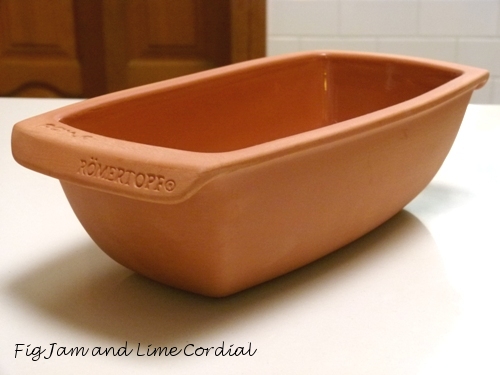
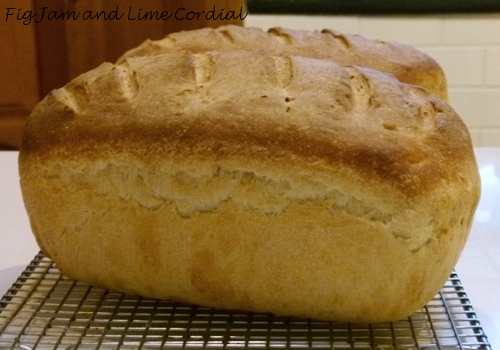
I’ve been experimenting with my new Römertopf loaf pans (yes, plural, I now have two) and have found that they work particularly well with a sourdough version of Joanna’s white bread formula.

As I’ve talked a few of you into buying the pan, I thought I’d share this recipe as well (this quantity makes one loaf)..

  • 200g active sourdough starter (at 166% hydration, ie. fed at a ratio of one cup bread flour to one cup water*)
  • 700g white bread/bakers flour
  • 375g water
  • 15g extra virgin olive oil
  • 10g brown sugar
  • 13g fine sea salt

* Note: if you’d like to try this recipe with a 100% hydration starter, reduce the flour to 675g and increase the water to 400g.  If my maths is correct, that should work!

1. In a large mixing bowl, stir together the starter, water, oil and brown sugar, then add the flour and sea salt.  Mix the whole lot together with clean hands to form a firm dough, squishing the ingredients together to ensure all the flour is incorporated. Scrape the dough off your fingers and cover the bowl; allow to rest for 30 minutes.

2. Uncover the dough and give it a quick knead in the mixing bowl. I only knead for about a minute or so, which is all it takes to get the dough quite smooth and elastic.  Cover the bowl again and allow it to rise until doubled in size (in our Sydney winter, my starter is quite sluggish and this can take 6 – 8 hours).

3. Prepare the Römertopf loaf pan by spraying the inside lightly with vegetable oil.  Do NOT preheat the oven.

4. Turn the risen dough onto a lightly oiled bench and shape it into a loaf.  Place the dough into the greased loaf pan and cover with oiled plastic wrap or a shower cap.  Fill the sink with enough hot water (ours is approximately 40C in temperature) to come up to just below the rim of the loaf pan.  Now place the pan into the water and allow the dough to rise again for another 30  minutes, or until it has filled the pan and risen nearly to the top.

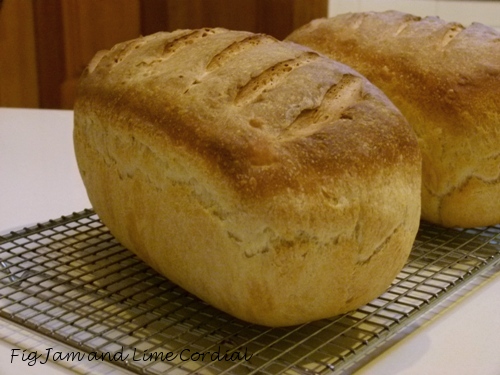
5. Remove the pan from the sink, and slash the top with a serrated knife or razor blade.  Place the wet, dough-filled pan into a cold oven and then turn the heat up to 200C with fan.  Bake for 40 minutes, then remove from the oven and carefully turn out the loaf from the pan (I wear my welding gloves to do this).

Warning: make sure you place the empty loaf pan onto a folded tea towel or other gentle surface, as it will crack if it goes onto something cold at this stage!

6. Drop the heat to 175C with fan and return the naked loaf to the oven for a further 20 minutes, sitting it straight onto the rack to allow the sides and bottom to brown up. The overall cooking time will be a little variable depending on how long it takes your oven to heat up.

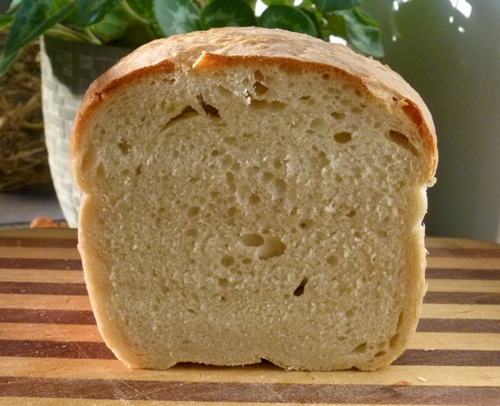
This is a very big loaf – about 1.3kg in weight – and it’s been perfect for school holiday lunches.  The crumb is tender with a little elasticity, and the crust is thin and crunchy.  Best of all, it makes my Pete very happy, as it reminds him of the bread his grandmother used to bake when he was a young lad visiting her farm in Mudgee!

Read Full Post »

When life gives you lemons…make lemonade.

When life gives you just one lemon…make Pete’s lemon cordial!

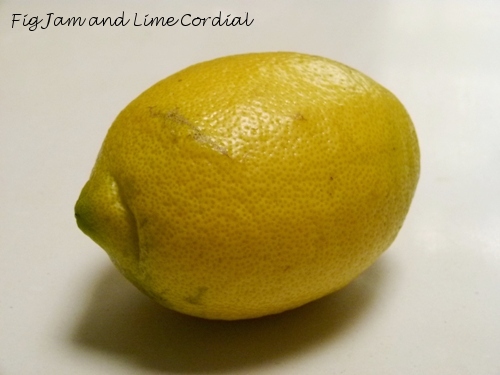
As those of you who join us regularly will know, we’d been waiting and waiting and waiting for our very first lemon to ripen. It took months to finally turn yellow.

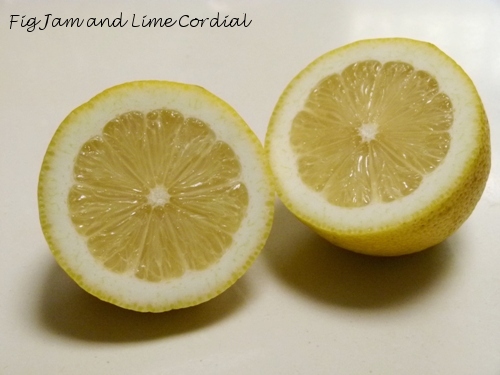
We were pretty chuffed when we finally harvested it! It had a thick rind and a respectable quantity of tart, acidic juice. It was also completely seedless – I’m not sure if that’s a product of the variety, or the plant’s immaturity.

We deliberately chose to plant an old fashioned “bush” lemon, rather than the prettier, thin-skinned varieties.  We’ve been told that the thick rind and pith offer better insect protection, which is important as we don’t use chemical sprays in our garden (although we do have to treat the leaves with organic Eco-Oil in an attempt to keep the leaf miners at bay)…

To properly showcase our one solitary lemon of the season (there are others growing on the tree, but they’re all small and green), we made Pete’s One Lemon Cordial…

  • 1 lemon, juice and rind
  • 1 tablespoon (4 teaspoons) powdered tartaric acid
  • 2 cups (500ml) boiling water
  • 2 cups (440g) white sugar
  • ¼ teaspoon lemon essence (optional)

1. With a peeler, remove the lemon rind in strips, making sure to avoid the white pith. Place this in a large heatproof jug and pour over the boiling water.  Stir well to release the essential oils.

2. Add the sugar and stir well.  Then add the tartaric acid, the unstrained lemon juice (pips and all is fine) and the lemon essence (optional, but we usually add it).  Stir well, then strain into a clean, sterile bottle and store in the refrigerator.

We mix our lemon cordial with either plain or soda water, usually at a dilution of one part cordial to five parts water.  I’ll often add a dash of bitters as well.

It’s a cheerfully refreshing drink!

. . . . .

And just for fun, here’s Kate Ceberano’s One Note Samba which I was humming as we made the cordial…

Read Full Post »

« Newer Posts - Older Posts »