Feeds:
Posts
Comments

We have this list, you see.

It gives the names of all the different bird species which have been sighted at Sydney Olympic Park, and there are over 180 of them.

There are little boxes next to each name, so that we can tick off birds as we spot them. Obviously we now have to keep going back to see how many we can find. The photos below were taken over three relatively short visits.

. . . . .

We’ve walked the foreshore of Newington Armory

This little Australian Reed-Warbler let us know in no uncertain terms that we were too close to his nest…
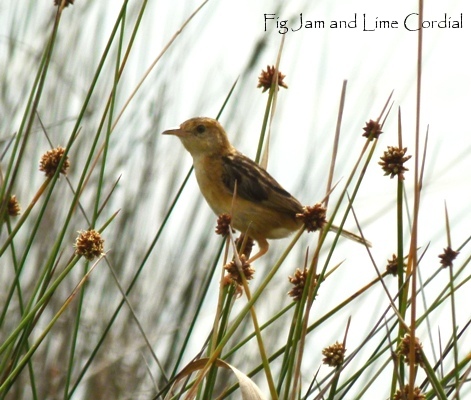
Australian reed warbler

These Double-Barred Finches were tiny (11cm long), and darted around so quickly that I struggled to keep my eyes on them (let alone my camera lens)…

double-barred finch

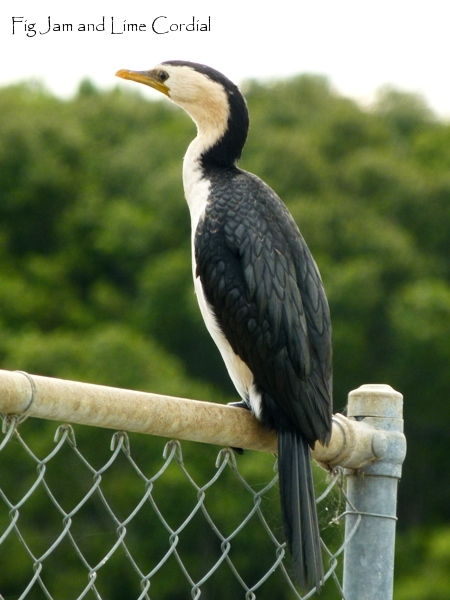
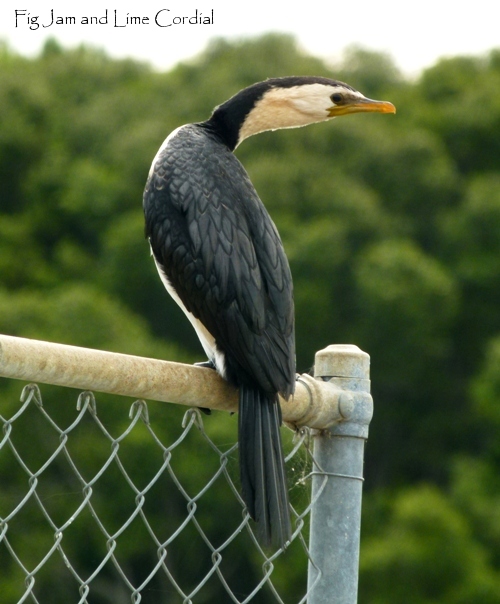
Sydney Olympic Park is visited by four species of Cormorant, and we’ve now spotted all of them! This is the Little Pied Cormorant

little pied cormorant

little pied cormorant 2

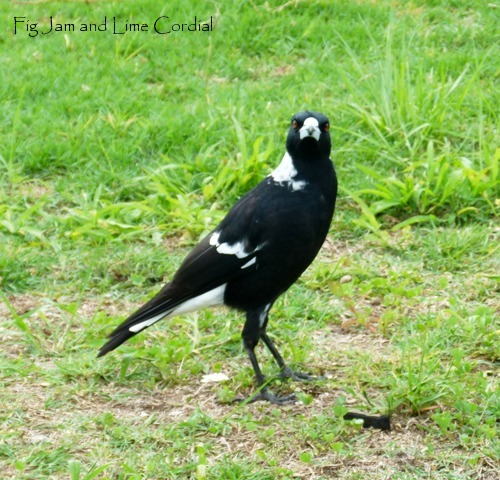
Australian Magpies are named after European Magpies, but they belong to a completely different family. They’re closely related to Butcherbirds and Currawaongs (there’s more information on Wikipedia here).

Our Magpies are black and white…
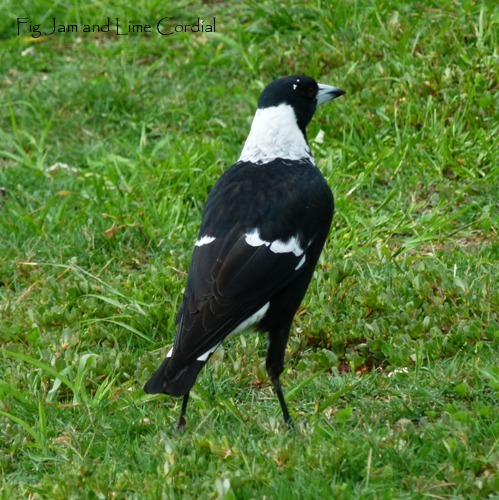
Australian Magpie

…and fierce…

Aus Magpie

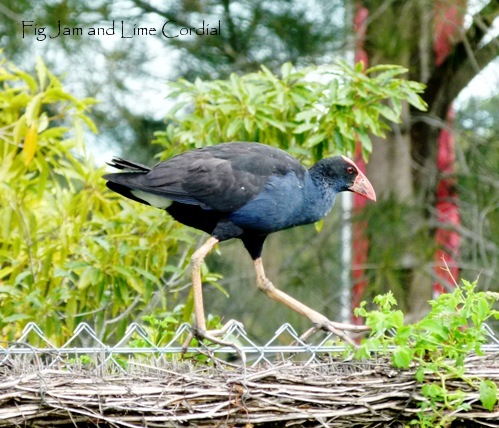
These funny looking Purple Swamphens (also known as Pukeko in New Zealand) are all over the park…
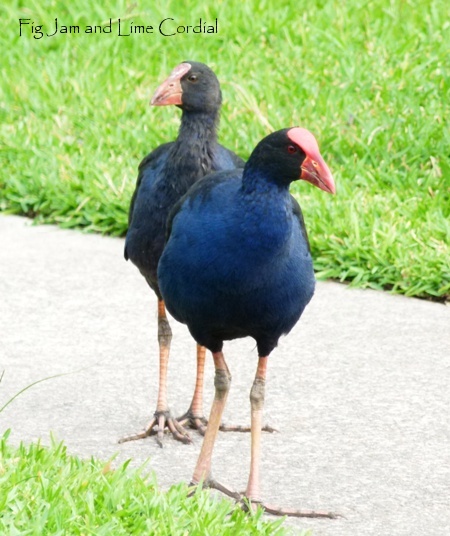
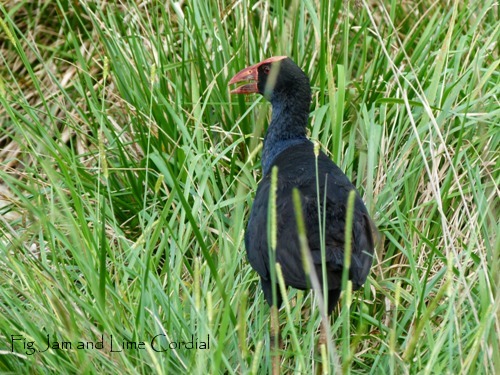
purple swamphen

swamphen1

They’re yet another Alice in Wonderland bird, in my opinion…
swamphen2

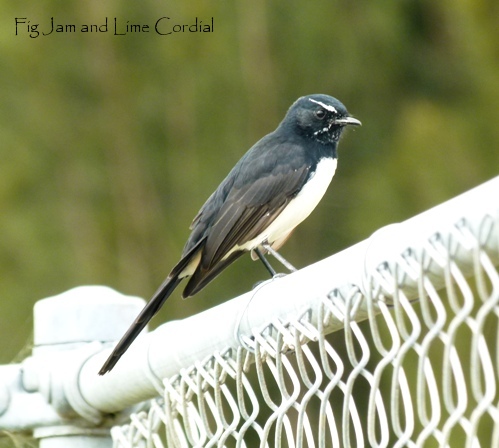
Willie Wagtails are so named because they shake their tails from side to side as they hunt…
Willie Wagtail

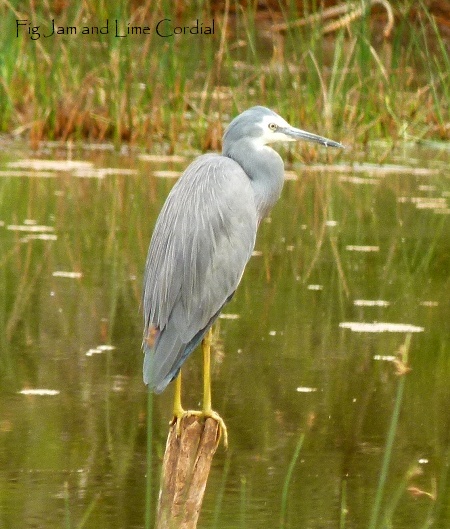
A long distance shot through a wire fence of a White-faced Heron

white-faced heron

. . . . .

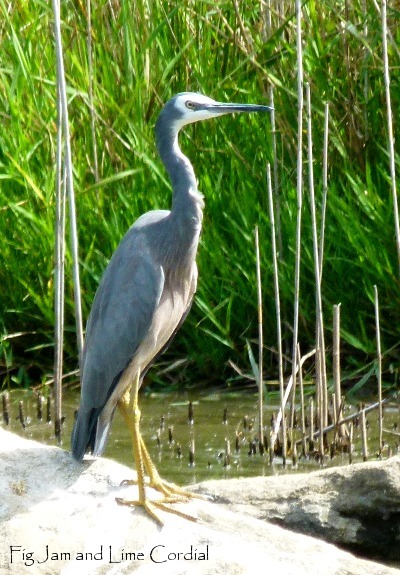
At the Brick Pit and Wentworth Common, we saw another of these Herons…
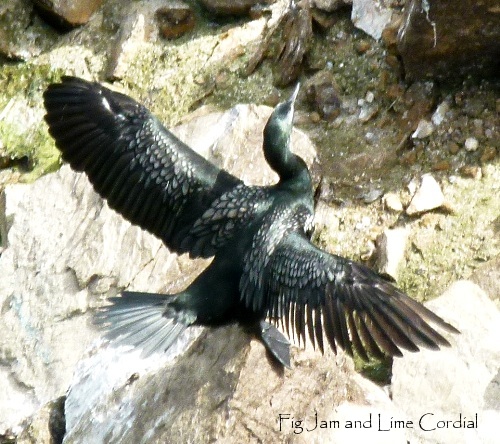
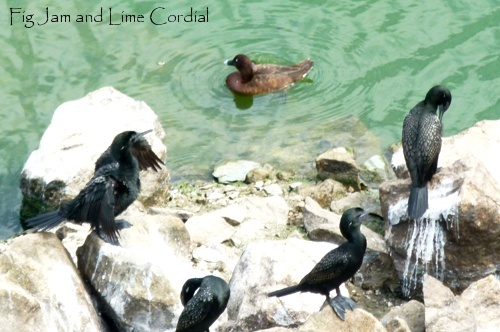
A small group of Little Black Cormorants with their mother of pearl feathers, photographed in the Brick Pit from the 18 metre (60′) high walkway above it…
There’s a male Hardhead (White-eyed Duck) at the top of the photo below as well – according to Wiki, it’s the only true diving duck we have in Australia…
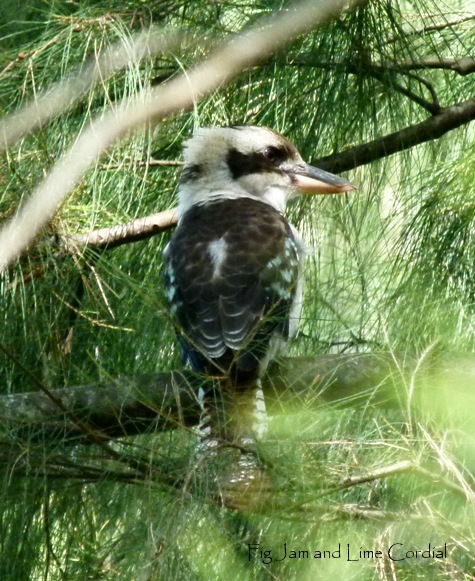
Kookaburras are such a common bird in Sydney, yet this is the first one we’ve seen at the Olympic Park. They’re a variety of Kingfisher…
. . . . .

Strolling around Lake Belvedere, we observed a large Pied Cormorant colony breeding and nesting on the small island in the middle of the lake. Substantially larger than the Little Pied Cormorant in the photos above, these big birds sit and dry their wings after fishing…
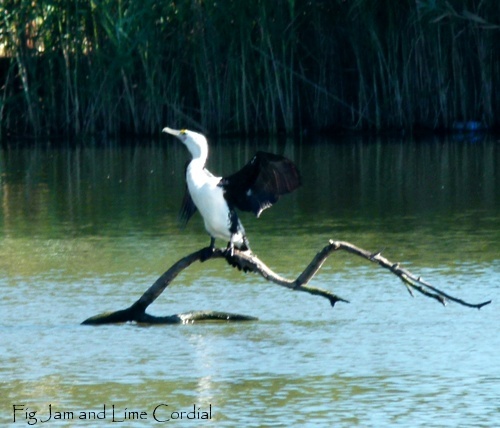
Apart from size, they’re also distinguished by a yellow eye-patch and blue eye-rings. According to Wiki, this species is found only in Australia and parts of New Zealand.

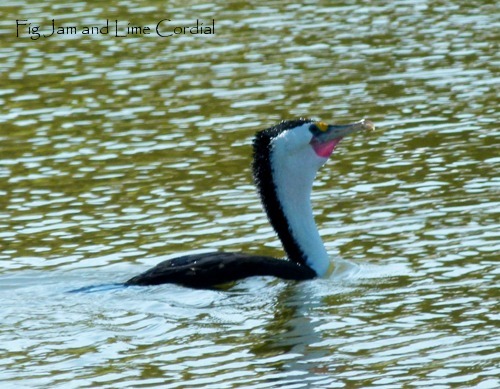
They’re remarkably adept in the water…
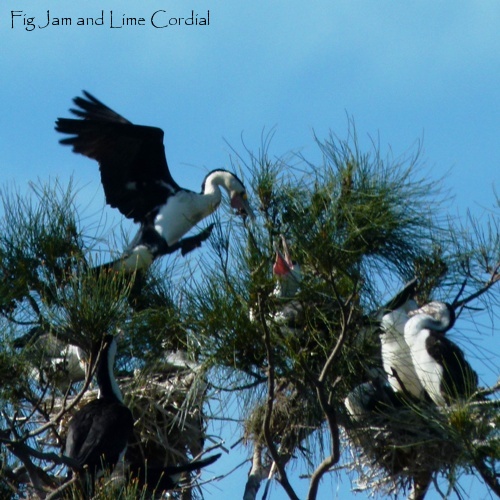
On the island, there is a large tree filled with nesting Pied Cormorants. This wasn’t the sharpest photo of the day, but it did capture the very moment when the parent bird was landing with a fish for her begging chick…
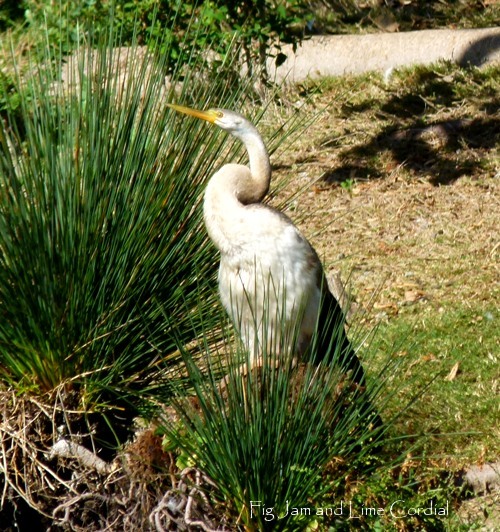
This Australasian Darter was a joy to watch in the water. I believe this one was either a female or a juvenile, as the adult males are jet black…
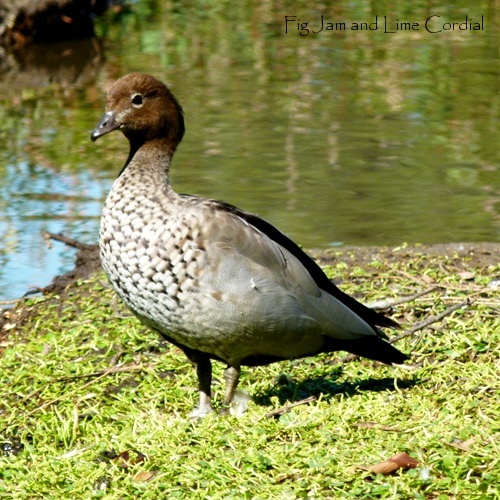
We thought these were Pacific Black Ducks, but they’re actually Australian Wood Ducks

They look a little like small geese…

The females have an eye stripe (which is why we confused them with the Pacific Blacks), whereas the males have an all brown head (as can be seen in the top photo)…

Dusky Moorhens were out in force. They were nesting in the reed beds…

This one tipped into the water like a rubber duck in a bathtub…

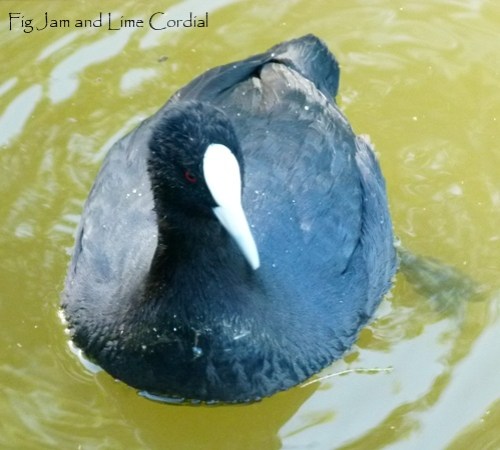
Oodles of Eurasian Coots were on the lake – they have distinctive and quite spooky blood red eyes, and legs that are set right at the back of their bodies…
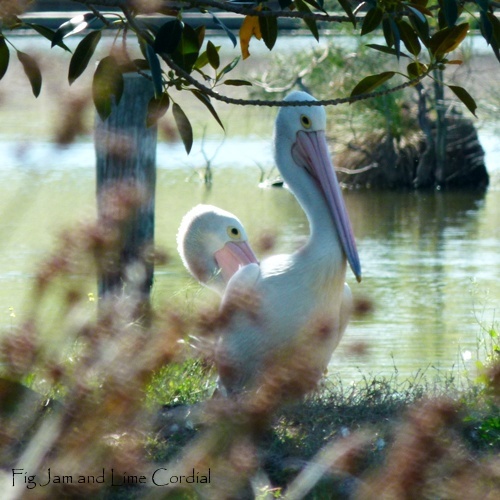
In Australia, our Pelicans, like our Magpies, are black and white, and they have the largest bills in the bird world. Here’s one next to a Pied Cormorant.
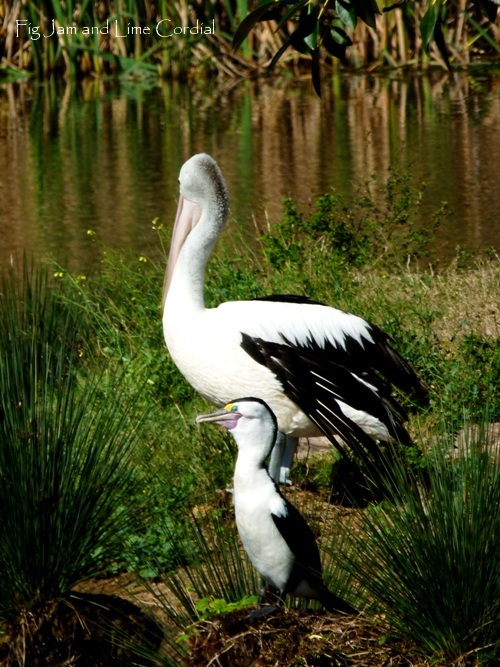
…and a couple resting comfortably on the island in the middle of the lake…
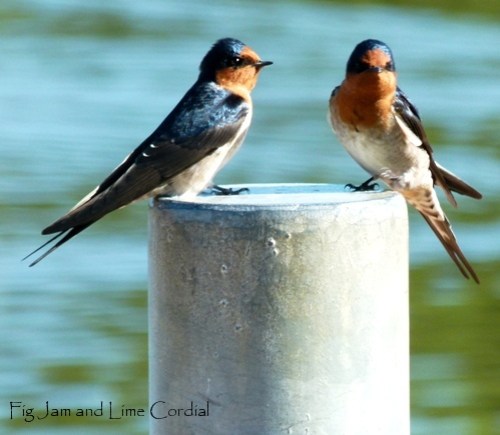
Finally, my favourite bird of the day, a Welcome Swallow. A native to Australia and Melanesia, this little one happily posed for photos…
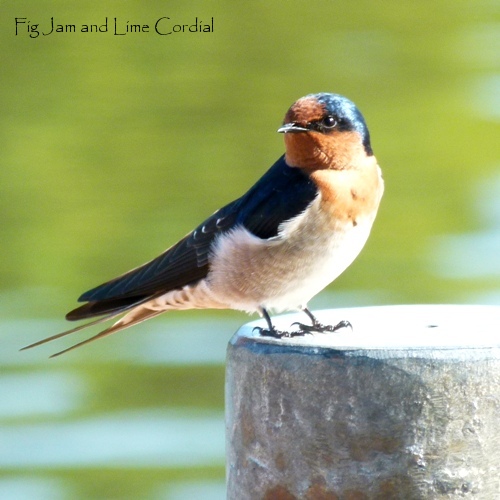
They’re only small – about 15cm (6″) long including their split tails – and their iridescent blue heads and backs were stunning…
A few months ago, I wrote a post about Living Within Our Means, in which I talked about finding the free services that our cities have to offer. For us this year, it’s been discovering the bird life at Sydney Olympic Park, just a short twenty minute drive from home. All of our bird posts can now be found here.

Tell me, are any of these birds familiar to you? I’m quite curious about how far they fly – I know some of them never travel off our shores, and I know that pelicans in other countries aren’t black and white. I’d love to hear more about the birds in your part of the world!

If you’ve been reading our blog for a while, you’ll notice that our dishes tend to segue into one another – the leftovers from one meal will often inspire the next, potstickers will lead to vegetarian dumplings, or a technique that we tried on Thursday will be reworked into something new on Sunday.

Such is the case with this dish – the saved fat from Römertopf pork ribs a couple of weeks ago went into the pastry for our curry puffs, and that pastry then inspired us to try our hand at empanadas.

As our good friend and neighbour Marcela is Argentinian, I was keen to make a reasonable attempt at these, so I was delighted to find this recipe with video from the old SBS Food Safari series. I followed the filling instructions quite closely, then wrapped the meat in our homemade pastry.

Pastry:

  • 600g plain (AP) flour
  • ¾ teaspoon fine sea salt
  • 112g lard or leftover fat from a roast or meat bake (or substitute more butter)
  • 112g butter
  • 225ml cold water

Filling:

  • 1 tablespoon light olive oil (or other vegetable oil)
  • 60g butter
  • 100g onions, diced
  • 100g spring onions, finely chopped
  • ½ teaspoon chilli powder, to taste (I used mild ancho chilli powder)
  • 500g beef mince
  • 125ml (½ cup) water (original recipe used beef stock)
  • 1½ tablespoons sugar
  • fine sea salt to taste
  • ½ teaspoon sweet paprika
  • ¼ teaspoon ground cinnamon
  • pinch ground cloves
  • green olives, pitted and chopped
  • sultanas
  • 2 hardboiled free range eggs, chopped coarsely
  • ground cumin

Note: the original recipe for the filling makes double this amount – we only used half of it, so I’ve provided reduced quantities above. We froze our excess filling (it defrosted perfectly a couple of weeks later).

1. Make the pastry first – put the flour into a large mixing bowl and stir in the salt. Rub in the lard and butter, then add in the cold water and knead briefly to combine. Wrap in plastic and rest in the fridge until needed.

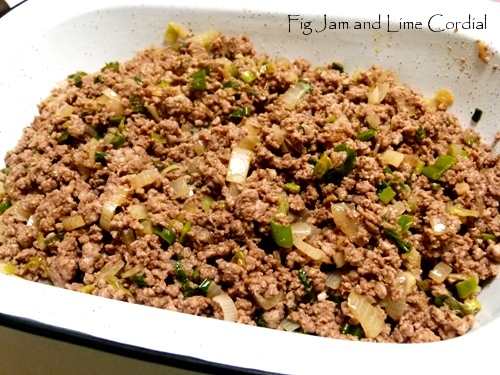
2. Make the filling next – heat the oil and butter in large frying pan and fry the onions and spring onions until soft. Add the beef and stir to break it up and brown it a little, then add the chilli powder, paprika, cinnamon, cloves, sugar, salt and water. Cook over a low heat until the liquid and fat have separated from the meat. Check for seasoning and adjust as required.

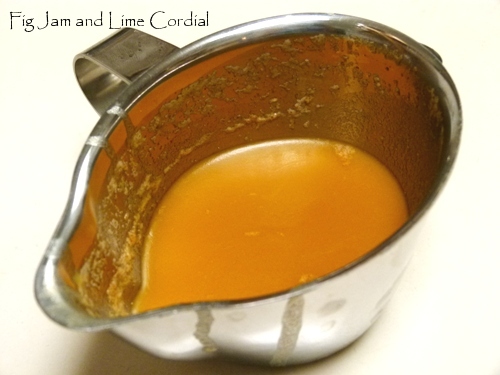
2. This next step is optional – the original recipe uses the cooked meat from the step above as the completed filling. We scooped the meat out with a slotted spoon, then poured the residual liquid into an oil separator. We poured just the stock back into the pan and cooked it down to a thick caramel glaze, which we then stirred through the meat.

The flavoured fat (mostly butter) that was left in the separator was kept for brushing the tops of the empanadas prior to baking…

Allow the filling to cool before assembling the empanadas (a double quantity is shown below)…

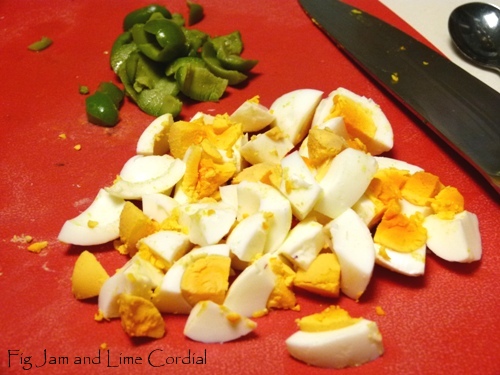
3. Preheat the oven to 200C with fan. Roll out the pastry on a lightly floured surface, then using a small saucer as a template, cut out circles of dough. In the middle of each circle, place a generous spoonful of filling, topped with a few pieces of green olive and hardboiled egg, a sprinkle of sultanas, and a pinch of ground cumin…

4. Fold the pastry in half and pinch and crimp the edges together. Place on a parchment lined baking tray. When all the empanadas are made, brush the tops with either melted butter, or with the residual fat saved from the meat. Bake for 25-30 minutes until golden brown.

The original recipe uses shortcrust pastry – but I like the flakiness of our version. The filling is fabulous – the meat is slightly sweet, but still savoury, and the green olives and egg seem to balance out the sultanas perfectly…

So what was the verdict? Marcela, and more importantly, Marcela’s mum, liked these a lot. As did Pete and Big Boy (there’s no way we’d get sultanas in a savoury pastie past Small Man), so it’s definitely one to make again.

I can’t wait to see if this recipe segues into something else – I still have some of the leftover fat in the fridge, so it might!

Edit: Actually, it did. I added the leftover fat to another batch of pastry, and made more empanadas with the defrosted filling. I eggwashed the second batch rather than brushing with butter, and they baked to a deep golden brown.

I sometimes wonder if proper gardeners would be appalled at how we manage our backyard.

It certainly doesn’t follow traditional guidelines. But our first and foremost rule with our backyard garden is that it can’t add stress to our lives. So we simply do what we can, when we can.

We encourage the plants we like to go to seed (“encourage” might be generous, perhaps it’s better to say we don’t bother pulling them out), and use very little pest control – the occasional puff of diatomaceous earth or a squirt of Eco-oil – thereby allowing predator numbers to build up. Most importantly, we’ve adjusted our eyes – so now we see lush, abundant growth in the beds, rather than unruly plants and weeds.

With the latest bed, we’ve tried something new again. After the chooks were moved, the soil was well watered – it can get very dry under the chicken dome, and needs rehydrating before anything else is added to it. Then we raked and watered in a bag of cow manure, a few handfuls of blood and bone, and some rock minerals (we find chicken poop alone isn’t quite enough for the plants).

We tossed large quantities of dried plant material into our handy mulcher – arrowroot leaves, fennel stalks, sunflower stalks, trimmings from the lilly pilly tree, comfrey leaves, parsley and coriander stalks (and anything else we could find), along with the dried seed heads from our finished plants – parsley, basil, coriander, chard, raab and more. The finished mulch was spread out over the bed and watered in.

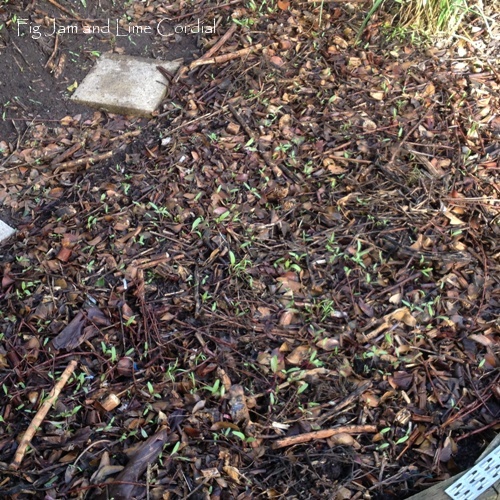
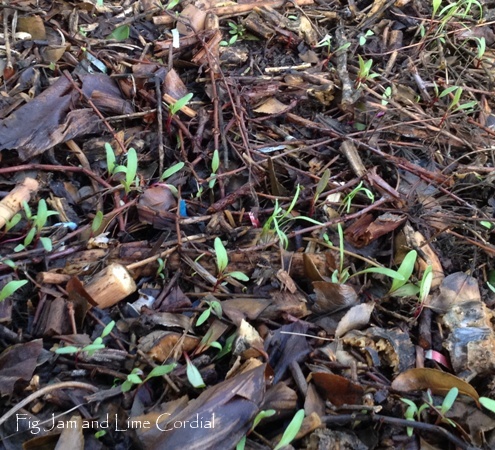
Just a week later, the seedlings had started to germinate…

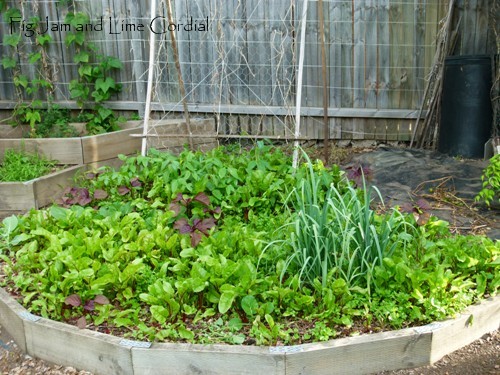
It’s been a month since the previous photo was taken, and this is what the bed looks like now…

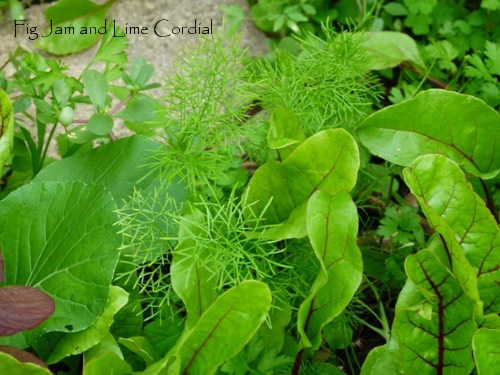
Fennel and red rainbow chard seedlings have popped up en masse…

We’ll now selectively weed out what we don’t want – we’ll eat young chard or feed it to the chooks, as there’s so much of it…

The red amaranth has made a reappearance…

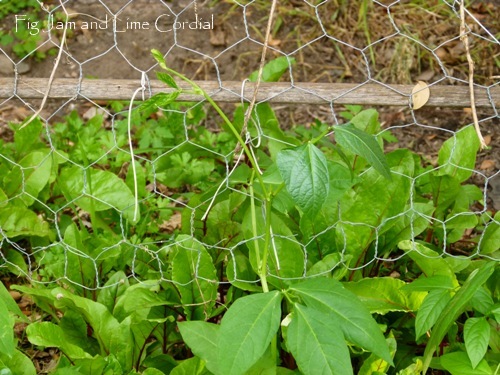
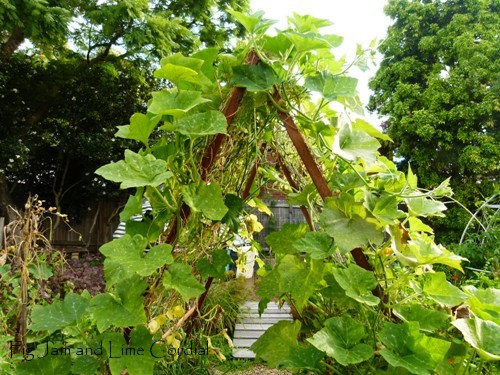
We moved one of the A-frames from a previous bed and threw in a handful of snake bean seeds. They’ve started climbing – not sure how they’ll cope with the approaching cool weather…

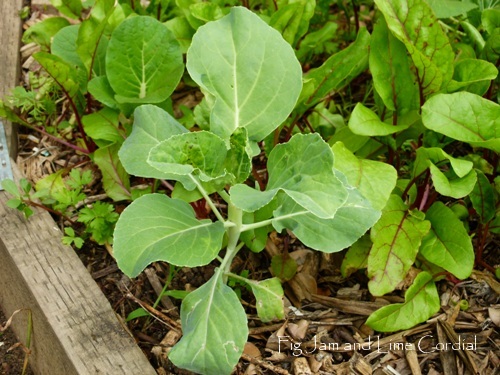
Brassicas have started to appear, which is a great thing, as I miss eating them in the hot summer months…

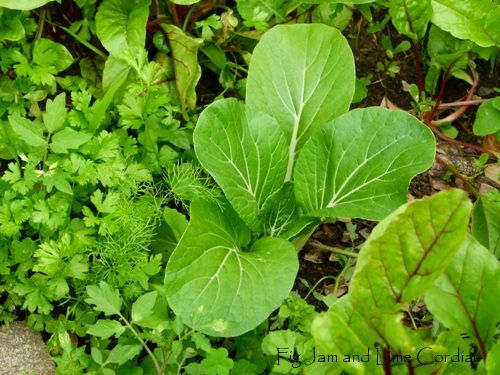
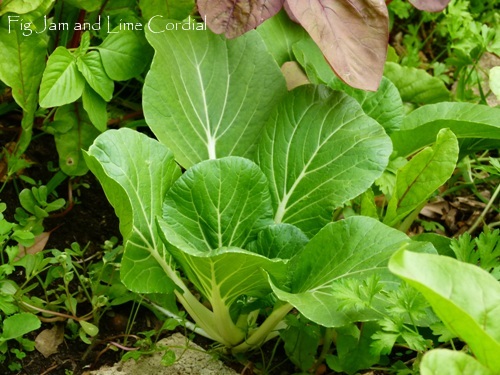
Chinese greens are growing, which probably means more dumplings are on the cards…

Parsley and chickweed seedlings have germinated…

I don’t remember adding purslane seed to the mulch mix, but here it is, nonetheless…

Our perennial leeks are growing in a huge clump – we didn’t get around to separating them in time, so now we’re eating young ones in place of spring onions…

. . . . .

In other garden news…

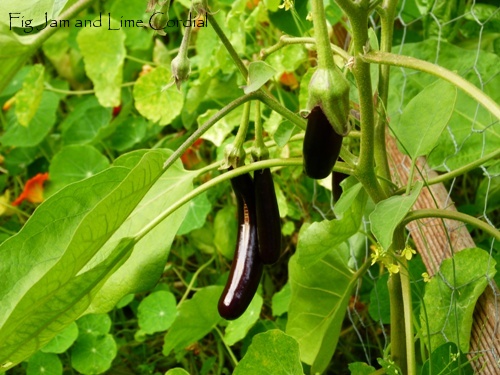
…we’re still getting a few eggplants every week…

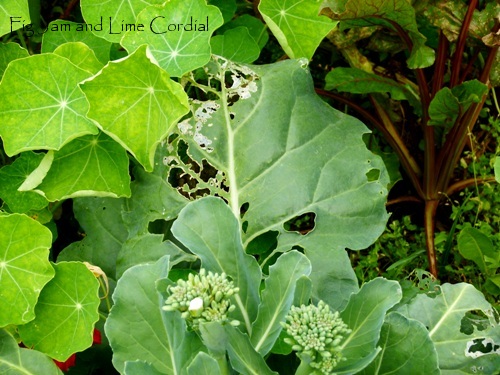
A lovely mutant broccoli appeared in one of the beds…

Here’s a good example of permaculture in action. The broccoli leaves were covered in pests. We left them there, and soon the predators discovered them and wiped them all out. The leaves are damaged, but the edible bit of the plant is still very much intact, and our predator insects have been well-fed…

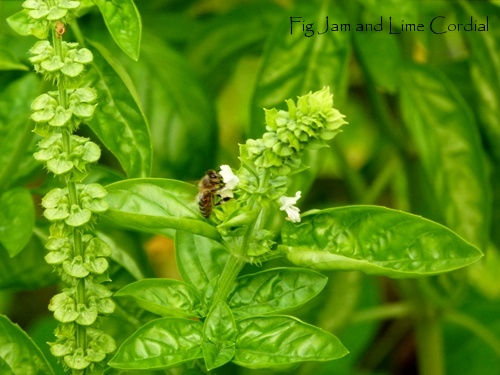
In service to the bees, we’ve let the entire bed of basil go to seed…

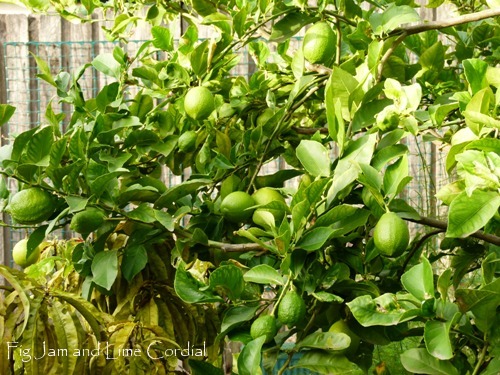
Our bush lemon tree is cropping twice a year…

The bishops crown chilli continues to produce – this particular plant is producing quite mild fruit, which I’m very happy about…

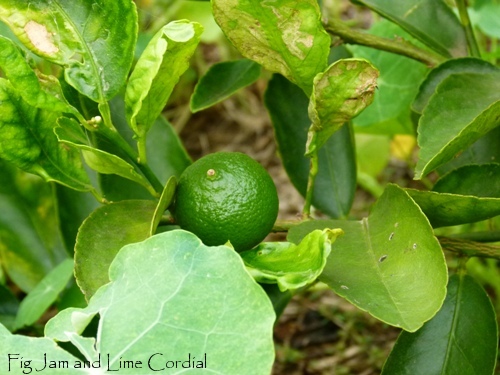
Our very first baby limes have appeared…

Lovely Jo sent me arrowroot tubers from her garden a couple of years ago. We planted them at the front of the garden, and they’ve grown prolifically.

Initially, we hoped to use them as shade plants, but they’re far more useful as mulch…

We’re planting more arrowroot near the back fence – it’s as easy as cutting off a tuber and sticking it in the ground…

We cut the large leaf stalks and allow them to dry, along with all the spent seed heads, and any other firm plant material that isn’t an unwanted weed. Once it’s all dry, it will go through our mulcher and become a pre-seeded “topping” for our next bed…

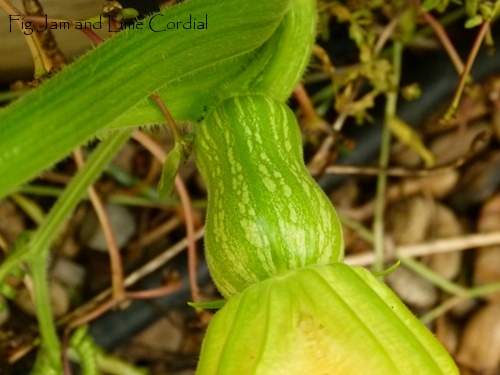
We’ve learnt a lot about tromboncinos this year – the two plants we managed to raise from seed grew extensively but didn’t make any fruit at all. We think that in our garden at least, the trombies need more than one point where they touch the soil – they do best when they’re given room to scramble over a bed…

…as our mutant squash has. It’s still making fruit…

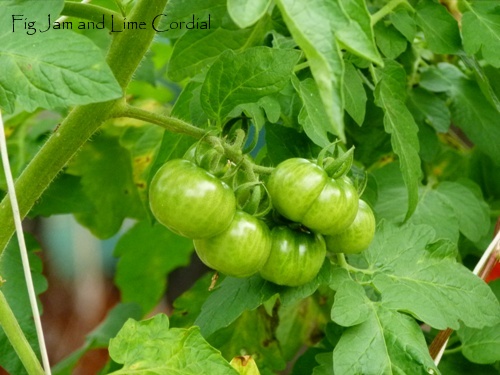
Our gorgeous yellow cherry tomatoes are at the end of their run – the bugs have found them now. Thankfully, the chickens go absolutely crazy for them…

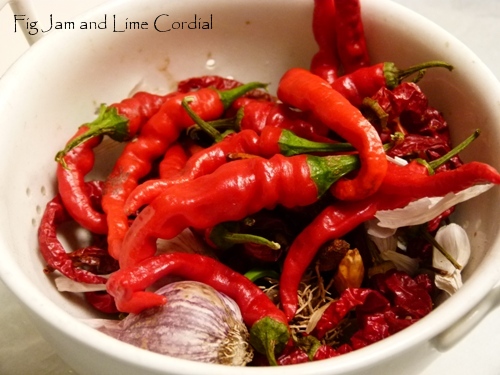
Finally, on our kitchen bench is a colander full of drying cayenne chillis from the garden – they’re deliciously hot. We pick a few every week…

How are things going in your garden? Do you have any lazy gardening tips?

I seem to have all my good bread ideas at ridiculous hours of the morning.

A couple of days ago, I was lying in bed at 5am, woken by my delightful peri-menopausal body clock, trying to decide what to do with the mountain of dough that had been proving overnight on the bench. Knotted rolls came to mind, so I put on my fluffy pink slippers and crept down the hallway to the kitchen.

Lovely Jane wrote recently about the joy of early morning bread baking, and she’s so right – there’s something incredibly peaceful and comforting about playing with dough in the quiet hour or two before anyone else is awake. It’s just not the best time for food photography.

As a result, I made these rolls twice – the second time during the day – so that I could take some decent photos of the finished rolls and the shaping process.

I began with my standard shaping dough recipe (most recently used in our cookie cutter rolls), but the technique should work with most bread doughs, providing they’re not too wet. A double batch is shown in the photos below:

  • 300g ripe, active sourdough starter (fed at a ratio of one cup water to one cup flour – for more information on how I feed my starter Priscilla, please see our tutorial here)
  • 580g cold water
  • 500g bakers/bread flour
  • 500g remilled semolina flour (Semola Rimacinata di Grano Duro – if you can’t find it, substitute 00 flour or more bakers flour, and reduce the water to 550g)
  • 18g fine sea salt
  • fine semolina for dusting the bench and dough

1. In a large mixing bowl, use a clean hand to mix the starter, water, bakers flour, remilled semolina flour and salt together to form a shaggy dough. Scrape your fingers off and cover the bowl with clingfilm. Allow the dough to rest for half an hour.

2. After the rest time, give the dough a quick knead in the bowl – literally just a minute or so. Cover it again and allow to rest until it has doubled in size – depending on your starter and the temperature in your kitchen, that could take anywhere from 4 to 10 hours.

3. Dust the bench with fine semolina, and turn out the proved dough.  Give it a few folds, then cut the dough into 235g pieces (you’ll end up with 8 rolls).

4. Dust the bench with more fine semolina. Roll each piece of dough into a long log, ensuring that all sides are well coated in semolina.

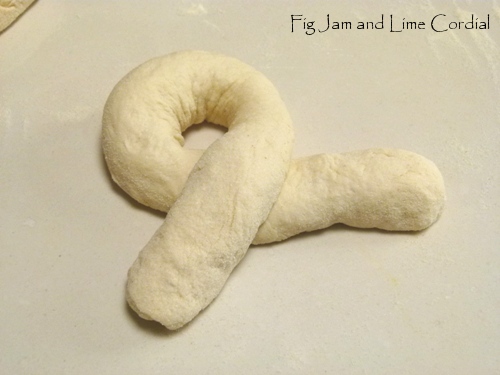
5. Fold the dough into a charity ribbon shape…

6. Bring one end up and over, and into the middle of the loop…

7. Tuck the other end underneath into the bottom of the loop…

 8. Place the rolls on a parchment lined baking tray, cover with a tea towel and allow them to prove a second time. Preheat the oven to 240C with fan.

9. Once the rolls have had their second rise, spritz the top of each roll with a little water, then put the tray into the oven, reducing the temperature to 220C with fan at the same time.

10. Bake the rolls for 20 minutes, then rotate the tray(s) and turn the oven down to 175C with fan. Allow a further 15-20 minutes baking time until the rolls are golden brown and hollow when tapped on the base (photo below shows the underside of the roll).

Pete was very taken with the look of these – he found them sculptural and dynamic. He particularly liked the “movement” cracks in the crust (I didn’t point out that they were actually a result of dodgy dough handling on my part)…

My double batch of dough made six knotted rolls…

…eight rosette rolls (using my bread stamp)…

…and three baguettes…

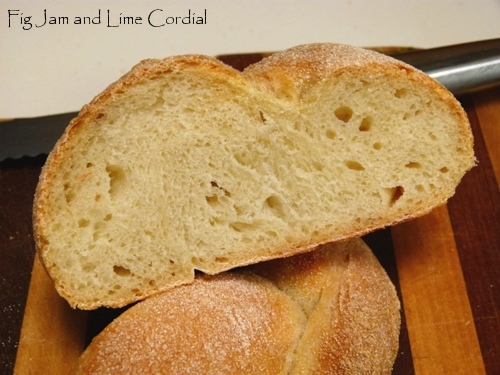
A crumb shot from the knotted roll…

I was very chuffed with how these turned out – sourdough isn’t the best medium for this type of shaping, but these rolls held their definition well.

If more intricate dough braiding takes your fancy, you might be interested in some of our earlier (non-sourdough) posts:

Be warned though, it can be very addictive!

To all my vegetarian and vegan readers – thank you for being so lovely.

You pop in to visit our omnivorous and occasionally very carnivorous blog, but you’re always so gracious – I’ve never had a single judgmental or proselytising comment. This recipe was developed just for you.

I couldn’t find a vegetarian dumpling recipe that wasn’t tofu-based, so I played around with one of my own. It uses the same seasoning mix as our original dumpling filling.

  • 300g wombok (also known as Chinese cabbage or Napa cabbage)
  • 6 – 8 dried shiitake mushrooms
  • 1 walnut-sized knob of young ginger, peeled and finely diced
  • a small bunch of garlic chives
  • 3 fat spring onions
  • 1 small bunch of baby bok choy
  • 2 – 3 tablespoons vegetable oil
  • 2 teaspoons Shao Hsing rice wine
  • 2 teaspoons light soy sauce
  • 2 teaspoons oyster sauce (see note below)
  • ½ teaspoon white sugar
  • ½ teaspoon fine sea salt
  • 1 teaspoon sesame oil
  • 1 packet of dumpling skins (30 – 35 pieces)

Note: I know oyster sauce isn’t vegetarian, but it’s worth using if your personal ideology permits, as it adds a wonderful flavour to the dish. If not, try substituting vegetarian oyster sauce, or more soy sauce.

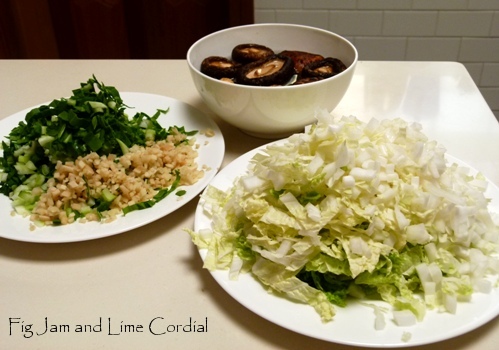
1. Chop the vegetables and ginger finely. Soak the shiitake mushrooms in cold water for at least half an hour, or until softened. Cut off the hard stems, and dice the softened flesh. Combine the rice wine, soy, oyster sauce (or vegetarian equivalent), sugar, salt and sesame oil in a small bowl.

2. Heat the vegetable oil in a wok, and fry the mushrooms, ginger and vegetables for a few minutes until softened. Add the sauce mix and continue to fry until the mushrooms are cooked through and the greens have wilted.

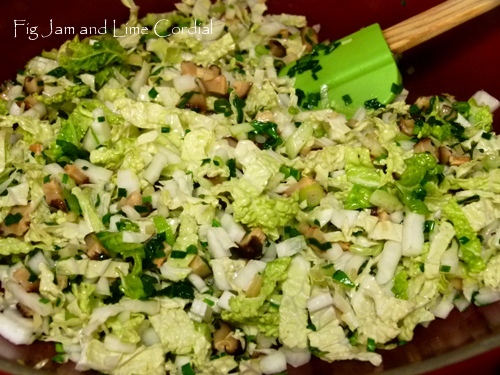
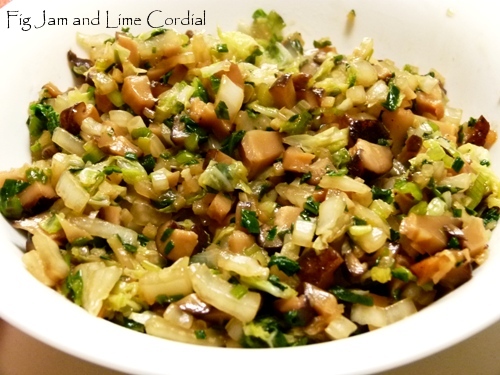
3. Allow the filling to cool. As you can see from the photo below, the greens will cook down substantially.

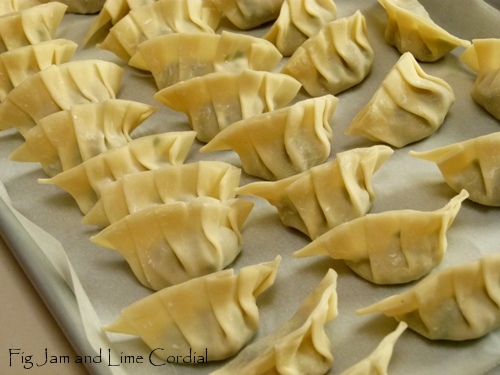
4. Using either square or round skins, add a teaspoonful of filling and fold or pleat to enclose. Use either the wonton folding technique shown here, or the half-moon pleating one from our original post.

The vegetarian dumplings take a bit of practice, as the filling is less compact than its meat equivalent. It’s important to try and get as much air out of the finished dumpling as possible, or it could burst during the cooking process.

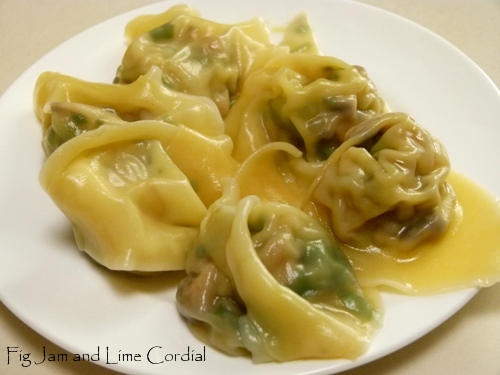
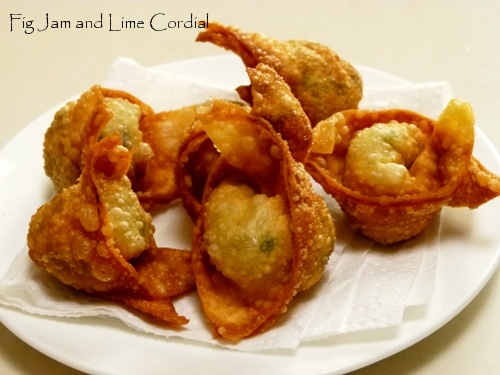
5. The dumplings can be cooked in a variety of ways – we boiled the ones in the top photo (they were our test batch) and deep-fried the ones in the photo below. I loved the deep-fried ones, but Pete preferred them boiled. We didn’t try pan-frying them (as we did with our original ones), but that should work as well.

I pleated the remainder of the filling into little parcels and sent them across the road to our neighbours Shaun and Michelle. They loved them!

PS. A funny story for you – my friend Moo walked into his local supermarket in Adelaide and asked for gourmet mushrooms. The young man working in the fruit and veg section called out..”Hey Joe! Do we have any more of those shit-take mushrooms?”