Feeds:
Posts
Comments

Yotam Ottolenghi is visiting Australia at the moment, so it seems a good time to put up this post which has been sitting in my drafts for a few days.

I bought his book SIMPLE at the end of last year in iPad format. So yes, it has an exit plan – at any time I can just delete it from my library. But I can’t see myself doing that any time soon, because it’s brilliant.

I have several of Ottolenghi’s other books and they’re very inspiring but the recipes are complicated and often too much work for a family dinner. This one however, as the title proclaims, is simple. Last weekend, having come home excitedly with discount berries from Harris Farm, I made two of the desserts from it.

The first was the Blackberry and Plum Friand Cake (here’s a link to the recipe)…
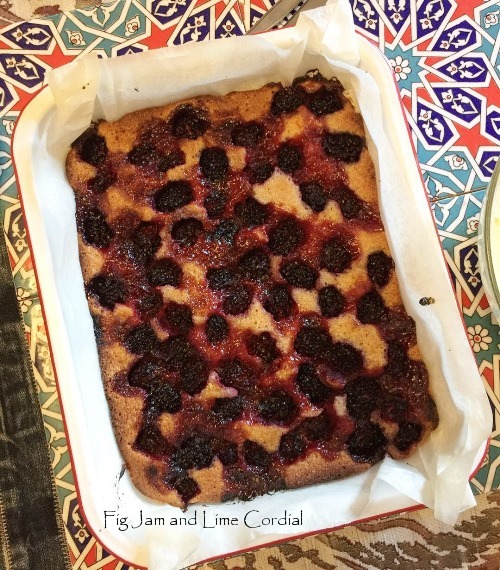
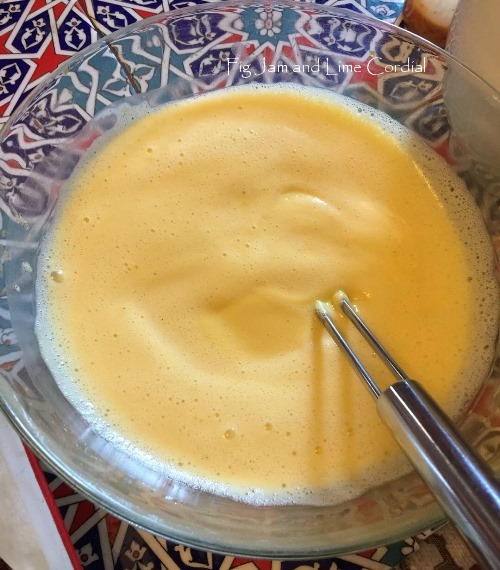
It used five of our backyard eggs – whites only, so I turned the yolks into microwave custard to accompany it (recipe is here). I used all five yolks in the custard, even though my recipe only specifies four, and it was completely fine…
We had friends over for dinner and the entire cake was demolished for dessert…

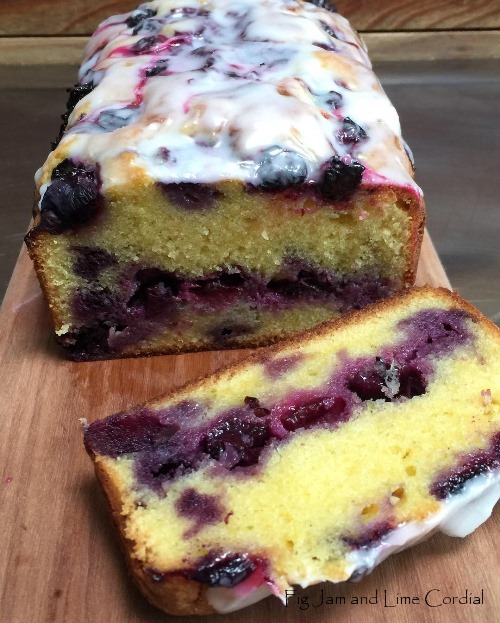
The following day, I tried the Blueberry, Almond and Lemon Cake. If you’d like to give it a go, the recipe can be found here. Our lemon tree is on holidays at the moment, so I used one of the many limes I have in the fridge…

The cake was moist and very moreish. Big Boy and Small Man had three slices each…
I can’t recommend SIMPLE highly enough! The e-book is  well formatted, with lots of hyperlinks for easy navigation, and about half the price of the hardcover version. You will need a tablet or a computer though – I don’t think it will work very well on the original black and white Kindle. Enjoy!

I have a problem with in-ear headphones.

Specifically, an earwax problem. My brother-in-law CC (who’s an ENT surgeon) suggested I try bone conduction ones instead, and they’re the bomb. I bought them in Singapore for about $200, but I believe they’re also available here in Australia. I bought the lighter weight ones – the kids bought the titanium model which is about $50 cheaper.

As you can see from the advertising photo, they sit against the side of your face rather than in or over your ear, transmitting the sound via vibration. Monkey Girl told me that the technology was originally invented for folks with hearing loss, as it bypasses the eardrum completely. According to the AfterShokz website: “Transducers guide mini vibrations through the cheekbones to the inner ears, delivering sound without plugging or covering them.”

I’ve now been using these for a month, so I can offer the following personal feedback:

  • they don’t give me an earwax problem, which is fantastic. They also don’t get gross like earbuds.
  • the sound quality is astonishingly good. It blew us all away from the moment we tried it in the store.
  • the microphone is excellent and phone calls made on them are clear.
  • they don’t work well on planes or other places with lots of ambient noise unless you’re happy to use them with earplugs (which I’m not).
  • they cause my cheekbones to ache if I wear them for too long. The tops of my ears as well, although that’s probably because they’re sitting on top of my glasses.
  • they’re much safer for walking and exercising out of doors, because you can hear a bike horn or an approaching car.
  • they’re not great to use while eating, as the chewing disrupts the sound transmission.
  • they’re hard to wear lying down, as the band is solid, so when you lie on it, the pads are pushed out of place.
  • they’re quite discreet, so if you have long (dark) hair, you can hide them quite well and ignore boring conversations without anyone noticing (my niece taught me that one).

As you can see, I’m still quite excited about them! If you’re interested in these, I’d recommend trying them first to see if you like the sensation – it takes a little bit of getting used to!

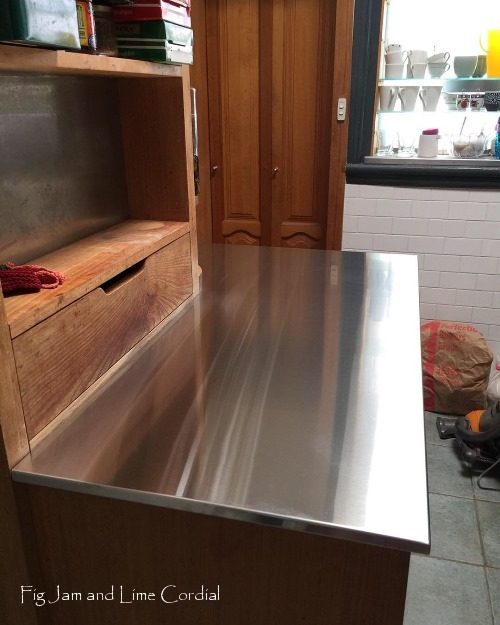
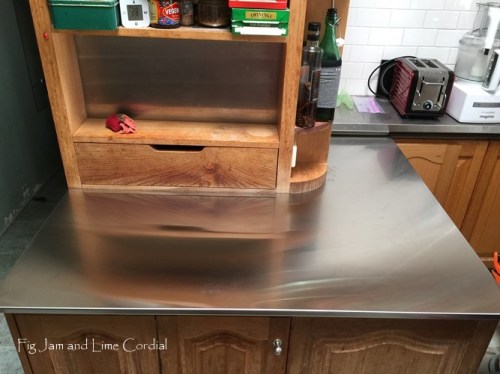
We have a brand new stainless steel bench!

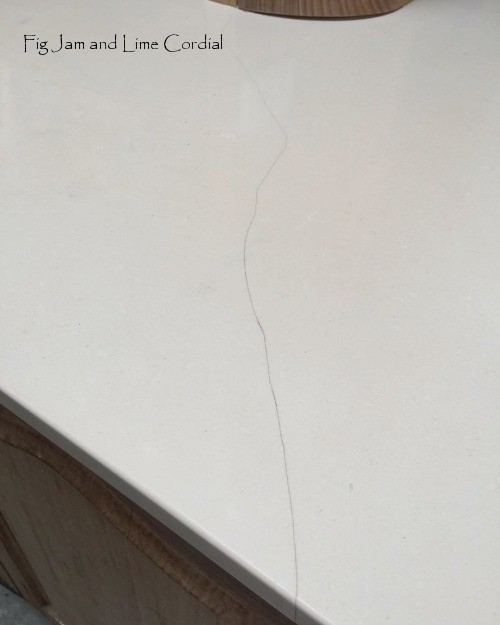
A few years ago, our 17 year old stone bench developed a crack, which gradually grew until it finally spread all the way to the corner. It was only a matter of time before it split in two completely…

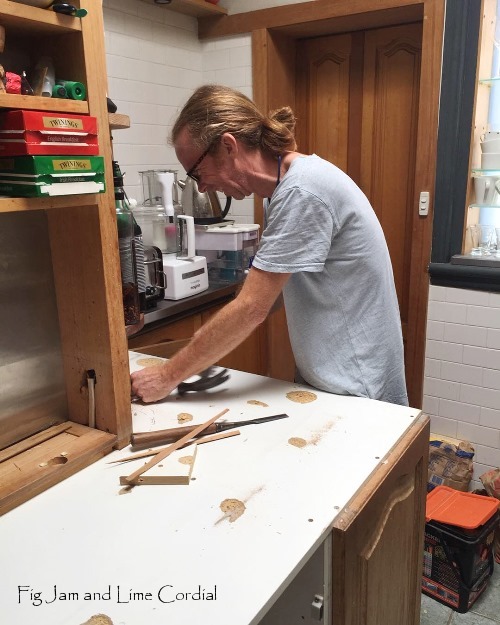
Pete thought it was a good idea to get a stainless steel replacement and his brother, wonderful Uncle Steve, arranged it for us. He came over and built a plywood template, then organised a company in Padstow to make the bench for us. It was surprisingly reasonable – only a few hundred dollars – but I suspect that was Steve’s trade price.

When we came back from Singapore, he popped over to install it for us…

At the end of the day, we had this shiny new bench…

Isn’t it gorgeous?

Pete and I are both thrilled with it, but let me sound a word of warning to anyone considering stainless steel as a bench top.

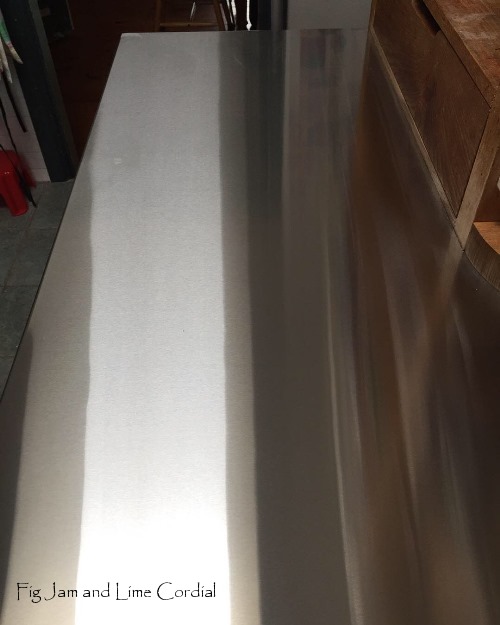
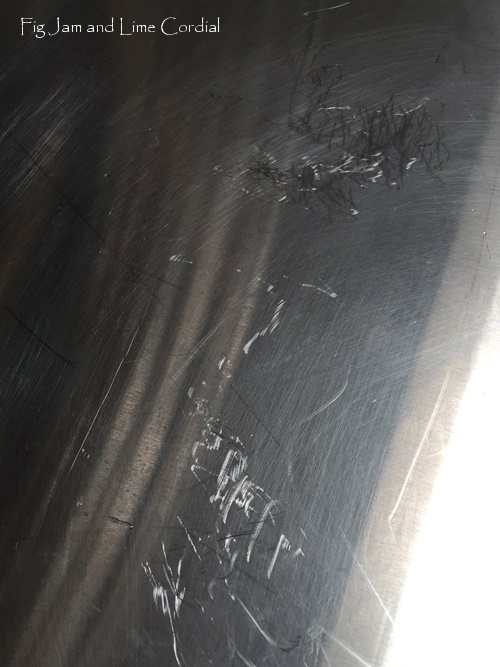
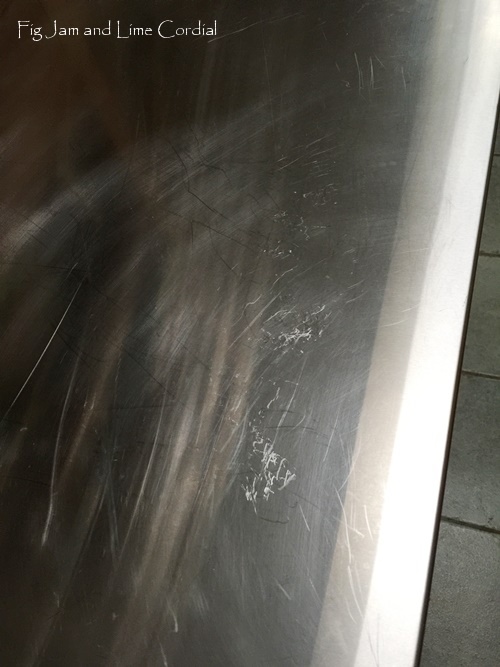
This is what it looked like after two weeks…

A metal bench will scratch the first time you put a bowl on it. I’d been pre-warned by both Pete and Steve, so I was mentally ready for it. But if you’re someone who loves smooth, unblemished surfaces, don’t get stainless steel as it will drive you bonkers. Fingerprints can be wiped off, but the scratches are there for good…

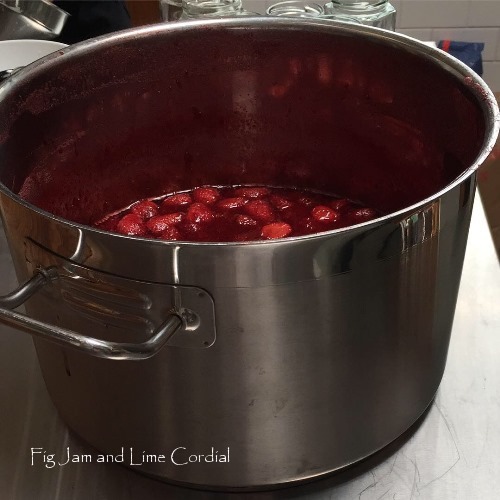
Having said that though, the bench is dead easy to keep spotlessly clean, as any residue on it is immediately obvious. And because of that, we’ve found ourselves treating it like stainless steel cookware – hot pots go straight onto it, as do rising bread doughs and freshly baked cookies…

Our kitchen is looking a bit mismatched at the moment, as we’ve only replaced the broken bench, leaving the stone one on the opposite side. That annoyed me for two days, but now my eyes have adjusted and I don’t notice it any more. I don’t mind the scratches either – I’ve decided to view them as patina!

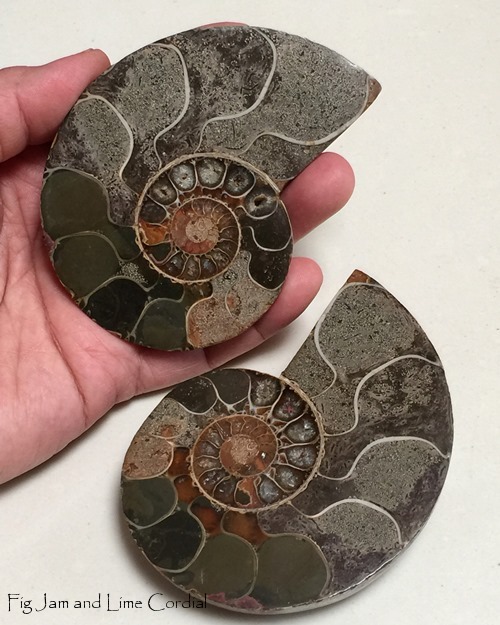
As you all know, I’m a mad keen fossil collector, with a particular passion for ammonites…

hd9e

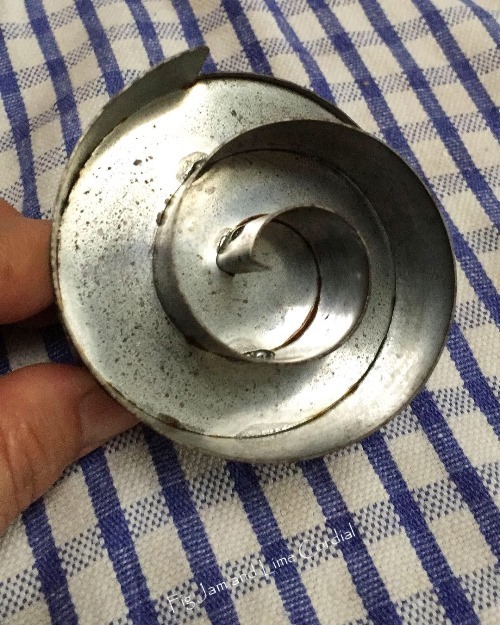
So I was a bit excited to discover that my bread stamp which I’ve had for years cuts perfect ammonite spirals…

I made up a large batch of my version of Em’s sourdough focaccia, using a 50:50 mix of bakers flour and plain flour, and let it prove overnight.

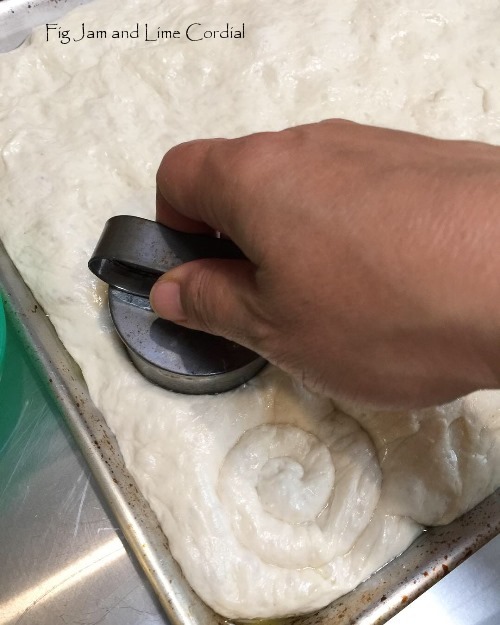
The following morning, I dipped my cutter into a bowl of water…

…and stamped away! I re-dipped in the water after every press…

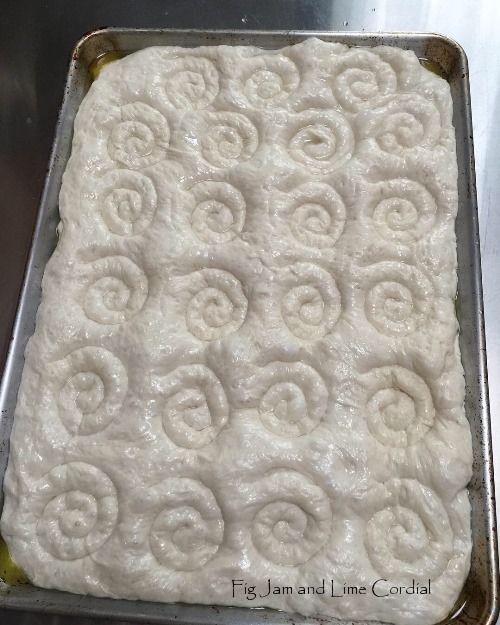
I was a little over-enthusiastic and ran our of space for the final row…

Fossil focaccia! I was so chuffed with how the slab baked…

This was huge fun to make and I’m going to experiment with cookie cutters next. If you try it with other shapes, please let me know how you go!

Loads of limes, lots of limes, luscious limes…there’s something very pleasing in the alliteration. It reminds me of the La La La song from Sesame Street that my sons loved so much when they were little.

But I digress, as usual.

Australian grown limes are crazy cheap in Sydney at the moment. Hard as it is for folks in other parts of the world to believe, we can pay up to $2 per lime when they’re out of season. Even just a few weeks ago, they were $1.50 each.

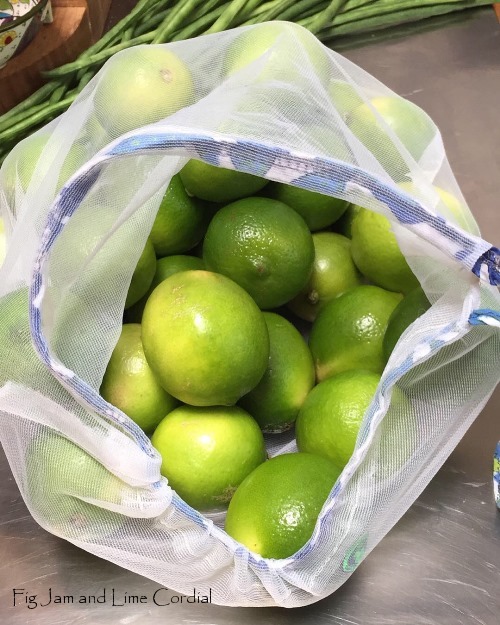
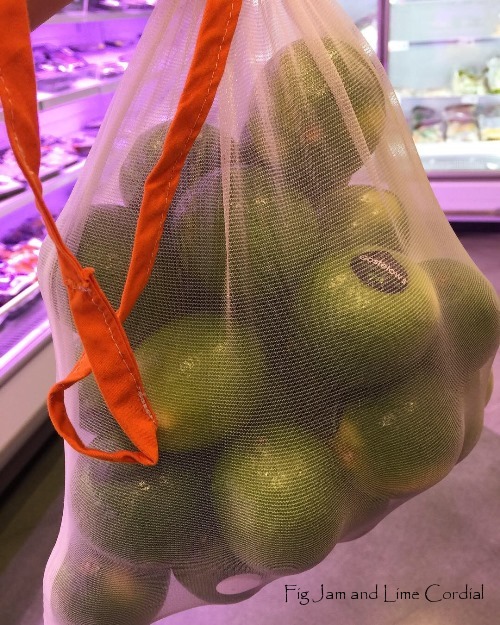
Then suddenly, they were 40c a lime at Harris Farm, so I bought a big mesh bag full. The following week, they were 25c each. I went back. Then yesterday they were 10 for $2. I went back again!

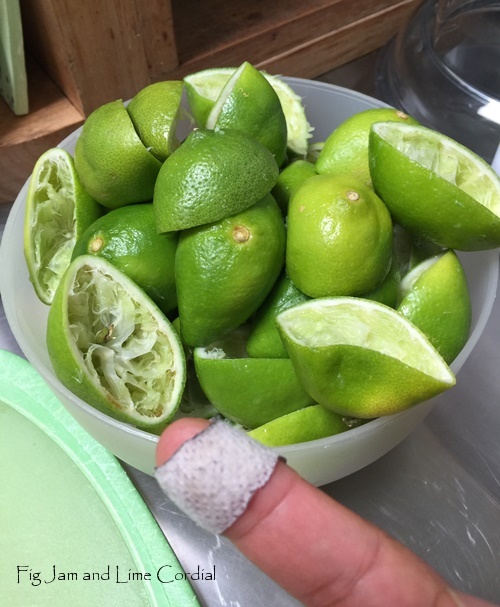
I dragged the juicer attachment for the food processor out and went to work. Not the smartest move when you’ve got a deep paper cut…

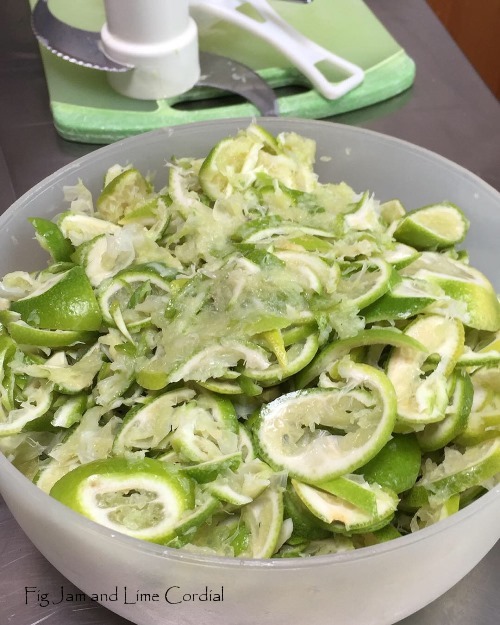
The juice was frozen in icecube trays, then popped out and stored in a box in the freezer. The rinds were too bulky for the Bokashi Bin to manage, so we passed them through the grater attachment on the food processor and Pete spread them out under our tiny, barely fruiting miniature lime tree…

When I asked why he did this, he explained that citrus needs acidic soil and around here we have trouble keeping it that way, so we either add citrus or sulphur. As the latter is expensive, we put all the lemon tree prunings and excess fruit through the chipper to create mulch and layer it over the soil under our lemon and lime trees.

With this batch, we cut the rinds up finely, which means they’ll dry and break down quickly, hopefully with minimal fruit fly problems.

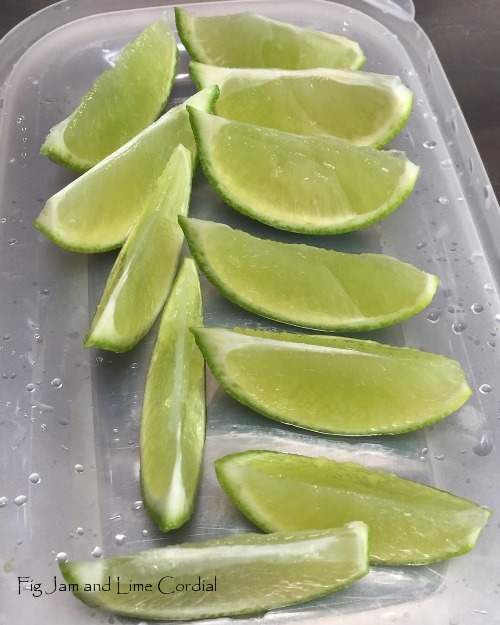
With the second bag I bought, I tried a couple of different freezer options. Lovely Moo suggested freezing them in wedges to use as a garnish in cocktails, which worked a treat. I laid them out on trays and lids to freeze…

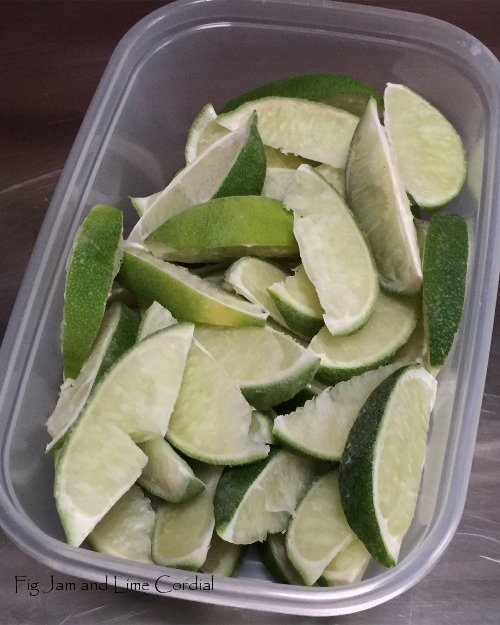
…then stored them in a reusable plastic box in the freezer…

My mad Viking friend Anita freezes her limes whole and then just hacks segments off to stick down the neck of her Coronas. I’m not game to try that, but I did freeze some of the fruit whole – apparently when you defrost them, they’re extra juicy because the cell walls burst. They should be good for curries!

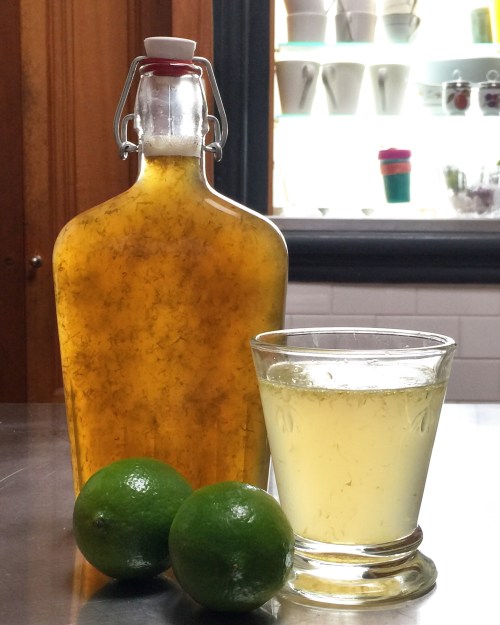
Today, I whipped up a batch of Linda Woodrow’s brilliant lime cordial. The recipe is here, and my take on it uses eight limes, a cup of water and 1¾ cups of raw sugar. I stash it in the fridge and serve it with soda water…

Finally, everyone knows that the main reason limes were created was for margaritas! And can I just say as an aside – kudos to the genius who figured out how to selectively grow seedless limes with exactly one nip of juice in each…

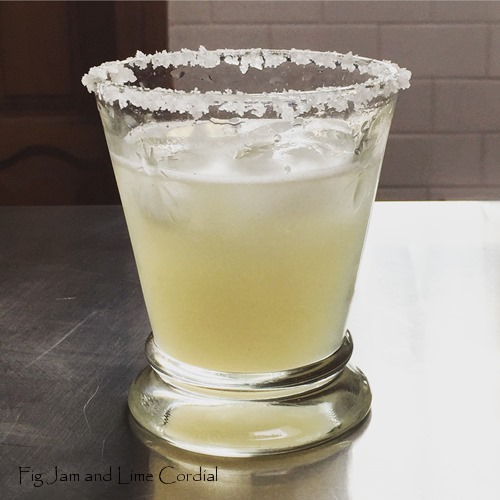
Here is my perfect margarita recipe, given to me by the lovely bartender at our favourite Mexican pub…

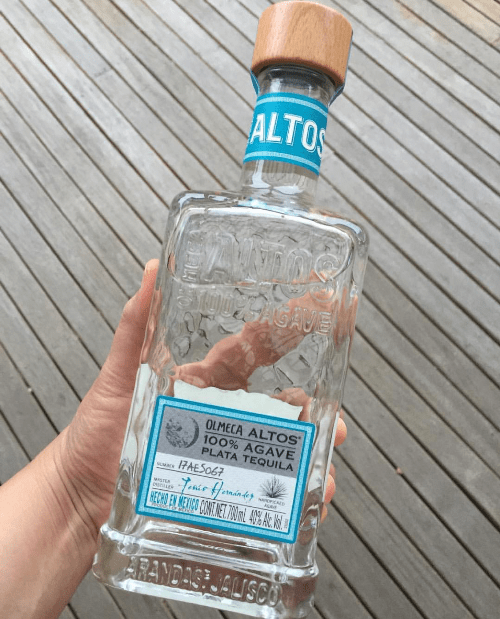
  • 30ml white tequila (I like the Olmeca Altos Plata)
  • 15ml Cointreau
  • 30ml fresh lime juice
  • 10ml sugar syrup

Combine with ice and shake enthusiastically. Serve in a flaky salt rimmed glass (I use Tasmanian sea salt). Drink. Repeat.

And you knew I couldn’t finish this post without sharing the La La La song, right? Enjoy! ♥