Reducing our green footprint has been an ongoing project for our family in 2018.
As I mentioned in last week’s post, we’ve made some big changes in an attempt to reduce the amount of waste we’re producing, but there’s also been quite a lot of fine tuning as well.
Here are some of the smaller changes we’ve made this year…you might want to grab a cuppa, because this ended up being a very long post…
. . . . .
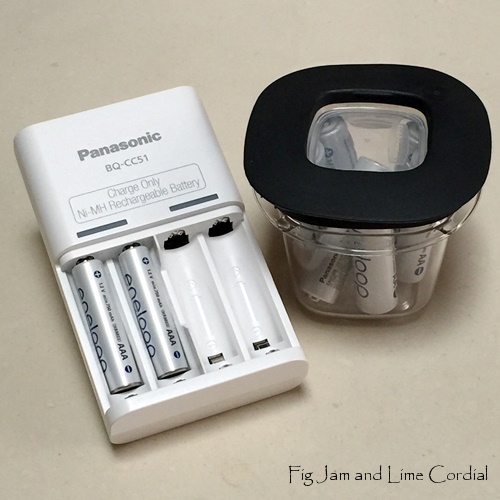
We’ve invested in rechargeable batteries again.
We tried this nearly 20 years ago, but the product wasn’t up to scratch back then – the batteries couldn’t be stored as they didn’t hold their charge well, and once in a device, they would run out very quickly.
Thankfully, battery technology has improved in leaps and bounds since then, and these new Panasonic rechargeables should hold 85% of their charge for up to a year. We bought ours at Costco…
. . . . .
I use a lot of razor blades in my bread baking, so I thought I’d try resharpening them. After reading that you can sharpen disposable razors using old denim jeans as a strop, I made a nervous attempt while holding the naked blade in my fingers. It worked reasonably well, but I’m not sure it’s something I’d do regularly.
Instead, I’ve decided to go back to using a lame. This nifty little holder keeps my fingers away from the razor, which seems to extend its life, as the oil from my hands was causing the blade to corrode between bakes…
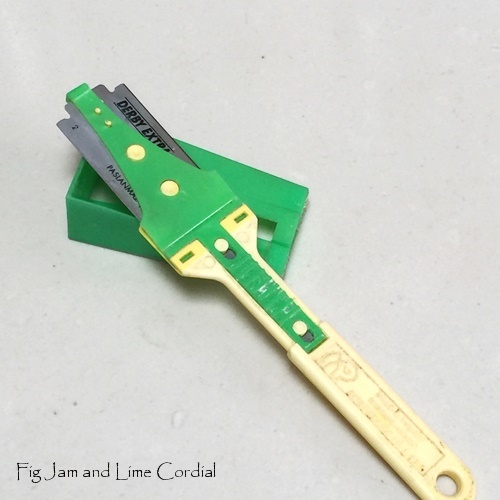
It has changed how my bread looks – I find it harder to produce intricate cuts with the lame, so I’ve reverted to just making a long slash down the middle of each loaf. On the up side, the resulting loaves are easier to slice and more useful for sandwiches…
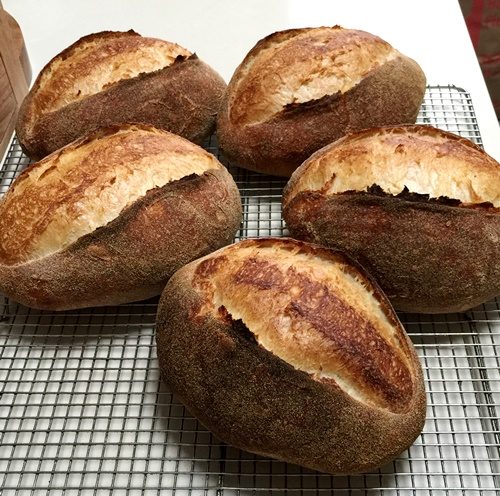
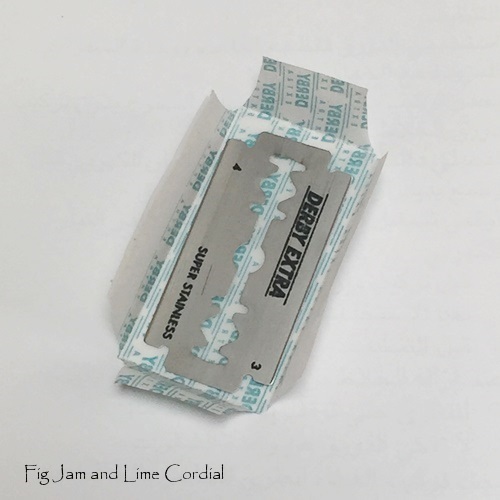
Two things to mention: firstly, the blade has numbers on each corner (a product of the manufacturing process), so I’m able to use each one four times. This means that a single razor can power through a lot of loaves before it needs to be replaced. I’m annoyed at myself for not noticing the numbers sooner – my friend Joanna had to point them out to me…
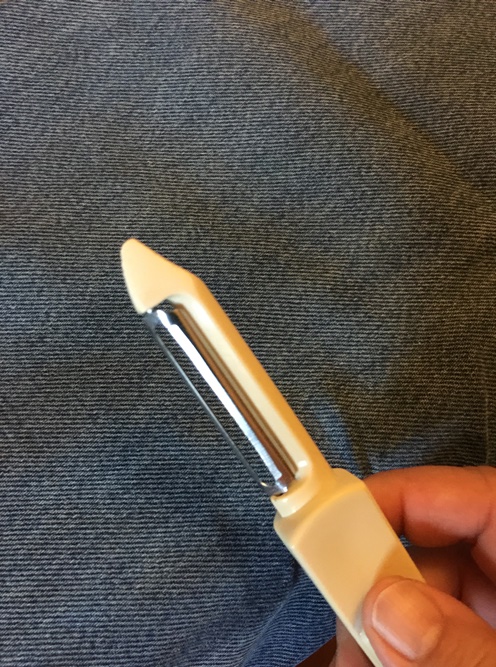
Secondly, I tried the denim jeans sharpening trick on my trusty old (and irreplaceable) potato peeler. It was fiddly (you have to hold the blade at just the right angle) but it worked a treat!
. . . . .
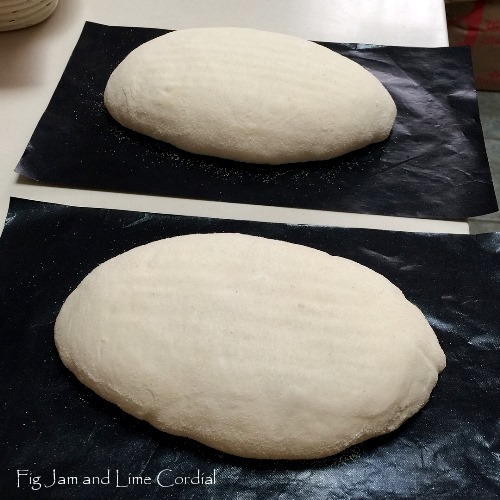
In my last post on waste reduction, I mentioned that I was trying to find a replacement for parchment paper to bake on. The parchment is silicone coated, so it’s non-recyclable, and as we don’t have a compost heap to add it to, it was all ending up (eventually) in the red bin.
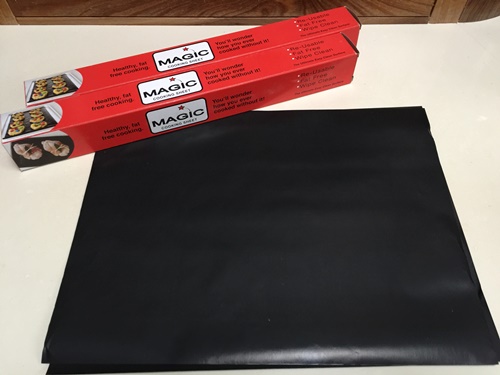
Helen and Tanzles both left me comments (thank you!) suggesting that I try barbecue/teflon sheets as a replacement (I’m not a fan of the rubbery silicone liners). Serendipitously, we had a Magic Cooking Sheet in our cupboard – a gift from Bob the Builder. We don’t own an outdoor barbecue, so it had never actually been used. I cut it in half that very night and made up two batches of dough.
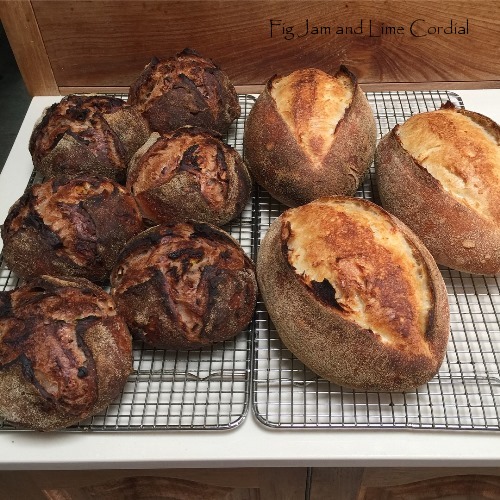
One-third of the loaves below were baked on parchment, the remainder on the barbecue sheets…and I was thrilled not to be able to tell the difference…
I found a couple more of these on sale at a local food service supplier for $11 each. You can also order them online directly from the company website. The sheets are made in Ireland and each 40cm x 30cm sheet can be cut in half to line two 30cm enamel roasters. They’re FDA-approved, reusable up to 2,500 times, and clean up easily in warm detergent. The only limitations are that they can’t go over an open flame, and they can’t be folded (I think they crack)…
If you can’t get hold of these, my lovely friend Kim in the UK has had great success using a Lakeland magic tray liner, which is available locally through the Good Guys website. There are also cheaper teflon sheets available on Ebay from China, although I can’t vouch for how well they will work.
. . . . .
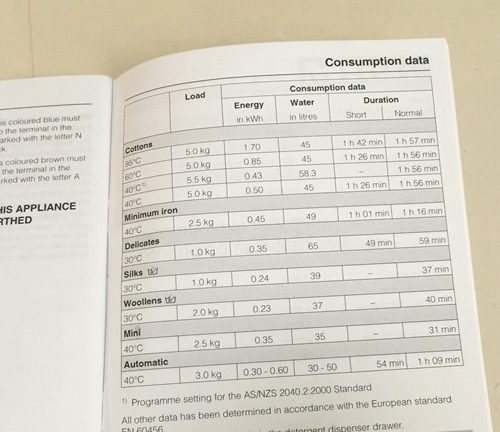
We’ve been studying all the consumption data in our appliance operating manuals to try and decipher the most efficient options. It’s not always the one you’d think – for example, in our Miele front loader washing machine, the “Wool” setting uses less water and energy than “Automatic/Quick Wash”…
. . . . .
Everything continues to be cheerfully wrapped in beeswax cloths.
Last week, I was delighted to unwrap a cut avocado in perfect condition after 24 hours in the fridge (it probably helped that it wasn’t over ripe). The only tricky bit is trying to remember what’s inside all the little wrapped parcels in the crisper drawer…
. . . . .
REDcycle in Victoria offer a great recycling service for soft plastics across Australia. We’ve been collecting plastic bags, clingfilm and other appropriate packaging, and depositing them weekly into dedicated bins outside Coles supermarkets.
They state on their website that they can’t take plastic packaging that has contained meat. When I emailed to ask if they would take the bags if I washed and dried them thoroughly first, this was their reply:
“If you are happy to prepare the chicken bags so that they are free of meat product and DRY, then yes, we are happy to accept them. The reason we usually ask that plastic which has contained meat be kept out of REDcycle bins is to avoid meat juices causing mould, which is an ongoing issue for us.”
So now I wash my meat bags in detergent and water, and hang them to dry before adding it to the recycling pile.
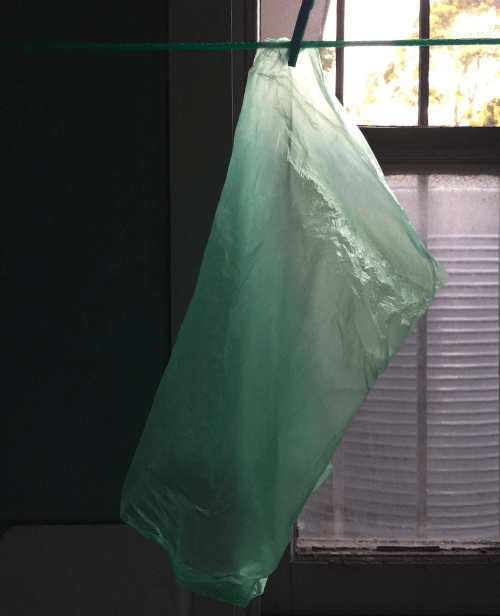
We’re also washing and reusing other plastic bags – this little green one held our entire season of snake beans, and we picked daily for almost a month! It’s now been washed and put away for another use…
. . . . .
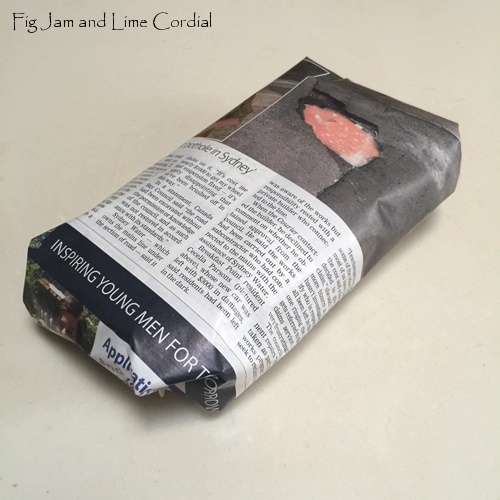
The compostable kitchen bin liners we found aren’t very strong, so we’re taking Leigh’s advice and wrapping any leftover scraps which can’t go into the Bokashi in newspaper and putting them straight in the red bin…
. . . . .
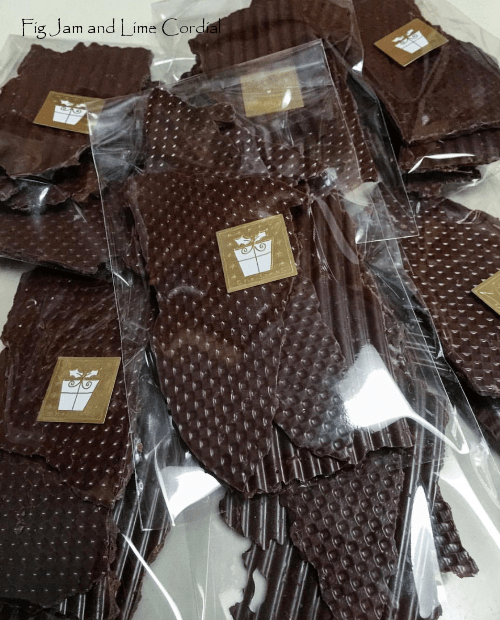
One of the few things I was still using single-use plastic bags for was chocolate.
It was a tricky problem to solve – left unwrapped, tempered chocolate will soon scuff and lose its hard earned shine. Confectionery foil is hugely expensive, and cellophane is worse than plastic, as the latter is at least REDcycle-able. Parchment paper can’t be recycled and to be honest, it’s an expensive option and pretty boring as gift wrap; brown paper is thick and unattractive. I’d found nice origami paper at Daiso, but wasn’t sure how food-safe it was.
So I was delighted when Reverse Garbage were given these large, thin sheets of food-safe paper. If you look carefully, you can see the misprint that led to them all being discarded. I’m sure the Ze Pickle hamburger franchise weren’t happy to have “Ze Qickle” on their wrapping, but kudos to them (or their suppliers) for choosing a reuse option over recycling or landfill.
I paid just $5 for 1000 sheets, and each one is large enough to wrap a small loaf of bread…
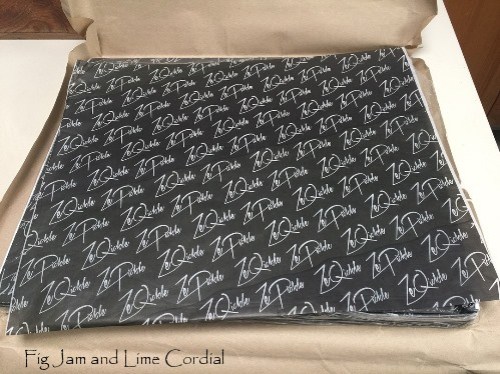
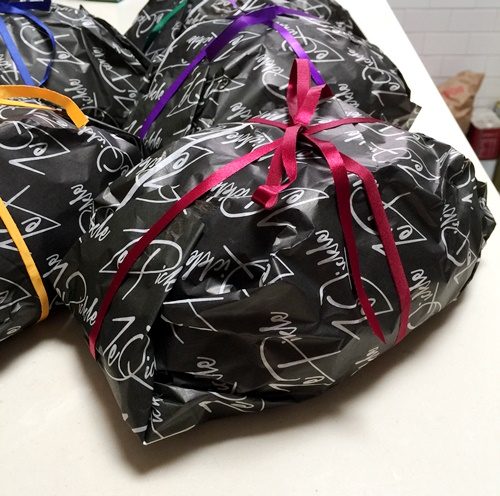
And they work brilliantly! The chocolate stays pristine, and the quirky wrapping is unusual enough for gift giving. In addition, the paper is very thin, which means it should compost or recycle easily. As you can probably tell, I was pretty happy to find these…
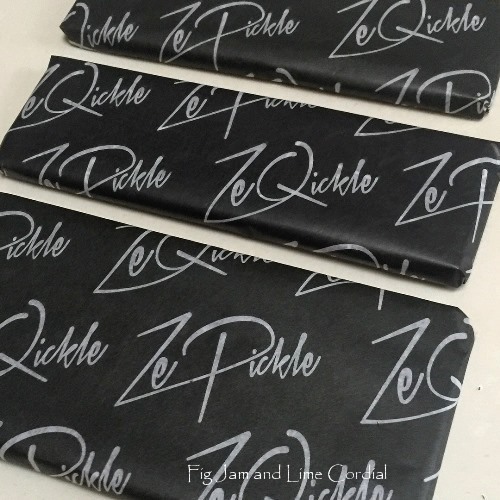
I even wrapped our Friday loaves in them, just for fun (as opposed to putting the bread in paper bags)…
. . . . .
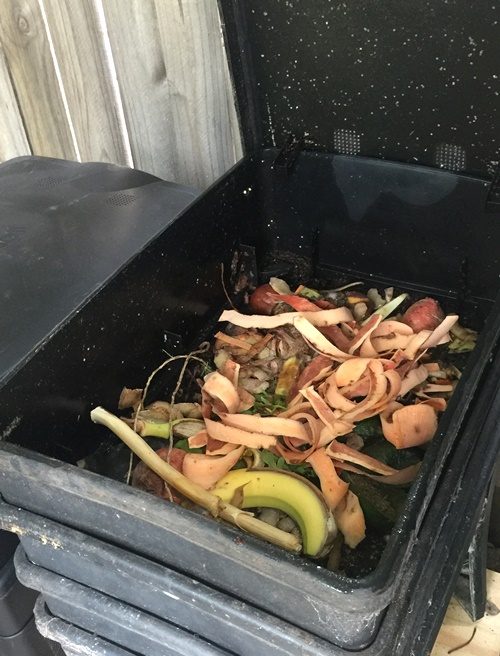
Finally, a couple of photos of our worm farm for Johanna.
We’ve had one going for a few years now, and have just added a second one in the hope that we can convince the worms (or failing them, the soldier fly larvae) to eat our fermented Bokashi waste.
Here’s a photo of the top tray of our established one…
And a quick pic of the second tray – the worms bury themselves once exposed to light, so I had to be fast…
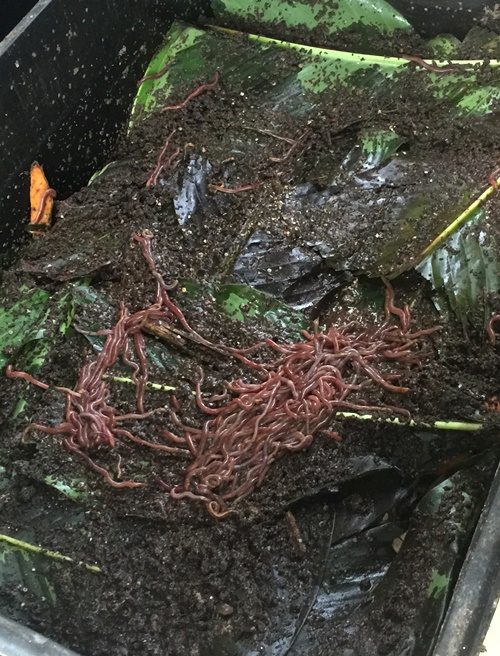
The worm juice is high in nitrogen, so it gets diluted down and sprayed on the plants as fertiliser (it’s particularly good for leafy greens). The castings are collected at regular intervals and used to create a potting mix, which eventually ends up in the garden. In combination with the poop provided by our chickens and our home-brewed comfrey tea, it provides most of the nutrients our veggie patch needs – we haven’t had to buy commercial fertiliser for quite a while now.
. . . . .
A few more little tweaks – all our light bulbs are low energy long life ones, glass wok lids now cover my rising dough instead of plastic shower caps, and bowls being heated in the microwave are topped with a plate rather than a paper towel. We’re trying to be more aware of our electricity and water consumption, turning appliances off when not in use and avoiding small wash loads.
Actually, that’s probably the crux of it all – we’re trying to be more mindful of all our actions, and making a conscious effort to stop and think before automatically reaching for a paper towel, or turning on an appliance, or throwing a wrapper in the bin, or purchasing food in excess to what we can eat or store.
I’ve learnt so much from all of you already, thank you for coming on this journey with us! I’d be grateful for any other tips you might have for fine tuning our waste reduction plan!
Read Full Post »













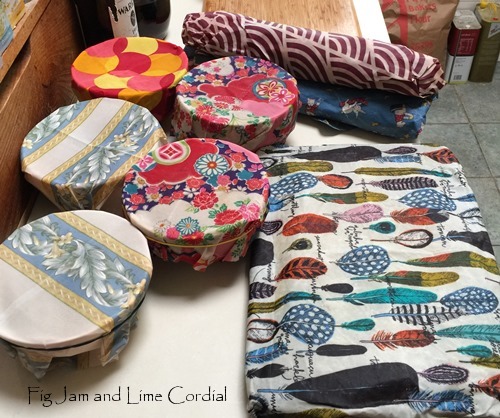



 Fig Jam and Lime Cordial