Feeds:
Posts
Comments

Archive for the ‘Recipes’ Category

Chestnut Soup

I adore chestnuts.

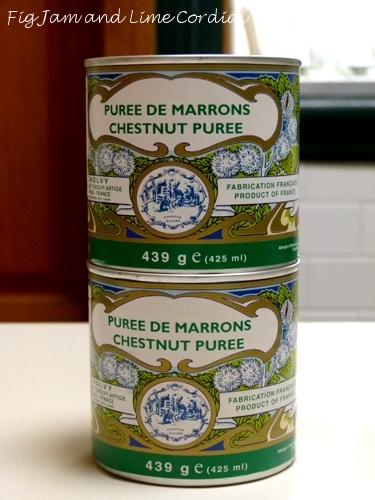
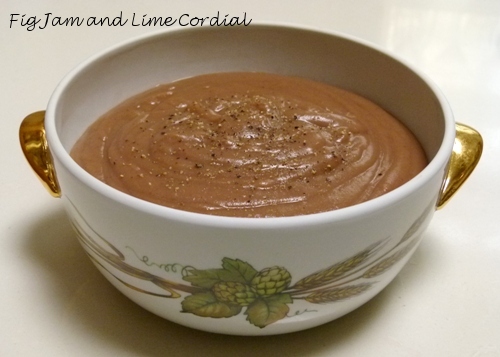
This soup recipe is thick and satisfying, and very simple when made with tinned chestnut puree

  • 1 large potato, peeled and cut into chunks
  • 1 large or two small onions, peeled and chopped
  • 2 cloves of garlic, peeled and chopped
  • 2 – 3 cups (500ml – 750ml) stock (I used homemade chicken stock)
  • 1 tin chestnut puree
  • vegetable oil
  • extra water (if required)
  • salt and pepper

1. In a large pot, heat a little oil and fry the onion and garlic until soft.  Add the potato and stir well to coat.  Add the stock and bring to a gentle simmer.  Cover and cook until the potato is soft.

2. Add the chestnut puree and stir to incorporate.  Cover the pot again and continue to simmer gently for a few minutes more.  Then remove the lid and blitz the soup with a handheld immersion blender until smooth.  If the soup is too thick, add a little water and reheat to combine.  You could also add cream at this stage if desired. Season with salt and pepper to taste.

The soup thickens as it cools, so I add a little water when reheating. It’s delicious and very filling!

Read Full Post »

Lemon and Buttermilk Cake

Remember the gorgeous Pepe Saya buttermilk?

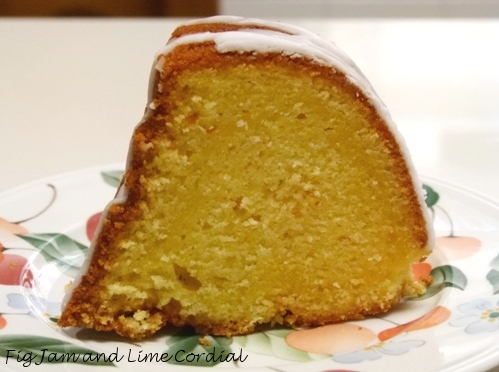
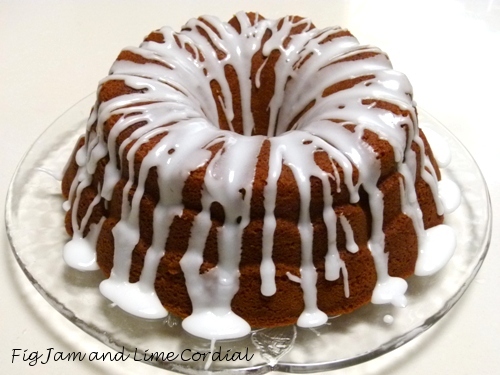
It was brilliant in this lemon and buttermilk cake. Adapted (only very slightly) from a prize winning CWA recipe, I’ve been baking this easy treat for years. If you don’t have buttermilk, substitute regular milk with a tablespoon of lime juice.

  • 250g (1 cup) unsalted butter
  • the grated rind of one lemon
  • 220g (1 cup caster sugar)
  • 3 large (59g) free range eggs, separated
  • 300g (2 cups) self-raising flour
  • 250ml (1 cup) buttermilk
  • 100g icing sugar mixture (confectioner’s sugar)
  • lemon juice

1. Spray a cast aluminium bundt tin with vegetable oil. Preheat the oven to 150C (300F) with fan.

2. In a large mixing bowl, cream together the butter, sugar and lemon rind.  Add the egg yolks one at a time, mixing well after each addition.

3. Beat in the sifted flour and buttermilk alternately until combined.

4. Beat the egg whites until stiff.  Stir a large spoonful into the batter to loosen it, then carefully fold the remaining egg white in, being careful not to knock all the air out of the mixture.

5. Scoop the batter into the prepared tin and bake for about an hour, until a skewer inserted into the thickest part of the cake comes out clean and free of any uncooked batter.  Rest the cake for ten minutes before turning onto a wire rack to cool completely.

6. In a small bowl, sift the icing sugar mixture, then add enough lemon juice to create a thick but pourable icing.  Drizzle decoratively over the top of the cooled cake.

Pop your feet up, and enjoy with a hot cup of tea!

Read Full Post »

Dinners at Home

One of the great joys of a backyard garden is that even when you’re sick and can’t get to the shops, it’s still possible to put a decent meal on the table!

When I was unwell a couple of weeks ago, I made a giant vat of pasta soup that fed us all for two days. It was flavoured with Johnny’s free ham bones and loaded with garden veg – kale, kohlrabi, broccoli rabé, leeks, chard, potatoes and carrots. This household staple (which Big Boy’s girlfriend refers to as “gruel”) is an absolute blessing – it ensures that everyone gets their daily vegetable quota, it keeps well and reheats brilliantly, and if I cook a large enough pot, there are leftovers for dinner the following evening.

. . . . .

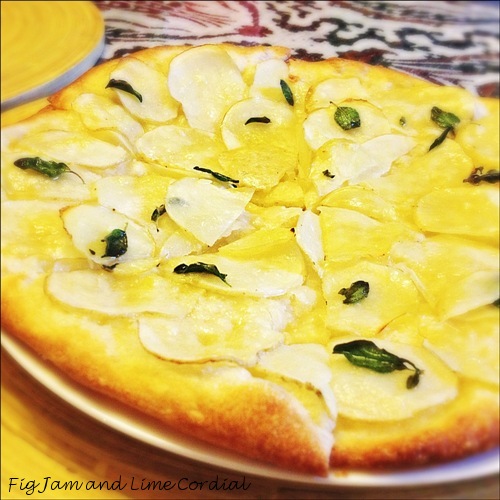
On Thursday night, we made potato pizza, using new season spuds topped with fresh oregano and garlic oil…

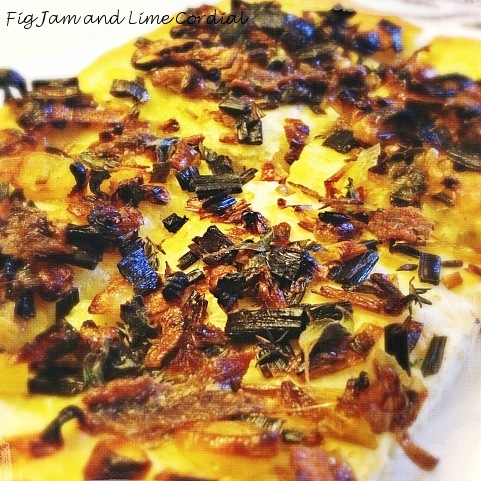
…perennial leek and anchovy pizza…

…and served them with meatballs, made by combining free range pork mince, sourdough bread crumbs, Francesca’s egg, cumin, coriander, salt and a generous splash of Pepe Saya buttermilk

. . . . .

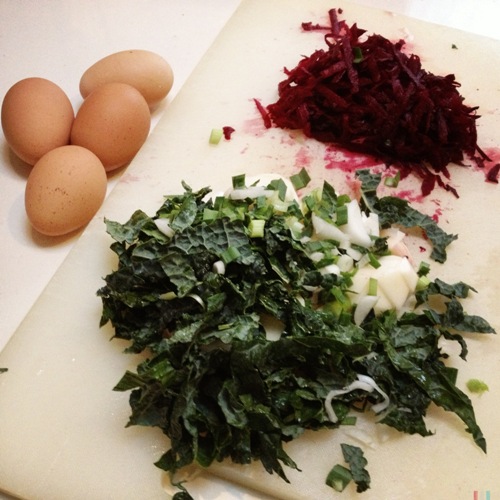
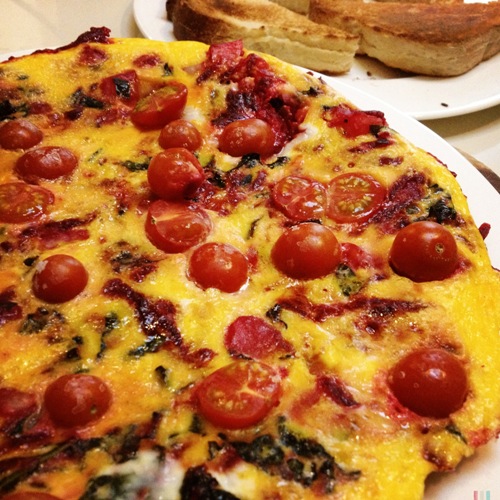
And on Friday, inspired by Brydie’s post, we wandered into the garden and brought in four new potatoes, some Tuscan kale, a perennial leek and a fat beetroot. The leek and kale were chopped, the potatoes diced and the beetroot grated.  Four fresh eggs were beaten in a small bowl…

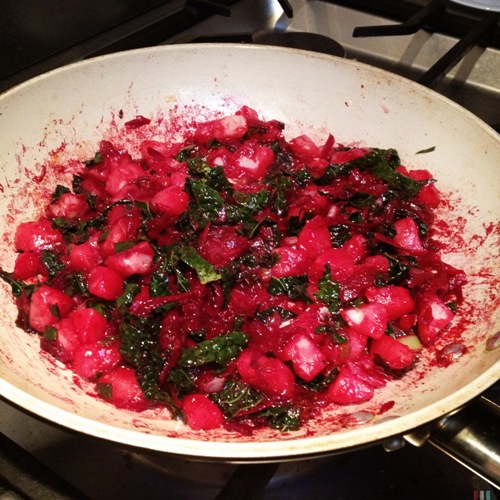
We fried the leek, potatoes and kale in a little olive oil until soft, then added the grated beetroot…

The beaten eggs were poured over the top, and the tortilla cooked gently until the base was set. A few cherry toms from our mad tomato tree were scattered over the top.

The pan went under the grill for just a couple of minutes to cook the top. It was absolutely delicious, seasoned simply with salt and pepper, and came entirely from our backyard. We served it with toasted cheese sandwiches…

In the past, dinner preparations often necessitated a last minute dash to the shops for supplies.  I don’t miss those days at all!

Read Full Post »

Birthday Pavlova

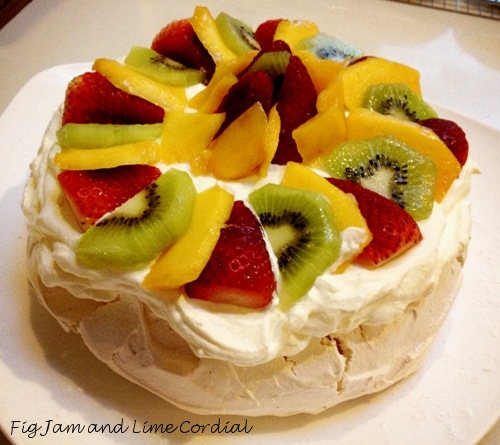
I baked this small pavlova recently for my dad’s birthday.

It’s a recipe that I’ve blogged about before, but it’s so reliable and so delicious that I thought it warranted another post.  It’s a very old recipe, from Maureen Simpson’s now out of print Australian Cuisine. And unlike many of the newer recipes, it always produces a cracked shell – which doesn’t bother me in the least, because there’s always a thick layer of cream and fruit on the top to cover up any flaws.

The four egg whites I used had been in the fridge overnight, and we topped the pavlova with strawberries, mango and kiwi fruit.  These quantities will comfortably feed six for dessert.

  • 4 free range egg whites
  • good pinch salt
  • 1 heaped cup (220g) castor sugar
  • 1 teaspoon white vinegar
  • 1 level tablespoon (4 teaspoons) cornflour (cornstarch)
  • ½ teaspoon vanilla extract
  • whipped cream and fruit

1. Preheat the oven to 200C (400F) with fan.  Line a baking tray with greased parchment paper, dust with cornflour and tap away the excess.

2. Beat the egg whites and salt until stiff, then add the sugar one large spoonful at a time until fully incorporated.  The meringue should be thick and shiny.  Gently stir in the vinegar, sifted cornflour and vanilla.

3. Using a bowl or cake tin, mark an 18cm (7″) circle in the cornflour. Pile the meringue evenly into the circle, and smooth the top gently. The mixture should sit about 6cm (2½”) high.

4. Turn the oven down to 110C (230F) with fan.  Place the pavlova in the oven, and bake for 1¼ hours. Allow the pavlova to cool in the oven, with the door slightly ajar.

5. Carefully transfer the cooled pavlova to a serving dish (I find it’s quite sturdy once cooled).  Less than an hour before serving, top with whipped cream and decoratively arranged seasonal fruits.

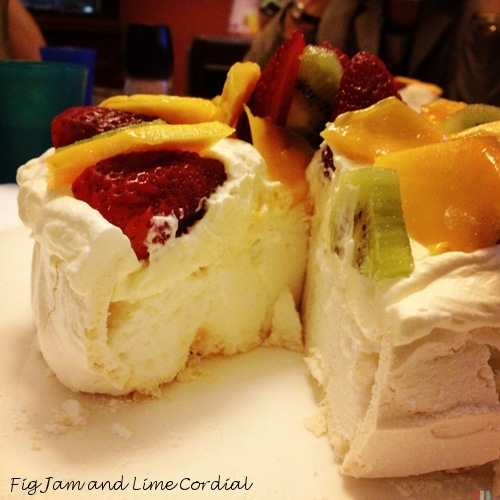
This is not a recipe for a smooth, “perfect” dessert – the finished result is always a little rustic. It is, however, the most delicious pavlova any of us have ever eaten – not overly sweet, with a thick marshmallowy centre. If you’d like to see construction photos, please have a look at our original post here.

This is a very easy dessert to make – I’ve baked it more than a dozen times, without a single failure.  It’s especially comforting to know that even if the top cracks and sinks, the finished pavlova will still be fantastic!

Read Full Post »

Roast Beef

I first met Pete’s grandmother when I was nineteen years old.

It was a scary moment – Pete had forewarned me that his father’s mother was the family matriarch, and ruled with an iron fist.  She also had, I was told, a dim and fairly old-fashioned view about Asians taking over the country.

Lunch was just the three of us, and a couple of hours in, she pulled me aside and told me how outgoing Peter was in my company, and how pleased she was that I’d made him wear his suit jacket for the visit.  By the end of the day, we were firm friends, and remained so until she died.

Grandma was incredibly sharp well into her later years – at eighty she was still punting on the stock market and swimming daily laps in her pool.  She also baked amazing roast dinners.  I once asked her how it was done, and I still smile when I remember her instructions:

“When I was younger, ” she said, “I had one of those automatic ovens, which was quite new at the time.  I would prepare the roast – preferably a bolar blade –  and set the timer on the oven. Then I would go sailing for the day, and when I came home, the roast would be ready.”

In actual fact, her rules for success were quite simple.  She would roast the meat for hours and hours (there was no such things as “rare” in Grandma’s house), then rest it in a warming oven for as long as possible prior to serving.  She was also adamant that the meat should never be poked or skewered until ready for carving, or the precious juices would be lost.

. . . . .

Recently, we defrosted a 1.75kg slab of Cape Grim Scotch to roast for dinner. At 2pm, we rubbed the meat with olive oil, salt and pepper, then browned it in a hot pan.

It was placed in our 24cm Emile Henry Flame casserole pot with a cup of water and the deglazed juices from the frying pan.  The pot was covered, and baked in a 150C fan-forced oven for three and a half hours, during which time I went sailing. (Ok, no I didn’t. But does surfing the net count?)
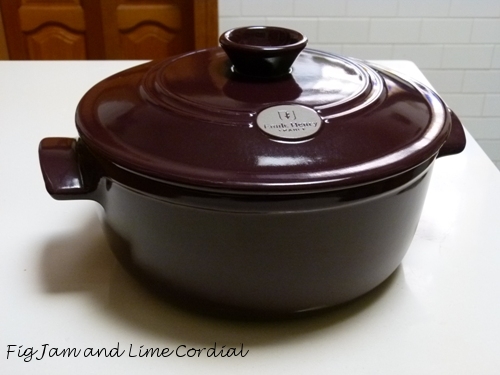
At about 5.30pm, we  poured off the liquid (which was used for gravy) and returned the covered pot to the oven for a further 30 minutes. (As you might have guessed, we were figuring this out on the fly, so I’m writing it down before we forget!)

After the four hour baking time, the covered pot was placed on an insulated trivet and allowed to rest for a further hour while we prepared the boiled new potatoes, roasted beets, gravy and coleslaw.  The clay pot kept the meat beautifully warm as it rested.

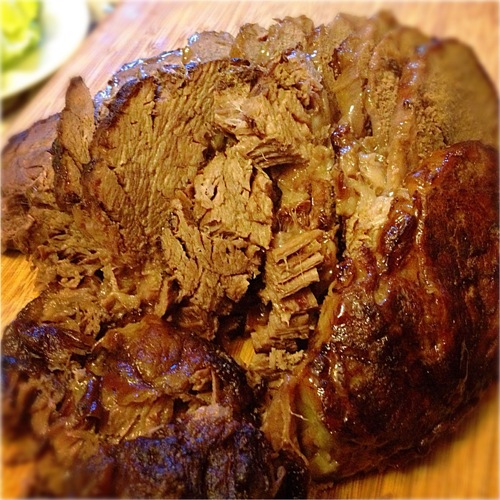
It was without doubt the best roast we’d ever made – so tender that it shredded when we tried to carve it. The flavour from the slow cooked grassfed beef was astonishingly rich.

As we were eating dinner, Pete said, “you know what, babe?  Grandma would have been proud.”

I’d like to think that’s true!

Read Full Post »
« Newer Posts - Older Posts »