Feeds:
Posts
Comments

lemon-curd1

Here it is, from March 2009, our original microwave lemon curd post. It’s outrageously easy, and even more special these days, as we now make it with our homegrown lemons and backyard eggs. Over the years, we’ve adapted this microwave technique to both custard and pastry cream.

. . . . .

I’ve just been on the phone to Christina, and I’ve promised her I’d post my lemon curd recipe.  Actually, it’s not really my recipe at all – I discovered it  here – and unbelievable as this sounds, it makes brilliant lemon curd in the microwave.

The first time I tried it, I made five batches, one after the other, because I simply couldn’t believe it was working.  I thought it was a fluke and kept waiting for it to fail, but it didn’t and I ended up with fifteen jars of lemon curd in the fridge, all of which had to be eaten within a few weeks.  Ah well, the neighbours were happy.

Microwave lemon curd

1. Zest two big lemons into a large pyrex bowl. Juice both lemons, and strain the juice into the bowl (you want about 150ml of lemon juice). Add 50g unsalted butter and 150g caster (superfine) sugar. Microwave on high for 2 minutes (my machine is 1100 watts). Take it out and give it a good stir to make sure the sugar is dissolved and butter melted. Allow to cool just slightly.

2. In a separate bowl, whisk together 3 large free range eggs and one egg yolk. Whisk well – you want it to be an homogenous yellow with no white stringy bits. Pour the eggs through a sieve into the butter mixture, whisking as you go (having an extra set of hands helps). Once it’s all combined, pop the pyrex bowl back into microwave.

3. Microwave for 30 seconds on high, then stir. Another 30 seconds on high, stir again. Then 1 minute on high, take it out, and give it a really good whisking until it becomes smooth and lemon curd like. You might need a little bit more time, but in my microwave, that’s it. You can then pour it into sterilised jars and stick it in the fridge, or pour it into a pre-baked tart shell and let it set in the fridge (which is how I made my tart), or you can freeze it.

You can also make passionfruit curd by adding 1/3 cup of passionfruit pulp when you add the eggs.  If you’re doing that, you might want to cut the lemon zest back a little bit.  Enjoy!

. . . . .

More on making microwave lime curd here… A Bowl of Sunshine..
This first post was written in January 2010. The Somerville Collection remains one of the most impressive museum displays that we’ve ever had the privilege of viewing.

. . . . .

The Australian Fossil and Mineral Museum, in Bathurst NSW, is home to the Somerville Collection. We made the three hour trip from Sydney last week  with high expectations, and we certainly weren’t disappointed. The quality of specimens on display was absolutely astounding.

As Pete astutely commented, “there was no padding”.  Every single piece was magnificent, and the small museum took quite a while to view,  because each display was totally captivating.  We spent the better part of a morning exploring the two main exhibitions – the Minerals Gallery and the Masterfoods Fossil Gallery.

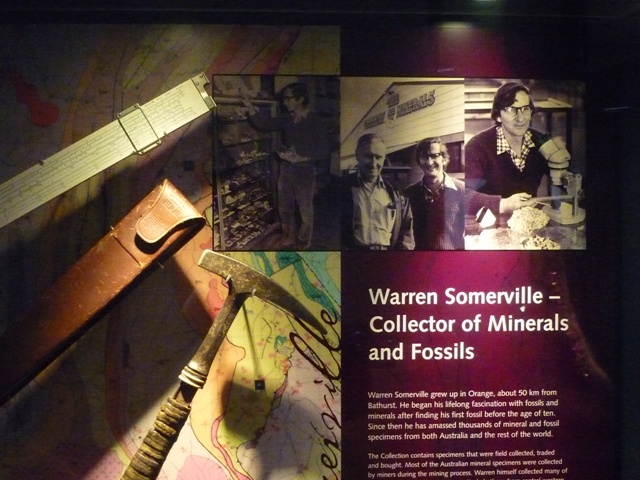
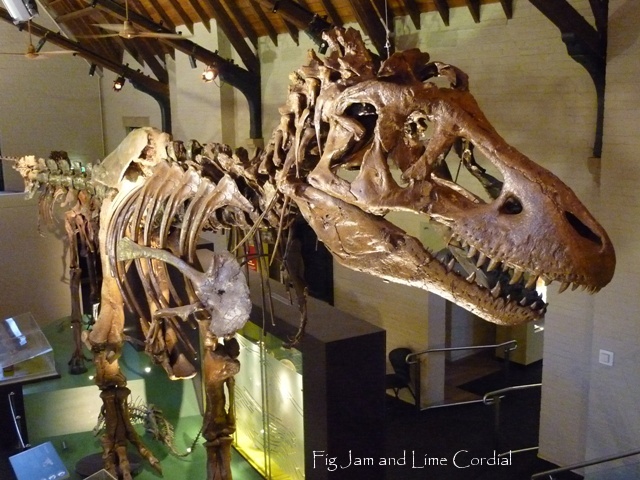
The collection represents the life’s work of Warren Somerville, an extraordinary Australian with an incomparable passion for minerals and fossils.  Story has it that when the full sized Tyrannosaurus rex cast (the only complete specimen in Australia) was delivered to his home, his wife decided it was time for either a museum or a divorce.

Many of the mineral specimens on display are the finest examples of their type in the world. I felt like we’d been to the rock equivalent of the Louvre, all for a tiny entry fee of $21 per family.  To understand the scale of this collection, it’s worth mentioning that Professor Somerville was offered $15 million to move it to Japan, but chose instead to donate it to a regional museum in New South Wales.

Here are the highlights from the ninety-odd photos I took, all handheld, without flash and mostly through glass cabinets – and all taken with my little Lumix camera. Clicking on the items will open up a higher resolution photo.

The specimens included a football-sized Tasmanian Crocoite…

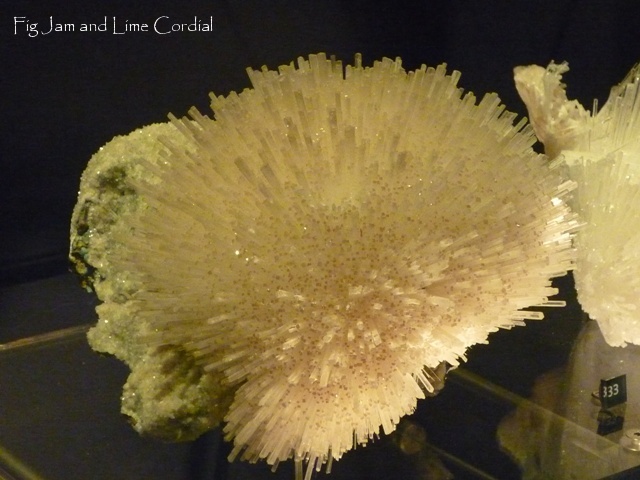
…this magnificent Scolecite, which reminded me of a large sea anemone..

…a huge (as in boulder-sized) Amethyst Quartz from Rio Grande do Sul, Brazil, in a formation known as an oyster…

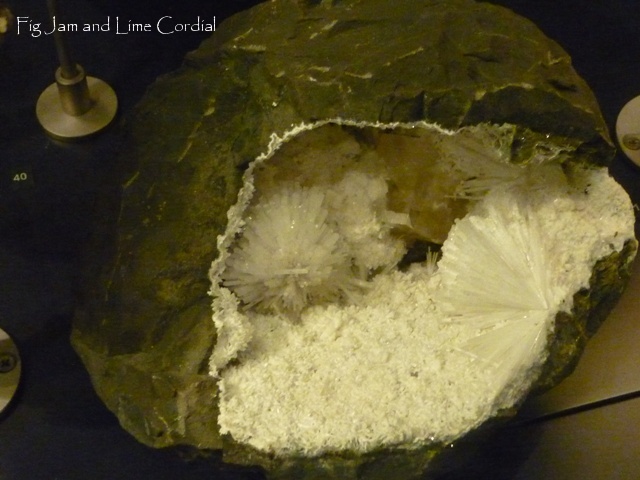
…Natrolite in Vugh…

…and several examples of my favourite mineral, Malachite.

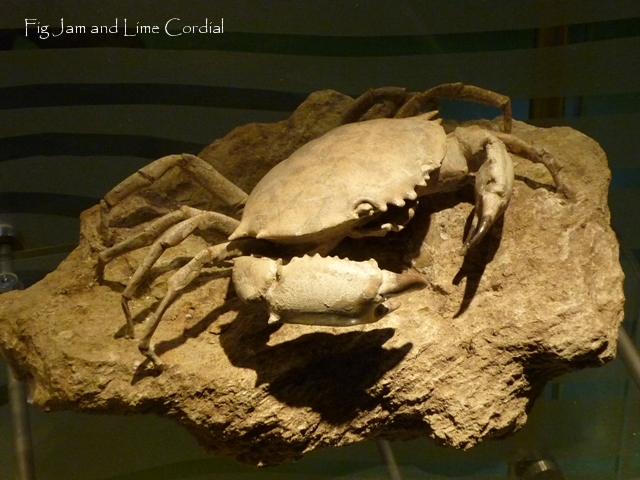
The fossil section of the museum was equally as impressive, and while it was hard to top the T-Rex, this large petrified crab from Monte Bolca in Italy came close.  It’s exquisitely detailed – astonishing given that it’s more than 34 million years old.

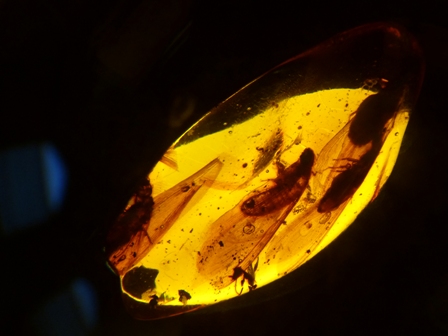
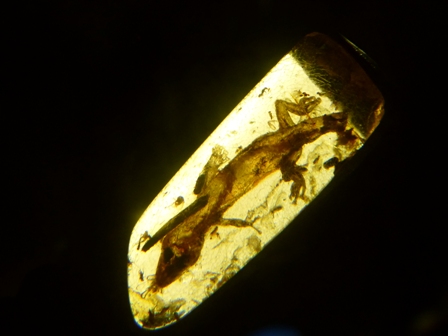
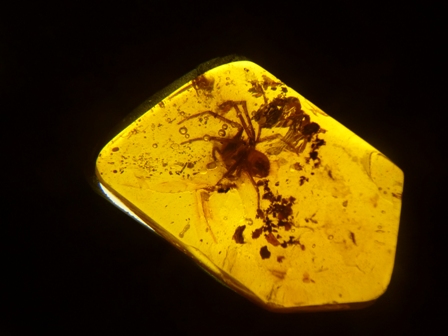
There was an outstanding collection of Amber – these photos were taken through a magnifying glass which slid over the cabinet.  The Madagascan gecko is a very rare specimen –  over 43 million years old and one of only six in the world.  This display made me blissfully happy, as I’ve wanted to see true Amber with inclusions for a very long time…

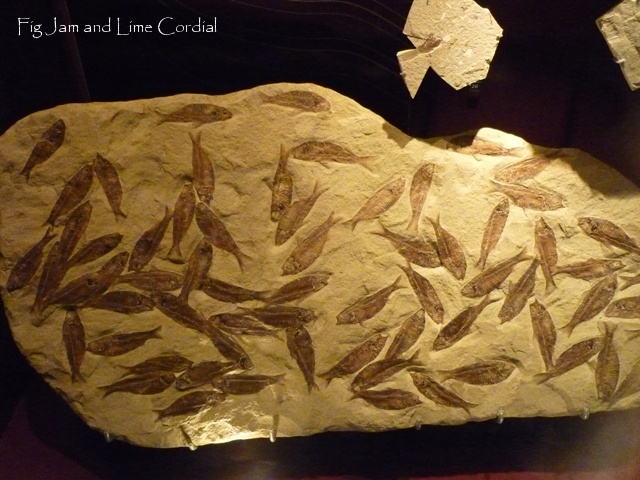
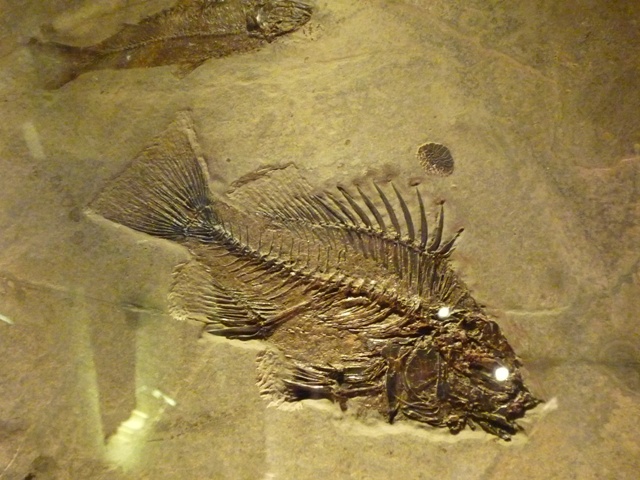
This shoal of herring-like fish were trapped and fossilised 50 million years ago in freshwater lakes in the US.  Known as Green River Shale,  the rocks from these lakes in Wyoming, Utah and Colorado have unearthed a wide selection of aquatic fossils, including the rare garpike in the bottom photo.

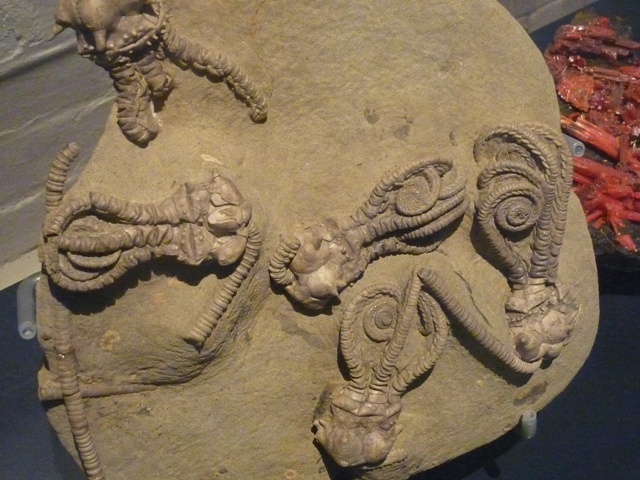
A collection of crinoids from Western Australia – these “sea  lilies” were related to starfish and were the most abundant marine creatures  490 – 250 million years ago.  Modern varieties still exist today.

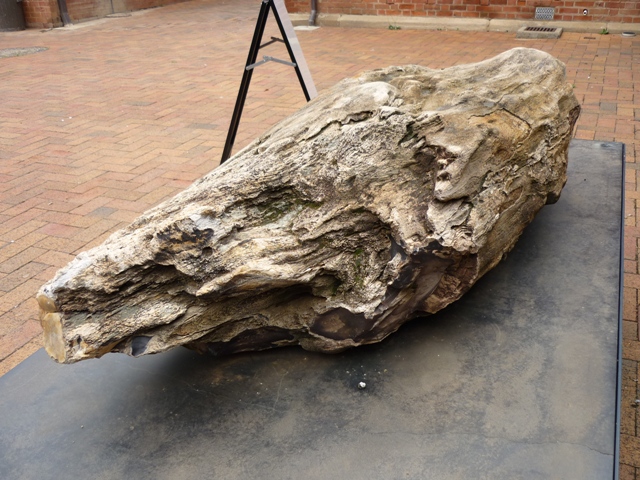
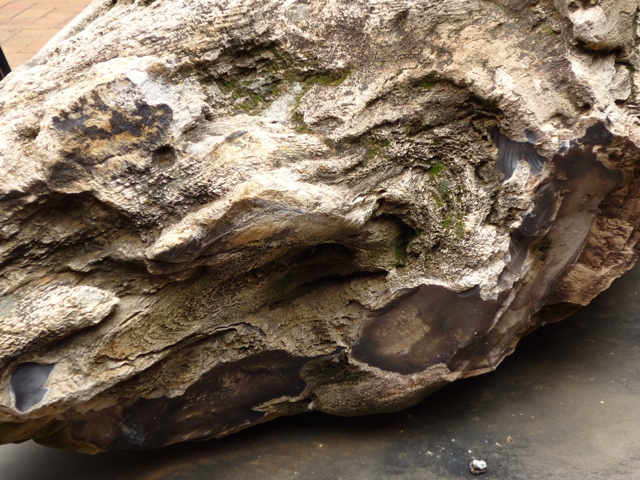
Outside the museum lies the trunk of a petrified gum tree, uncovered in Molong, less than a 100kms west of Bathurst.  Weighing over a tonne, the organic material in the tree has been replaced with agate over the past 20 million years.

Professor Somerville, thank you for your enormous generosity in sharing  these amazing specimens with us.  We feel extremely privileged to have had the opportunity to view them, and our lives are all the richer for having visited your museum!

. . . . .

The Australian Fossil and Mineral Museum
224 Howick St
Bathurst  NSW  2795
Phone: (02) 6331 5511

www.somervillecollection.com.au

Dear friends,

I’m taking a short blogging break to recharge my batteries.

Over the next couple of weeks, I’ll be uploading some of my favourite archive posts from the last five years – hope you enjoy them!

See you all soon! x

After the debacle with the bought puff pastry, I was a bit nervous about the packet of fillo that was still sitting in my freezer.

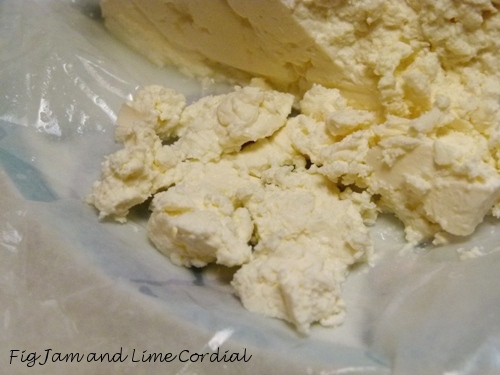
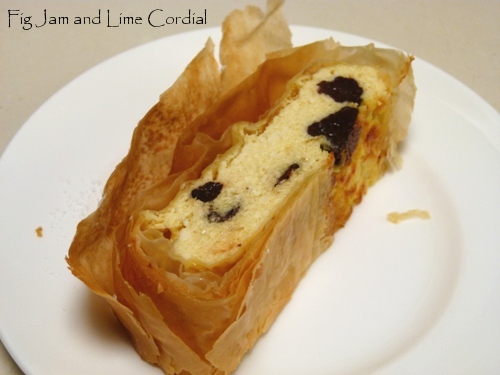
I shouldn’t have been, because it was superb – it was easy to handle and it baked to perfection. I’d bought a kilo of Brancourt’s farm style cottage cheese on my last visit to Costco, so I thought I’d try making June’s cheese cake recipe as a strudel…

  • 500g European style cottage cheese
  • 3 eggs, divided into yolks and whites
  • 3 – 4 Tbsp icing sugar mixture
  • 150g thick sour cream
  • 1 tsp vanilla
  • Rind of 1/2 lemon
  • 1 large Tbsp of semolina
  • 1/2 cup sultanas
  • 1 – 2 tsp fine breadcrumbs
  • 10 sheets of fillo pastry
  • 80g unsalted butter, melted

Put the cottage cheese into a large mixing bowl, and break it up with a fork.  Add the egg yolks, icing sugar mixture, sour cream and vanilla and mix to combine. Using a potato masher, mash the mix together to create a smooth consistency, then add the lemon rind and semolina.  Keep mashing until smooth, then stir in the sultanas.

Beat the eggwhites until stiff, then fold half into the filling with a fork. Once combined, gently fold the other half of the eggwhites into the filling.

Assembly:

Lay a sheet of fillo pastry on the bench, and brush it lightly with melted butter. Lay another sheet on top, and brush it with butter, repeating until you’ve built up a stack of five sheets.

Sprinkle the top sheet with breadcrumbs, then spoon out half the filling into a log shape across the bottom of the pastry stack (working in landscape here rather than portrait). Leave an edge at the bottom and on the sides to allow for folding.

Fold in the sides to encase the filling, then carefully roll up the strudel. Brush the top edge with more butter, then seal the roll closed.

Flip the strudel over so that the seam is on the bottom, then place on a lined baking tray. Repeat with the other sheets and remaining filling. Brush both logs with more melted butter, then bake in a preheated 175C with fan oven for 30 – 40 minutes.

Transfer the baked strudel onto a wire rack to cool, then dust over the top with sifted icing sugar…

This is a delicious alternative to the Hungarian cottage cheese cake that we usually make – the fillo pastry is much lighter than the shortcrust pastry in the original recipe. Pete still prefers the slice, but Big Boy loved this version…

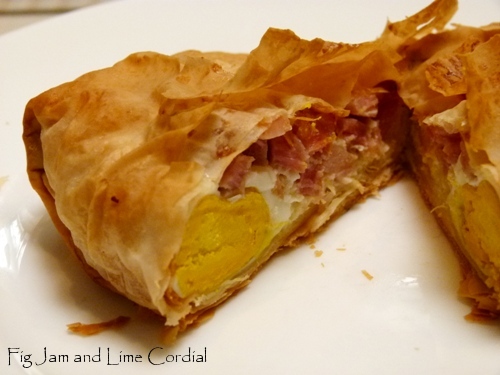
Oh, and I turned the leftover fillo sheets into egg and ham pies!

Recently, I wrote about how our meals slide into each other – one dish segues into the next in a relatively seamless manner. Let me illustrate the point by describing to you what we ate last week.

. . . . .

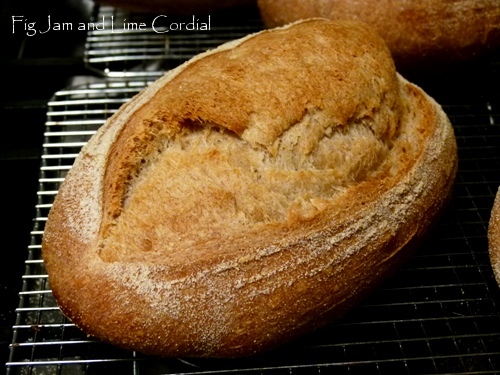
For our lunch with Bizzy Lizzy and Peter, I’d baked Buratto flour sourdough loaves – we ate two and froze the remainder for a later date.

On Tuesday, I turned our leftover lunch cheese into fromage fort – French brie, mascarpone reale, buffalo parmesan and West Dorset cheddar were blitzed together in the mini food processor with a clove of garlic, a splash of Kirsch and ¼ cup of white wine. This cheese spread isn’t for the faint of heart or stomach, but I adore it…

. . . . .

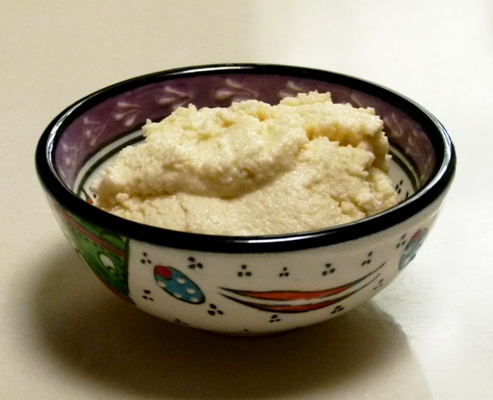
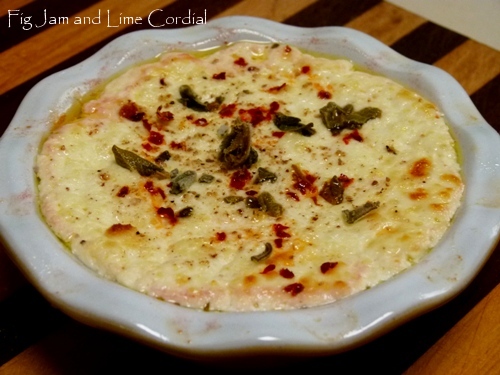
We also had leftover ricotta from lunch – on Wednesday, it was drained, then spooned into a small pie dish, sprinkled with crumbled dried sage, black pepper and our homemade chilli flakes, and baked until firm (I popped it into the oven while the pulled pork was on – see below).

Big Boy ate this for lunch on Friday, accompanied by defrosted Buratto sourdough…

. . . . .

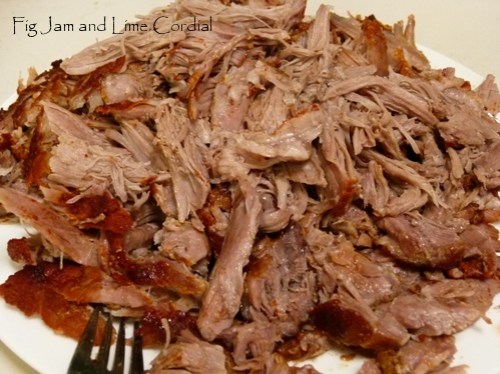
On Wednesday, I roasted a large pork neck in the Römertopf to make pulled pork

I froze four 250g portions of the meat and two boxes of defatted stock for future meals, and served the rest with rice, homemade frijoles negros refritos, chipotle salsa and cheese. The leftovers from this meal – a small quantity of saved pan drippings and some cooked rice – were stored in the fridge.

. . . . .

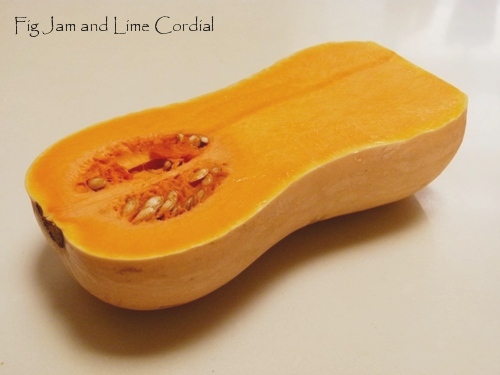
Since the oven was on anyway, I baked one of our butternut trombies at the same time. We ate half with dinner, and stashed the other half in the fridge…

. . . . .

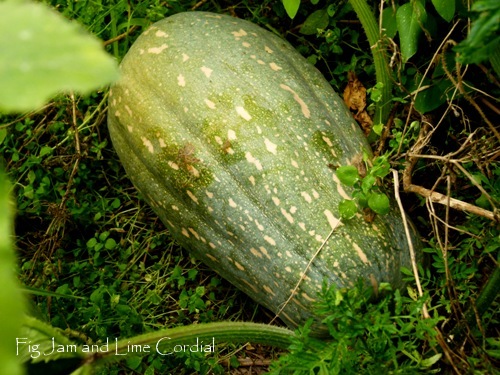
Now, remember our monster squash?

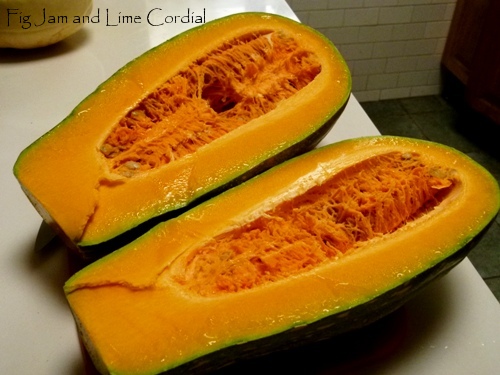
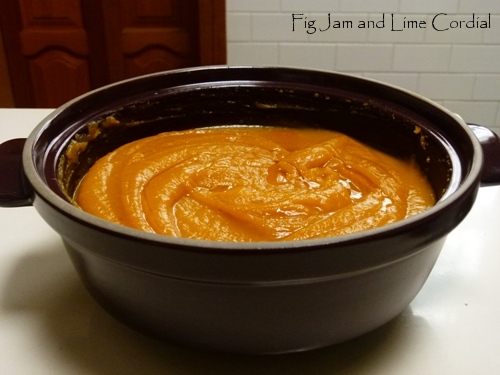
We cut it open on Friday, and found orange, Jap pumpkin-like flesh…

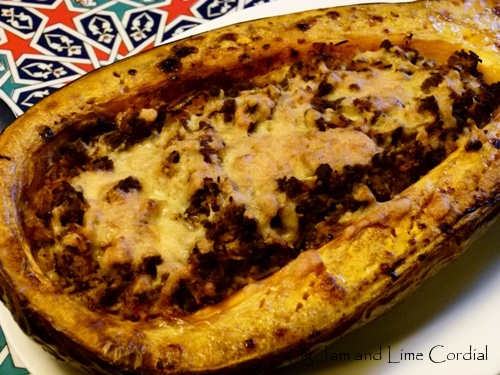
I thought it might be nice stuffed, so I deseeded it, then put half into the oven to bake as I prepared the filling.

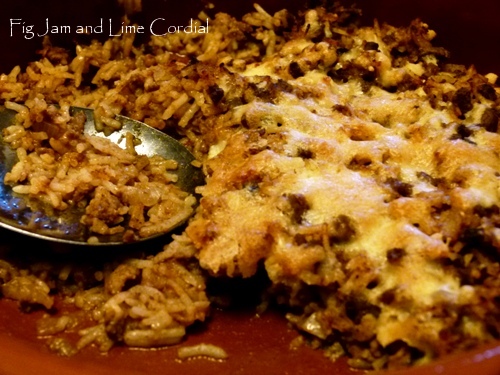
I made a batch of empanada filling (using the saved fat from the pulled pork to fry the onions), then stirred in the leftover cooked rice. Once the squash was nearly done, I spooned most of the mix into it, then topped it with cheese, and returned it to the oven to finish baking…

Small Man doesn’t like pumpkin, so I baked the remaining meat and rice mixture on a separate plate for him…

. . . . .

On Saturday, I combined the leftover third of the roasted monster squash (the top section, which was free of rice and meat) with the baked butternut from a few days before, added in a box of the frozen defatted stock from the pulled pork…and made soup!

. . . . .

As you know, I love trying new recipes, but this is how they often come about. Rather than reading about a dish and then going out to buy ingredients, we’re much more likely to see what we have on hand, and then try to figure out a way to make use of it.

Our primary motivation is to minimise waste (be it food or electricity), but the joy of creating something new from something old comes a close second. Being able to make do with what we have on hand is both frugal and empowering. It’s also a huge timesaver – a couple of nights ago, I defrosted one of the 250g portions of pulled pork to make tacos for an easy midweek dinner.

Do your meals slide into one another? So often food blogs and magazines are filled with glamorous photos of restaurant-style dishes, but I’m far more interested in how people eat on a day to day basis. How do you feed your family midweek, when life is frantic?