Feeds:
Posts
Comments

At lunch recently, my friend Allison said to me, “You’re so lucky to live where you do. We don’t get neighbours like that in our part of Sydney.”

She’s right, of course, we are truly blessed to have the most fantastic neighbourhood community in our little pocket of the Inner West. It’s hard to imagine living anywhere else.

We’ve known Maude and her family for over thirty years (her husband was Best Man at our wedding), and PeteV and I went to university together. Both now live less than fifty metres away, and it makes me ludicrously happy that our children are growing up together.

Dredgey and El have become close friends, lovely Mark mows the lawns for us (bless him), and Michelle and Shaun let me lie on their living room floor when I’ve had a bad day. Jane and Bernie have slotted right back into the village after a stint in the US, and darling June, now in her mid-80s (don’t tell her I told you), would feed everyone on the street if we let her. As I’ve said before, these folks aren’t family, but they’re our tribe. We share our surpluses, look out for each other’s kids, and comfort one another in times of grief.

Yesterday, as I sat on the back deck having afternoon tea with Nic and Liz (and Liz’ gorgeous baby girl), eating a cake that Maude had baked for us, I again reflected on how wonderful it is to live here.

And I suddenly realised that the reason it works so well is this: we live in a neighbourhood where the individuals value the importance of community, and actively work to develop and build on those relationships.

Often, people will buy a house based on how it looks, or where it’s located. When we bought our place, it was a dilapidated deceased estate, without an indoor toilet or shower.  On our second inspection, we knocked on Mrs M’s door and asked her what the neighbourhood was like. She invited us in for a cup of coffee and chatted to us for over an hour.  We bought the house the following week.

On Gardening Australia recently, there was a segment about a gentleman who had built gates between his backyard and those of his two neighbours, so that he could use their vacant beds to plant exotic fruit trees. His tip for building community relations was this: take a chance, because you’ll never know unless you put yourself out there, but be respectful of each other’s personal boundaries.

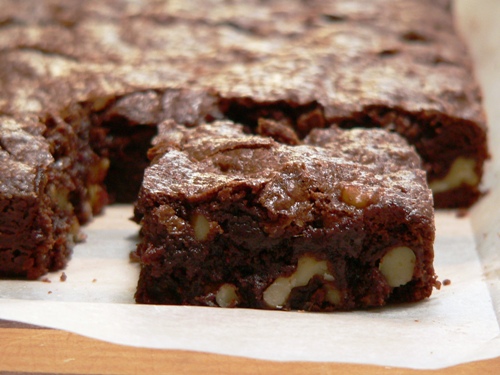
I thought this was brilliant advice. If you’re keen to have a social and interactive relationship with your neighbours (and let’s face it, not everyone is), it takes a bit of effort. We’ve always found the easiest way to “break the ice” is with food – when Mark and Mon moved in next door, we met them with cookies and chocolates. Start small – share a little produce from your garden, or a plate of brownies, or a loaf of bread. Who knows, maybe you’ll find others on your street who are as keen to build their neighbourhood community as you are!

… A recipe for lovely Jane @ The Shady Baker

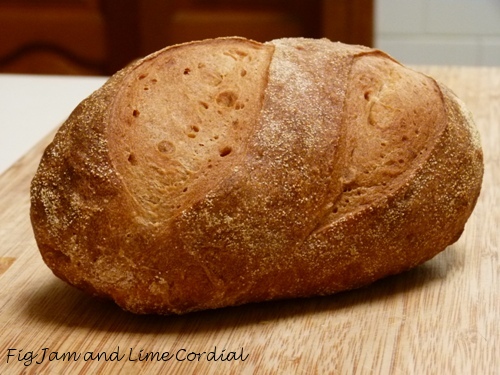
After the success of our Dirty Granny loaf, I’ve taken to throwing all sorts of things into my sourdough starter. The latest was half a can of flat Guinness beer (the other half having been added to a beef stew the night before).

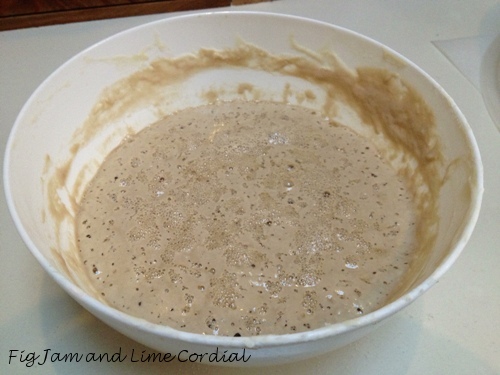
The resultant brew was dark and malty…

I added the starter to a high hydration dough made with Tania’s luxurious Buratto flour and threw in a large spoonful of treacle for good measure.

Here’s the formula:

Starter: feed a small portion of ripe sourdough starter with 250g Guinness beer (mine was flat, and  cold from the fridge) and 150g bakers flour. Stir well and cover until ripe and bubbly.

Dough:

  • 300g Guinness-fed starter
  • 650g water
  • 1kg Buratto or bakers flour
  • 30g treacle
  • 19g fine sea salt

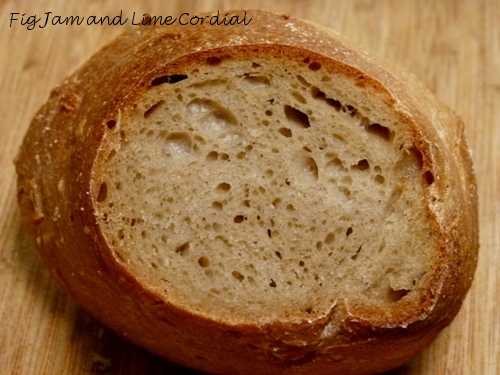
This quantity made four small loaves, which I baked for 40 minutes (20mins at 220C with fan and the remainder of the time at 175C with fan).  The crust was firm and the crumb tender.  The flavour improved with resting overnight…

Folks, I bake a lot of bread, so I know this is a big call, but I think this one might be my new favourite. I adore its slightly sweet, malty taste and the chewy but tender crumb. It’s vaguely reminiscent of pumperknickel bread, and the perfect match to Manchego cheese and antipasto…


Definitely the best use for half a can of flat beer!

Edit: Have a look at Clare’s Ginger Beer and Honey loaf

The White Rabbit Gallery, located in the inner city suburb of Chippendale, is one of the largest and most significant collections of contemporary Chinese art in the world. It closes twice a year for the installation of new exhibitions.

For those of you who don’t live in Sydney, we’ll try to visit at least every six months so that we can share this glorious treasure with you. If you do live locally, please understand that these photos don’t begin to do the artworks justice. I highly recommend an in-person visit to the gallery – they’re open Thursday to Sunday and, astonishingly, admission continues to be completely free.

Here are the highlights from our most recent visit.  These shots were taken with my iPhone and were somewhat limited by the low lighting. In addition, there are several audio-visual and dynamic pieces which simply couldn’t be captured in still photos.

. . . . .

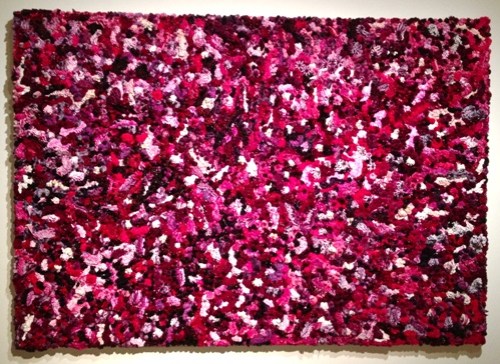
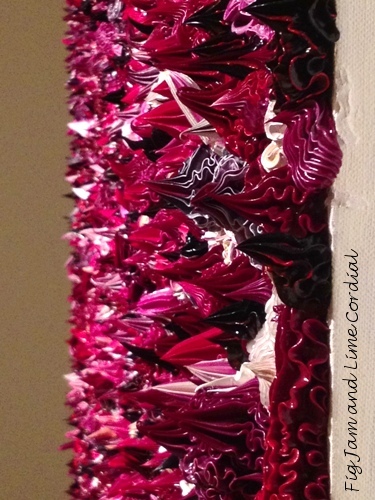
This first artwork is titled Under Heaven 20121018 by Xu Zhen’s Madeln Company. It comprises over seventy kilograms of piped oil paint. The piece was completed in October last year, and is still drying…

It made me want to rush home and bake raspberry meringues. According to the artist, the patterns reminded him of “cityscapes seen from space” – I saw similarities to coral reefs and from a distance, it looked like a large collection of swirly party ribbons…

. . . . .

If there is one piece worth visiting the exhibition for, it’s Mini Home (2005).

Artist Jin Shi recreates in half scale the home of a poor urban migrant couple – peasants who have come to the city in search of a better life only to find themselves trapped by the system. It is heartwrenchingly small, especially when you consider that the real “house” was only twice as big.

According to one of the knowledgeable White Rabbit guides, the couple who lived in the space would take turns to sleep, with one sitting outside while the other rested. At the bottom left is a very basic lavatory, and all components of the artwork – down to the cups, saucers and television – have been reproduced at half scale.

I found this piece incredibly moving and came back to it several times during our visit…

. . . . .

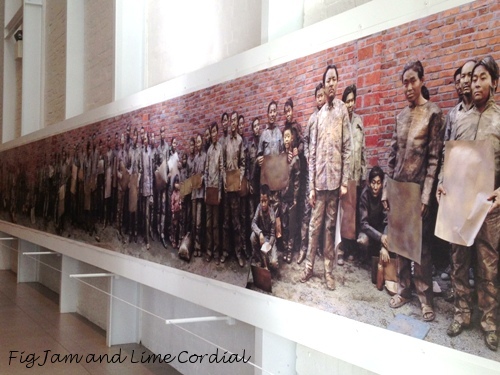
On the ground floor, the enormous Appeals Without Words (2006) by Jin Feng shows eighty-nine peasants queued to lodge corruption complaints to the central authorities. The subjects are painted in gold to resemble statues – a statement on the length of time their complaints can take to be heard – and their placards are blank, signifying the futility of the process. A beautiful, imposing and emotive piece…

. . . . .

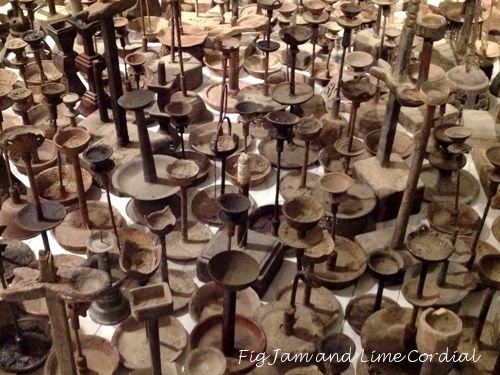
Bai Yiluo’s Illumination (2011) is a collection of antique oil lamps, an item which was commonplace in Chinese homes before electricity. It made me ponder how quickly items which we consider to be essential can become obsolete, and reminded me of Zhao Xiangyuan’s collection of soap in Song Dong’s Waste Not exhibition.

My friend Roz taught me that many contemporary artworks are delivered in pieces to be assembled on site. Sometimes the artist will be closely involved in this process; other times the gallery will decide how the pieces are to be displayed.  In this case, Bai Yiluo was happy for White Rabbit to lay out his lamps, and this circular display is the fourth arrangement they’ve tried since the exhibition opened…

. . . . .

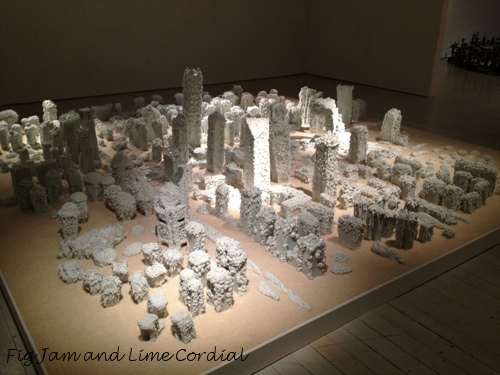
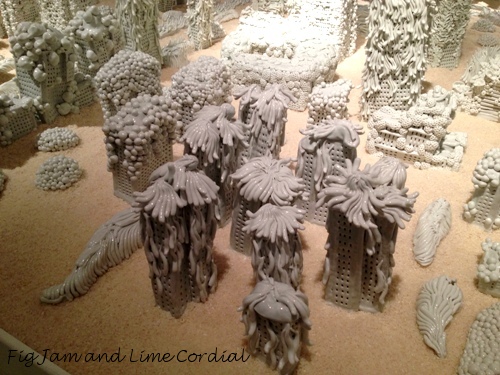
By contrast, artist Zhou Jie had very strict instructions for the layout of her porcelain city, titled CBD (2010).  Each piece arrived at the gallery beautifully packaged, numbered, and with clear directions for placement. The artwork reflects the layout of Beijing’s new CBD,  supposedly covered with pathological organisms to highlight the spread of buildings like viruses, and expressing the artist’s concern about urban growth.

To me, it was as if the city had sunk into the ocean and become part of a reef. This image was enhanced by the bed of rice on which the pieces were laid out…

The beautiful creamy porcelain was intricately shaped and detailed...

CBD was Pete’s favourite artwork in the exhibition…

. . . . .

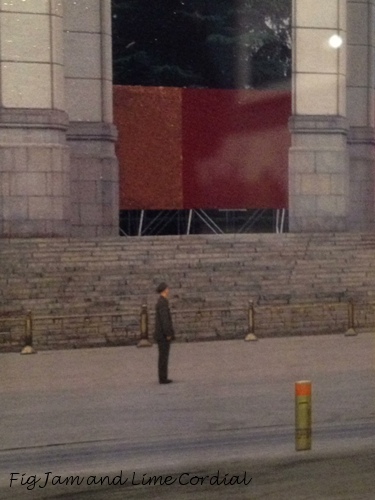
Ideality (2007) is a modern photographic series by Wang Guofeng based on the “ten great buildings” built in Beijing to mark the 10th anniversary of the 1949 Communist Revolution. After taking high resolution images of each building, the artist painstakingly photoshopped out all the cars and people…

…and inserted a tiny image of himself (to scale) into each large photo. As significant landmarks in the most populous country in the world, these buildings would never be deserted, so the idea of being the only person there must have been both eerie and intriguing (and somewhat post-apocalyptic)…

. . . . .

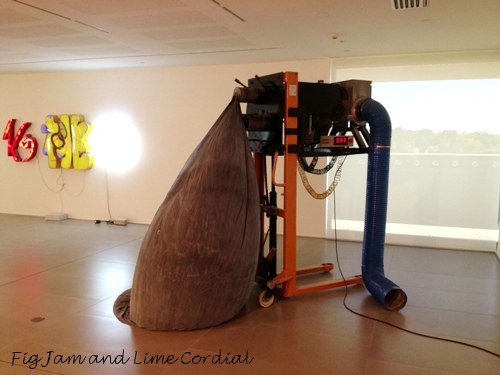
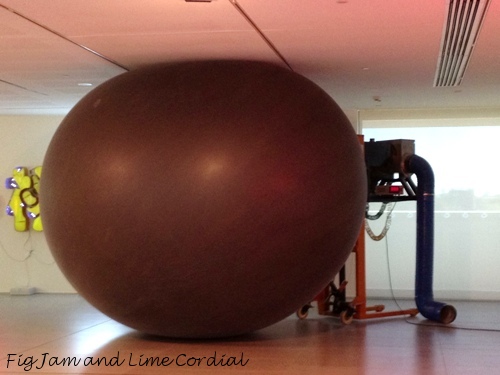
On the top floor of the gallery, Even in Fear (2008) runs on a continually inflating and deflating cycle, with the weather balloon blowing up to what appears to be near exploding point before shrinking down again. Artist Zhou Xiaohu seeks to represent the materialistic drive so prevalent in China today, and the growing anxiety that comes with an expanding economy and subsequent wealth…

(Edit: The White Rabbit Gallery have just tweeted that the weather balloon has burst! It was meant to eventually, and the artwork was delivered with spares.)

. . . . .

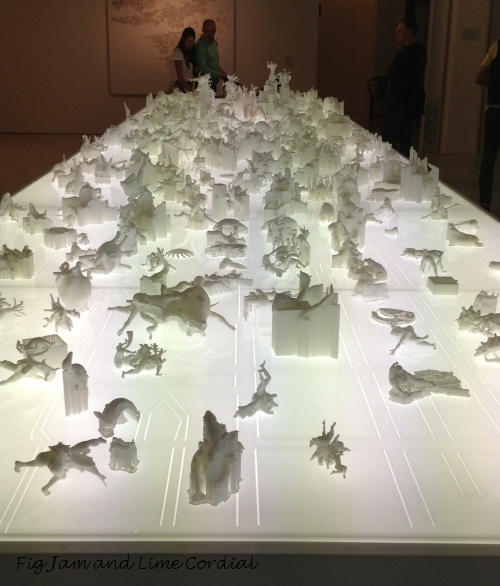
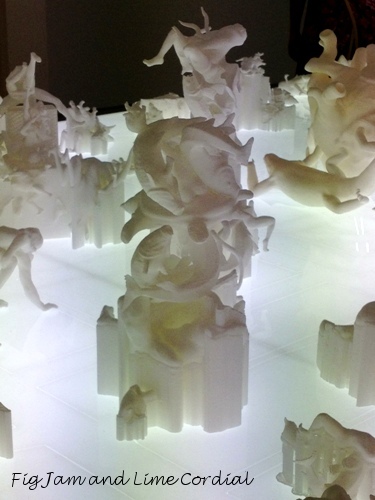
All the pieces for Wonderful City (2011) by Cheng Dapeng were created using a 3D resin printer. The light box presentation made it difficult to photograph them, but they were surprisingly detailed…

. . . . .

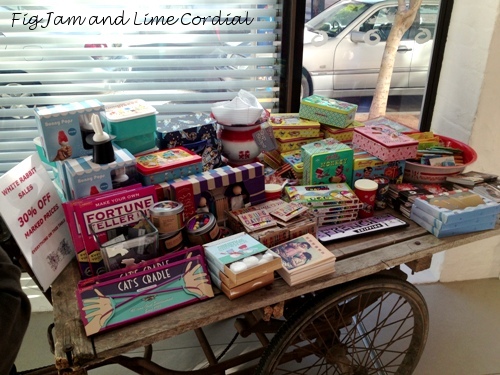
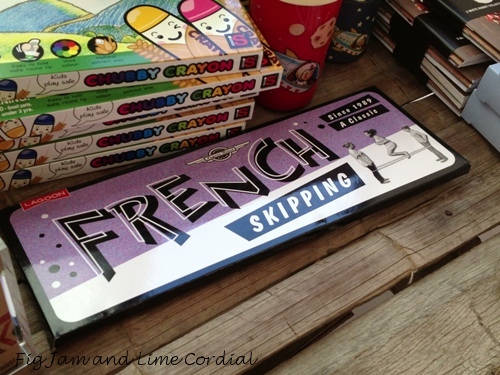
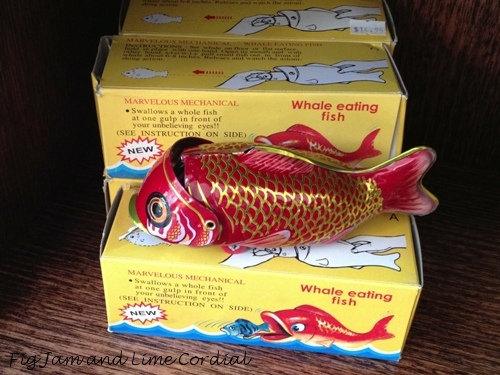
As always, the White Rabbit gift shop is a treasure trove of old-fashioned toys and gadgets. I’m old enough to remember playing “elastics” at school…

I couldn’t resist a photo of this egg cosy…

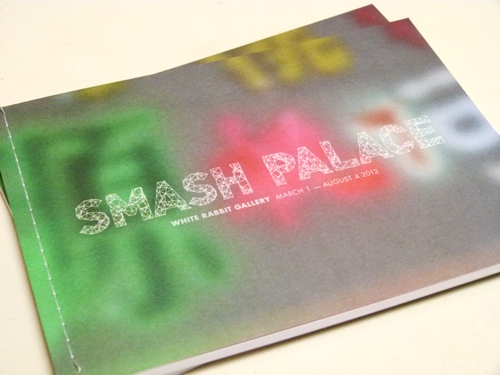
As the gallery doesn’t charge an entry fee, we try to support them by buying something whenever we visit. This time we picked up a couple of their postcard books from the current exhibition (Roz, I have a copy for you).

The Smash Palace Exhibition will be on display at the White Rabbit Gallery until August 4, 2013.  If you’re in Sydney, it’s definitely worth a visit!

. . . . .

White Rabbit Gallery
30 Balfour Street
Chippendale NSW 2008
+61 (02) 8399 2867
www.whiterabbitcollection.org
(website includes artists’ biographies)

Open Thurs – Sun, 10am to 6pm
Closed February and August
Closed Good Friday, Christmas Day and Boxing Day

In my kitchen…

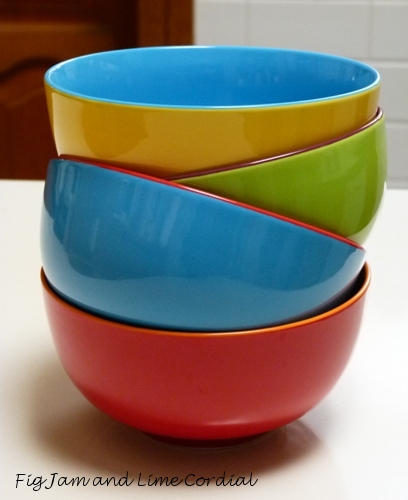
…are new Mikasa bowls, picked up at Costco for just $2.50 each. They’ve brightened up my winter kitchen…

In my kitchen…

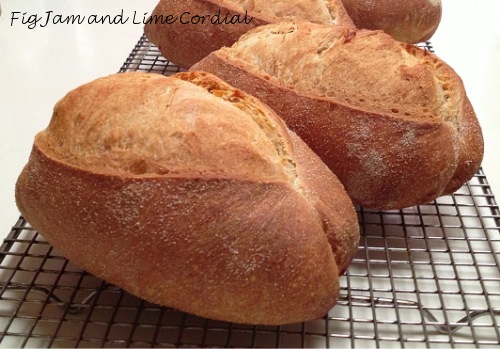
…there is always bread! These high hydration sourdough loaves were made with the Buratto flour that Tania gave me…

In my kitchen…

…are small perennial leeks for my mum, who uses both the white base and green leaves in her stir fries…

In my kitchen…

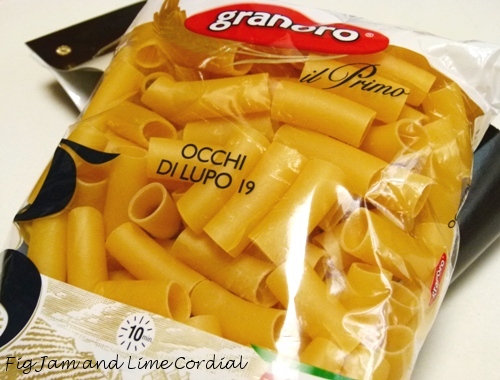
…is my favourite pasta. I always insist that we buy this instead of the bulk packs of penne (same brand and much cheaper), which drives Pete a bit mad. But how does one resist a pasta called “Eyes of the Wolf”?

In my kitchen…

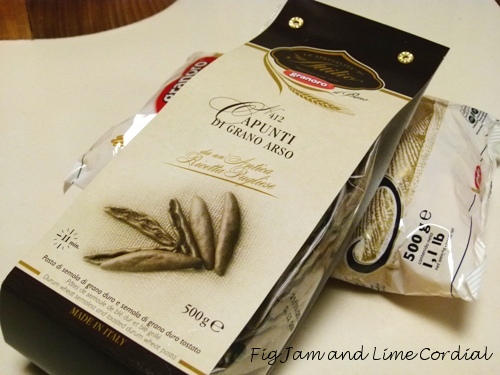
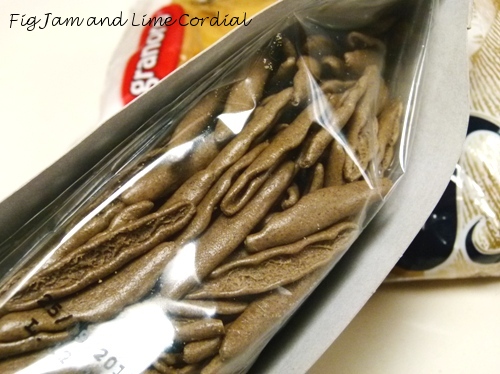
…is toasted durum wheat pasta. We’ve never tried it before…

…but the colour was intriguing enough for us to pick up a packet!

In my kitchen…

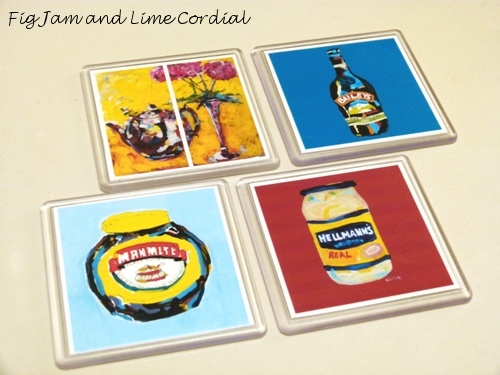
…is a wonderful gift from my artist friend Gill Cox – bespoke coasters with prints of her paintings in them. They came in a surprise package all the way from the UK and we use them every single day. I love having Gill’s artworks on my dining room table…

In my kitchen…

…are roasted macadamia nuts. Linda blogged her spiced pecans recipe recently, which left me with a nut craving. I made a batch of these the same day…

In my kitchen…

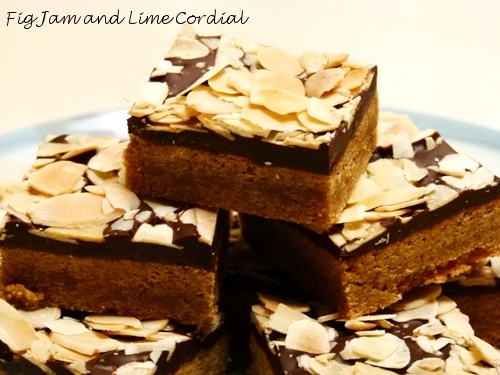
…are Silver Palate toffee bars, made with the single egg yolk leftover from the macadamias. Our backyard eggs are so precious these days (we’re only getting about five a week now), that I couldn’t bear to waste it…

In my kitchen…

…a little narrowboat has sailed all the way across the seas to take up pride of place on my spice shelf. My dear friend Peter Bryenton is a UK-based photographer who takes the occasional shot of a narrowboat for Small Man. Peter popped this little wooden treasure into the mail for us…

In my kitchen…

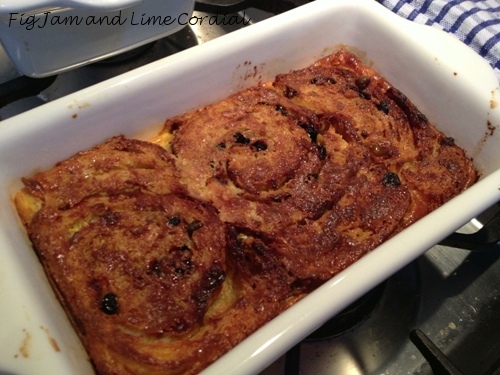
…are baked treats. There’s leftover lardy cake bread and butter pudding

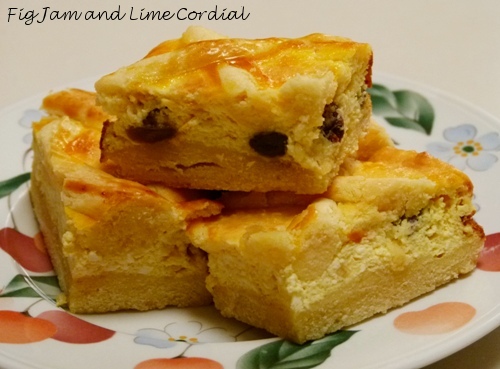
…and Hungarian cottage cheese and sour cream cake, made to my neighbour June’s recipe…

. . . . .

Tell me, what’s happening in your kitchen this month?

If you’d like to do an In My Kitchen post on your own blog, please feel free  to do so. We’d love to see what’s happening in your kitchen this month!  Please link back to this blog, and let us know when your post is up, and we’ll add it to our monthly listing.

Here are this month’s posts…

Lizzy @ Bizzy Lizzy’s Good Things

Christine @ Slow Living Essentials

Brydie @ CityHippyFarmGirl

Pat @ A Yorkshire Cook

Sandy @ Vegans Eat Yummy Food Too

Jolene @ Yummy Inspirations

Johanna @ Green Gourmet Giraffe

Misky @ Misk Cooks

Ale @ Ligera de Equipaje

Andrea @ Shabby Chick

Catherine @ Cate’s Cate

Clare @ The Life of Clare

Jane @ The Shady Baker

Claire @ Claire K Creations

Heidi @ Steps on the Journey

Maureen @ Orgasmic Chef

Mandy @ The Complete Cookbook

Anne @ Life in Mud Spattered Boots

Ella @ Mulberry and Pomegranate

Becca @ The InTolerant Chef

Lisa @ Gourmet Wog

Christine @ Invisible Spice

Tania @ My Kitchen Stories

Roz @ Taste Travel

Tandy @ Lavender and Lime

Judy @ Savoring Today

Siobhan @ Garden Correspondent

There are so many parts of (all) our lives which are stressful.

The one area that we refuse to allow ourselves to become angst-ridden about is the garden. We spent considerable time and money getting it properly built and established a few years ago, and now it just co-exists happily with us – getting by on whatever attention we can afford to give it.

In the beginning, we had ambitious goals – we wanted to grow a huge variety of plants, establish an orchard of fruit trees, and be virtually self-sufficient in vegetables. Several years on, and the reality has been quite different.  We’ve discovered that some things won’t grow well here, while others don’t fit in with our lifestyle.

We have had to adapt.

. . . . .

Adaptation #1: we buy more garden products than originally planned.

We haven’t had nearly as much time or energy to invest into the garden as we’d hoped (only a couple of hours a week, if that), so we supplement with purchased garden products. We buy organic sugarcane straw to top up the mulch we occasionally make with our chipper, we buy compost to boost the chook droppings and worm castings, and we buy layer mash to feed the chickens. (As an aside, my Time=Money post seems relevant here.)

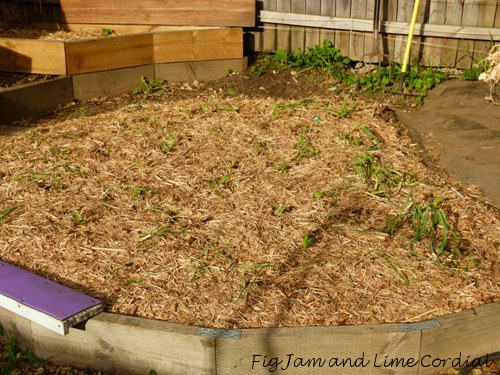
Our most recently planted bed is a good example. When we went to plant it out, we didn’t have enough seedlings ready (a common problem for us, despite our best intentions), so we went to Enfield Produce and purchased four punnets. Buying seedlings is certainly not the most economical method of gardening, but that’s okay. And for $12, we were able to fill our bed with sweetheart cabbages, Green Dragon broccoli, mixed Asian greens and rainbow chard. We also planted perennial leeks, cos lettuce and garlic…
. . . . .

Adaptation #2: we have refined our plant selection.

After a few years of trial and error, we’ve determined which plants will and won’t grow in our garden. Overlaid on top of that has been figuring out what our family will and won’t eat. For example, Brussels sprouts will grow, but not even the chooks will go near them.

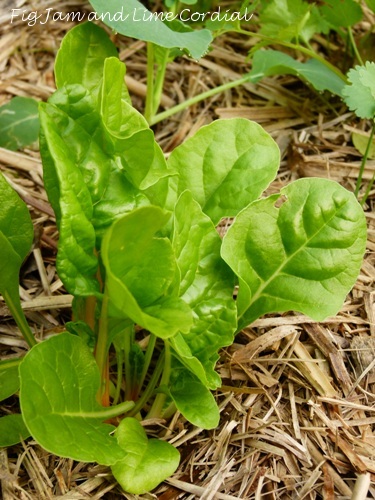
We now no longer grow spinach, which was fiddly to harvest and would invariably turn my soups green, and have opted instead for rainbow chard. Interestingly, no-one likes traditional silverbeet, but they’ll all happily eat the chard…
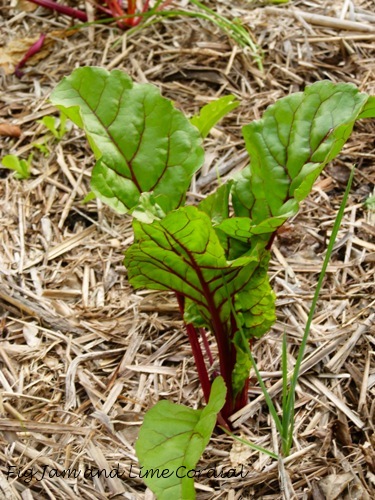
Chard grows brilliantly in our garden all through the colder months. During this time, it’s relatively bug-free. This batch were grown from last year’s saved seed, and have come up in an array of colours…
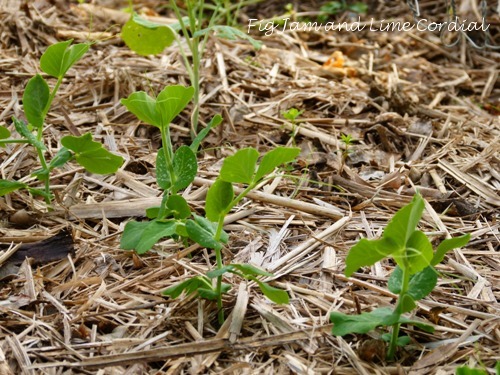
We now plant just one type of shelling pea – Willow (known commercially as Sommerwood). This variety produces fat, relatively mildew-free pods with up to ten peas in each.

There’s a wonderful story behind these – we were constantly losing plants to mildew, so I rang a commercial grower and asked if I could buy peas from them. The lovely lady who answered the phone (her name was Lyn) told me their minimum sale was several kilos worth of seed peas, which seemed a little excessive for our backyard garden.  Lyn laughed and then very kindly sent me – gratis – a handful of their experimental Willow peas.

We’ve grown them ever since…
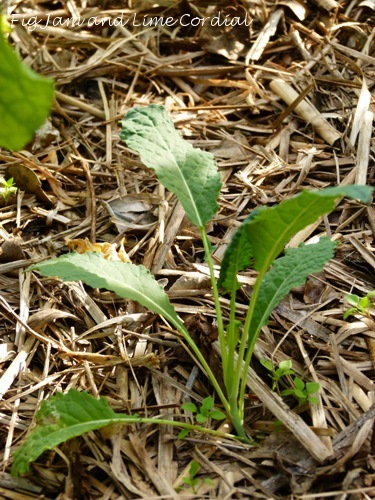
We’ve narrowed our kale plantings to just Tuscan kale (Cavolo Nero), as the curly varieties proved too tough for all of us (chooks included). They did look nice though!
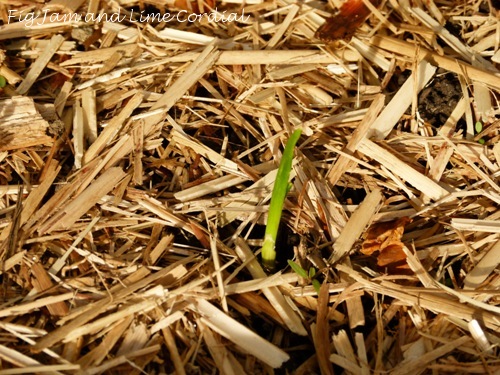
We are attempting garlic once again with a short day variety that lovely Linda has sent us…
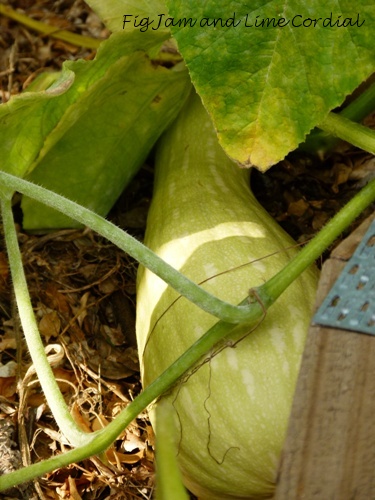
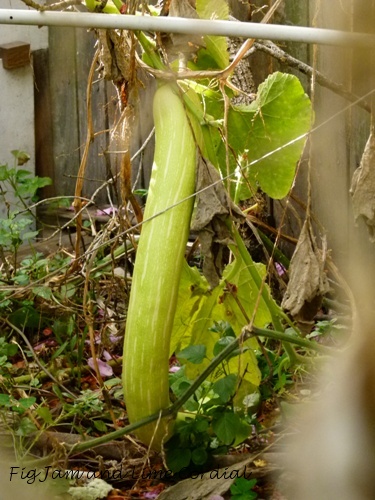
We grow tromboncinos. I might have mentioned this before (so I won’t rabbit on about them again)…
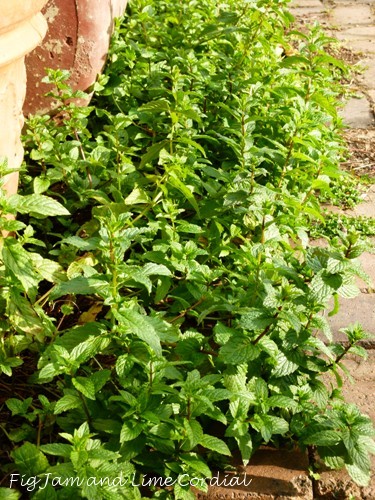
Mint is grown in a small patch of dirt in the bricks, to ensure it doesn’t take over the garden beds. We grow spearmint around the old laundry tub, and old fashioned mint in a large pot near the tap. Fancier versions have been tested and rejected…
The orchard has come and gone, and we’ve had to accept that growing organic dwarf apple trees in Sydney’s moderate clime is just too difficult. The fruit was always stunted and badly attacked by sucking bugs. We’re attempting lime trees, but they’re struggling as well – we really haven’t had a great deal of luck with dwarf varieties!

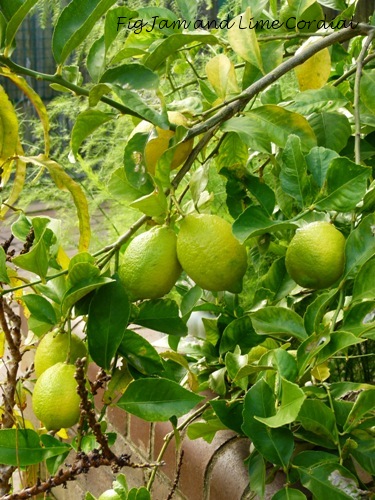
However, our bush lemon, with its thick-skinned but juicy fruit, is finally coming into its own…
. . . . .

Adaptation #3: we have stocked our garden with volunteer plants.

The term “volunteer plants” (coined by the brilliant Jerry Coleby-Williams from Gardening Australia) is the perfect description for many of the plants in our garden. Following the advice in Linda’s book, we allow the plants we like to go to seed, and then judiciously transplant the self-sown seedlings into the garden beds.

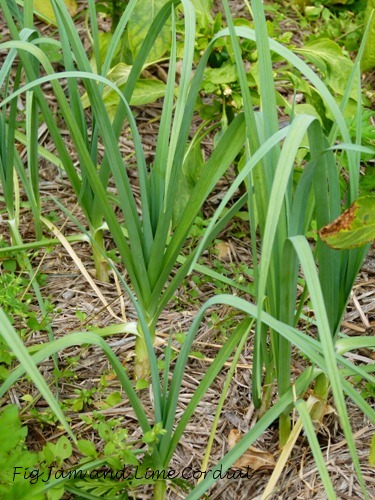
The ultimate volunteer plants in our garden are, without doubt, the perennial leeks. This is our nursery bed, where the plants seem to enjoy producing babies…
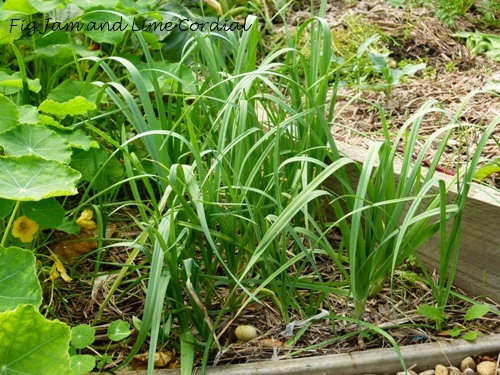
We will routinely transplant these into the garden beds to fatten up. They more than make up for the fact that we can’t seem to grow onions or regular leeks…
Pete refers to the management of self-sown plants in our garden as “selective weeding”. He suggested I show you this front bed as an example.  It was ready to plant out a couple of months ago – but we weren’t. So it’s stocked almost entirely with volunteer plants, all of which are thriving…
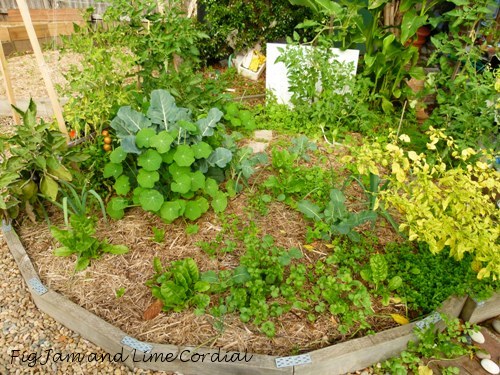
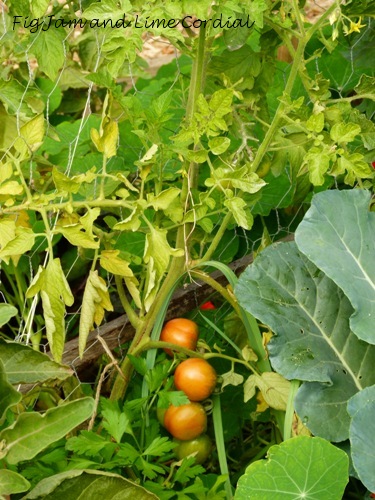
We never plant tomatoes, but in winter we’ll often let the self-sown hybrids grow – there are less bugs at this time of year, and we end up with a different variety each time. The hybrids are also more resistant to wilt, which is a problem in our garden. This year’s offerings appear to be a cross between cherries and Romas, and the first few fruits have been delicious…
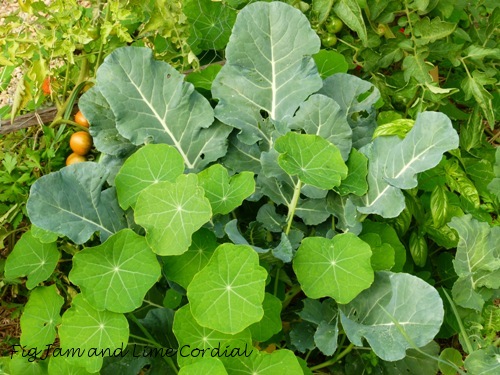
The Green Dragon broccoli plants in this bed are all self-sown…
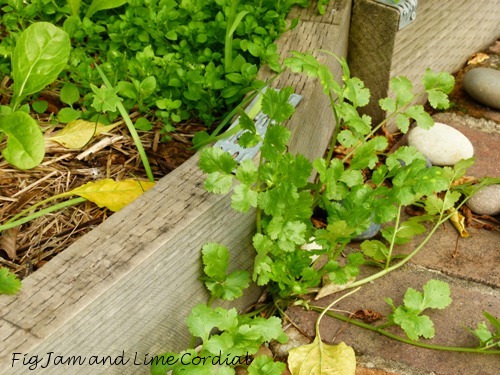
We have a couple of healthy coriander plants growing…
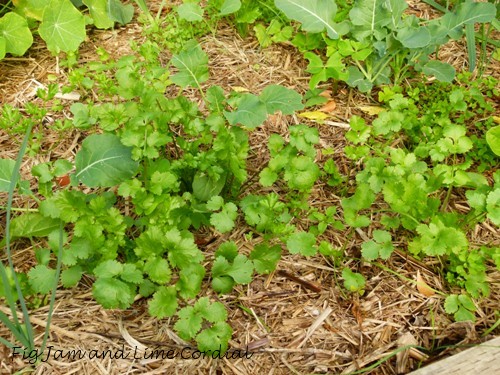
…although they don’t always germinate in the beds…
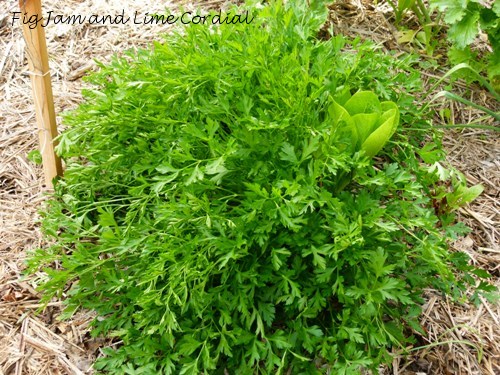
Some years, continental parsley grows rampantly in everyone’s gardens, and all the neighbours try to feed it to our chooks (who sadly won’t go near it). This season is promising to be a bumper one, if our self-sown plants are any indication. Note the volunteer lettuce growing in the middle of the parsley plant…
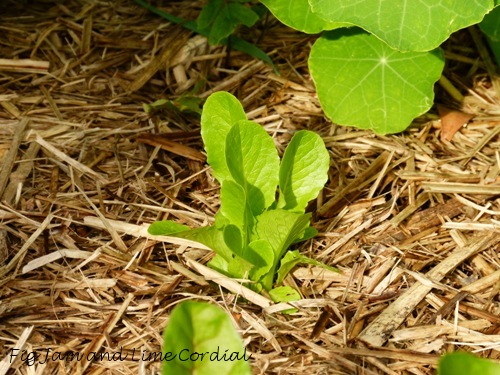
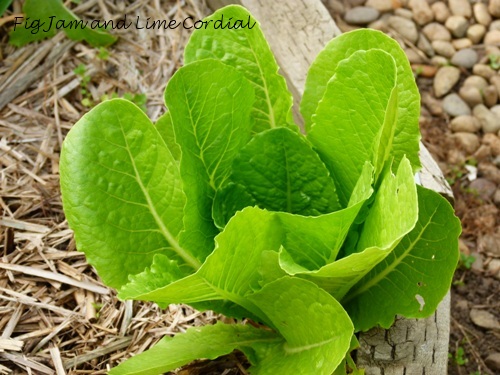
The cos lettuces in our garden are now second generation self-sown plants – the first ones we planted from seed were Little Gems, but their offspring were closer to a true cos. We’re now eating the offspring of those plants, and they’re extremely sweet and tender…
Lettuce is closely related to dandelion, as evidenced by their seed heads…
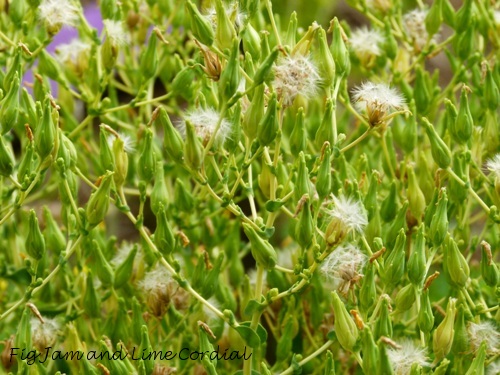
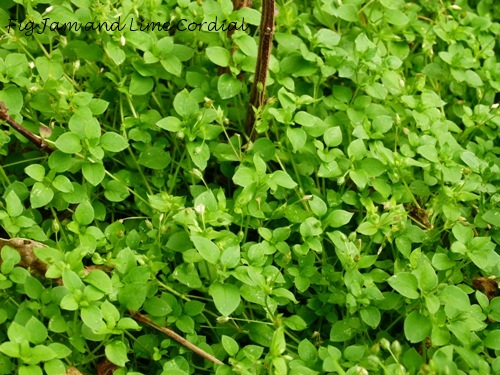
We grow at least one edible weed each season – in the colder months it’s chickweed (photo below), and in the warmer half of the year, it’s purslane.  This works well for us – both plants grow prolifically, we love eating them (as do the chooks), and they help keep the less desirable weeds under control…
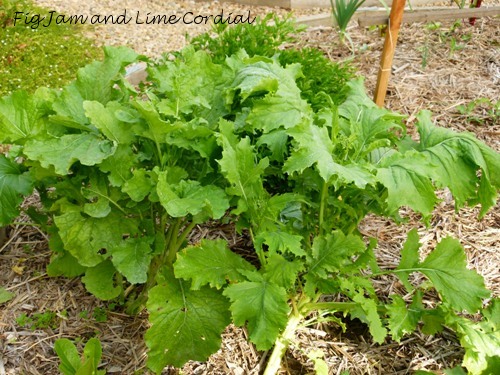
Finally, we always let our rapini (broccoli raab) go to seed, because it feeds us so well. As Pete pointed out, if it had been left up to us, we wouldn’t have any rapini in the garden right now, because we were well behind schedule. But the little self-sown seedlings popped up in amongst the pebbles, and we happily transplanted them into the beds…
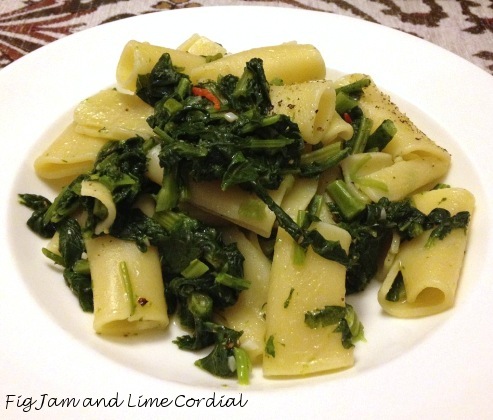
We’ve already eaten three dinners based entirely around this delicious green. Our pasta con cime di rapa comes together in just ten minutes, and tastes all the better for being almost free…
. . . . .

If you’ve ever considered growing your own vegetables, we would encourage you to give it a go. Your circumstances will be different from ours, but if you can approach the whole process with the right mindset, gardening can be a relaxing and extremely rewarding activity, and not the least bit stressful at all!