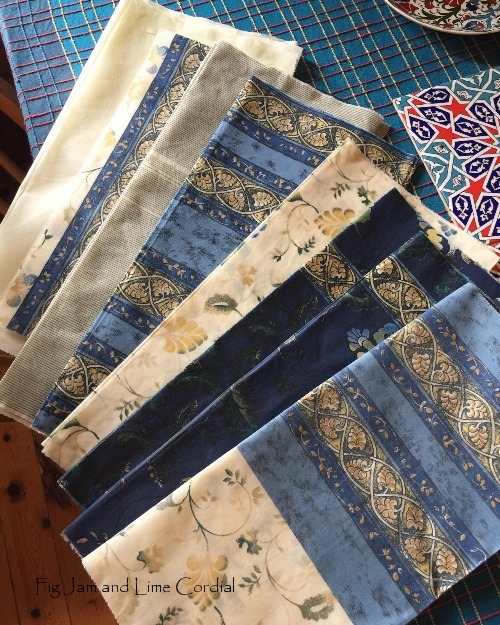
It’s been almost two years to the day since we posted our Homemade Beeswax Wraps tutorial and over that time, we’ve fine-tuned the process.
Well, more specifically, Pete has. Here are his top tips on how to make a perfect beeswax wrap at home. If you haven’t already done so, please read our original tutorial first, or what follows won’t make much sense.
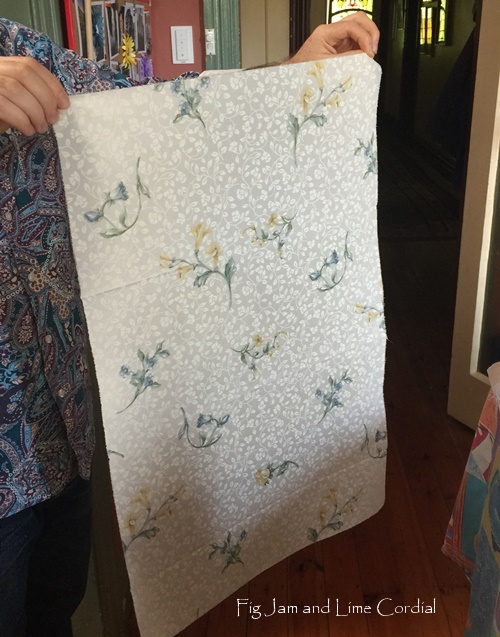
Tip #1: We’ve found pure cotton sheeting to be the best material for our wraps. What you’re after is a fine weave cotton that can absorb as much wax as possible without ending up with big patches of solidified wax on the surface. The more wax the fabric can absorb, the longer the wrap will last. As an added bonus, sheeting is colour-fast, which is very important. We use Sheridan sheeting offcuts that I bought from Reverse Garbage 20 years ago for the wraps we give away, and our old bedsheets for the ones we keep. Wash any new fabrics first, as you won’t be able to launder them again after the wax is added.
Tip #2: Use pure, uncoloured beeswax foundation sheets. We currently buy these via mailorder from E. C. Tobin in Raglan, NSW (who are wonderful to deal with!), but it’s only economical to purchase from them in bulk because of shipping costs (I usually buy 40 sheets at a time). If you’re looking for just a couple of sheets, try local candlemaking or beekeeping suppliers.
Tip #3: Cover your ironing board with an old bedsheet or towel. We also use extra large sheets of parchment paper to minimise seepage onto the board (a common brand here is Glad Bake, but we buy extra wide rolls of a commercial brand from Harkola). If you don’t have access to really large parchment sheets, you might want to cut the size of your wax sheets down a bit.
Tip #4: Each foundation wax sheet is enough for between six to eight layers of fabric, depending on the thickness of the cloth you choose to use. The Sheridan offcuts are perfect if folded seven layers thick. As the wax sheets are 8″ x 16.5″ (20.5cm x 42cm), we cut the fabric into 58″ x 18″ (147cm x 46cm) strips. Often we will use two lengths of 29″ x 18″, as we’ve found them a bit easier to handle than one giant piece of fabric.
Tip #5: Fold the fabric CONCERTINA STYLE (ie. accordion fold). This makes it massively easier to unfold at the end, and also ensures you don’t end up with too many thick folds for the wax to soak through. Lay the sheet of wax on top…
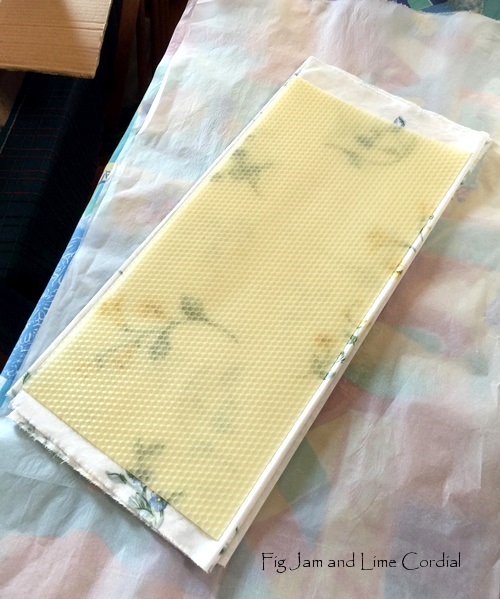
Tip #6: Pay attention to which side of your parchment paper is facing the wax, or you could end up with wax all over the iron (we learnt this the hard way). Place the fabric and wax between the two sheets of parchment, making sure to leave a margin for the wax to seep out.
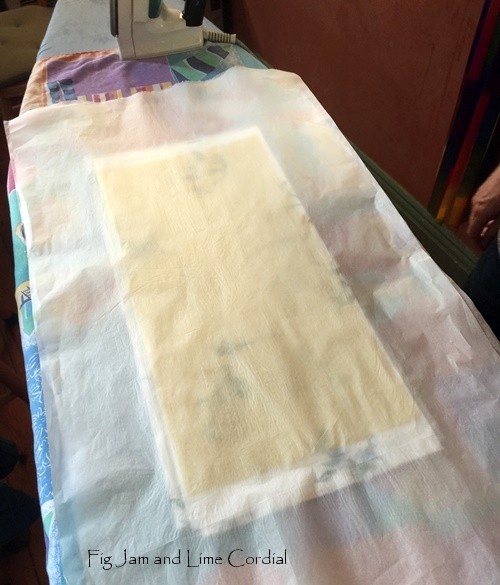
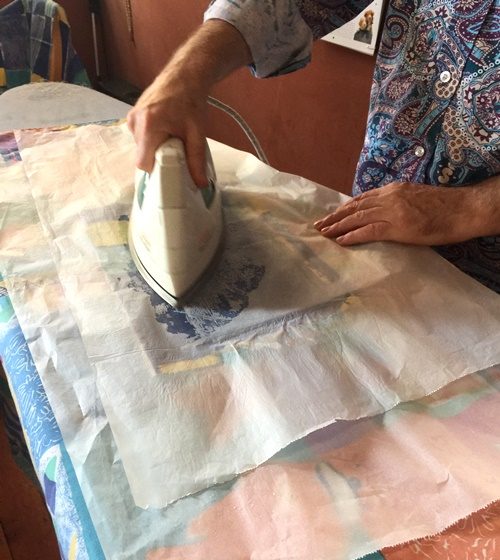
Tip #7: Set the iron to DRY (not steam) and preheat to COTTON. Starting in the centre, use the iron to melt the wax into the fabric. Don’t push hard at this point. The goal is simply to melt the wax gently into the fabric – this could take a few minutes. If you push too hard the melted wax will be forced out before it’s had a chance to soak through. Keep going until the honeycomb pattern has disappeared and you can see that all the fabric up to the edges and corners is wet from the wax.
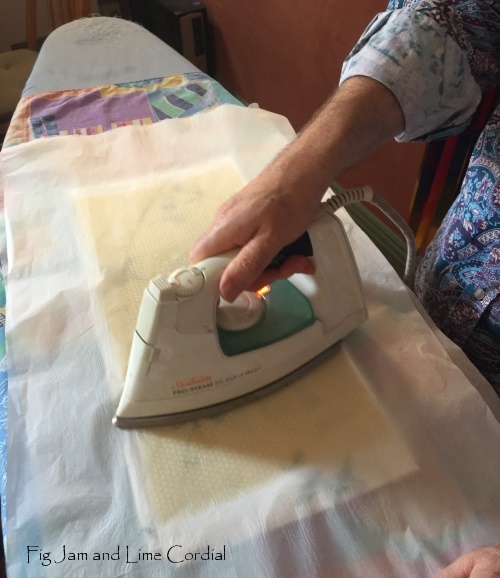
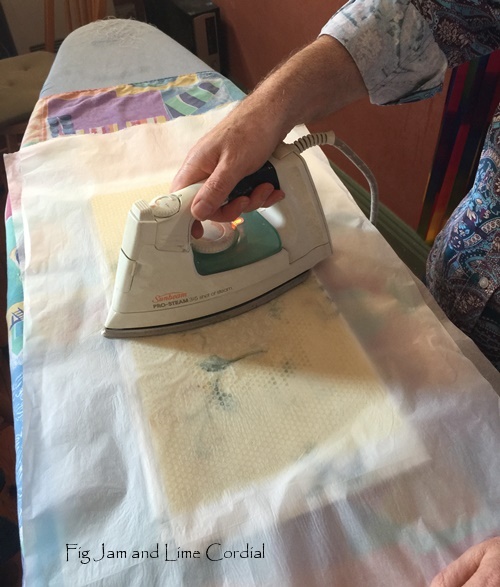
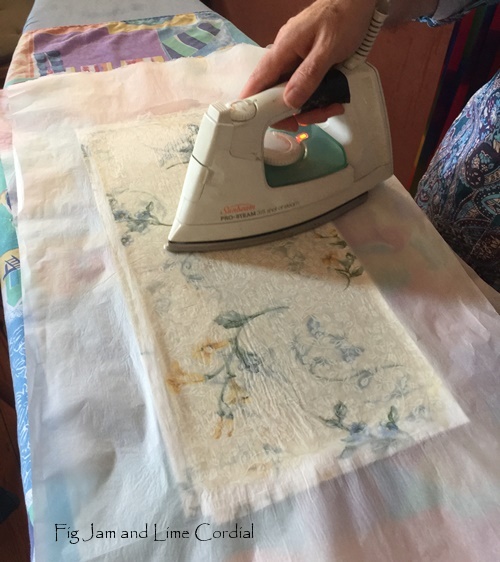
Tip #8: THIS IS PETE’S TOP TIP! Once the fabric is fully soaked with wax, start from the centre and gently try to “squeeze” the wax out by ironing towards the outer edges. Push/scrape slightly with the side of the iron until you see wax seeping out onto the parchment. This will ensure that you’re not left with large white patches of wax on the finished wrap. So basically the principle is: soak the fabric with wax, then gently push out the excess. Work around all four sides of the folded cloth.
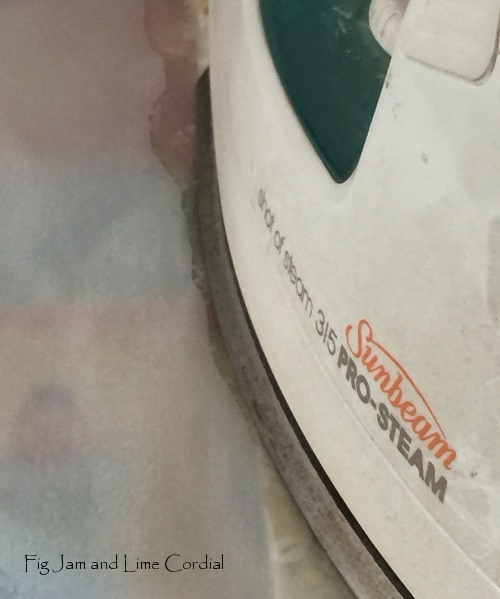
Carefully peel back the parchment – you can see below how the surplus wax has been squeezed out…
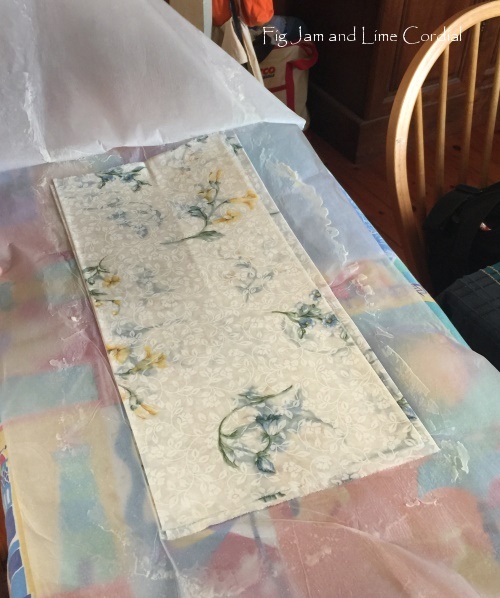
Tip #9: very carefully lift the waxed fabric (it will be wet and hot) by the corners (if you’ve folded it concertina style, it should unfold as you lift) and wave it around to cool it down a bit. It will become manageable very quickly. Lay it over the back of a chair or on a drying rack to cool completely. The wrap below was 18″ x 29″ – we had two of them layered under the wax sheet, both folded 3½ times to make a total thickness of seven layers.
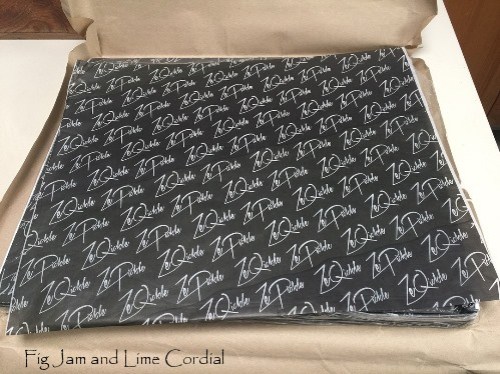
Tip #10: I wrap the sheets in my rescued Reverse Garbage paper to keep them from drying out. They also keep well stored in a reusable plastic box.
Tip #11: Clean the parchment sheets by ironing the excess wax onto a spare piece of fabric – over time, you’ll collect enough surplus wax to make another wrap.
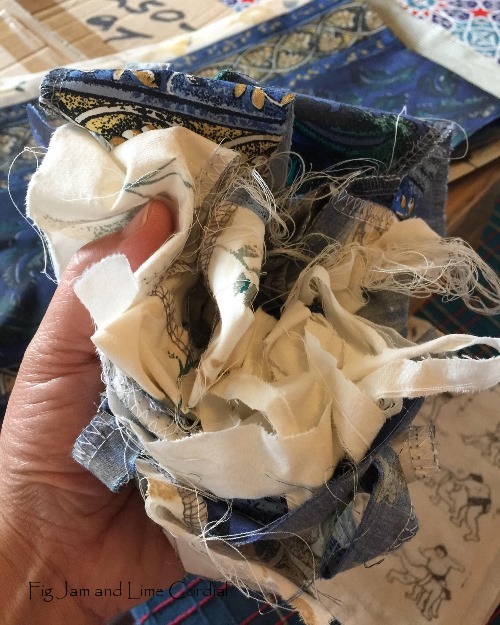
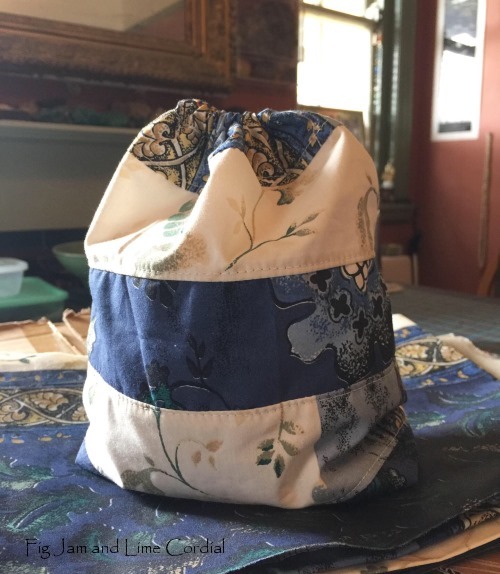
Tip #12: If you can sew, turn the leftover scraps into a little drawstring bag!
The advantage of making the wraps in this way is that you end up with a much longer sheet than is commercially available, which is useful for wrapping everything from loaves of sourdough to snake beans. Oh, and they also cost a tiny amount compared to bought beeswax wraps – the ones we made from our old bedsheets cost us less than $1.50 each for a huge 29″ x 18″ wrap! 💚🌿
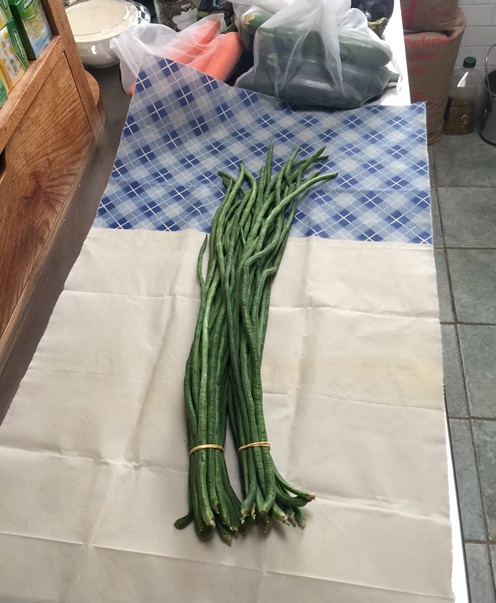




 Fig Jam and Lime Cordial