Feeds:
Posts
Comments

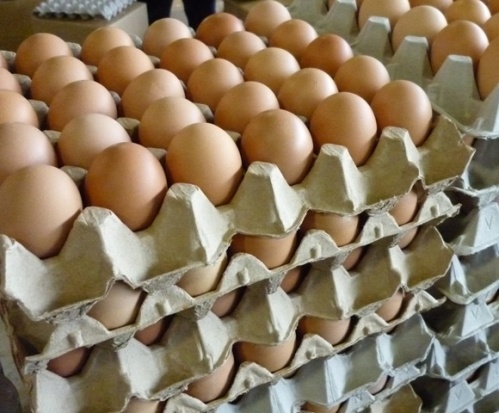
During the holidays, Pete and I didn’t get to our local produce markets, so when we finally made it there, I got a little carried away at the egg stall.  Normally I’d buy a tray of 30 free-range eggs (for an outrageously cheap $6) – enough to tide us over for a fortnight – and occasionally I’ll splurge on some duck eggs for baking.

Last week I bought a standard tray and a dozen duck eggs, forgetting that I had a carton at home that I’d purchased – reluctantly – from the supermarket to see us through the festive season.  Then our wonderful egg man decided to give me an extra tray of tiny eggs as a New Year’s gift.  And all of a sudden, I had eighty-four eggs in the fridge, and there weren’t any fruit cakes or Christmas presents left to be baked!

Of course, the market eggs are always super-fresh, which means they’ll be fine for at least a month in the fridge.  But it’s still a lot of eggs, so here’s what I’ve been doing to reduce the glut.

I thought about making some lemon curd, but we’ve got so much jars of jam open in the fridge at the moment that we might not get to it.

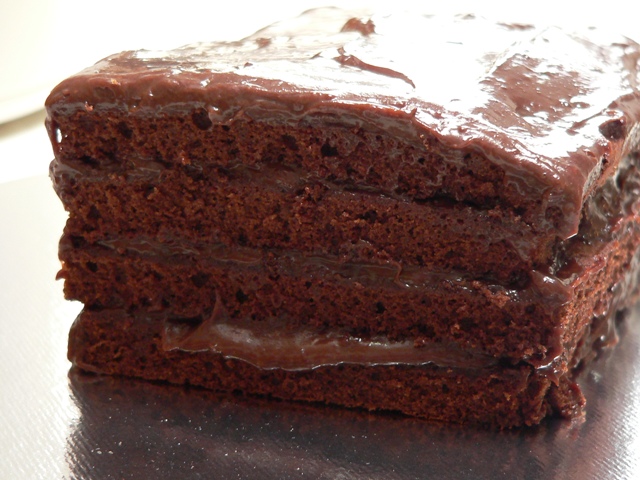
Instead, I baked Dan Lepard’s Chocolate Brandy Layer Cake, following his instructions here.  I omitted the hazelnuts, since there weren’t any in the pantry.  We ended up with an excess of custard frosting, which I thinned with a little milk and then churned into hazelnut chocolate icecream. Five eggs down…
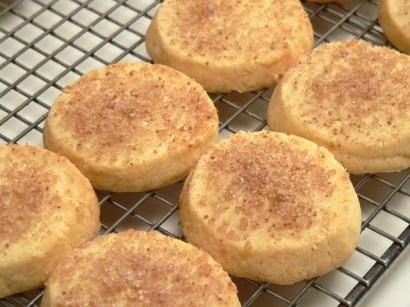
I made two batches of shortbread cookie freezer dough, which needed six egg yolks, and turned the whites into meringues (half of which went into the freezer as well)…
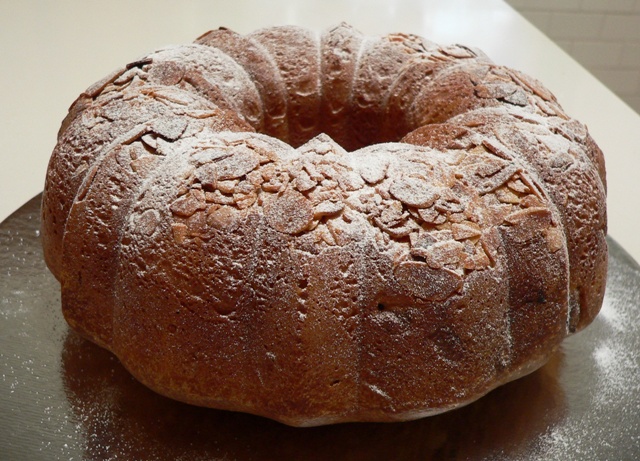
Joanna’s kugelhopf recipe used up a further four eggs…and turning the leftovers into bread and butter pudding should account for another five!
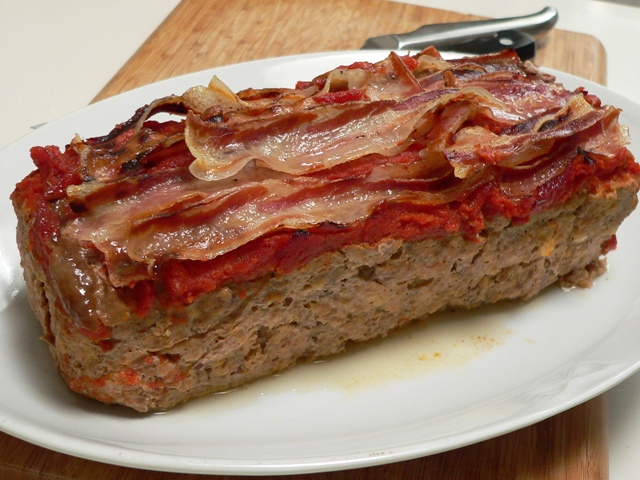
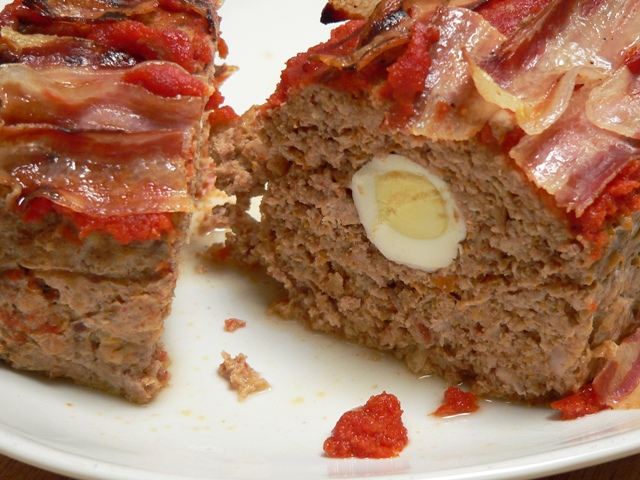
Lastly, I made scotched egg meatloaf – four baby boiled eggs in the middle, and one egg as binder.  It’s topped with roasted tomato passata and slices of dry cured pancetta.

I’d be grateful for any other suggestions….I’ve been thinking about making pickled eggs, but I’m not sure the boys will eat them!
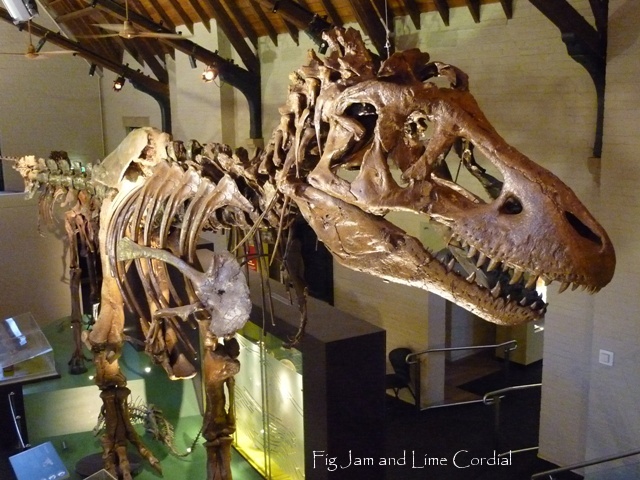
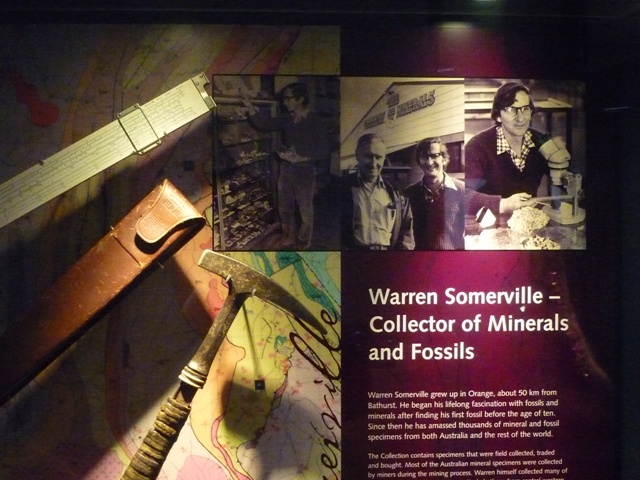
The Australian Fossil and Mineral Museum, in Bathurst NSW, is home to the Somerville Collection. We made the three hour trip from Sydney last week  with high expectations, and we certainly weren’t disappointed. The quality of specimens on display was absolutely astounding.

As Pete astutely commented, “there was no padding”.  Every single piece was magnificent, and the small museum took quite a while to view,  because each display was totally captivating.  We spent the better part of a morning exploring the two main exhibitions – the Minerals Gallery and the Masterfoods Fossil Gallery.

The collection represents the life’s work of Warren Somerville, an extraordinary Australian with an incomparable passion for minerals and fossils.  Story has it that when the full sized Tyrannosaurus rex cast (the only complete specimen in Australia) was delivered to his home, his wife decided it was time for either a museum or a divorce.

Many of the mineral specimens on display are thefinest examples of their type in the world. I felt like we’d been to the rock equivalent of the Louvre, all for a tiny entry fee of $21 per family.  To understand the scale of this collection, it’s worth mentioning that Professor Somerville was offered $15 million to move it to Japan, but chose instead to donate it to a regional museum in New South Wales.

Here are the highlights from the ninety-odd photos I took, all handheld, without flash and mostly through glass cabinets – and all taken with my little Lumix camera. Clicking on the items will open up a higher resolution photo.

The specimens included a football-sized Tasmanian Crocoite…

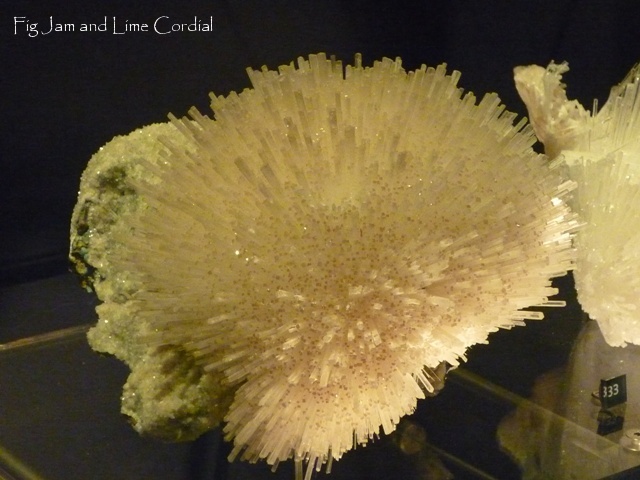
…this magnificent Scolecite, which reminded me of a large sea anemone..

…a huge (as in boulder-sized) Amethyst Quartz from Rio Grande do Sul, Brazil, in a formation known as an oyster…

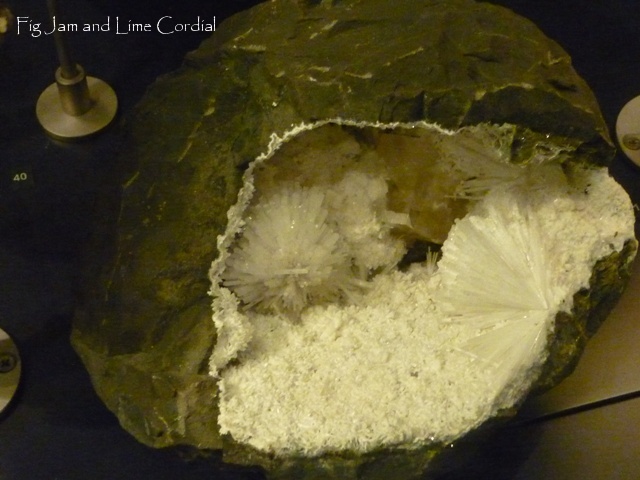
…Natrolite in Vugh…

…and several examples of my favourite mineral, Malachite.

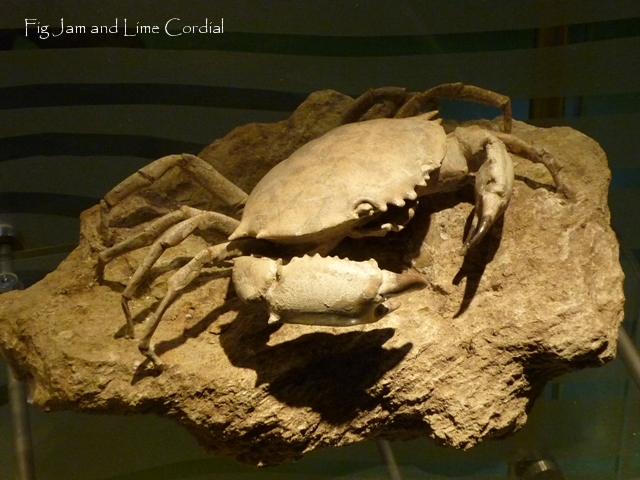
The fossil section of the museum was equally as impressive, and while it was hard to top the T-Rex, this large petrified crab from Monte Bolca in Italy came close.  It’s exquisitely detailed – astonishing given that it’s more than 34 million years old.

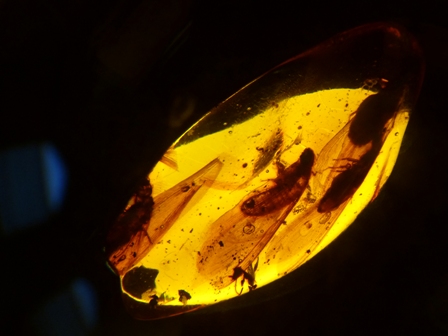
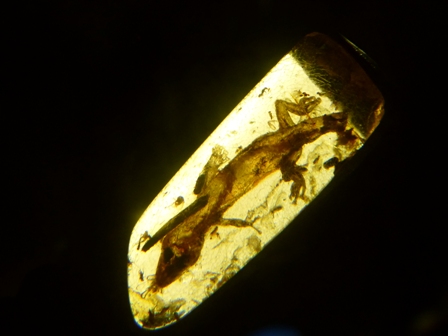
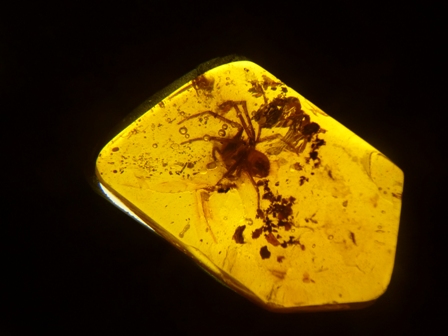
There was an outstanding collection of Amber – these photos were taken through a magnifying glass which slid over the cabinet.  The Madagascan gecko is a very rare specimen –  over 43 million years old and one of only six in the world.  This display made me blissfully happy, as I’ve wanted to see true Amber with inclusions for a very long time…

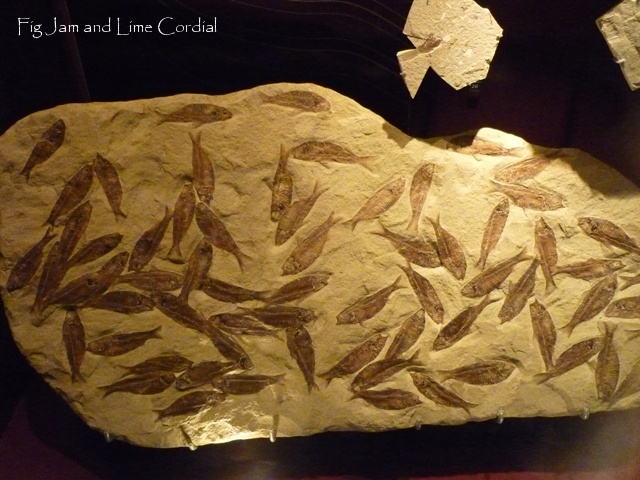
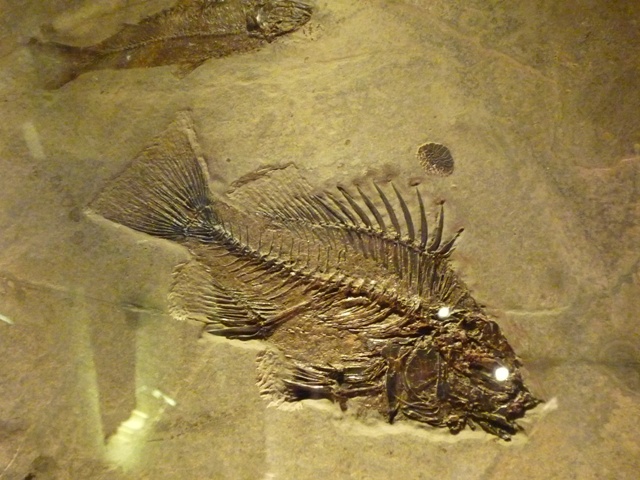
This shoal of herring-like fish were trapped and fossilised 50 million years ago in freshwater lakes in the US.  Known as Green River Shale,  the rocks from these lakes in Wyoming, Utah and Colorado have unearthed a wide selection of aquatic fossils, including the rare garpike in the bottom photo.

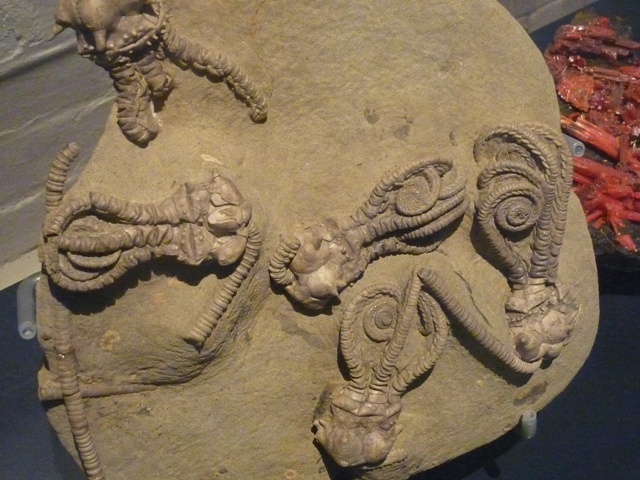
A collection of crinoids from Western Australia – these “sea  lilies” were related to starfish and were the most abundant marine creatures  490 – 250 million years ago.  Modern varieties still exist today.

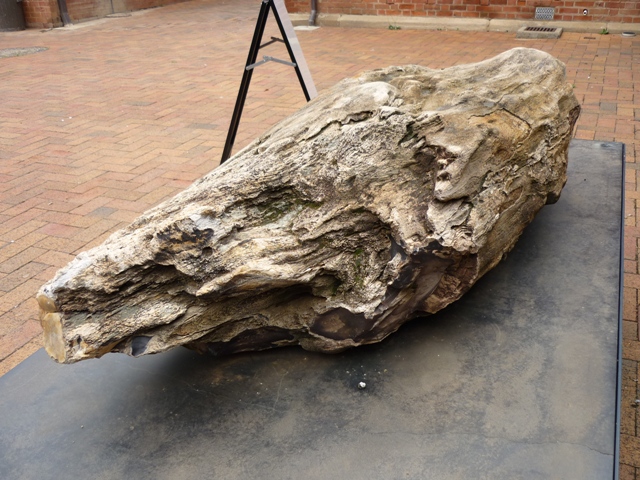
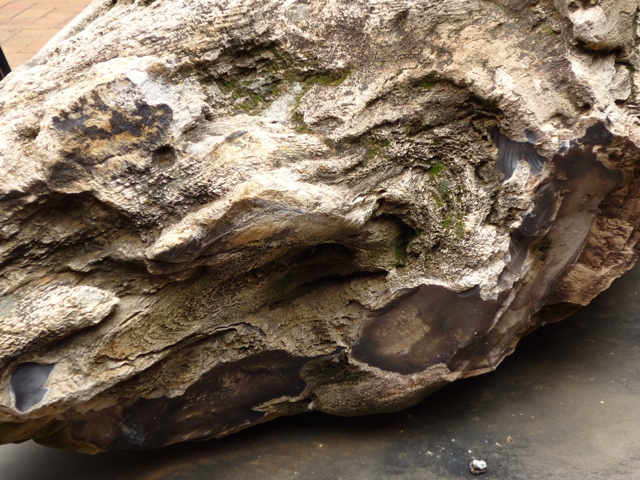
Outside the museum lies the trunk of a petrified gum tree, uncovered in Molong, less than a 100kms west of Bathurst.  Weighing over a tonne, the organic material in the tree has been replaced with agate over the past 20 million years.

Professor Somerville, thank you for your enormous generosity in sharing  these amazing specimens with us.  We feel extremely privileged to have had the opportunity to view them, and our lives are all the richer for having visited your museum!
. . . . .

The Australian Fossil and Mineral Museum
224 Howick St
Bathurst  NSW  2795
Phone: (02) 6331 5511

www.somervillecollection.com.au

It’s really not about the money.

We started our journey into homemade not for financial reasons, but because we wanted to eat better.  It was also a challenge – can we make this ourselves? How far down the production ladder can we reasonably go?  We’re certainly not  diehards and, whilst we don’t buy pre-prepared or packaged food if we can help it, we’re still happy to eat out at restaurants and purchase spice mixes and condiments.

So it was never really about the money.  But the unexpected bonus is, over the past few years, we’ve saved a fortune.  Our food costs are about half of what they used to be, despite the substantial improvement in the quality of our meals.  We regularly cook more than we can eat – because it’s fun to do, and we love to share – but also because it seems so easy to have an abundance when you’re cooking from first principles.

There are many articles written about frugal living, but they usually tout the same (albeit sound) advice – eat seasonally, pack your own lunches, make use of your leftovers and so forth.  I’ve been trying to identify the things that really save us money, and thought it might be nice to blog about these over the next few months.

So here is our first suggestion – the one that started the ball rolling for us:

Bake your own bread and buy your milk in bulk.

We started baking bread in January 2007 and have never looked back. As I’ve mentioned before, apart from the health benefits (no additives, lower GI), it costs us about 65c per loaf for good sourdough, which is a huge saving over even the cheapest commercial bread.

We also buy our milk in bulk – easy to do here in Australia because UHT milk is both readily available and economical.  Our boys are more than happy to drink it, and it’s perfect for cooking and making yoghurt. I know many people are quite particular about their milk and won’t touch UHT, but it certainly suits our lifestyle – we buy 48 litres at a time, which will last us for several months unrefrigerated.  In general, UHT is cheaper than fresh, because it’s made in batches whenever the dairies have surplus milk.

Now, while homemade bread and bulk milk purchases save us money, the real reason it’s our top tip for frugal living is this: when you take away the need to buy bread and milk twice a week, you also remove the need to go to the supermarket every few days.

We buy our meat from the butchers, fresh produce from the markets and deli goods from a specialist supplier – which means we only need to go to the supermarket about once a month, if that.  This single change to our shopping routine has saved us a lot of money – it’s surprising how much we used to spend at the supermarket, on items which were both frivolous and unnecessary.  But more importantly, when freed from the “supermarket mindset”, we started to seek out specialised and passionate food suppliers, and the quality of what we were eating improved dramatically.

If you’d like to give breadmaking a go, you might find this tutorial useful.  Be warned though, once you start, it’s hard to go back to boring commercial bread.  And when you’ve mastered the basic techniques, you’ll be able to create everything from your own sandwich loaves to pizzas.  Have fun!

. . . . .

Click here for more Frugal Living posts

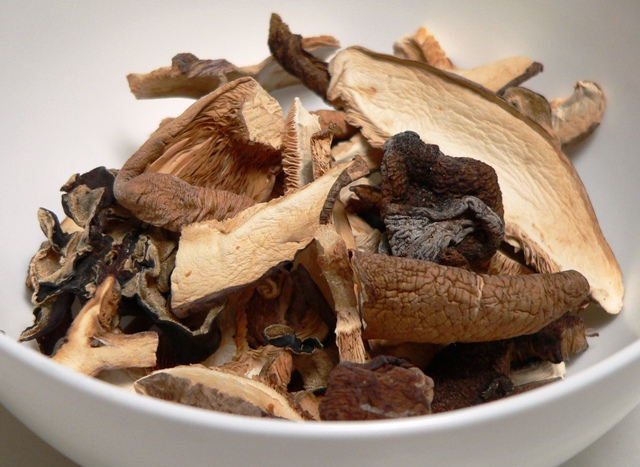
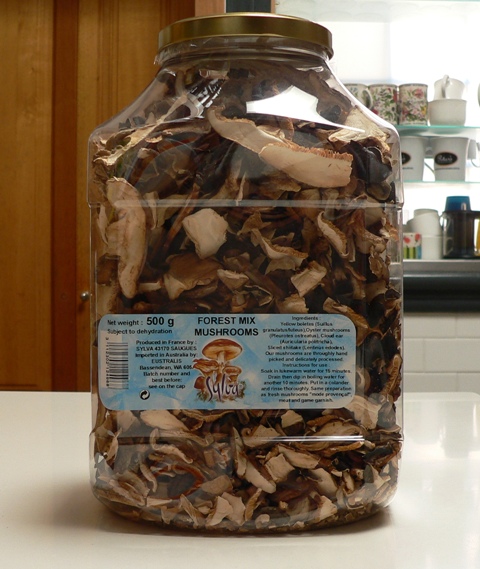
Inspired by my European blogging buddies, I splurged and bought myself 500g of dehydrated wild mushrooms for Christmas.  It really wasn’t that huge a splurge – this very large container cost me $39 and will last us for a  looong time.

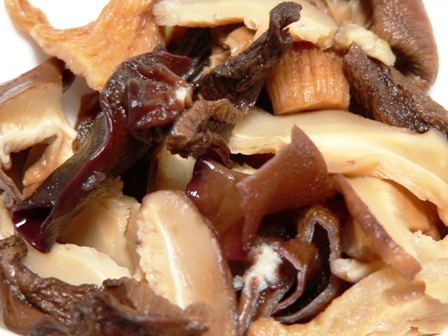
The instructions for rehydrating were very specific – the mushrooms had to be soaked in lukewarm water for fifteen minutes, then drained, then “dipped” in boiling water for a further ten minutes, before rinsing well in cold water.   I saved the liquid from each stage to use as mushroom stock.  Here’s what the mushrooms look like rehydrated..

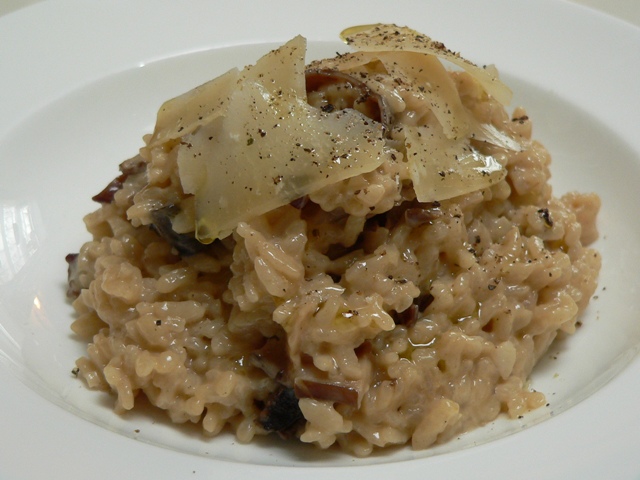
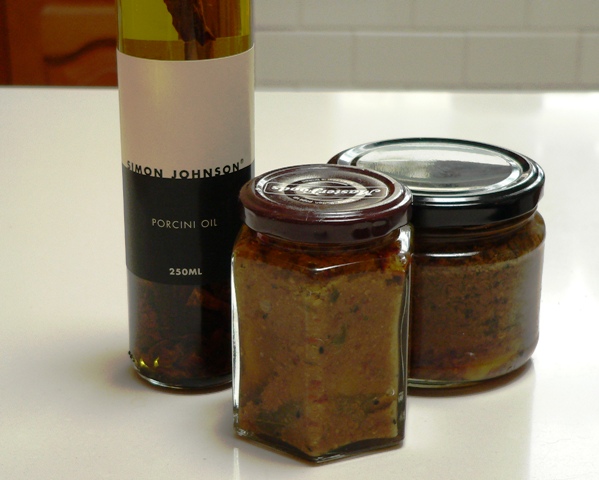
We had a gourmet “pantry” dinner tonight – Pete took the mushrooms, Di’s organic garlic, Maude’s porcini oil, lemon juice, white wine, and mushroom stock and created this wickedly good risotto…

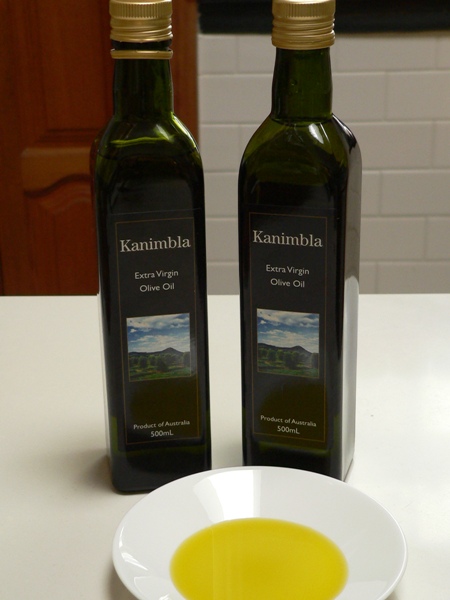
….then topped it off with shavings of buffalo parmesan, cracked black pepper and a drizzle of cousin Andrew’s delicious extra virgin olive oil.

Hmmm…given that 20g of dried mushrooms was enough for dinner for all four of us, our 500g container should provide us with twenty-five meals. Surely that means it’s a bargain rather than a splurge?

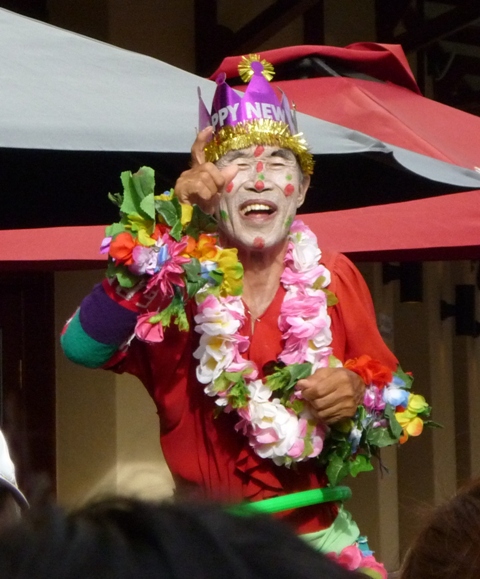
We spent time at the Chinatown Night Market yesterday, revelling in the hustle and bustle of the evening.  The weather was pleasantly mild and everyone seemed to be in an optimistic, “first day of the new decade” mood, particularly this elderly gentleman hula hooping on stilts.

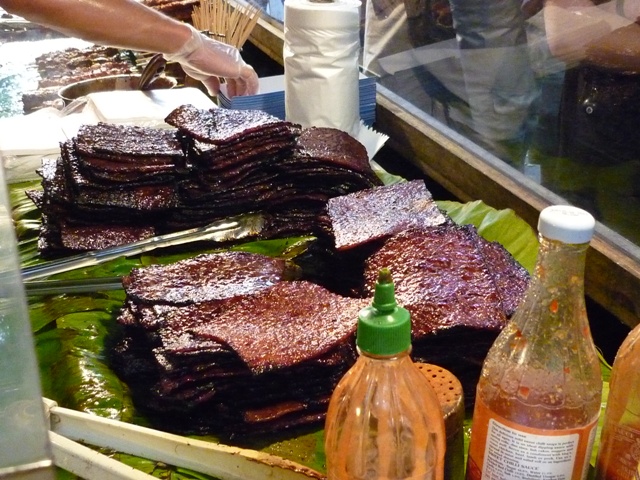
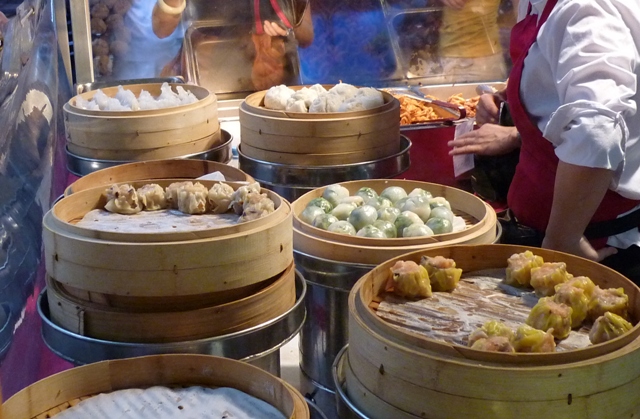
There were lots of food stalls, selling all sorts of delicious things to eat…

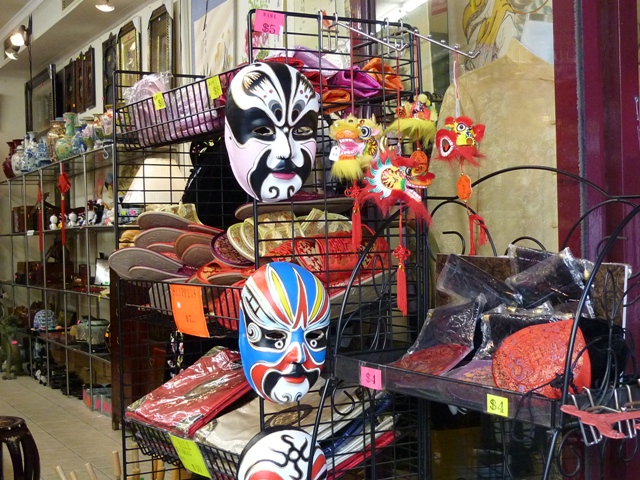
…and some interesting wares for sale!

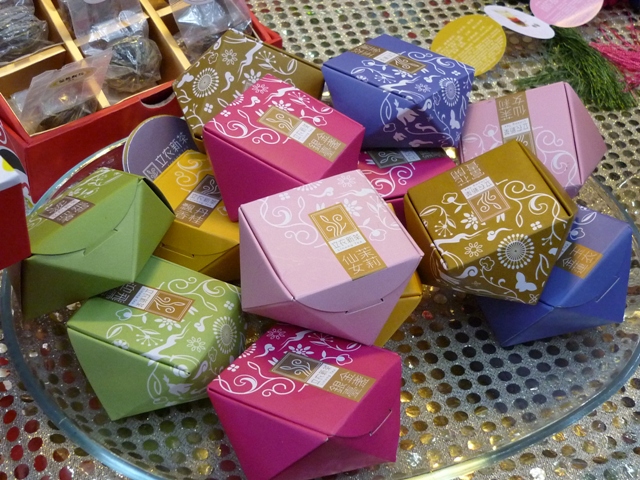
These gorgeous boxes each contain a single hand-tied tea flower….

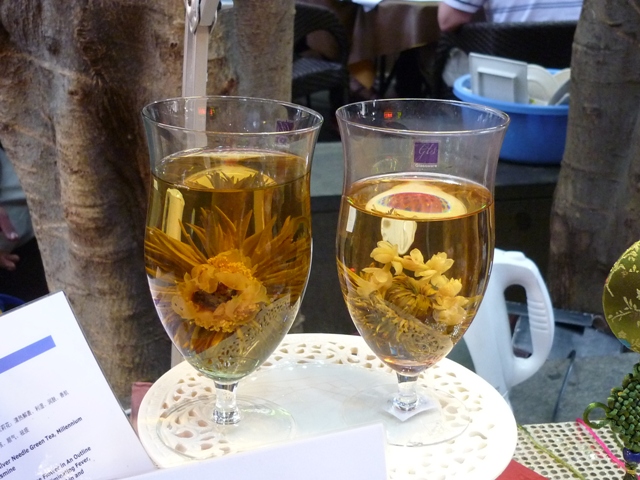
….which blossoms in boiling water to create jasmine tea.

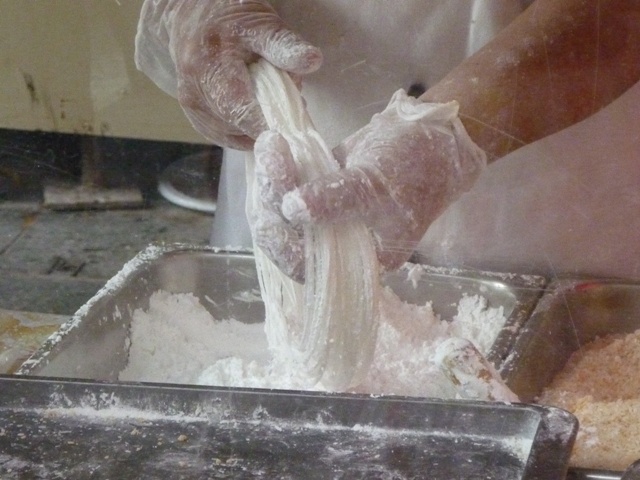
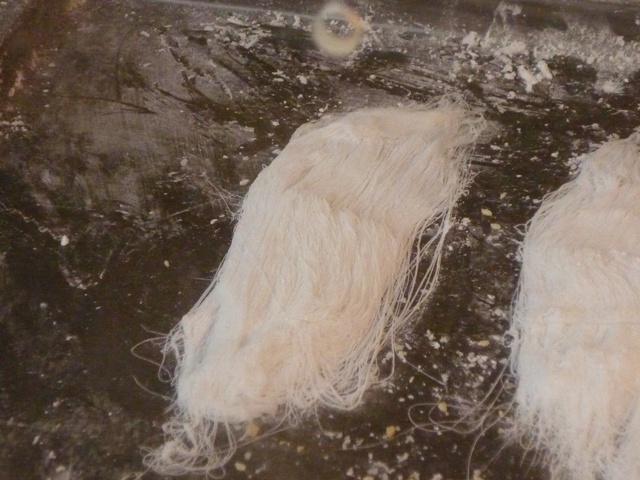
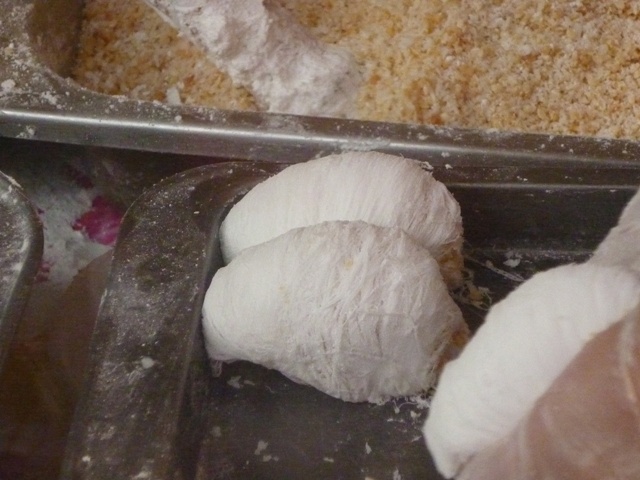
The highlight of the evening was watching Master Au create his dragon beard candy – a famous Chinese sweet which, until 1911, was eaten exclusively by the emperors of China.  There are very few artisans left who possess this skill, and it was almost hypnotic to watch him in action, turning a wheel of hard candy into hundreds of white strands, which he then wrapped around a peanut and sesame filling.

I’d made some well-intentioned New Year’s resolutions about eating sensibly – what better way to ring in the new decade than by breaking these in a  truly spectacular fashion!

. . . . .

Sydney Chinatown Night Market
Dixon Street Mall
Chinatown, Sydney NSW 2000
Open every Friday, 4pm – 11pm

www.chinatownnightmarket.com.au