Feeds:
Posts
Comments

These peppermint creams are simple to make and very moreish! Pete, who  isn’t a fan of the commercial version, has eaten ten of these today…

I altered the original recipe slightly to simplify the handling of the peppermint cream and dipped the centres in tempered chocolate rather than the chocolate and shortening mixture specified.  The original recipe is here, if you’d like to cross-refer to it.

  • 375g sifted icing sugar mixture (confectioner’s sugar)
  • 25g softened unsalted butter
  • 2 teaspoons pepermint extract
  • ¼ teaspoon vanilla extract (I used homemade)
  • 60ml heavy cream
  • tempered dark chocolate, for dipping (I used a mix of Callebaut 54% and 70%)

1. In a stand mixer, combine the sifted icing sugar mixture, butter, extracts, heavy cream and mix on low speed until combined, then beat at medium until the mixture is well blended and creamy.

2. Shape the mix into a long thin log (mine was about 2.5cm/1″ thick) and wrap in parchment paper, twisting the ends to seal.  Chill in the fridge for about an hour.
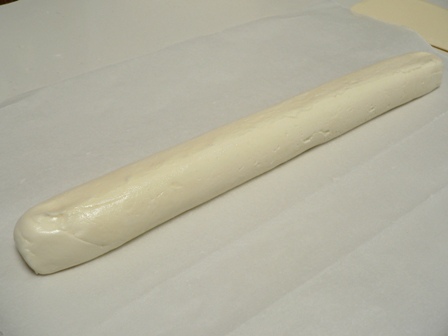
3. Unwrap the log and slice it into thin discs.  Lay these out on a tray lined with parchment paper and return them to the fridge while you temper your dipping chocolate according to the instructions here.

4. Dip the peppermint centres in the chocolate and allow them to set on a tray lined with parchment paper.  Store the finished chocolates in the fridge and try not to scoff them all at once!

. . . . .

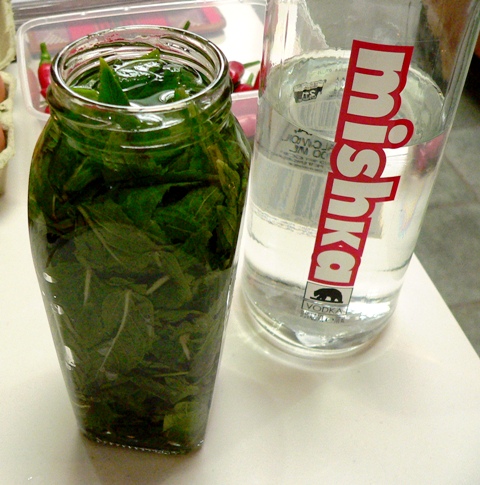
I used up all my mint extract on the first batch of chocolates, and rather than buy more, I thought it might be nice to try and make some at home.

I’ve packed a sterile jar with as many washed spearmint leaves as possible, then topped it up with vodka.   The plan is to let this “brew” in a dark cupboard for a couple of months, after which time I’ll strain out the leaves.  It certainly looks promising – it’s only  been a couple of days, but the vodka is already picking up the mint flavours.  I’ll let you know how it goes…
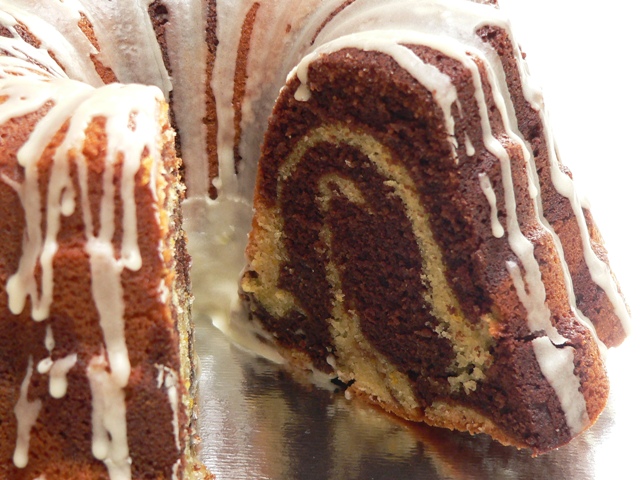
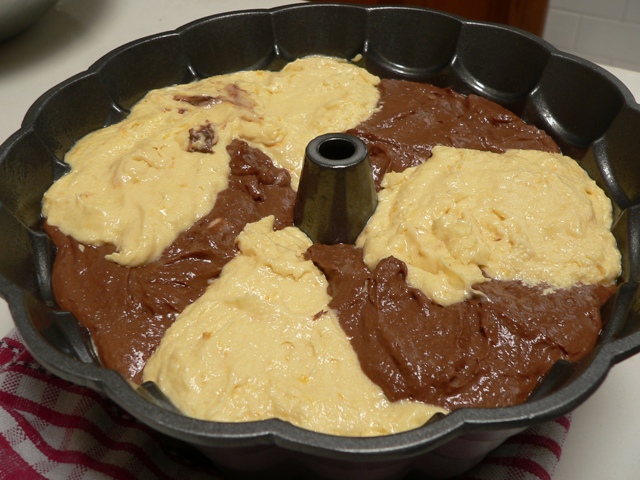
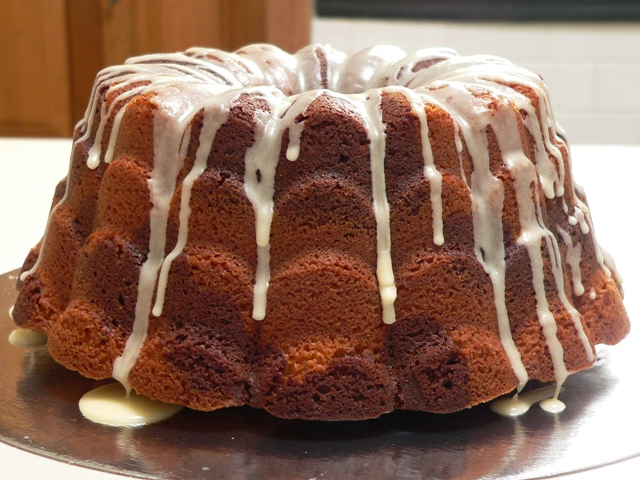
As part of our egg de-glutting, Joanna suggested this choc-orange marble cake by Suelle at Mainly Baking.  Unlike butter cake versions, this one is moist and tender, thanks to the addition of almond meal.  And it used up six large eggs!

Pete felt I’d “overswirled” – he maintains that marble cakes should have clumps of flavour rather than ribbons, but I was more than happy to trade that for the gorgeous loops of colour in the cut slices!

Suelle’s recipe is here, and I sized it up by 50% to suit my 10-cup bundt pan.  It resulted in a very large cake, which was cheerfully shared around the neighbourhood.

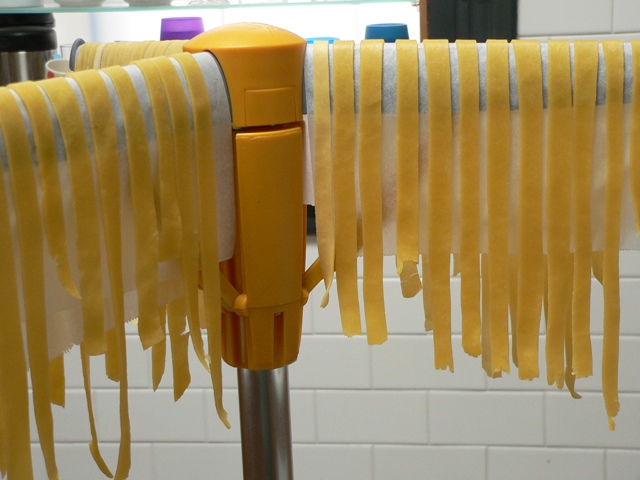
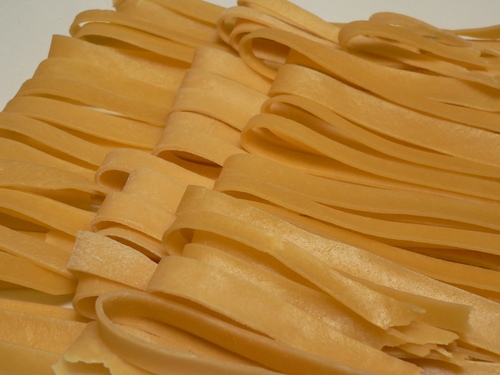
Still on the topic of eggs – this morning I took Sue’s advice and made some egg pasta, seen here drying on our laundry hanger…

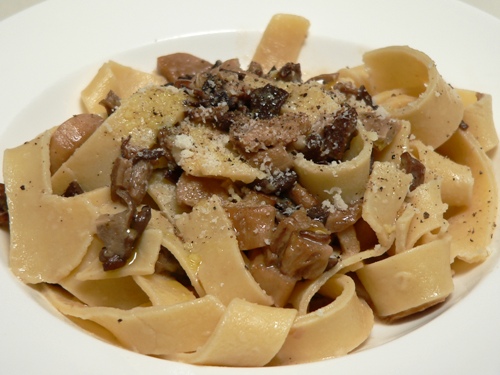
It made a delicious lunch topped with mushroom and garlic sauce!

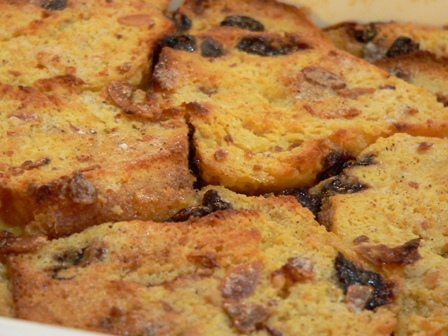
Last night I turned our leftover kugelhopf into bread and butter pudding for Pete’s cousin Jono…the sweet kugel suited the dish perfectly…

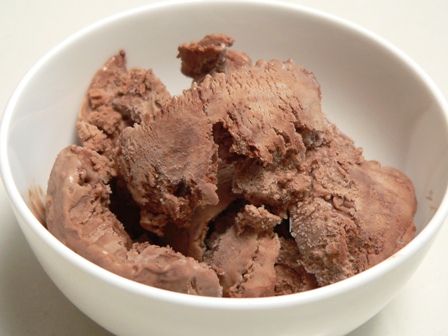
And finally, here’s Pete’s delicious custard-based ice cream, flavoured with Dutch cocoa and dark Belgium chocolate.

Egg glut?  What egg glut?

I was going to call this post “Waste Not Want Not”, but that’s a hard maxim to live by in the modern first world.  We try not to waste anything, but it’s almost impossible to never throw anything out, and I’m not about to force my boys to eat mouldy bread for the sake of a principle.

I think what’s important, though, is to make a concerted effort not to waste anything – and to feel a little angst when you do.

There are two persuasive reasons for training yourself to think like this. The first is obvious – it saves a bit of money.  It won’t necessarily be much though, and as an incentive, that alone will be unlikely to sustain a permanent change in thinking.

The second reason, to my mind,  is more convincing.

As many of you know by now, I’m a big River Cottage fan. Hugh Fearnley-Whittingstall often talks about treating food with respect – in the case of an animal, he interprets that to mean ensuring the beast has had the best  possible life prior to slaughter, and then making use of every last bit of the carcass.

By adopting an attitude of “waste with angst”, I feel that we’re showing respect for the generous bounty we’ve been given.  It ensures that we don’t take our food, or the energy and resources put into creating it, for granted.    It helps us to view what we have through grateful eyes, and reminds us to always give thanks for what we have.

. . . . .

Here are some of the little things we do to minimise wastage (and therefore angst!) in our kitchen – I would love to know your suggestions!

  • Don’t throw out old bread, unless it’s mouldy or just too gross to eat.  We turn our stale loaves into panzanella salad (great recipe here), bread and butter pudding, and breadcrumbs (which we use in meatloaf, hamburgers, and occasionally just deep-fry and scatter over pasta).
  • Keep an eye on expiry dates, particularly on refrigerated items.  If  cream is nearing its use-by, turn it into custard, icecream or ganache.
  • Turn leftover cream into a little butter.  There is nothing quite like eating homemade bread smothered in freshly churned butter.  You don’t need a lot of equipment to do this – we use either the mixer or our mini food processor (with whisk attachment).  A little salt will help the butter keep a bit longer.  Here are some photos which might be of use.
  • Freeze your garlic – break it into unpeeled cloves and put them in a double layered ziplock bag (to prevent it stinking up your entire freezer).  Not having to throw out mouldy garlic  ever again is good for your soul!
  • Freeze all your excess egg whites, or turn them into meringues and then freeze them, for use in either trifle or Eton mess.  My friend Dan makes meringues on mass, freezes them, then pulls them out one at a time to make a “parfait” for little T – crushed meringue topped with strawberry jam and Greek yoghurt.  Perfect princess dessert!
  • Recycle leftovers – I know this is terribly clichéd, but it really does make a difference, especially when you’ve put a lot of effort into the original dish. I made my scotched egg meatloaf a few days ago, and the following night, Pete turned the leftovers into a simple pasta sauce, by breaking them up and adding his homemade tomato pasatta.  It was literally the work of minutes, and it felt like a totally different meal to the one we’d had previously.
  • Learn to preserve – a great way to store surplus produce, as well as creating gifts for your loved ones.  Start by turning all your apple leavings into homemade pectin, which you can then use to create the most delicious jams ever. Since Pete took over this process (which I must say, he’s become very good at), we’ve been giving jars of homemade jam away as presents, and it’s made Christmas gift giving a joy rather than a chore.
  • Finally, spread the love around!  Get to know your neighbours and share your bounty with them.  We regularly cook too much dinner, but we also have friends and neighbours who work very long hours and are usually happy to have a homecooked meal.  It works out brilliantly for everyone!

. . . . .

Click here for more Frugal Living posts

. . . . .

Anybody that’s got more than a passing interest in British food should really look at Dorothy Hartley’s book, Food in England…one thing in it about mutton that I find quite funny really, but also quite nostalgic, and it comes from a time when you had your roast and it had to last, so it said:

Sunday, you have your mutton hot
Monday, cold
Tuesday, hashed
Wednesday, minced
Thursday, curried
Friday, broth
Saturday, shepherd’s pie

….presumably back to Sunday and another joint!

Chef Rick Stein, Rick Stein’s Food Heroes

Here’s how the conversation started on Friday afternoon…

“MJ, I’m boiling a leg of lamb tonight, would you like to come over? Ummm…I should mention that I have no idea how it’s going to work out, but since you’re family, I’m sure you won’t mind if it’s a disaster and we have to order Thai takeaway…”

Pete’s cousin later recounted that the first thing that came to her mind was..“Boiling lamb? For goodness sake, just don’t!”

This recipe, inspired by an episode of Rick Stein’s Food Heroes of Britain, is an absolute winner and quite different to anything I’ve ever cooked  or eaten before.

In Australia, a leg of lamb is almost always baked or, in recent years, butterflied and barbequed.  But it wasn’t something I grew up eating at all – being Chinese, the only thing my mum ever did with her oven was use it as a cupboard to store plates in.  For years, I never understood why people actually needed to clean their ovens…

Anyway, this recipe is apparently not uncommon in the UK, and it’s a really delicious way to cook lamb.  The meat is tender and moist, and you have the added bonus of some wonderful brown stock to stash in the freezer at the end of the cooking process.  It’s traditionally made with mutton, but that’s hard to source from our local butcher.  The quantities are pretty flexible, as is often the case with this style of cooking.

When I went to prepare the dish, I found that the lamb didn’t fit into the pot, so I drove back to the butcher to ask him to cut the shank off for me.  He laughed and showed me a joint half-way up the leg, then cut through it with his large knife and bent the shank over.  If you’re buying a leg of lamb or mutton for this purpose, you might want to ask your butcher to nick that joint for you – it’ll make it much easier to manoeuvre the big bone into the pot.

  • 1 large leg of lamb (or leg of mutton) – mine was about 2.7kg
  • lots of carrots and onions, peeled and chopped
  • peppercorns
  • sprig of fresh or good pinch of dried rosemary
  • generous amount of salt to season
  • butter and/or olive oil
  • ¼ cup plain flour
  • 2 heaped teaspoons capers

1. Sit the lamb in a large cast iron cooking pot (I used a 30cm Le Creuset dutch oven) and cover it with the carrots, onions, and peppercorns.  Place the sprig of rosemary on top, or scatter with the dried rosemary.  Scatter over the salt, then add enough water to just barely cover the meat.

2. Cover with the lid and cook on the hob over a medium heat until just boiling, then reduce the heat to low and simmer gently for 2 – 3 hours, depending on the size of your lamb and how you prefer your meat  to be cooked.  Carefully turn the joint over about half way through the cooking time, and top up with a little extra water if needed.  Taste the stock for seasoning and adjust if necessary.

I used a probe thermometer to check the meat – 65C for medium or 80C for well done – and removed it from the pot once the internal temperature exceeded 70C.  It continued to cook further as it rested.

3. With a ladle, scoop out some of the stock and pass it through a sieve into a separate bowl. Melt some butter and olive oil in a small saucepan, then add the plain flour and cook it through, but don’t allow the roux to brown.  Add the strained stock and heat gently until thickened, then stir in the capers.  Plate up the sliced meat with some of the cooking vegetables and the caper sauce.  We served the dish with King Edward potato wedges (just to keep it all very British!).

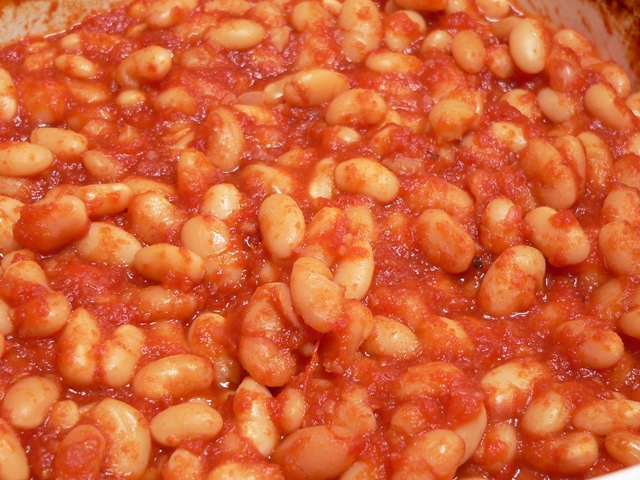
Have you ever made your own baked beans?

It’s easy to do and Big Boy absolutely loves them (Small Man still prefers the ones that come out of a tin, but we’re working on him).  They’re also very economical – today’s batch cost us less than $3.

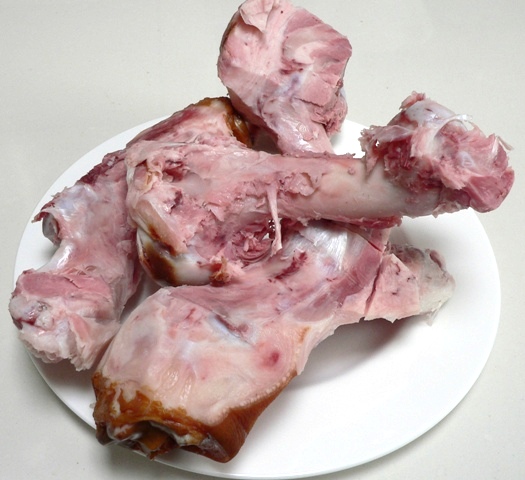
My friends at Paesanella always save their ham bones for me, and they add a delicious flavour to the beans. You could use smoked bacon ribs for this recipe, although the dish will be slightly saltier, so you might need to adjust your seasonings accordingly.

Homemade Baked Beans
(inspired by a recipe in Old Food, by Jill Dupleix)

  • 500g dried beans (I used Great Northern Beans)
  • 1 ham bone
  • 500ml tomato passata (we used Pete’s homemade version)
  • 2 Tablespoons brown sugar
  • 1 – 2 teaspoon salt (to taste)
  • 500ml  (2 cups) water
  • 1 Tablespoon Worcestershire sauce
  • 1 bay leaf

1. Soak the beans in plenty of cold water overnight.  The next day, drain well and put them into a large pot with fresh water.  Boil until just tender.  This took about half an hour, but will vary according to the type of beans used.  You could cook these in a pressure cooker, but I’ve never managed to do this successfully – I always end up with mushy beans and lots of foam.

2. Drain the beans in a colander and rinse them under cold water to stop them cooking any further.  Preheat oven to 150C with fan.

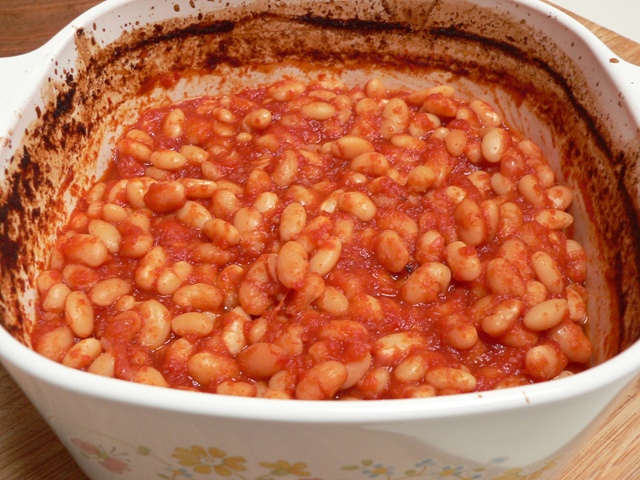
3. In a large ovenproof pot (I used a Corningware casserole with lid), place the bone and the drained cooked beans.  Whisk together the passata, sugar, salt, Worchestershire sauce, bay leaf and water.  Taste the sauce, and adjust seasonings if necessary.  Pour over the bone and beans.

4. Bake covered for 1½ – 2 hours, then remove the ham bone and strip any meat off them.  Discarding the bone, add the meat back into the pot (if you wish) and give it a good stir, then put it back in the oven and bake for a further hour or so, uncovered, or until the beans are cooked to your liking.  Add a little more water if the beans get too dry. Taste again for seasoning and adjust if necessary.

We froze our baked beans in small containers, but they will also keep for a few days in the fridge.  The boys had baked beans on sourdough toast for lunch today!