Feeds:
Posts
Comments

Archive for August, 2009

160809 017

I had a little manic episode of pie making last weekend…

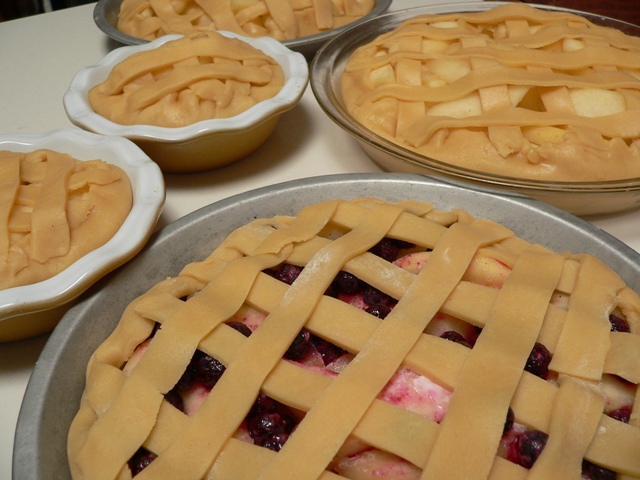
All up, I made eight pies – I took three to Kevin and Carol’s place on Friday night; three were stashed in the freezer, ready to bake; one was for Nic’s birthday; and the last one was for Small Man, who needs to eat apple pie for two days in a row, or his chi gets out of kilter.

For a change, I made the dough with duck eggs, which I’d bought on a whim from Flemington markets.  Here’s the recipe for a one and a half batch of June’s pastry, which was enough for all five pies in the photo below, with a little bit leftover for the freezer.  It freezes beautifully, so you can always keep a stash on hand.

  • 375g unsalted butter
  • 300g plain flour
  • 300g bakers/bread/continental flour
  • 225g icing sugar mixture (not pure icing sugar)
  • 2 duck eggs or 3 large (59g) chicken eggs

1.  In a large mixing bowl, mix together the flours and icing sugar mixture.  Cut the butter into small pieces and rub it into the flour mixture.

2. Crack in the eggs and mix everything together.  It will be sticky at first, but keep scraping off your fingers and kneading it together until it forms a smooth dough.  Add more flour, a little at a time, if needed.

3.  Shape the dough into a ball and rest it, wrapped in cling film, in the fridge until required.  Note that this is quite a sticky dough, so you’ll need to dust everything well with flour before you roll it out (I roll out onto a sheet of parchment paper).  If the pastry breaks as you’re putting it into the pie dish, don’t panic – just squish it back together again. It’s really a very flexible dough and the duck eggs give it a lovely silkiness.
160809 013

4.  If you’re making apple pie, follow the filling instructions here.  For Nic’s pie, I tossed a handful of frozen berries in a little cornflour and added them to the apple mixture.  I brushed the tops with a  little beaten egg and sprinkled them with Demerara (turbinado) sugar, which gave the finished pie crusts a wonderful crunch.

160809 015

Every fortnight or so, we’ll buy a box of apples at Flemington Markets.  Whenever possible, we’ll get Pink Ladies, but the Fujis have also been very nice this season.  Because we buy in bulk, there are always some bruised ones in the box – these become apple pies, apple pectin, apple jelly and sometimes apple butter.  It makes me deliriously happy that we’ve found ways to use every last bit of the apple – not a single part is ever wasted!


Read Full Post »

They say a picture paints a thousand words, so here is my three thousand word essay on this week’s highlights from Flemington Markets!

We bought  fifteen punnets (one tray) of the sweetest, most delicious strawberries for $15…

006

… a small bag of blisteringly hot red and orange chillies for $2…

007

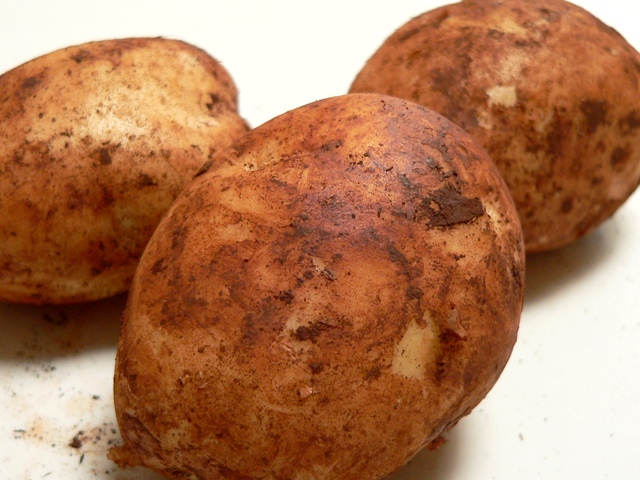
… and some Atherton Tablelands Sebago potatoes.  Sebagoes are the default Australian white potato, but these are unusual, as they’re grown in volcanic clay instead of dirt.  They cleaned up easily, and we baked them tonight as wedges (and served them with sour cream and Pete’s chilli jam).

Small Man announced that these are now his favourite, which is great because they’re a lot cheaper than the gourmet varieties.  I suspect, though, that he just likes saying “volcano potatoes”…

022

Read Full Post »

yc 004

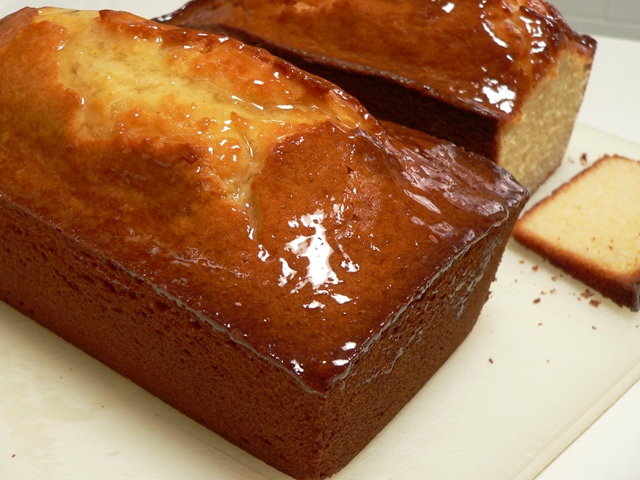
Our friend Anna, Aussie expat in France, mentioned to me recently that this is the  cake that Parisians bake.

In fact, it’s almost the only thing that most of her peers ever bake and, despite being the standard birthday cake for children, it’s usually served unadorned. Anna is revered by her fellow school mums for going to the extraordinary effort of making icing!

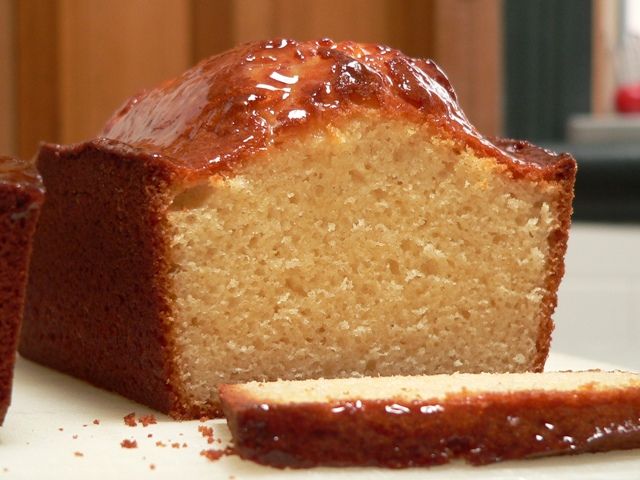
I can understand why it’s so popular, because this is an incredibly simple  yet delicious recipe to knock together.  I needed to make two cakes in a hurry yesterday, and was able to whip them both up in under 15 minutes (and that was making one cake at a time).  The batter is made without an electric mixer and involves simply beating the dry ingredients into the wet ones with a whisk.

yc 009

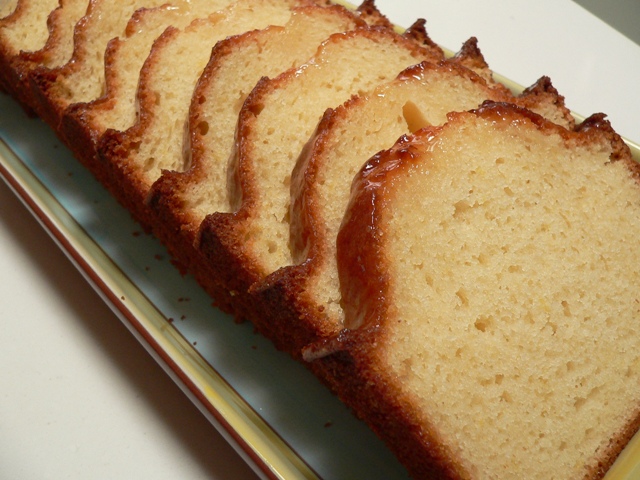
There are oodles of recipes for this cake floating around, but the one I like best is Dorie Greenspan’s, from her cookbook, Baking From My Home To Yours.  Here is our version, made with Pete’s homemade Greek yoghurt and cumquat jelly.  This batch was made with straight flour, omitting the optional almond meal.

Click here for a printable version of this recipe.

  • 1 cup (150g) plain (all purpose) flour
  • ½ cup (65g) almond meal (or extra ½ cup plain flour)
  • 2 teaspoons (10g) baking powder
  • pinch salt
  • 1 cup (220g) sugar
  • 1 teaspoon of lemon zest
  • ½ cup (125ml) Greek yoghurt
  • 3 large (59g) eggs
  • ¼ teaspoon homemade vanilla extract
  • ½ cup (115g)  vegetable oil
  • ½ cup cumquat jelly (for glaze) or other jam or marmalade

1. Spray a 21.5 x 11 x 7cm loaf tin with oil spray.  I use this Chicago Metallics loaf tin, which seems to be the perfect size for all sorts of things.  Preheat oven to 175C (350F), or 160C with fan.

2.  In a medium bowl, whisk together the flour, meal, sifted baking powder and salt.

3. In a large mixing bowl, whisk together the yoghurt, eggs, vanilla, sugar and zest until well combined.

4.  Scatter in the dry ingredients, a little at a time, whisking as you go.  Once mixed, gradually fold in the oil with a spatula.  The resultant batter with be smooth and shiny.  Scrape the batter into the prepared loaf tin and level out the top.

5. Bake for 50 to 55 minutes, until a skewer inserted into the centre of the cake comes out clean.  Cool the pan on a rack for 5 minutes. Loosen around the edges of the cake with a butter knife, then turn out the cake and allow to cool to room temperature on a wire rack.

6. Glaze: melt the cumquat jelly in a small bowl in the microwave, being careful not to boil it.  Brush all over the cake with a pastry brush, and allow to set.

yc 012

. . . . .

Here is an easy birthday cake which I made using this recipe…

Read Full Post »

Cool Thing #8 – Kiva

Kiva is a micro-finance organisation, based in the USA.  Their mission is “to connect people through lending for the sake of alleviating poverty”.

In practical terms, that translates to this – through Kiva, you can lend a small amount of money to a small business owner in a third world country.  It’s an easy process; you simply go to the Kiva website, find someone you’d like to assist, then transfer the funds via PayPal.

When I say small amount, I mean really tiny – each micro-loan starts from just $25.  The money you lend is combined with small loans from other lenders until the total is enough to provide meaningful working capital to the borrower.  The money is lent to them interest-free (on your part), but it is a loan, and will, if at all possible, be repaid.

The recipients of these funds, most of whom don’t qualify under the usual banking systems, aren’t asking for charity, they’re seeking assistance to be independent.  They often need small amounts, a leg-up to help them get established – $800 to buy materials to sew clothes to sell, or $600 to buy drinks to resell at a small cafe –  that order of magnitude.

Can I tell you the most wonderful thing about this system?  I began with two small loans of $25 each less than twelve months ago.  One loan was repaid in full by May this year, the other one is 88% repaid.  I was able to re-loan the money I was repaid, thereby helping another person, and I’ll do the same again when the second loan is repaid.  So for my tiny investment of $50, I’ve helped three people earn a living, support their families and build their communities – all with the dignity of knowing that they weren’t dependent on a handout. It’s very rewarding, and it really is a case of helping someone to help themselves.

If you’re interested in knowing more, visit the Kiva website : www.kiva.org.

Note: 98.35% of Kiva loans are repaid, but there is no guarantee you’ll get your money back, so it’s important to lend with that in mind.  Having said that, I have friends who have re-loaned the same money several times over now, having been repaid in full each time!

Read Full Post »

022

Gillian at Some Say Cocoa – my virtual chocolate fix – blogged about ginger chocolate recently. I’m so suggestible (don’t you love that word? Alex taught it to me..), that I had to go straight out and buy ginger from the supermarket to make  my own.

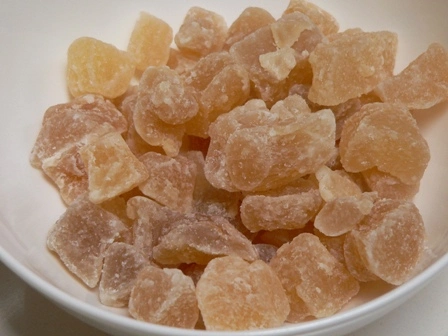
Buderim Ginger make some of the finest in the world, and this is one of their newer products – a glace ginger without the added sugar coating.  It’s still sweet, but without being overly so, and a little too easy to eat straight from the packet.

003

008

I dipped a few pieces at a time into a small bowl of tempered dark chocolate, which was resting on a heat mat to keep it at  88°C.  The chocolate was a mix of Callebaut 54% and 70%, to counter the sweetness of the ginger.

017

029

Perhaps the best thing about making ginger chocolate is that not everyone likes it.  All the more for those of us who do!

Read Full Post »

Older Posts »