Feeds:
Posts
Comments

Archive for April, 2010

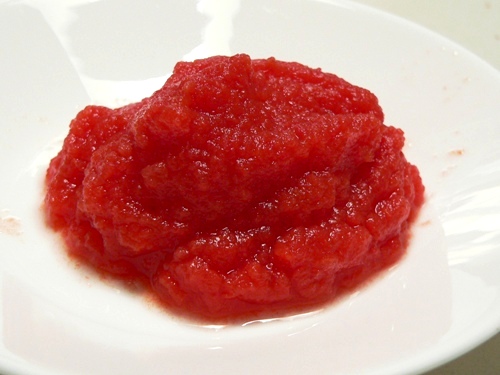
Over the past year, our passata recipe has evolved considerably.  We still make the roasted tomato version, but Pete now combines that with a fresh passata that he makes by simply blanching, processing and draining Roma tomatoes.  The end result of this new method is a bright red, thick puree which is both sweet and clean tasting.

1. Start with good quality Roma tomatoes – the ones we bought from Jimmy at the markets were thick fleshed, and quite dry inside.

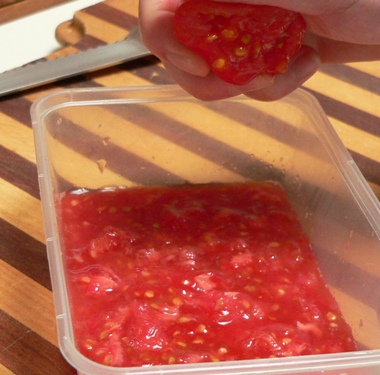
2. Cut these in half and squeeze the excess juice and seeds out as best you can.  The liquid inside the tomatoes is often slightly sour – removing and discarding it now leaves just the sweet pulp in the finished sauce.

3. Blanch the tomatoes briefly in boiling water – the aim is simply to heat them up and soften them so they’ll pass through the food mill.  You don’t want to actually cook them too much.  Drain well.

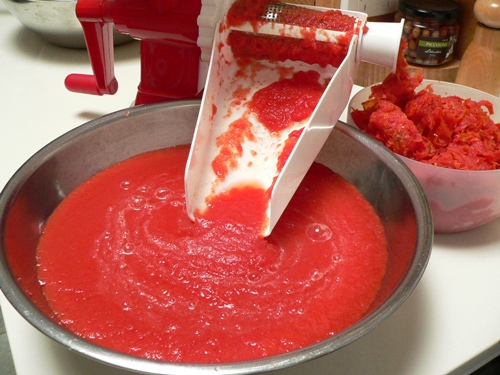
4. Pass the cooled tomatoes through a food mill or tomato juicer.  We put the extruded pulp back through a couple more times to extract every last bit of flavour from it – usually the final pass produces a thick paste which enriches the sauce.

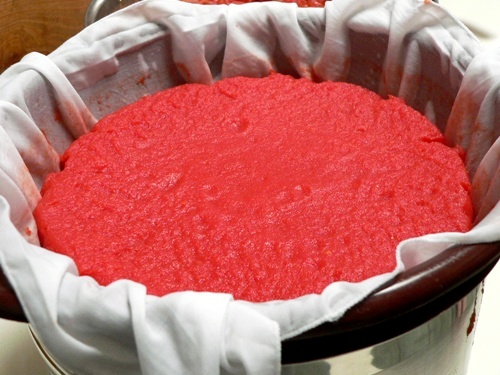
5. Pour boiling water through a clean cloth, then use it to line a colander over a large bowl.  Pour the passata into the cloth and allow it to drain until thick.  Whatever you do, don’t throw out the juice that collects in the bowl below!  That’s delicious, pure tomato water – more on that in a future post.

Once your passata has drained thoroughly, it can be frozen in small containers for future use.  We mix ours with roasted tomato passata, to create a tomato concentrate which we find ideal for pastas and pizzas.

Click here for a printable version of this recipe

Read Full Post »

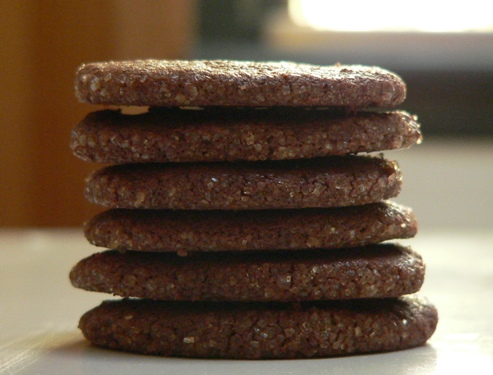
These chocolate sablés are sooo good.

Chocolatier Fran Bigelow’s recipe incorporates potato flour, which gives the cookies a tender, crumbly texture that makes them irresistible.  These quantities result in a lot of cookies – Bigelow says 60 to 75. I made two logs from the dough and immediately froze the larger one – as it was, the smaller roll made well over 20 cookies.  There aren’t many left now though…

Chocolate Sablés
(adapted from a recipe in Fran Bigelow’s Pure Chocolate)

  • 240g (8oz) semisweet chocolate (I used Callebaut 811 54% cacao)
  • 250g (1 cup) unsalted butter, at room temperature
  • 220g (1 cup)white sugar
  • 1 large (59g) egg
  • 1 teaspoon vanilla extract (I used homemade)
  • 140g (just under 1 cup) plain (AP)  flour (originally recipe specified 1 cup cake flour, but we can’t get that here)
  • 170g (1 cup) potato starch flour
  • 55g (½ cup) Dutch-processed cocoa
  • pinch of salt
  • Demerara or raw sugar for decorating

1. In a medium bowl, sift the flour, potato flour and cocoa together.  Even if you don’t normally sift, make an exception this time, or the cocoa and potato flour will be lumpy and won’t mix properly.  I think the sifting also lightens the flour to create a crumblier cookie.  Stir in the salt.

2. Melt the chocolate in the microwave on high – use short bursts and stir frequently, making sure you don’t scorch the chocolate.  Allow this to cool, but not set up.

3. Using an electric mixer, beat the butter on medium until smooth and pale, then add the sugar and continue beating until smooth.  Scrape down the sides often and expect to beat the mixture for a good 3 to 5 minutes until light and fluffy.

4. Beat in the egg and vanilla until blended.  Add the melted chocolate and mix on low to medium until just combined, scraping down the sides of the bowl as required.

5. Add the flour mixture and mix at low speed until just combined.  Do not overmix.  Finish by stirring with a wooden spoon or spatula if there are little bits of flour left unincorporated.

6. Put the bowl in the fridge for 10 – 20 minutes until the dough is firm enough to handle, but not too stiff.

7. Place a large sheet of parchment paper on the counter, and pour over a generous amount of Demerara sugar (about ¼ cup, but I was just eyeballing it).  Shape half the dough into a thick log (about 6cm or 2½”  in diameter)  and roll it in the sugar until the sides are well coated (leave the ends uncoated).   Wrap the log in a sheet of parchment or cling film and refrigerate for at least 4 hours.   Repeat with the remaining dough.  The logs can remain in the fridge for up to 3 days, or frozen for longer storage.

8. When it’s time to bake, preheat the oven to 175C/350F or 160C /320F(fan assisted).  Remove a log of dough from the fridge and allow it to come to room temperature for about 10 minutes.

9. Slice the log into 6mm/¼” thick discs (or for any sewers out there, the width of a standard seam allowance).  Lay the slices onto parchment lined trays, leaving 2½ cm/1″  between each.

10.  Bake for 10 – 12 minutes, until the cookies have expanded and move slightly when very gently prodded.  Bigelow’s instructions say to bake “until the tops are dull”.   Remove the sablés from the oven and allow them to rest very briefly before carefully transferring to a wire rack to cool.  They’re very fragile – be prepared to eat any broken ones!

Click here for a printable version of this recipe

Read Full Post »
My friend Genie passed away three years ago, and I miss her every day.  This was her famous zucchini slice.

  • 2 cups grated zucchini (or a mix of grated zucchini and other vegetable – I used 1½ cups of zucchini and ½ cup of grated carrot)
  • 1 cup of grated cheese (I used a mix of Provolone Piccante and King Island cheddar)
  • 5 large (59g) eggs
  • 1 large onion, peeled and chopped
  • 1 cup self-raising flour
  • 3 rashers of bacon
  • ½ cup light olive oil

1. Dice the bacon and panfry until crisp.  Preheat oven to 175C with fan.

2. Place all the ingredients, including the cooked bacon and eggs, in a large mixing bowl and stir to combine.  Season with a little salt and a generous grinding of pepper.

3. Turn the mixture into a lined tin – I used a 31 x 14cm biscotti pan, but you could also use a 20cm square or a large loaf, or even several smaller tins (just be sure to adjust the cooking time accordingly).  Bake for 40 – 50 minutes until firm and golden brown.

Click here for a printable version of this recipe

Read Full Post »

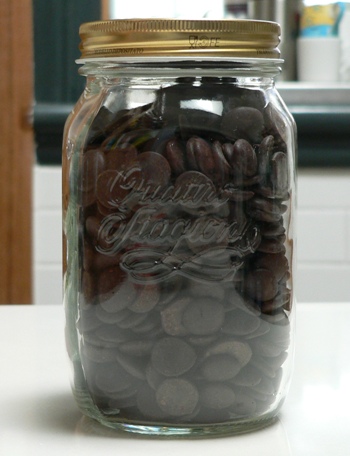
Remember how excited I was a few months ago when Joanna sent me some Willie’s Cacao?  The 180g blocks were enormous fun to play with, but at £6 each, plus £4 freight (A$16.50 in total), they really were too expensive for day to day use.

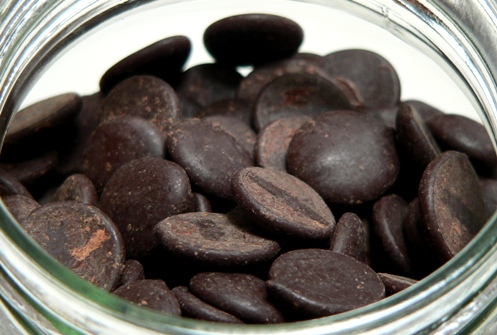
I was pretty chuffed when my foodie friend Sharyn (known affectionately at Chefs’ Warehouse as “Shazza”) put me on to the Callebaut equivalent.  This pure, unsweetened 100% cacao from Belgium costs $22/kg, comes in versatile callets, and provides a far more affordable option for experimenting with!

Apart from all the US recipes that call for “unsweetened chocolate”, there’s also an emerging food trend to add cacao to savoury dishes.  Last weekend, I tried it in a mushroom risotto with surprisingly delicious results – watch out for more posts on this in the future.

Fellow Sydneysiders, Chef’s Warehouse can order this product in for you on request – it’s known as Callebaut Cocoa Mass, and is available in 2.5kg bags.

Read Full Post »

Sharing

. . . . .

If you knew what I know about the power of giving, you would not let a single meal pass without sharing it in some way.

Buddha

. . . . .

Read Full Post »

Older Posts »