Feeds:
Posts
Comments

Archive for the ‘Frugal Living’ Category

Salmon Fish Cakes

Remember the huge Atlantic salmon we served at our family gathering last weekend? Well, there was heaps leftover…

We ate it cold for lunch on Monday, then with a little sweet soy on rice for dinner on Tuesday. On Wednesday night, we turned the remnants into very special fish cakes.

Actually, they were pretty ordinary fish cakes, but they were special to me.

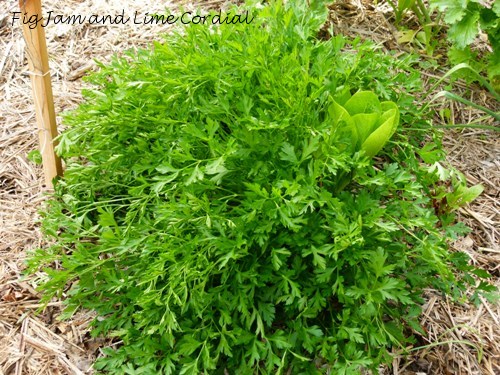
They included lots of our self-sown continental parsley

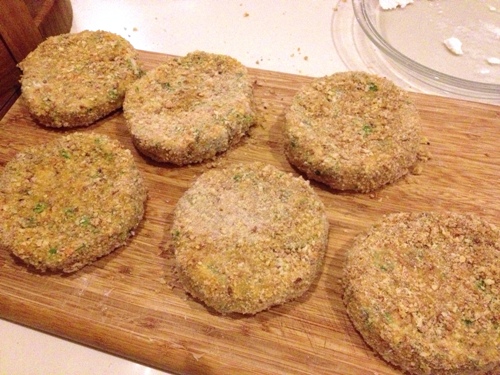
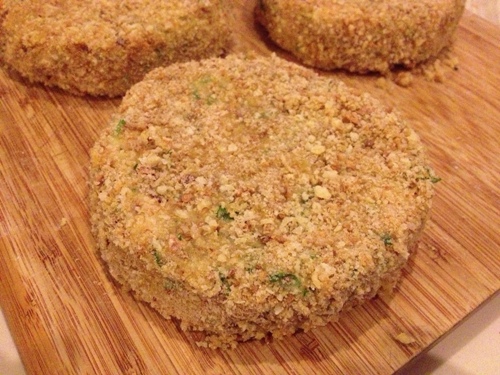
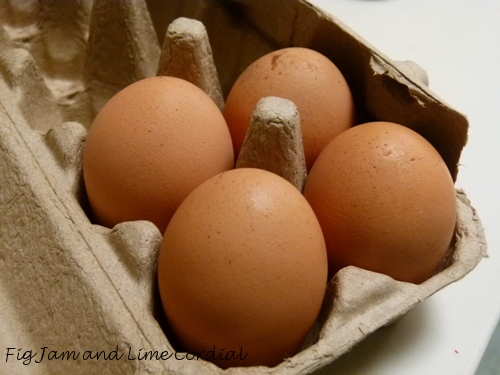
The recipe used up our last three backyard eggs (the girls seem to have given up laying altogether for winter). We coated the fish cakes in homemade sourdough breadcrumbs, which we keep in the freezer…

They also contained mashed potatoes, flaked salmon, salt, pepper and a little flour. We followed this Jamie Oliver recipe, then dipped the patties into a flour-egg-breadcrumb coating before shallow frying…

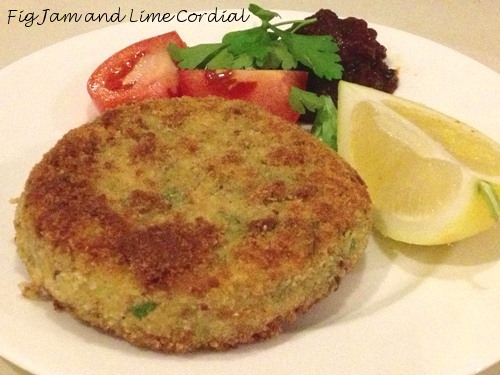
Each fish cake was huge – bigger than the palm of my hand – and served with  backyard tomatoes, a wedge from one of our bush lemons and a little homemade tomato relish…

fishcakes1

So dinner was…leftover fish (which we hadn’t thrown out), stale sourdough (which we hadn’t thrown out), excess parsley (which the chooks won’t eat), our last three backyard eggs, a few self-sown tomatoes, and a bush lemon.

And it was absolutely delicious.

Sometimes, life makes me very, very happy.

Read Full Post »

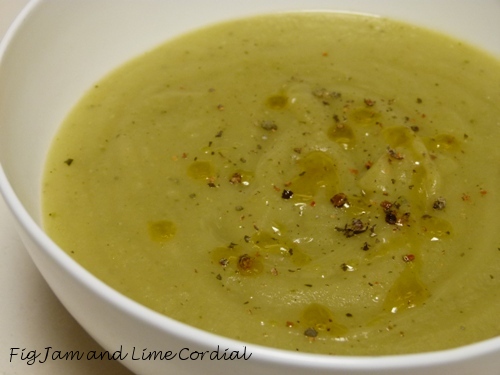
Tromboncino Soup

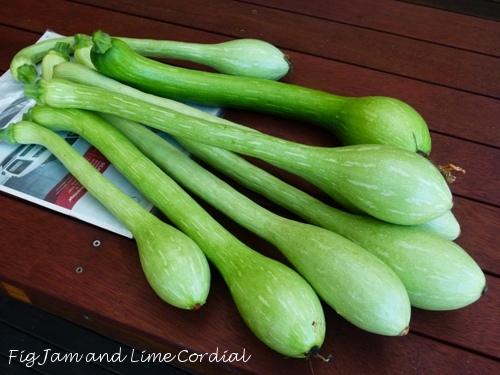
When you grow tromboncinos, you have to accept one indisputable fact.

If the plants like your garden, then you are going to be overrun with trombies. Our four little seedlings have colonised the adjacent bed, climbed over two camellia trees and are now hanging over the neighbour’s fence. And don’t think they’ll finish up peacefully once the weather gets cold – these plants are incredibly hardy. Linda told me that hers kept producing all through winter, although ours are now struggling a bit with the recent cold change.

I’m not complaining – we’ve had a wonderful bounty, and it’s been a treat to always have a vegetable in the crisper drawer! I’ve become quite creative at using them – in everything from bhajis to warm salads to savoury slices. We’ve made grilled vegetable lasagne, stir fries (flavoured with either oyster or yellow bean sauce), added them to our pasta soups, and created a ripper satay chicken and tromboncino main dish. My neighbour Liz even brought over chocolate trombie cupcakes last weekend!

It’s probably fair to say though that the boys are getting just a teensy bit sick of them…

The most recent harvest of our rampant zucchinis (as they’re known in Italian) have been turned into a thick soup.  I’ve made several large batches and stashed them in the freezer, to be eaten over winter as simple, warming lunches (note that the soup will need whisking back to smoothness once it’s been defrosted).

The soup consisted of:

  • chopped tromboncinos (and zucchini, if available)
  • one large, peeled and chopped potato
  • Spanish onions, peeled and chopped
  • homemade chicken stock (leftover from poaching chicken)
  • salt and pepper, to taste
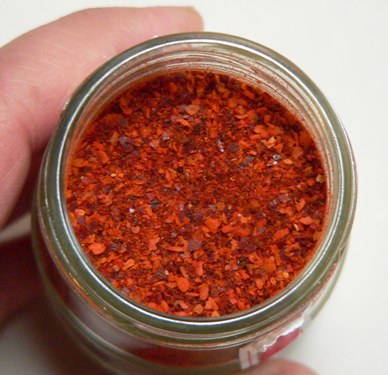
  • Piment D’Espelette (only about half a teaspoon or so to a large pot – it’s potent stuff)

All the vegetables were fried in a little olive oil until just starting to brown before adding the chicken stock. The pot was brought to a boil, and then simmered, covered, until the vegetables were soft. Then it was simply a case of blitzing the entire mixture until smooth (I used a handheld stick blender), and seasoning to taste.

It really couldn’t be easier, and I thought the end result was delicious, so I asked Big Boy to taste it for me.

“Hmm. It’s very nice, Mum. The only problem is that it tastes a bit like tromboncinos..”

Sigh. I guess I’ll be the only one eating it out of the freezer!

Read Full Post »

The Chicken Dilemma

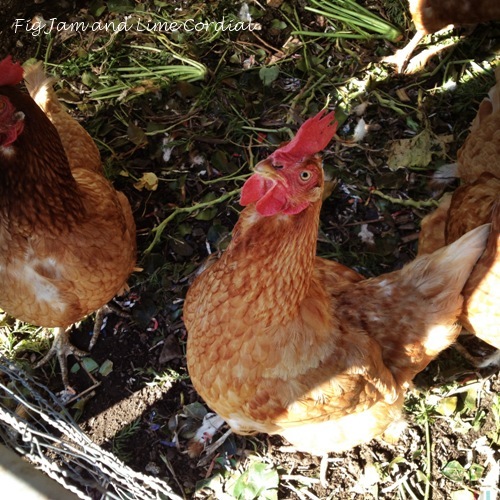
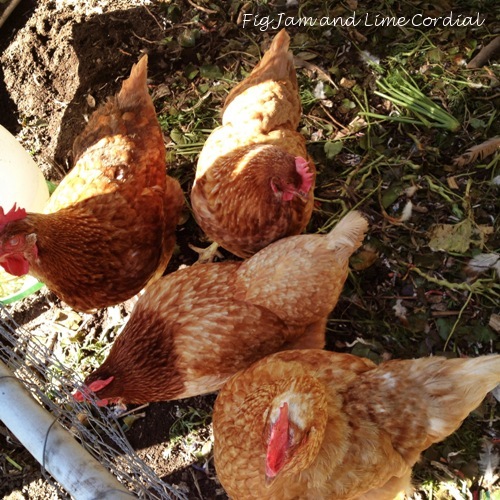
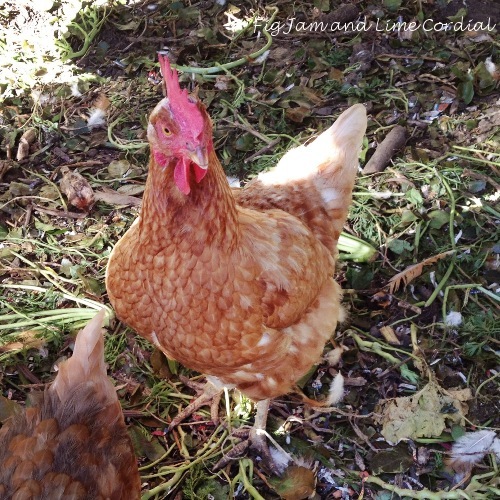
Our girls have stopped laying.

They’re now nearly three and a half years old, and we get just the occasional egg from them these days.  And to be fair, they did lay daily for two and a half years – that’s over 900 eggs each. I haven’t produced nearly that many during my lifetime.

But…the eggs are important.  The chooks aren’t pets, after all, they’re livestock.  If they’re no longer producing, then it’s time to stop feeding them and get some new ones in.  If we’re going to operate with some pretense of partial self-sufficiency, then there’s no room for sentimentality.

Wouldn’t you agree, Rosemary?

Sigh.

I guess we always knew that it was never going to happen.  Our remaining four girls – Rosemary, Harriet, Bertie and Francesca – are all ridiculously robust, especially for old chooks who are now barely laying.

Pete and I discussed the issue at length and in the end, we decided that the girls have earned their retirement. They’ve worked long and hard for us – laying eggs, rotovating the soil, picking out all the tiny bulbs of oxalis and eating the snails.  We’ve come to know each of them by both appearance and personality, and would miss them terribly if they were gone.

So the current plan is this – when we lose the next hen and we’re down to just three, we’ll get some more. There’s plenty of room in the dome, and lovely Linda has given us tips on how to introduce new chooks to the flock.  It will be a rough couple of weeks, but hopefully it won’t take too long for the new girls to settle in.

In the meantime, we’ll make do with the few eggs that we’re collecting. I guess if things get really dire, I’ll have to buy eggs for the first time in three years, and that’s not something I’m looking forward to. But the alternative, which is to get rid of our old girls, just isn’t an option for us.

Do you have backyard chooks? If so, I’d love to know what you did when your girls stopped laying. Whatever you decided, you won’t get any judgment from us – we know how difficult the decision can be!

Read Full Post »

As I mentioned three years ago, we didn’t start on our make it, grow it, source it path with the intention of saving money.  Our  goal then, as it is now, was simply to eat and live better.

But it is absolutely without question that we have saved an enormous amount of money in the process, with our food costs still about half of what they used to be, even allowing for the improved quality of ingredients we now buy compared to three years ago.

Sometimes it’s good to stop and take stock.  Here are some of the items that have made a significant impact on our balance sheet…

. . . . .
Meat

I have two highly carnivorous sons – Small Man is now a strapping sixteen year old and Big Boy will be twenty-one this year. And whilst Big Boy has finished his growth spurts, Small Man is currently an eating machine.  One night last week, he ate two pizzas and most of a chicken for dinner.

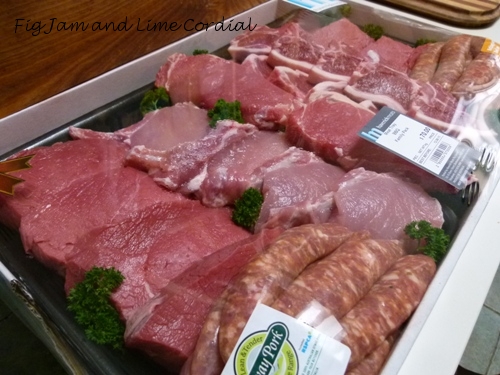
We now buy most of our meat from Haverick Meats in Banksmeadow. I first discovered them through Lorraine’s blogpost, and subsequently wrote about them here.  They supply a large number of Sydney’s fine dining establishments, and are open to the public on Saturdays only.  We still buy value added meats (schnitzels, marinated free range chickens, sausages) from our local butcher, but for all our bulk meats, it’s impossible to beat the quality and pricing offered at Havericks.

Here’s a good example of why the system works. Haverick Meats sell pre-sliced grassfed eye fillet to the restaurant trade – the pieces are cut to 200g each. The tail of the fillets are too narrow to use for these cuts, and are therefore sold off at their Saturday store – for just $20/kg.  I’ve seen exactly the same meat retailing online for over $70/kg. A one kilo tray is ample for two dinners at our place, and we end up paying just $2.50 per person for absolutely amazing beef.

On our last visit, we also came home with a 5.8kg grassfed rump, which we cut, trimmed and minced. The resultant homemade mince filled nine 500g freezer bags, costing us just $6.45 per meal.  We started mincing our own meat as a way to ensure quality, and whilst it’s not a real saving over prepared mince, it’s certainly far better than anything we could buy for the price.

. . . . .
Groceries

These days, we only go to the supermarket once every five or six weeks. And that’s to stock up on bulk staples – cereal, butter, sugar and so forth. We continue to buy UHT milk at Aldi – no-one here drinks milk by the glass, so we buy it for breakfast cereals, tea and yoghurt making.

Breaking the “twice a week visit to the supermarket” loop has saved us both time and money. More significantly, it means that we now have almost no highly processed foods in our daily diets.  It’s interesting to look back and see the insidious damage regular supermarket shopping did to our budget – we would always come back with “treats” or other impulse buys that we didn’t need, and it was nearly impossible to pop into the store without spending at least $50!

. . . . .

Bread

I blag on about bread ad nauseam, but it’s really the lynchpin to our lifestyle.

We spend just $20 a month (if that) on flour and salt, which is enough to produce all of Small Man’s school lunches plus an average of twelves loaves of ciabatta a week for eating and sharing.  My original sourdough loaves cost us 65c each, but my ciabattas work out at just 37c a loaf. That’s a substantial saving compared to Italian woodfired bread at $5 a loaf – if we were to buy twelve ciabatta loaves a week, we would be saving over $2,500 a year by baking our own!  In practice though, we would stretch out four purchased loaves, so our savings are probably closer to $800 a year.

Again though, the bread making has never been about saving dollars (and these costs certainly don’t take electricity into account), but the difference to our bottom line has been both noticeable and significant.  And, like buying UHT milk, baking our own bread frees us from the supermarket.

. . . . .

Specialist Suppliers

What is perhaps the most surprising outcome of our lifestyle is that because of all the other savings we make, we’re able to accommodate some very expensive foodie habits.  We indulge in Pepe Saya butter for spreading (we probably go through one wheel a month), I pay extra for both fair trade and origin chocolates, and we buy San Daniele prosciutto and Jamon at premium prices.  Even with these items included in our calculations, our food costs are still far less than they were five years ago.

It’s a lovely thing – we live very frugally compared to our peers,  but we never ever feel like we’re being deprived. And it’s nice to know there’s still room to move in our food budget – if we needed to cut our expenses even further, we could easily reduce our consumption of these “specialty” items.

. . . . .
Shopping at markets and growing our own

Five years ago, we started shopping at Flemington Markets in Sydney. These are an offshoot of the commercial Growers Markets that operate very early on weekday mornings.  Every item there is a bargain – apples are just $20 for a 16kg box, large free range eggs are $7 for 30.  For a couple of years, this made a big impact on our budget.

And then we started our garden, and we no longer needed to buy eggs, or green vegetables. Now we go just once a month or so, to stock up on potatoes, onions, tomatoes and fruit.  If you don’t have a garden, markets of this ilk are a great resource – the produce will be weeks fresher than what’s available at retail outlets, and the prices are unbeatable. By contrast, organic farmer’s markets are a lovely place to wander, but most of the ones in Sydney are too rich for my pocket.

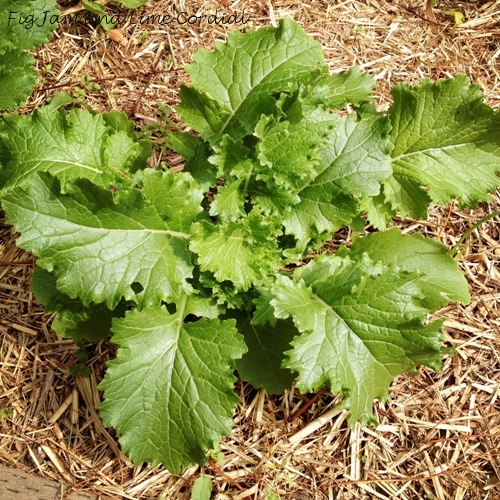
If you have space to grow your own herbs and vegetables, you’ll be amazed at how creative you’ll become at using homegrown produce. We will often go into the garden to see what we can pick, and then decide what we’re going to have for dinner.  And at the moment our yard is full of self-sown broccoli rabé, which will happily feed us a couple of meals a week over the coming months!

. . . . .

Homemade foods

The list of things we make from scratch continues to grow, with each new food being painlessly integrated into our routine.  Some items have been dropped – for example, we no longer make our own passata, as we can’t seem to grow tomatoes in bulk, and we’ve now sourced a very reasonably priced bottled alternative.  Nor do we always make pasta at home, although we’re now confident of being able to do so quite easily – it just makes such a mess to clean up afterwards!

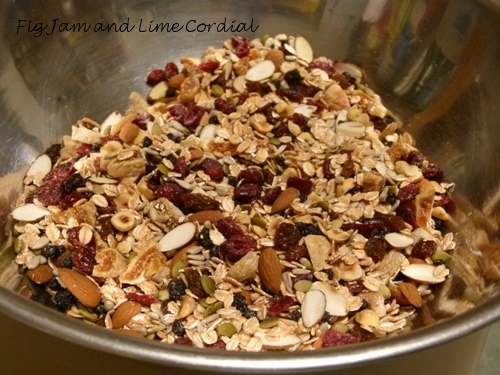
However, we make all our bread, Greek yoghurt, stock, vanilla extract, ice cream, pastry, cakes and jams.  Pete puts together his custom muesli blend once a month, and almost all our meals are homemade. It’s become a mindset – “how can we make this?” becomes the question asked, rather than “where can we buy it?”  And it’s very rewarding on all fronts – emotionally, physically and financially.

. . . . .

Sorry for such a longwinded post – once I started, it was hard to stop.  But there you have it, a review of the past few years of our journey. Thanks for sharing it with us!

Read Full Post »
“The craft is your rocking chair, you lean back
on it so you can rest, and then have the artistry..” 

Frank Oz

. . . . .

When I wrote my Bread #101 yeasted and sourdough tutorials, I wanted to come up with a really simple way to create a delicious loaf of bread. The posts were only ever intended to offer a starting point, because I knew that once someone had convinced themselves that it was actually possible to bake a successful loaf, then they were off and running.

And that’s certainly proven to be the case! In the space of just a few short weeks, Michelle has moved from yeasted to sourdough, Rachel has baked both grain and olive breads, Alison has perfected her chewy ciabatta, and Clare has created gorgeous fruit loaves. My darling friend Wendy, whom I passed starter to several years ago, is now busily teaching all her friends how to bake sourdough bread.

With just a little practice, a novice baker will soon develop the confidence to experiment and play, developing their own unique style in the process. Experience enables us to know intuitively whether or not a dough is too dry, sufficiently proved or baked long enough in the oven. And as the Frank Oz quote above says, once we’ve  attained a little mastery of the craft, we can lean back on those skills, and be creative.

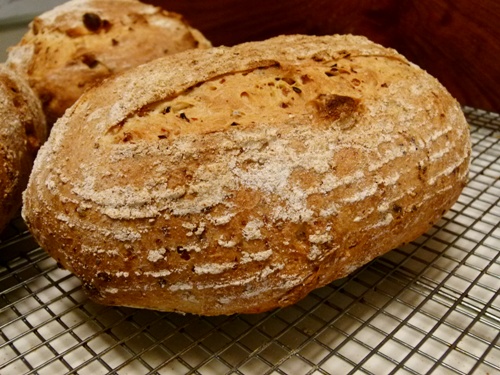
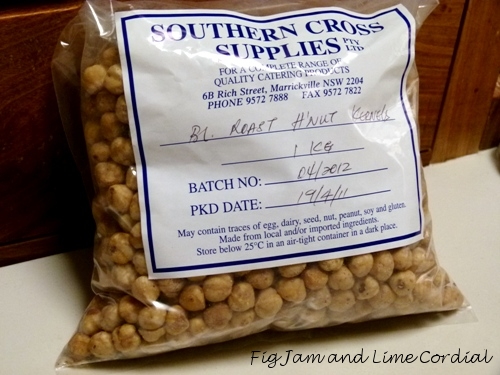
Last week, I wanted to make a grain loaf for a friend, so I pulled Priscilla out of the fridge and gave her a couple of good feeds. A rummage through the kitchen uncovered a half bottle of vintage riesling and the remnants of our bag of roasted blanched hazelnuts

I emptied the last of the grain mix into a bowl and poured over the riesling, intending to soak it for a few hours before adding it to the dough.  Then I remembered an old Dan Lepard recipe that I’d tried a while back, and instead tipped the grains and wine into a small saucepan, and cooked them over a low heat until all the liquid had been absorbed, and the grains were swollen and a little tender to the bite.

Here’s the dough recipe I used (adapted from the basic sourdough tutorial):

  • 300g ripe sourdough starter (fed with equal parts flour to water by volume)
  • 500g water
  • 50g olive oil
  • 1kg bakers/bread flour
  • 135g (dry weight) mixed grains, cooked in riesling, and allowed to cool
  • 165g roasted blanched hazelnuts
  • 20g fine sea salt

I started off with slightly less water – to adjust for the added liquid in the grains – but added the full amount as I felt that the dough was a little dry when I was mixing it.  Once the dough had been squelched together (but not kneaded), it was allowed to rest for nearly an hour before being given a quick fold in its container.

I then left it to prove on the dining room table overnight, and woke to find an enormous, puffy mass (bless you, Priscilla), which needed a well floured bench to be manageable.  I shaped three loaves and gave them a short prove in my bannetons (even though the dough was quite high hydration, I was reasonably confident of being able to turn them out).

After slashing, the loaves were baked in a preheated 220C fan oven for 25 minutes, followed by an additional 20 minutes at 175C with fan for the smaller loaf, and 30 minutes for the larger ones.

The finished loaves were deliciously flavoursome from the wine and roasted hazelnuts, and quite rich. We ate the small round loaf, and passed the other two on to friends.  This was a bread for savouring rather than scoffing.

And as I spread peanut butter over my slice, it occurred to me that this was the true gift of bread making – the ability to experiment and create and play.  I’ve baked a wide assortment of different loaves over the past few years (with varying degrees of success), many of them one-offs, and each loaf has fed my creative soul and provided a greater understanding of the craft.

If you’ve just started baking your own bread, then I’m truly excited for you, because I know what a great adventure you’re on. I wish you as much joy and satisfaction in your journey as I’ve found in mine!

Read Full Post »

« Newer Posts - Older Posts »