Feeds:
Posts
Comments

Archive for the ‘Recipes’ Category

Mussels and Cuttlefish Ink

Australian mussels are delicious, sustainable and very reasonably priced.

In fact, the reasonably priced bit can be an issue – I buy mine from Costco, where they come in a 2kg bag for just $9.99. The problem is, much as the boys and I love them (Pete’s not a fan), we just can’t get through that many mussels in one sitting.

With my last batch, I added a handful to a seafood curry, then cooked the rest as Moules Marinière. The latter is a very simple recipe, as the charming French Guy on Jamie Oliver’s YouTube explains here…

. . . . .

. . . . .

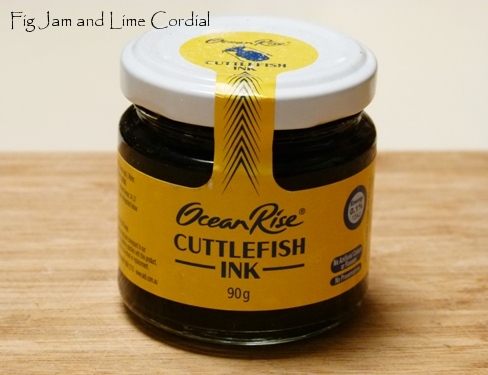
After dinner, I deshelled all the leftover mussels and stashed them, with their residual cooking liquor, in the fridge. I thought they might be a good match with the cuttlefish ink that lovely Becca sent me a couple of weeks ago…

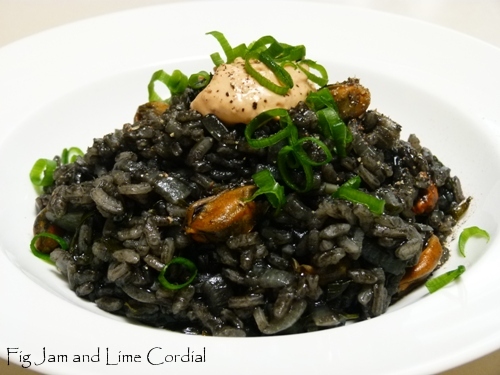
The risotto was made with Carnoroli rice, using the leftover Moules Marinière liquid as stock. A teaspoonful of the ink was sufficient to colour the grains a deep black, and the shelled mussels were added at the very end and simply warmed through gently. A squeeze of lemon, a scattering of spring onions, and a dollop of our chipotle mayonnaise finished the dish off…

Thanks for the fun gift, Becca!  Tell me, do you like mussels? And if so, how do you prepare them?

Read Full Post »

Weekend Eats

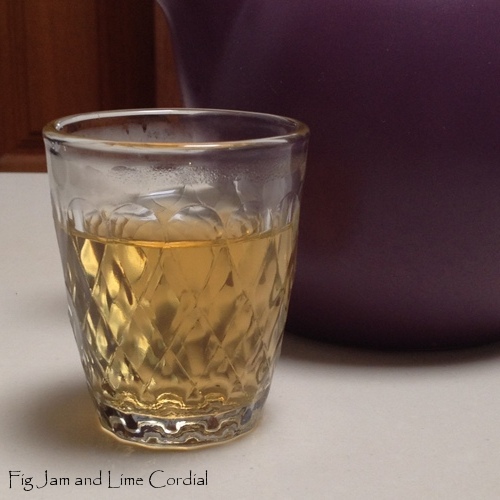
Last weekend, I resolved to do nothing more than sit at the dining room table and sip Moroccan mint tea from my gorgeous little Russian glasses (they’re just 100ml each). The dishwasher is broken (again), one of the fan elements on the oven has blown (again), and I was determined not to make any plans that involved messing up the kitchen…

. . . . .

Sigh. Turns out I’m quite rubbish at those sorts of resolutions – I get bored too easily. So I marinated some Bulgarian fetta (our recipe is here)…

. . . . .

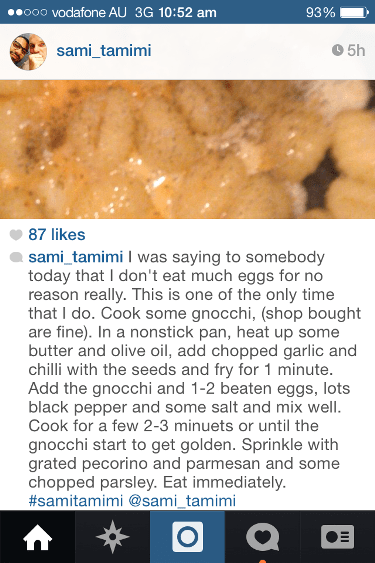
I checked out Sami Tamimi’s Instagram feed and found this recipe irresistible…

. . . . .

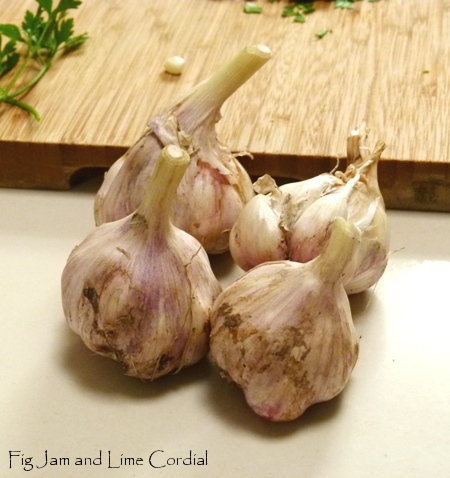
I picked up some new season Australian garlic and a packet of Joe’s fabulous handmade gnocchi

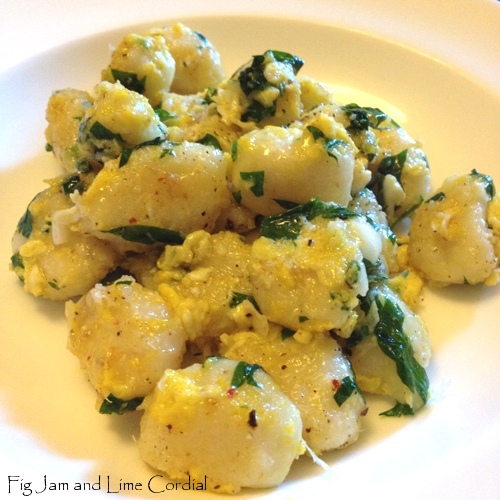
…and created this very simple Sami-inspired dinner, combining the gnocchi and garlic with our homegrown parsley, chilli and eggs. It was finished off with freshly grated black pepper and Parmesan cheese. Dead easy and very scrumptious…

. . . . .

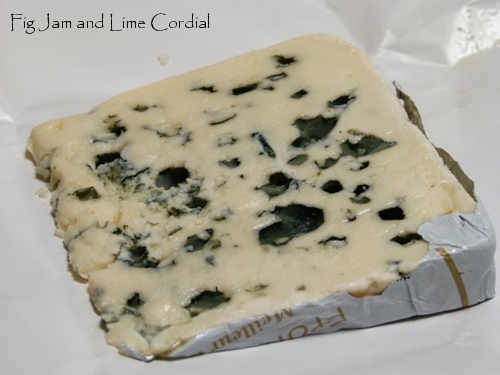
I traipsed over to The Larder in Dulwich Hill in the hopes of finding some Bruny Island raw milk cheese. Sadly, they no longer stock it, but I picked up a small piece of raw ewe’s milk Roquefort instead…

. . . . .

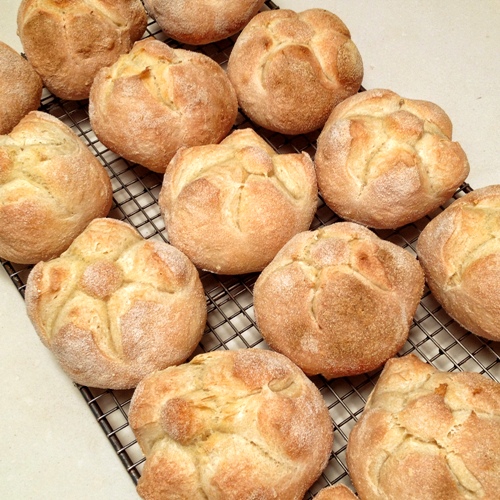
Even without a fully functioning oven, the urge to bake is sometimes too strong to resist, so I made a batch of overnight no-knead rosette rolls, sourdough of course…

. . . . .

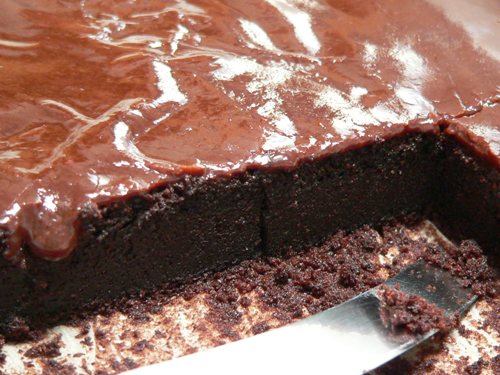
Finally, as it was Nick’s birthday, I baked him a chocolate slab cake. It was a big hit!

. . . . .

How was your weekend?

Read Full Post »

Truffles Au Chocolat

Getting older is a strange, idiosyncratic process – things seem to change in ways that are completely unique to the individual, and often without warning or logic.

Over the past few years, my capacity to digest cream, milk, yoghurt and some soft cheeses has diminished. It’s not quite a dairy intolerance, as I’m fine with butter and hard cheeses, and it’s not a true lactose intolerance, because Lacteeze tablets make me as sick as a dog.

For anyone else with these limitations, this chocolate truffle recipe is a godsend.

It’s adapted (only very slightly) from an old French recipe in the brilliant Alice Medrich Bittersweet cookbook…
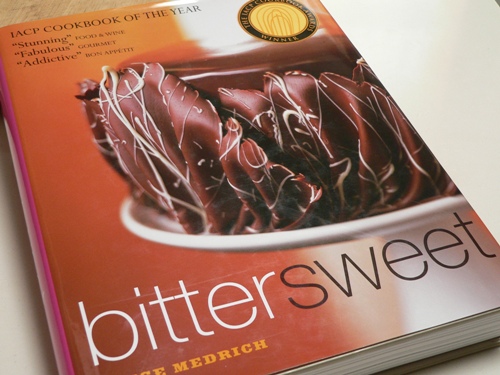
The truffles are made with egg yolks and butter rather than cream,  and they were the perfect thing to make with the leftover yolks from our raspberry marshmallows

  • 300g Callebaut 811 (54% cacao) dark chocolate callets
  • 150g Cacao Barry Tanzanie Origin Chocolate (75% cacao)*
  • 150g unsalted butter, cut into cubes
  • 2 large egg yolks (as fresh as possible), at room temperature
  • 125g (½ cup) boiling water
  • 55g (½ cup) Dutch-processed cocoa

*substitute a different 70-75% cacao dark chocolate if preferred.

1. In a heatproof bowl, either in the microwave or over a saucepan of boiling water, stir together the butter and chocolate until melted and smooth. If using the microwave, heat in 30 second bursts on high, stirring between each round until smooth.

2. Put a small saucepan with an inch or so of water on to simmer (if you haven’t already done so in step 1). Tip the yolks into a small stainless steel bowl or the top part of a double boiler and stir in the boiling water. Place the bowl over the simmering water and heat very gently, stirring constantly, until the eggy mixture reaches 71C. Be careful not to scramble the eggs!

3. Quickly pour the egg and water mixture through a sieve into the chocolate and butter. It helps to have a second pair of hands for this. Stir gently until completely combined and smooth.

4. Pour the chocolate mixture into a lined 20cm square tin or equivalent (I used my biscotti tin), smooth out the top, cover and refrigerate for a couple of hours until firm.

5. Sift the cocoa into a small bowl. Remove the set truffle mix from the fridge and allow it to soften for 30 minutes (this helps reduce cracking), then turn it onto a clean board and carefully remove the paper liner.

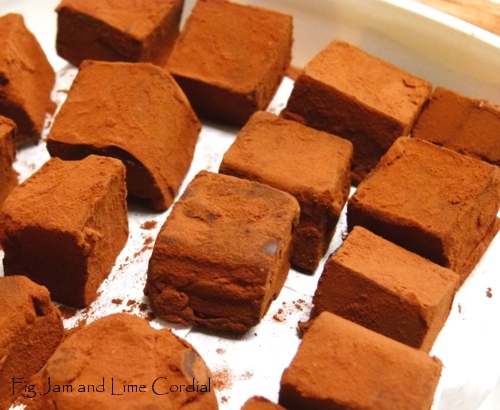
6. With a long, thin-bladed knife, cut the block into small cubes – mine were about 2cm each. You can squish together any that crumble apart a bit…

7. Toss the cubes in the cocoa powder. Store them in a sealed container in the fridge for up to two weeks, or freeze for up to three months.
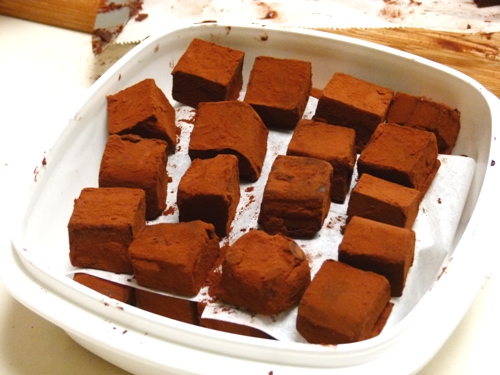
These truffles are rich and decadent, with a very dark chocolatey flavour and velvety texture. Because they need to be stored in the fridge or freezer, they’re not quite as versatile for gift giving as our other chocolates, but they’re a wonderful treat to take to a dinner party. It’s recommended that you let them sit on the bench for about 20 minutes before serving, but I find them irresistible cold, straight out of the fridge.

So..is it just me, or have any of you had to exclude certain foods from your diet as you’ve gotten older?

Read Full Post »
Before I was baking bread, I was buying it for what felt like extravagant prices from a local deli. A decade ago, my favourite was a black walnut sourdough – I can’t remember which bakery made it – but I do recall paying about $6 for a small loaf even back then.

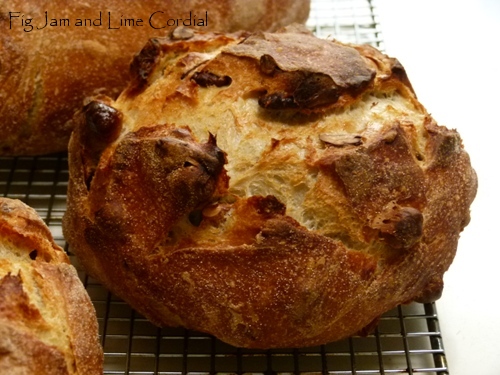
I thought I’d have a go at baking a nutty loaf at home and ended up with one of the most delicious sourdoughs I’ve ever made…

Note: If you can’t find remilled semolina flour, substitute more bakers/bread flour and reduce water to 570g.

1. Mix all the ingredients together in a large mixing bowl, squelching them together until well combined.  Scrape off your fingers, cover the bowl and allow to rest for half an hour.

2. Uncover and knead briefly in the bowl for a minute, then cover again and allow to prove until doubled in size.

3. Dust the bench with fine semolina, or lightly oil it, and turn the risen dough out. Shape the dough as preferred – I made one large loaf and two small ones. Try to keep the nuts inside the dough as much as possible – any on the top might blacken during baking. Allow to prove a second time as you preheat your oven to 240C with fan.

4. I baked my loaves in covered enamel pots, but as this dough is quite low hydration, it will also work well baked directly on pizza stones or an oven tray. If you’re using pots, place them in the oven to heat up while the dough is having its second rise. Note that this is a bulky, cumbersome dough to work and shape – don’t worry too much if the end result isn’t particularly neat.

5. Once the dough has puffed up a bit, slash the top and drop it carefully into the pot and cover with the lid. Return the pot to the oven and reduce the temperature to 220C with fan. Bake for 20 minutes, then remove the lid and bake for a further 15 minutes at 200C with fan. Check the loaves and bake for a further 10 minutes at 175C with fan if required.

Alternatively, bake your shaped dough on pizza stones or oven trays for 15-20 minutes at 220C with fan, followed by a further 20 – 30 minutes at 175C with fan.

. . . . .

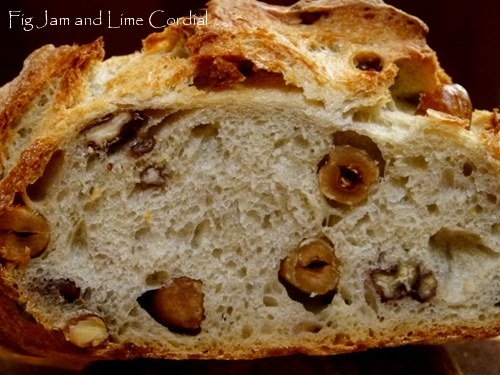
The end result is a heavy, very nutty loaf which goes brilliantly with butter and a good cheddar cheese…

This bread toasts well, so I’ve sliced up the large loaf and stashed it in the freezer for future breakfasts!

Read Full Post »

One of the great joys of having backyard eggs is being able to make marshmallows from scratch.

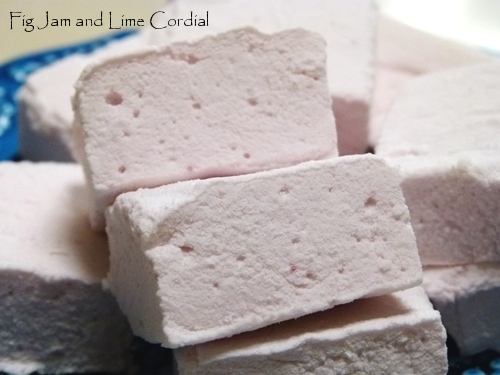
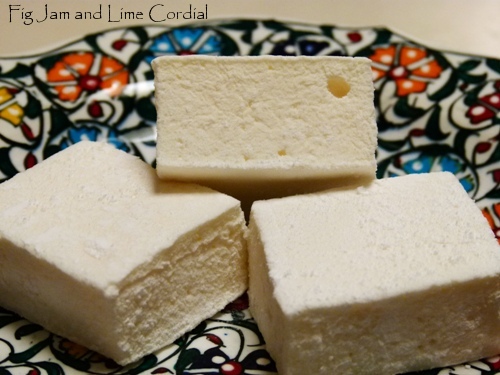
Homemade marshmallows are completely different in texture to bought ones – they’re soft, pillowy and very moreish. I wrote a detailed tutorial on making marshmallows four years ago, but this was our first (and second) attempt at making flavoured ones.

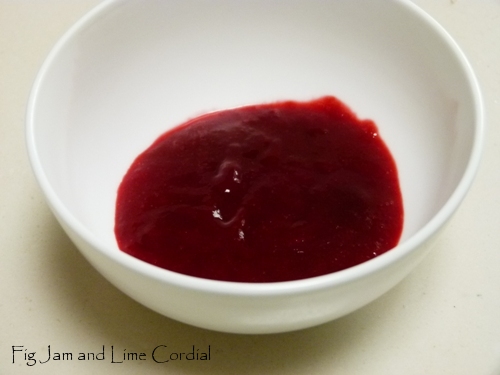
We made a concentrated coulis by cooking a cup of frozen raspberries in a little water, then pushing the pulp through a sieve to remove the seeds. We then reduced it down even further until we were left with just a few spoonfuls of thick fruity redness…

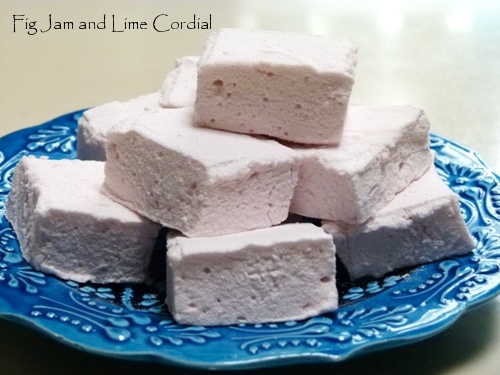
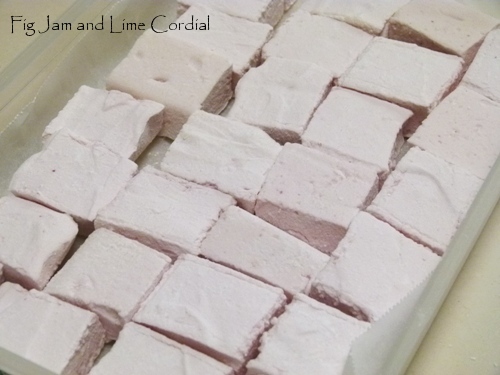
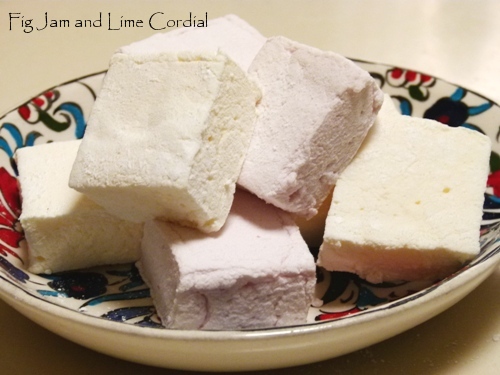
We used the raspberry concentrate in place of vanilla, but otherwise followed our original recipe exactly. Surprisingly, the fruit added only the lightest tint of pink and a subtle raspberry flavour…

Two egg whites produced a mountain of marshmallows! I was planning to make rocky road with them, but we (and the neighbours) have just been eating them straight…

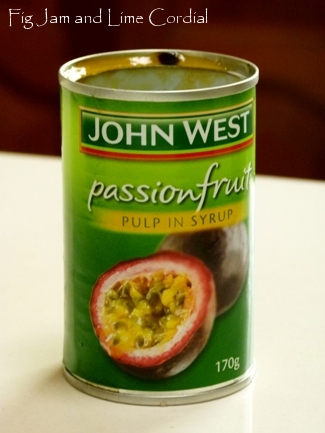
Emboldened by our success, we decided to try passionfruit marshmallows next. We bought a small tin of passionfruit pulp (our backyard vine isn’t producing fruit yet, but it is flowering)…

As with the raspberries, the syrup and pulp were strained, then cooked down in a small saucepan to form a thick, jammy concentrate…

The passionfruit marshmallows were absolutely divine, with a strong tangy flavour…

If you’ve never made marshmallows at home, I’d definitely recommend giving them a go. Remember to start with the freshest eggs you can find!

Read Full Post »

« Newer Posts - Older Posts »