
Here is my personal checklist of sourdough do’s and don’ts.
Please note that this is MY LIST ONLY – I’m pretty sure most of my fellow bakers will disagree with some, if not all, of my views below. But after 12 years of baking all the bread we eat, this is what I’ve ended up with!
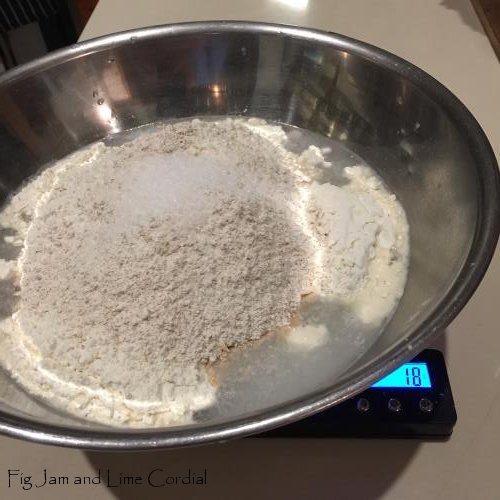
DO use scales
My friend Al assembles her doughs by feel, and always ends up with bread that ranges from edible to outstanding. Even after a decade of baking, I can’t come close to doing that. I am experienced enough now to know how to adjust a bit – if a particular dough seems too dry or wet – but I always start by weighing quantities first.
Some bakers use teaspoon measures for salt, arguing that scales can’t measure small quantities accurately. My scales measure in one gram increments and I’ve never had a problem. And as my neighbour PeteV discovered recently – just a few grams extra can make a loaf too salty to eat!
The other reason to weigh salt is that it varies so much in volume – a teaspoon of fine cooking salt is heavier than flossy salt which in turn is heavier than flaky salt – but by weight, they’re all the same. My tip is to weigh the salt separately before adding it in.
I use scales for all my baking now, not just bread, as I find cup measures notoriously unreliable.
. . . . .
DON’T pay a fortune for fancy salt
I have a wide selection of expensive gourmet salts, but I don’t use any of them in bread.
When I started my sourdough journey, I was buying boxed sea salt from the UK at $6 for 250g (it was still cheaper than Maldon salt flakes). But when you’re baking six to twelve loaves a week (and giving half of those away), it’s surprising how quickly a box of salt will disappear.
Then I discovered the Olssons cooking salt in little blue packets for under $2 a kilo. If you live in Australia, I’d highly recommend you seek it out. It’s not in the big supermarkets, but almost every Asian grocery store will have it on their shelf. As the packet says, it’s 100% pure sea salt from South Australia, 100% Australian owned, and 100% preservative and anti-caking agent free…
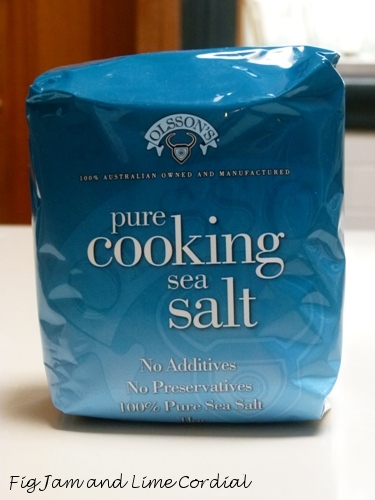
These days, I buy my salt in bulk and I’m always thrilled by how cheap it is.
It started with the broken 25kg bags I bought from Southern Cross Supplies for just $5. I’ve since discovered that the wholesale price is only $10! We use it in all our cooking, curing, breadmaking and skin care products, plus I routinely hand out 2kg bags to friends and new bakers. At full price, it’s just 40c a kilo for pure Australian sea salt.
Please, let me re-iterate. Don’t pay a fortune for fancy salt for breadmaking!

. . . . .
DO use your hands
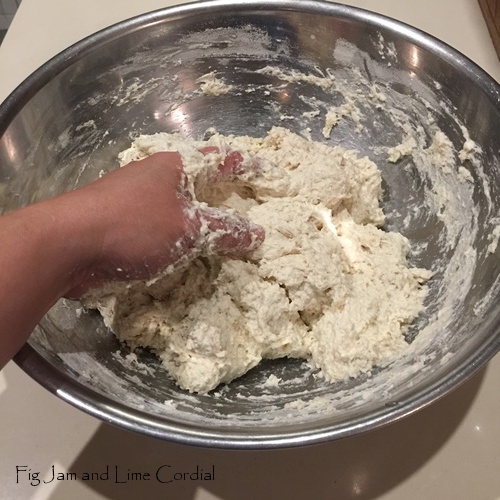
Do use your hands…if you can. A few years ago, my hands started to get sore, so I had to adapt my kneading method (I have a sturdy Kenwood mixer as backup, but I don’t like the bread it produces). As a result, I can now bake six loaves of sourdough with just ten minutes of hands-on time – a few minutes to squelch the dough together, a one minute fold after it rests, and then a brief shape before the second prove.
It can still be heavy work manoeuvring four kilos of dough, but it’s a quick process, and I hope to be able to keep baking by hand for years to come. One more thing – I don’t wear gloves unless I have cuts on my hands. I do keep my nails very short though, and my fingers jewellery-free.
. . . . .
DON’T bake with a flat starter
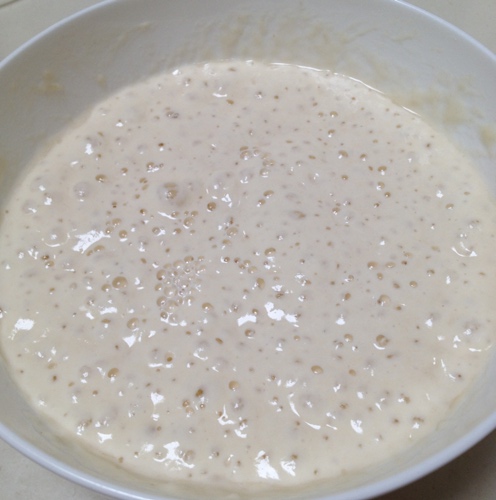
Just make a rule to never, ever do it. If the starter doesn’t pass the float test, don’t even think about making dough. You might end up with dough that rises a bit, but you’ll still be disappointed with the finished loaf.
My starter Priscilla can be temperamental – she can sulk, bubble over and turn grey – sometimes all on the same day. She’s a diva but I love her, and I probably spoil her more than my children. Some days, she just doesn’t want to play. When that happens, we eat pasta or I grab the instant yeast from the fridge and make a filled focaccia (the fillings help mask the flavour of the bakers yeast)…
. . . . .
DON’T spend money on an expensive linen couche cloth
I know many (possible most) of my baking friends will disagree with me on this one, but this really didn’t work for me. A few years’ ago, I bought a roll of bakers’ couche from Chefs’ Warehouse. I’m still not sure what I did wrong – maybe I was supposed to season the cloth first – but the first batch of dough I put on it came out covered in fluff. So I tried washing the fabric, which then shrank to an unusable size. I’m too Chinese to put wet dough onto fabric that can never be washed, so I gave up.
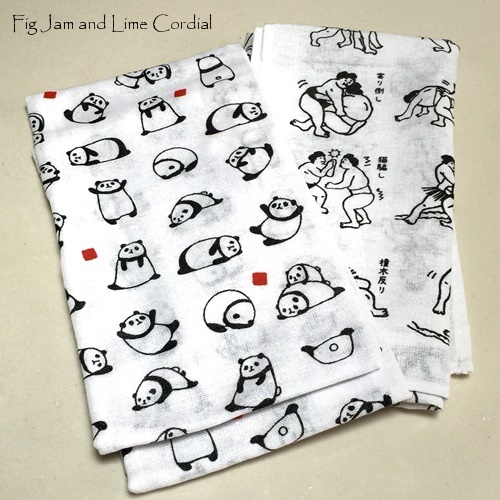
Thankfully, the following year I discovered the cotton tenegui from Daiso. These little towels are thin but strong, machine washable, and dough doesn’t stick to them. They’re now my default shaping cloths and they cost just $2.80 each…
. . . . .
DON’T use an unlined banneton
In colder climates, leaving bannetons covered in flour and dried dough seems to be fine, but in Sydney, we just end up with bugs crawling all over them. I now line mine with the tenegui (see above) and haven’t had a problem since. I dust everything with fine semolina and even the wettest doughs don’t stick much. The cotton cloths go into the wash every few bakes and dry quickly on the line.

. . . . .
DO bake in an enamel roaster
If there is one single change that took my bread from good to artisan, it was learning to bake in a pot. My friend Emilie put me on to it, and I’ve never looked back. I’m not sure where the trend started – it was either the original No Knead bread guy, or the folks at Tartine Bakery – but either way, they all recommend using heavy cast iron casserole pots to replicate a closed oven environment.
I tried that and scared myself silly lifting blazing hot, super heavy pots in and out of the oven. Then it occurred to me that we might be able to substitute the thin enamel roasters often used for camping – as far as I knew, no-one had ever done that before, and I can still remember workshopping the idea on Twitter with my friends Joanna and Carl. Here’s the post I wrote about it five years ago.
I ordered one online, and then two more, and now I bake all my loaves in them. They sit three across in my 90cm Smeg oven (thanks for showing me that, Clare!).
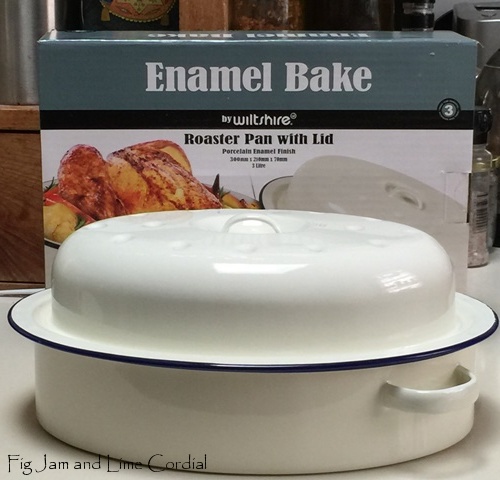
There are so many advantages in using these enamel roasters for bread!
Because they’re lightweight, you don’t have to preheat them, as they get hot almost immediately. They’re easy to handle, especially if you have old, sore hands like mine, and you’re much less likely to end up with serious burns (I make sure by using welding gloves). Best of all, they’re cheap, especially compared to cast iron, so it doesn’t matter if they get trashed a bit. I don’t even bother to wash mine!
The only downside is that they leave a ridged bottom on the finished loaf – I know some bakers have a problem with that.
. . . . .
DO share your bread
I can offer two reasons for this one.
Firstly, baking bread takes a lot of practice.
I can write a tutorial that will teach you how to get a decent result from the get-go, but what turns a good baker into a great one is experience. You need to get a feel for how your starter responds to ambient temperatures, how proving times change with the seasons, how adding a bit more water changes the feel and consistency of the dough, and so on.
The good thing is that, at least in Australia, bread flour is cheap. Even though there was a substantial price rise at the end of last year because of the drought, we’re still paying under $1.50 per kilo in bulk. So you can practice to your heart’s content and it won’t bankrupt you.
The downside is that you end up with a lot of bread. Freezers get full pretty quickly, and in the end, you either have to share it, or beach yourself trying to eat it on your own.
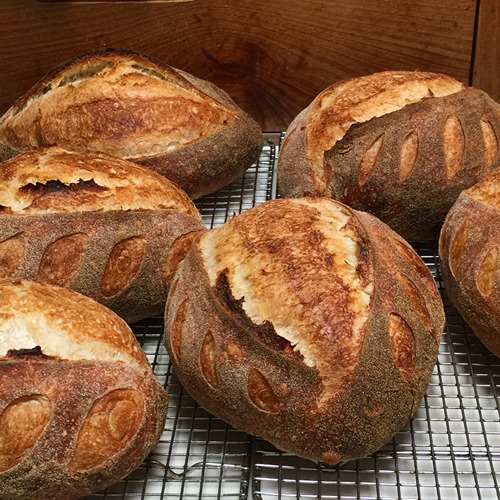
Secondly, more than any other food in human history, bread was made to be shared. So much so that it’s written into our vernacular – we speak of “breaking bread” with friends and loved ones. Sharing bread can create communities, feed those around you, and spread joy. Very few things can build relationships and bring such enormous satisfaction for so little outlay in cost and effort…
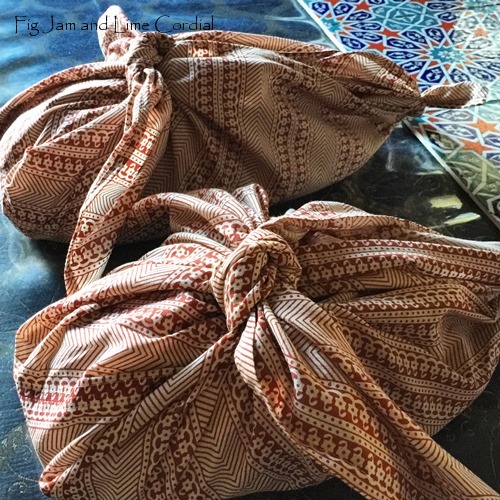
I bake so much these days that we’ve started inventing our own vocabulary around it. A large batch of Emilie’s twisted baguettes came out of the oven yesterday…
Pete: “what’s the collective noun for bread?”
Me: “no idea, maybe we should just make one up…”
Then I sent out this text:
“Neighbours, we have a GRUMBLE of wonky sourdough baguettes. Please come and get one!”

. . . . .
DON’T sweat the small stuff
Just don’t worry about it!
So long as you don’t set fire to your oven like our friend Stephen nearly did, everything else should be ok. Loaves will vary from bake to bake, and baker to baker.
The way I see it, you have two options: you can either obsess about the holes in your crumb and the colour of your crust OR you can get excited each and every time about the fact that you’re actually BAKING BREAD and feeding those you love. Take my advice and adopt the second approach – you’re much more likely to persist with sourdough if you do.
Very little can’t be salvaged – burnt loaves have a lovely smokiness if you cut the thick crust off first and then toast them in slices. Flat loaves make great croutons or melba toast or breadcrumbs. Almost all mistakes are cheap and edible, either by humans or chickens or worms. Seriously, don’t worry about it!

. . . . .
That’s really all I can think of right now. Ok, my lovely sourdough peeps, the floor is open – please feel free to disagree noisily with me (or add your own do’s and don’ts) in the comments below! ♥
Read Full Post »
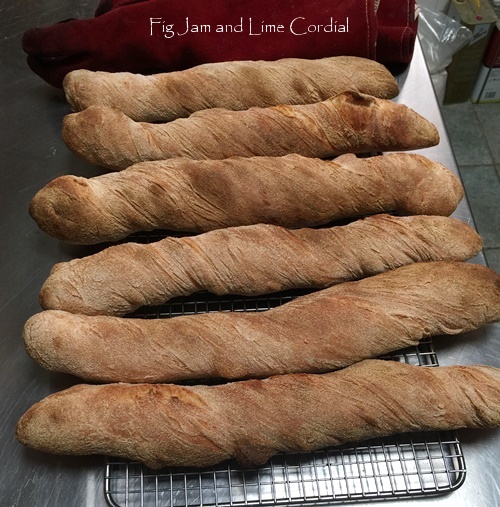
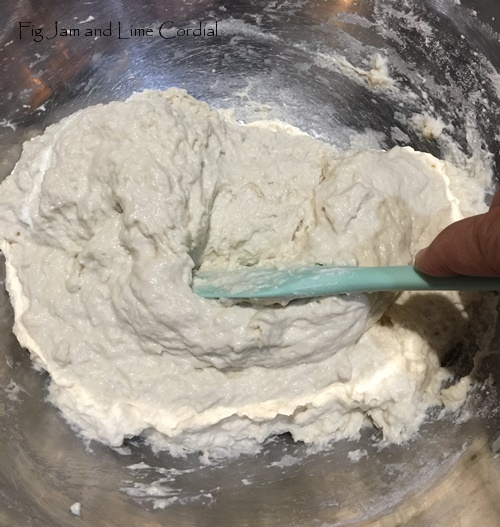
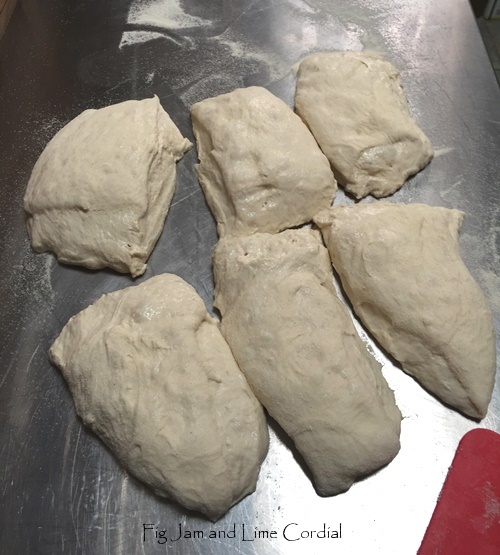
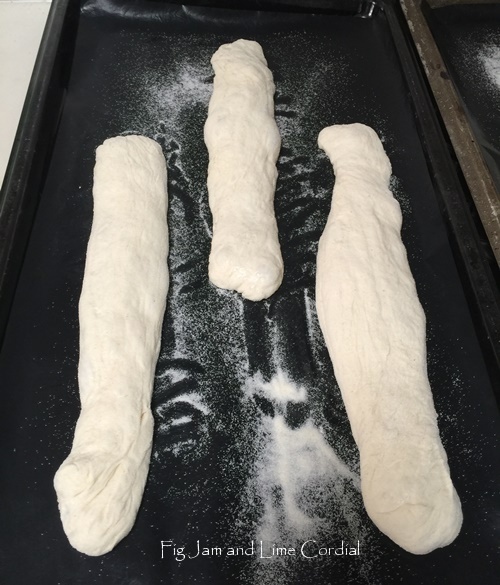
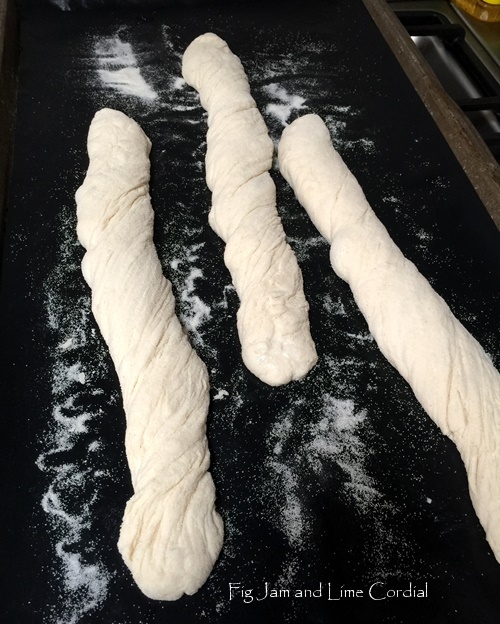
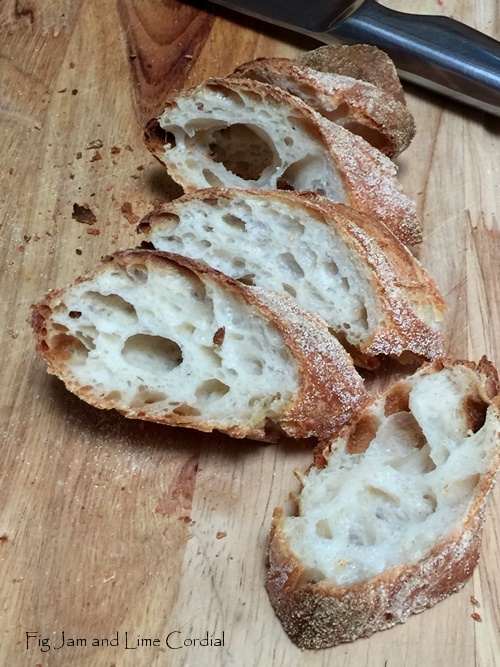







 Fig Jam and Lime Cordial