Feeds:
Posts
Comments

Small Man adores crackers.

I couldn’t make enough of them for him – I’d fill the cookie jar in the morning, and he’d empty it before dinner that evening. I needed to find an easier way to churn them out, and after a discussion with Greg from Rufus’ Food and Spirits Guide, I thought I’d try using the pasta machine.

I originally experimented with a double batch of olive oil and paprika dough (based on an Ottolenghi recipe, which I originally blogged about here):

  • 500g plain (all purpose) flour, plus extra for dusting
  • 10g (2 teaspoons) baking powder
  • 230ml water
  • 50ml olive oil, plus extra for brushing
  • 6g (1 teaspoon) fine sea salt
  • 2 teaspoons sweet paprika
  • several generous grinds of black pepper
  • Maldon flaky salt for sprinkling

1. In a large bowl, mix together all the ingredients except the Maldon salt.  Squelch the mix between your fingers to get it all combined, then turn the dough out onto a clean workbench and knead it briefly until smooth.  Wrap in cling film and leave it to rest for an hour in the fridge.

2. Preheat the oven to 210°C (or 200°C with fan).  Dust the bench well and turn out the dough, dividing it into 20 roughly equal sized pieces. Roll each into a ball, and cover with a tea towel, working with just one at a time.

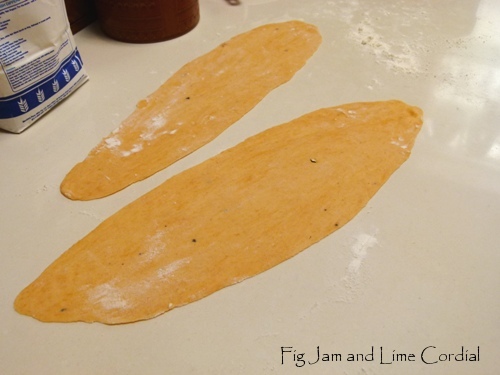
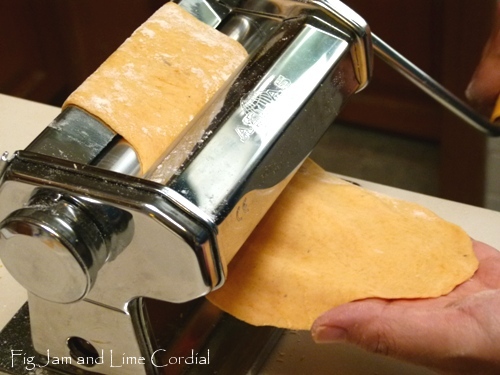
3. Flatten a ball of dough, dust well with flour, and pass it through the pasta roller – I started on the widest setting and worked down to six on my machine. Each small ball of dough ends up as a long thin oval. Dust with flour as needed.

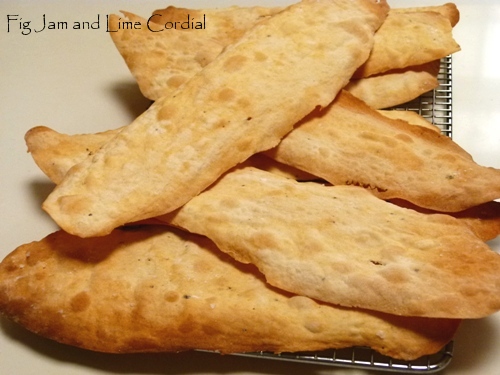
4. Place the crackers on a parchment lined baking tray, brush the tops with a little olive oil, then sprinkle on the Maldon salt flakes.  Bake for 6 – 8 minutes, rotating once during the baking time, until crisp and golden brown.  Store in an airtight container.
Our second attempt – a poppy seed version – proved to be even more popular with Small Man than the original…

  • 500g plain (all purpose) flour, plus extra for dusting
  • 10g (2 teaspoons) baking powder
  • 230ml water
  • 50ml  olive oil, plus extra for brushing
  • 6g (1 teaspoon) fine sea salt
  • 16g (4 teaspoons) poppy seeds
  • several generous grinds of black pepper
  • Maldon flaky salt for sprinkling

A few notes:

  • The rolled out “leaves” (as Small Man calls them) are quite long – if you have a standard 60cm oven, you’ll probably only be able to fit two or three per tray. Even with my free standing 90cm Smeg oven, it takes me at least two bakes to get these all done.
  • The dough quantity can easily be halved, but I find the large batch gives us plenty to share. Also, it seems a great shame to heat up the oven for just one short bake!
  • Be a little careful with the poppy seed crackers – if they get too dark, the seeds can end up bitter. I found eight minutes was the perfect time in my oven, but nine minutes was too long – your oven will probably be different, so you might need to experiment a little.

This cracker dough is a joy to work with – it’s not overly sticky, so it doesn’t make a mess of the pasta machine or the bench, and because it isn’t yeasted, it doesn’t need to prove prior to rolling out and baking. I have found that resting it in the fridge improves the flavour of the finished crackers, but it’s not essential if you’re in a rush.

Small Man has already made short work of the ones in the cookie jar – just as well I hid some in a sealed bag in the pantry for tomorrow!

This lovely shortbread recipe, from the first Tartine cookbook, is gentle and peaceful to make and delicious to eat.

It’s made entirely by hand without the use of a mixer or food processor (although I do soften the butter in the microwave), which makes it an ideal “early morning while everyone is asleep” bake.

The unsalted butter needs to be really soft (but not melted) before beginning – I do this by heating the cold chunks of butter in the microwave on a very low power setting (3 out of 10) in 20-30 second bursts. Squish and stir the butter with a fork as it softens. It starts out like this…

…and after a minute or so, looks like this…

I’ve rounded off the metric weights to make it easier and baked the dough in a 31 x 14cm/12 x 5½” biscotti pan, lined with parchment paper. A 20cm/8″ square pan should also work, and the original recipe suggests a 6″ x 10″ glass baking pan.

Be light-handed and resist the urge to beat the dough, which I suspect would toughen the texture of the finished shortbread.

  • 250g unsalted butter, softened
  • ¼ – ½ teaspoon fine sea salt*
  • 250g plain (AP) flour
  • 75g cornflour (cornstarch)
  • 70g white sugar
  • caster sugar (superfine sugar) – for topping

Note: Pete prefers the shortbread with more salt (the original recipe specifies ½ teaspoon), whereas Big Boy prefers it with less. Sigh.

1. Preheat oven to 160C with fan. Scrape the softened butter into a large mixing bowl and stir in the salt. In a separate bowl, sift together the plain flour and cornflour (don’t skip this step).

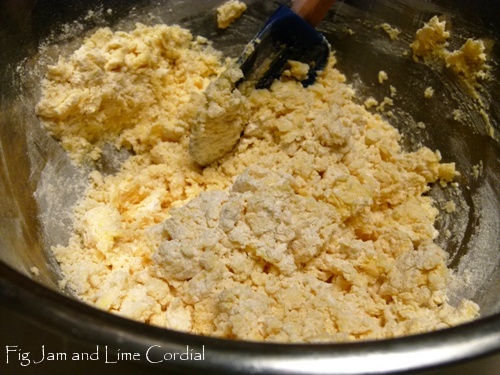
2. Stir the white sugar into the butter and mix only until combined. Then add the flours and mix again until just combined – treat the mixture gently and don’t overwork it…

3. Scrape the dough into the prepared tray and spread it out evenly (you might need to use your hands). Bake for 30 – 35 minutes until lightly browned. Photo below shows the pan ready to go into the oven…

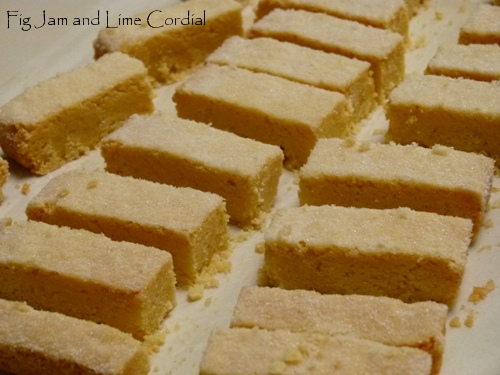
4. Let the shortbread cool briefly on a wire rack and, while it’s still warm, generously sprinkle over a couple of large spoonfuls of caster sugar. Shake the baking tray gently to spread the sugar coating, then carefully tip off the excess. Also, while the shortbread is still warm, cut it into slices, then leave it in the pan to cool completely before serving.

I find the texture and flavour improves with a day’s rest…

This recipe produces a very tender shortbread compared to the crunchier rice flour versions. It’s also quite rich – one small finger with a cup of tea is very satisfying!

We adore sourdough bagels, but the yeasted ones are quick and easy – I can start in the morning and have a batch ready by lunchtime.

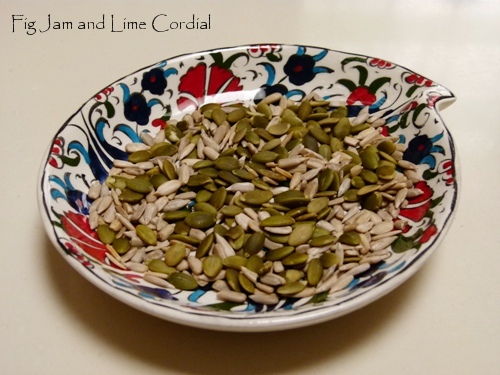
As we’d run out of sesame seeds, I raided Pete’s muesli supplies for other toppings. I made a double batch of our bagel dough following these instructions and using these quantities:

  • 1.2kg bakers/bread flour
  • 21g fine sea salt
  • 20g dried yeast
  • 750ml water
  • 50g malt extract

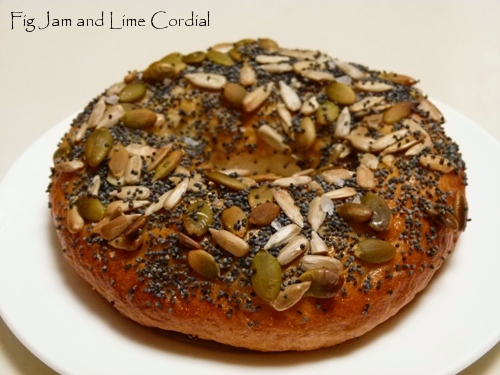
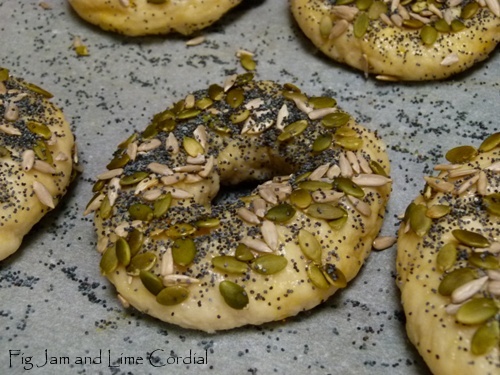
After boiling the bagels, I brushed them with egg wash and carefully dipped them into a plate of pumpkin and sunflower seeds (be careful not to deflate the bagel)…

The bagels were placed on a parchment lined tray, then poppy seeds and a little crushed flake salt were sprinkled over the top…

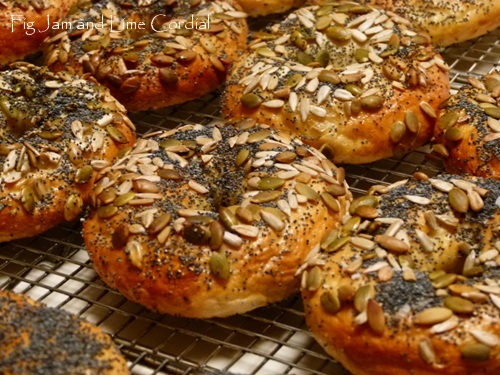
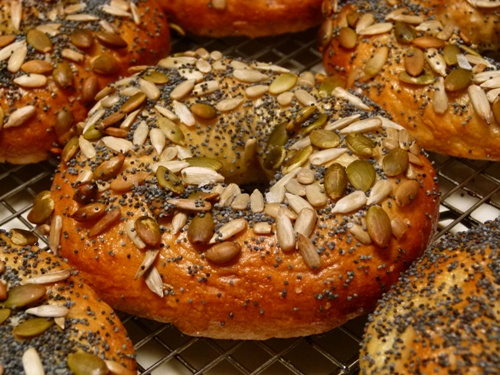
They baked to golden in just 20 minutes in a 200C fan-forced oven…

These were so delicious that we ate them without any filling. The seed topping is quite fragile though – handle with care, or you’ll end up with a denuded bagel. We’ll definitely be making them again!

I know it looks like I’ve done nothing but bake bread for the past month, but that’s not the case. Here are a few snapshots from recent weeks…

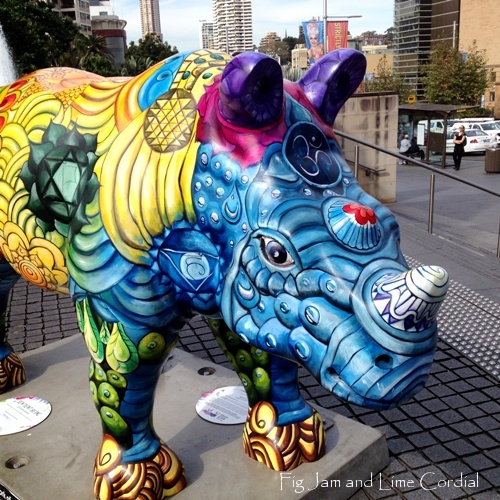
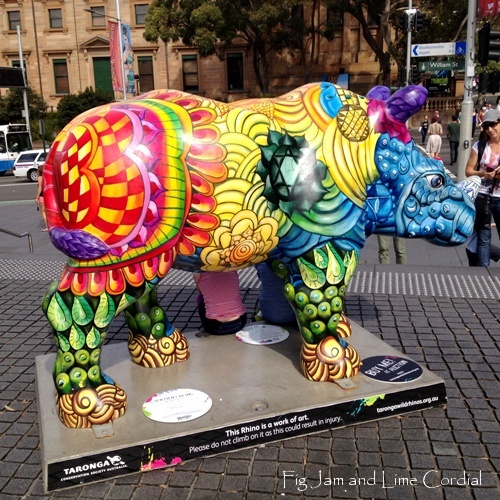
From February to April, Taronga Zoo ran a fundraising campaign to support their Black Rhino breeding program. In a similar vein to the successful Gorilla campaign in Bristol (which my friends Joanna and Brian photographed and blogged about here), colourfully painted rhinos started popping up around Sydney…

. . . . .

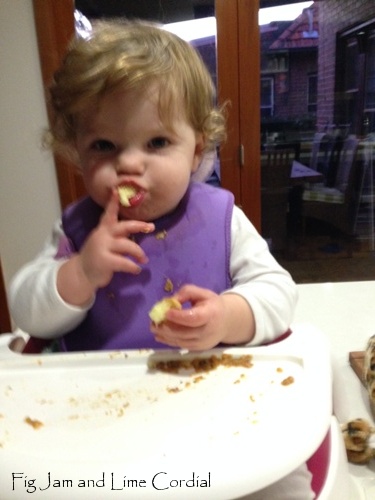
I’ve been baking faux brioche for Baby M, who packs it into her adorable little chipmunk cheeks as fast as she can. She’s the newest baby on our street, and Pete and I are completely smitten…

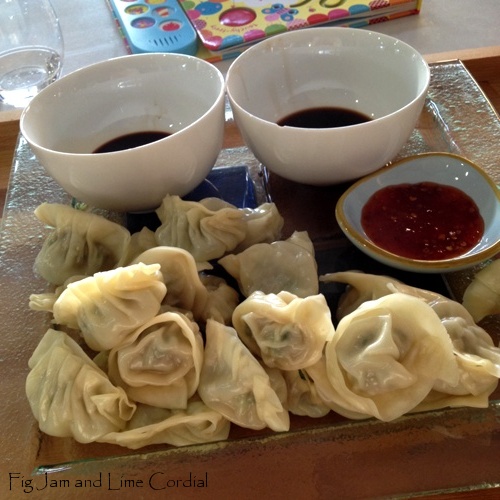
And speaking of Baby M, we recently spent a fabulous afternoon teaching her parents and grandparents how to make and fold dumplings. Didn’t they do a good job!

. . . . .

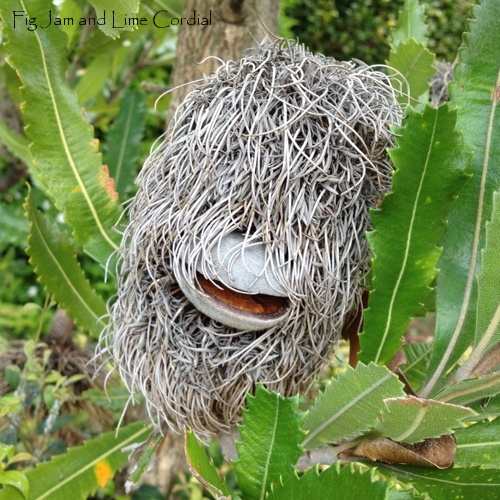
I spotted this dried flower head on a banksia plant at PeteA’s house, and suddenly understood where the idea for May Gibbs’ banksia men had come from…

. . . . .

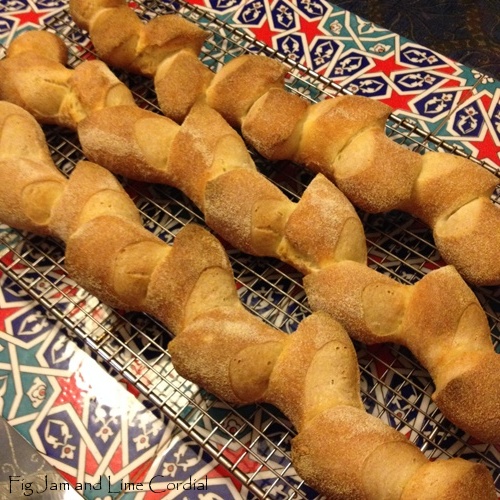
I baked sourdough epis with points sharp enough to draw blood (or at least puncture holes in plastic storage bags)…

. . . . .

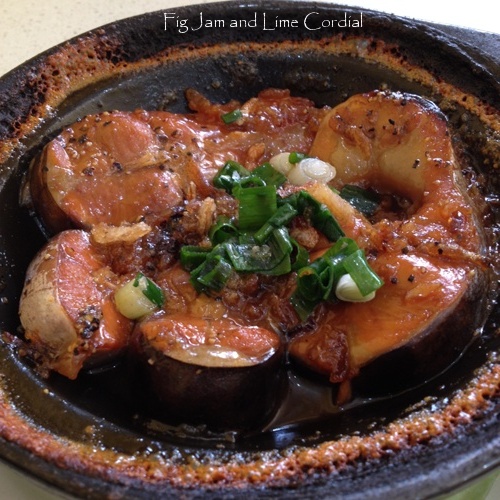
We’ve recently discovered the cheap and cheerful Happy Snack in Flemington, which serves delicious Vietnamese dishes like these braised fish cutlets with cracked rice ($11)…

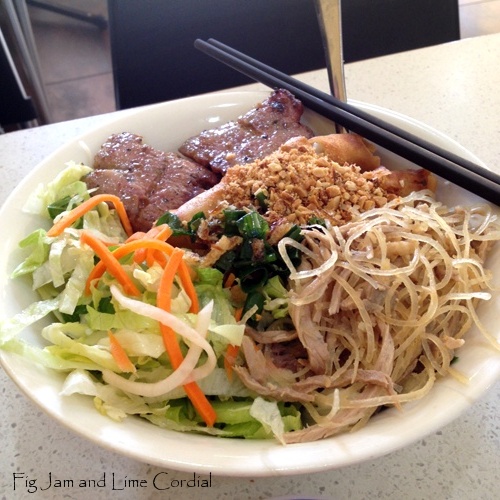
…noodle salad with spring rolls and pork ($9)…

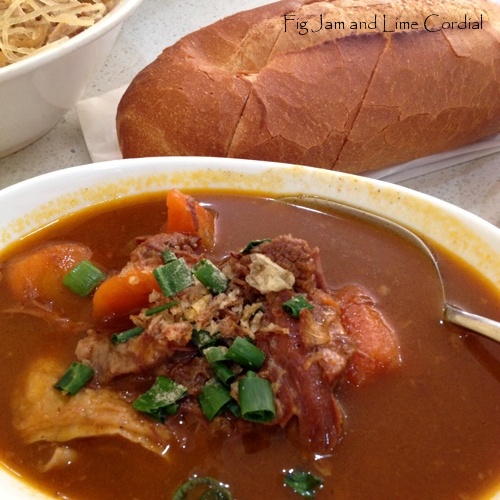
…and generous bowls of beef brisket, served with a crunchy white roll to soak up the sauce (just $6!)…

. . . . .

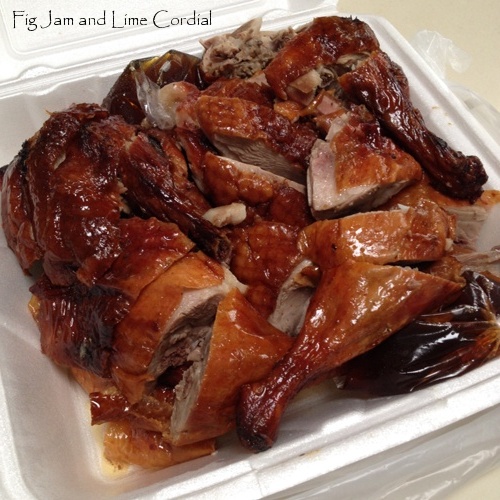
While we were in the area, we picked up a roast duck from our favourite barbecue shop

. . . . .

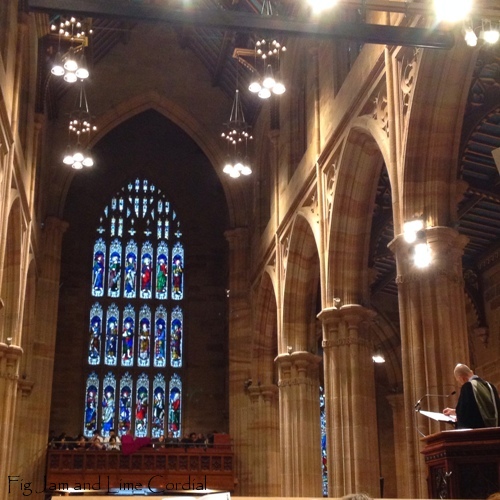
We attended an Easter service in town. Even in the midst of a torrential downpour, the magnificence of St Andrew’s Cathedral never fails to impress…

. . . . .

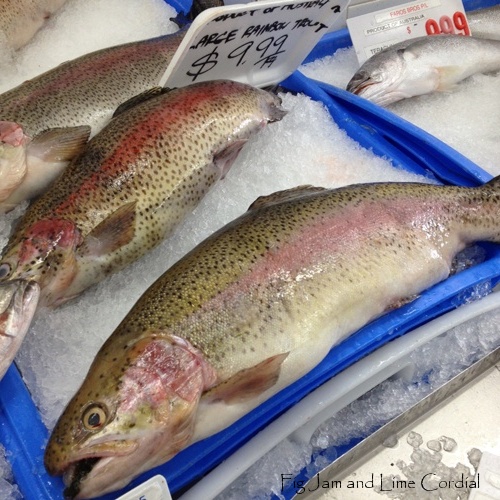
If you live in or near Marrickville and aren’t buying your fish from Faros Brothers, then you’re probably paying too much. I picked up a large trout for just $18…

. . . . .

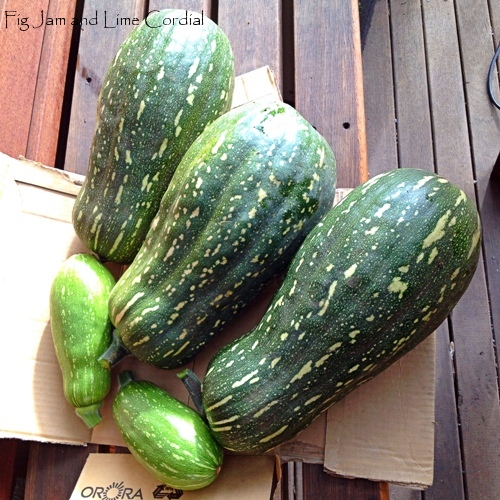
In a brief moment of sunshine during a week of rainy days, we rushed out and harvested three of our four giant mutant pumpkins (we’re leaving the last one for seed)…

. . . . .

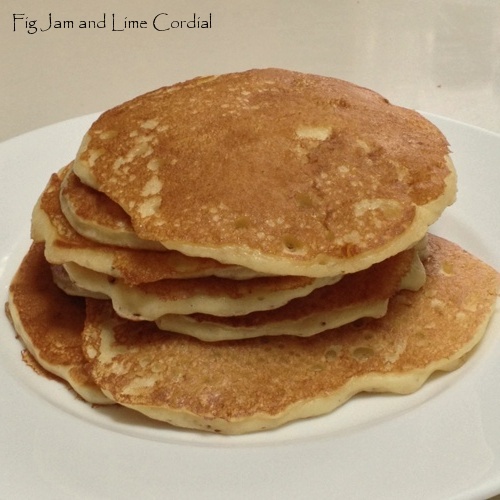
Surplus sourdough starter and eggs never go to waste here – the boys inhale pancakes in huge quantities. Small Man ate twelve the last time I made them (and then followed up with half a dozen hot cross buns). Here’s the recipe

. . . . .

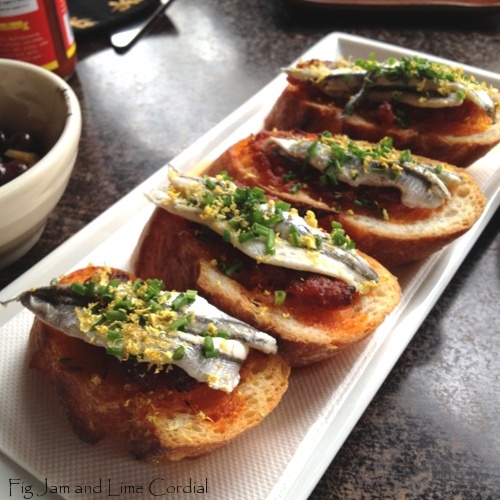
Our friends PeteV and Nic treated us to Spanish tapas for lunch…

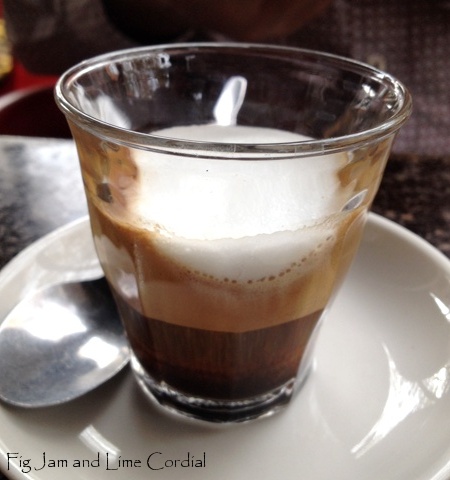
PeteV finished the meal with a cortado coffee, which I believe is similar to a macchiato

. . . . .

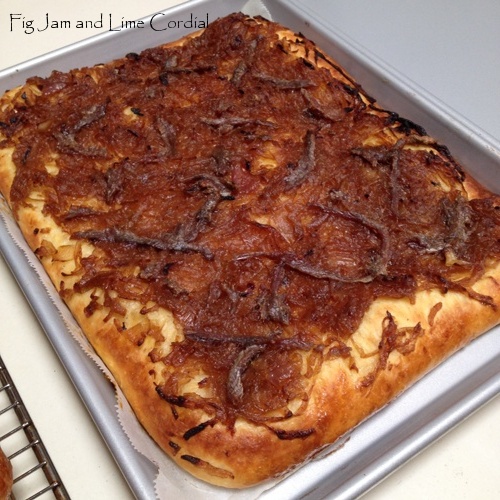
Experimenting further with our sweet dough recipe, this brioche based pissaladière was very popular. It was topped with caramelised onions and anchovy fillets…

. . . . .

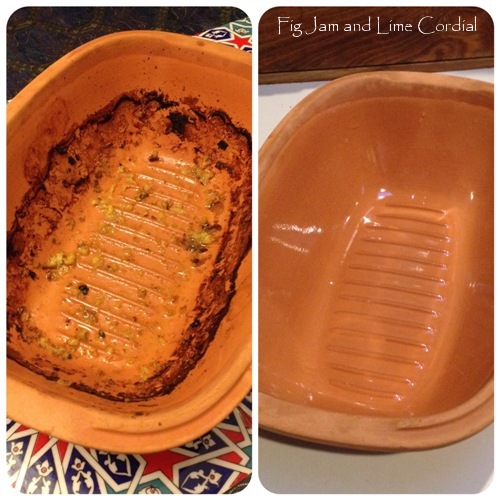
Finally, I know I’m meant to ease off on the Römertopf evangelism, but I had to show you these before and after photos. The photo on the left is how the pot went into the dishwasher after roasting chicken, potatoes and stuffing. The photo on the right is how it came out the following morning (that’s all I’m going to say)…

What have you been up to this month? Anything exciting?

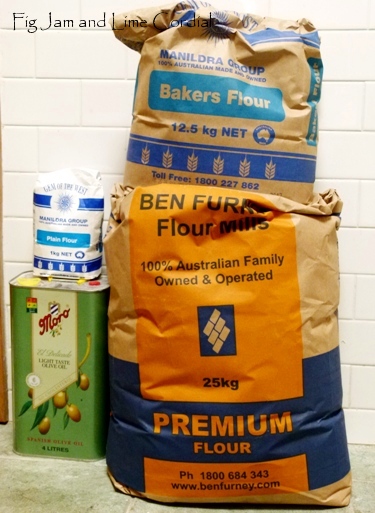
It’s hard for me to convey in words how happy and contented a large bag of bakers (bread) flour makes me. To me, it’s like having money in the kitchen bank – no matter what happens, I know that, at a bare minimum, we’ll have bread to eat.

One of the greatest influences on my adult cooking life was this description of Laura Ingalls Wilder’s first kitchen in These Happy Golden Years

Beneath this shelf were many drawers of different sizes. Directly below the spices, and above the window shelf, were two rather narrow drawers. Laura found that one was almost full of white sugar, the other full of brown sugar. How handy!

Next, a deep drawer was full of flour, and smaller ones held graham flour and corn meal. You could stand at the window shelf and mix up anything, without stirring a step. Outside the window was the great, blue sky, and the leafy little trees.

Oh, how desperately I wanted this when I was twelve years old! My mother was (and still is) a wonderful cook, but she never baked. As I’ve mentioned before, she used to store her excess crockery in the oven. The Little House books made life sound very hard, yet so honest and self-reliant, that I wanted it all – I wanted to build whatnot shelves, and twist hay into sticks for the fire, and make maple candy.

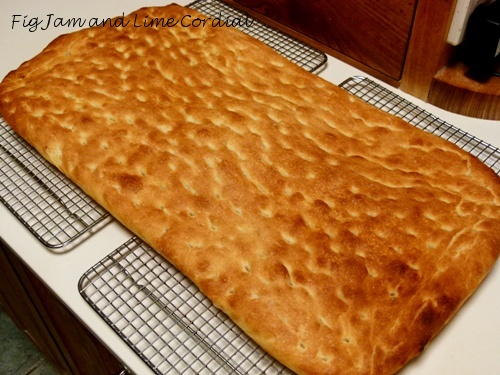
More than thirty years on, I feel like we’ve achieved this to some small extent. I can, indeed, stand at my kitchen bench and mix up anything, without stirring too many steps. And this huge sack of flour, which cost just $25, will keep my family, friends and neighbours in bread for a couple of months. To give you some idea of how far the bag will stretch, 25kg of flour is enough to bake…

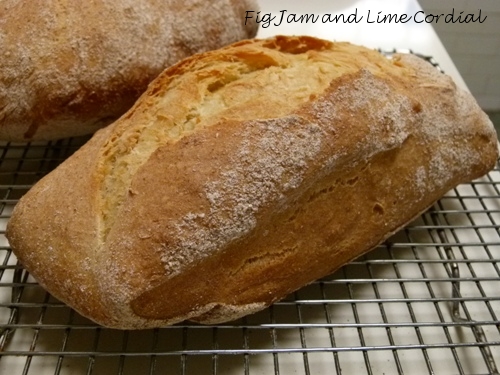
…twenty giant 90cm slabs of sourdough focaccia

…or a hundred yeasted pane de casa loaves..

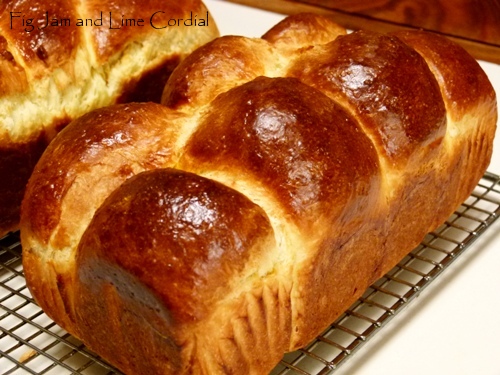
…or seventy-five loaves of faux brioche

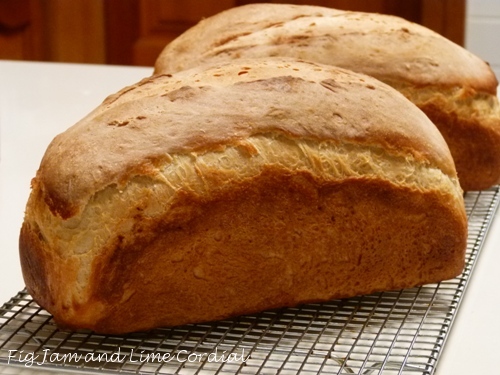
…or thirty-five large white sandwich loaves, either yeasted or sourdough

…or fifty rich and luscious lardy cakes

What food dreams did you have when you were a child?

My father, who grew up during the war, told me that when he was young, all he wanted from life was to sit at the movies and eat an endless supply of chocolates from a box.

Pete’s family had goats when he was a child, and as a result he won’t go near their meat or byproducts (not out of sentimentality, but because he can’t stand the taste or smell). I on the other hand longed to be like Heidi in the Alps, drinking fresh goats’ milk and eating bread covered in melted cheese.

What were the childhood influences that shaped your cooking and eating?