Feeds:
Posts
Comments

Archive for the ‘Food & Friends’ Category

004

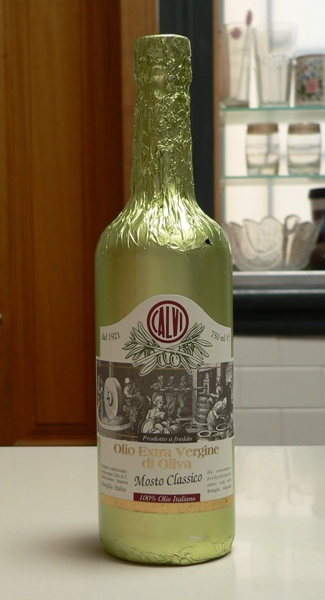
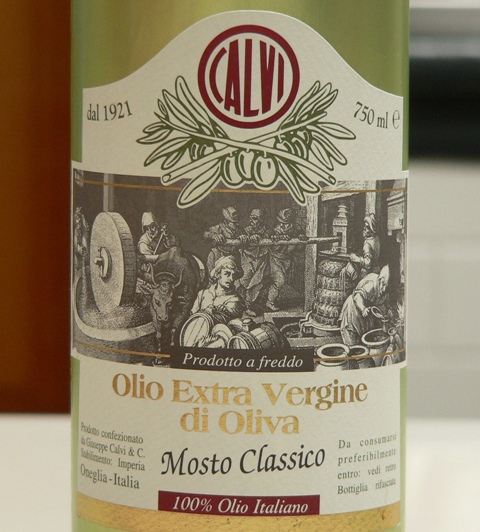
Our sweet friend Moo sent us yet another surprise package in the mail – a bottle of Calvi Olio Extra Vergine di Oliva.  Cold pressed and unfiltered, this Italian extra virgin olive oil arrived wrapped in green foil to protect it from the light.  It has a well-rounded, fruity flavour with an appealing, slightly bitter note to it (which I think comes from the olive pips).

Since it arrived yesterday, we’ve used it in every meal except breakfast – as a bread dipper, to dress up a green salad, and as a gourmet addition to Friday night splats.

It seems to be the perfect match for our homemade dukkah, and combined with vintage balsamic vinegar (also a gift from Moo), it makes a wonderful accompaniment to our sourdough bread.

Thanks again, Moo, you really are too kind!

002

Read Full Post »

ar8

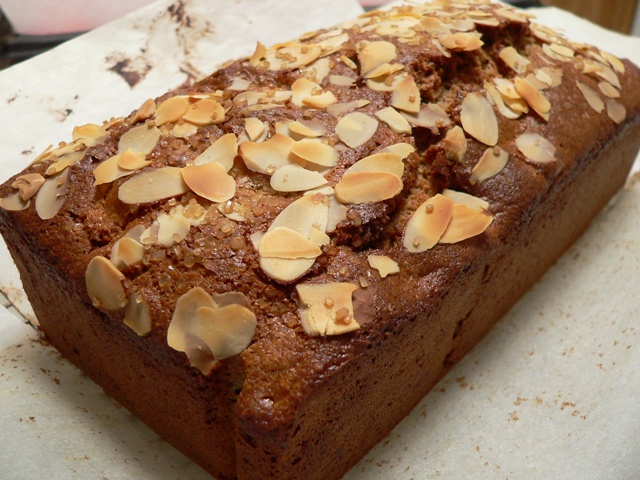
One of the nice thing about Dan Lepard’s recipes is that they’re often so quintessentially British, despite the fact that he started life as a Melbourne boy.  This delicious rye apple cake recipe is a good example – with the addition of golden syrup, apple, rye flour and almonds, the end result is a cross between a tea cake and a muffin, albeit with better keeping properties than either.

I had everything on hand – Kevin Sherrie’s organic rye flour, unblanched almond meal from Santos Trading (a rare and exciting discovery) and crisp, new season pink lady apples.

The recipe is here, and I followed the methodology exactly, with a couple of substitutions.  Instead of muscovado sugar, I used soft brown sugar, and I replaced 50g of the flaked almonds with 50g of unblanched almond meal.  I baked the cake in my trusty Chicago Metallics cake tin and it took 45 minutes to cook to perfection in my 175C fan assisted oven. Note that some bakers on Dan’s forum needed to extend the baking time for this recipe.

We had this for dessert last night, but it was even better this morning with a hot cup of tea!

arc1aarc2a

Read Full Post »

cl

Here’s some wonderful trivia from UK based Peter May on why cottage loaves came about:

The reason for the top (the same reason as for the ‘bakers dozen’ , which means 13) was the extremely severe penalties suffered by bakers who gave short measure.  Loaves had to be sold by standard weight, thus to ensure the baker didn’t sell underweight he’d add a small dough ball on top.

Incidentally the bread laws which date from 1266 have been law right up to this year when the EU overruled them in the name of so called competition. Loaves had to be a full 800g (2lb) or half 400g (1lb)sizes.

I think it’s time for a cottage loaf revival!

Incidentally, Peter thought the top ball on my loaves should be smaller, which makes sense when you understand why it was added in the first place.

Read Full Post »

Sydney Rowing Club

I had lunch yesterday with the Yummy Mummies at the Sydney Rowing Club in Abbotsford, overlooking the Parramatta River.

The water views were spectacular…

src 001

…no matter which way you looked…

src 002

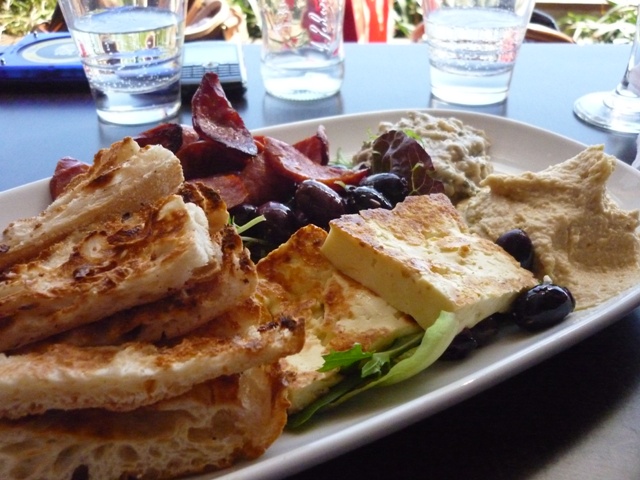
…and the food was pretty good too.  The dishes cost slightly more than you might expect to pay in a cafe, but the view more than justified the small premium.  It was a lovely way to end the working week!

src 006

Read Full Post »

Photo from Wallace & Gromit – The Official Site

Ahh…Bristol.  Home port to Treasure Island’s Hispaniola, the starting line for numerous Top Gear challenges and of course, the birthplace of Wallace and Gromit.

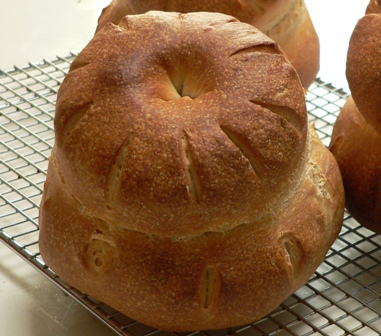
Joanna, who also hails from Bristol, recently sent me a photo of a  British cottage loaf, an unusually shaped bread made by stacking a small ball of dough on top of a larger one.  As these featured so prominently in the most recent W&G film, I thought it might be fun to try and make some loaves.

Here’s how Jo described them to me:

This is a very old traditional English  bread shape – all bakeries made these when I was a kid. They don’t any more. I think the idea was that you ate the top one first and then the bottom one, so that it would keep fresher through the week.  I don’t know if they were called cottage loaves because they look like a cottage with a roof on, or because they were made at home.  I associate them with thatched cottages and so forth.

I wish one of those old English bakers could come and give me some tips, because these proved (no pun intended) to be quite fiddly!  I couldn’t use my regular bread recipe, as the high hydration made manipulating the dough very difficult.

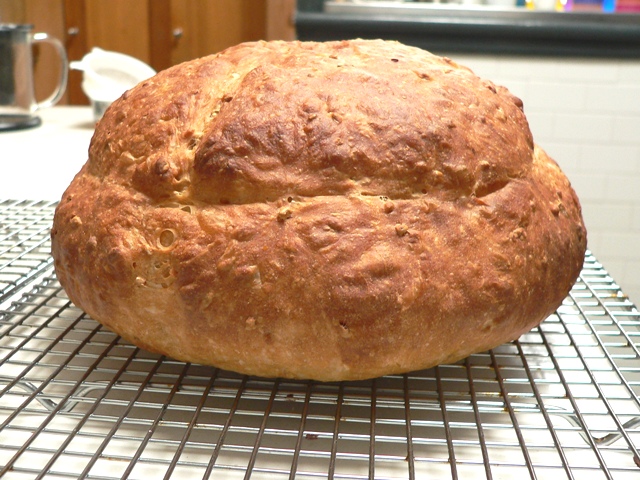
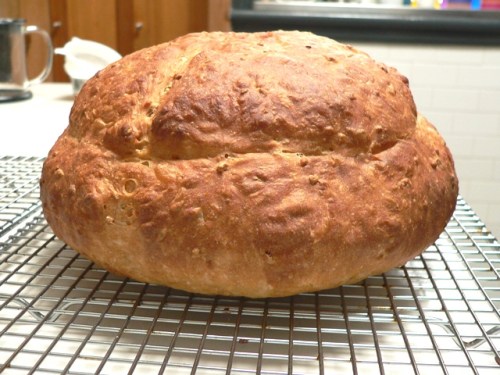
My first attempt ended up as a spaceship, with the two storeys proving into each other.
016

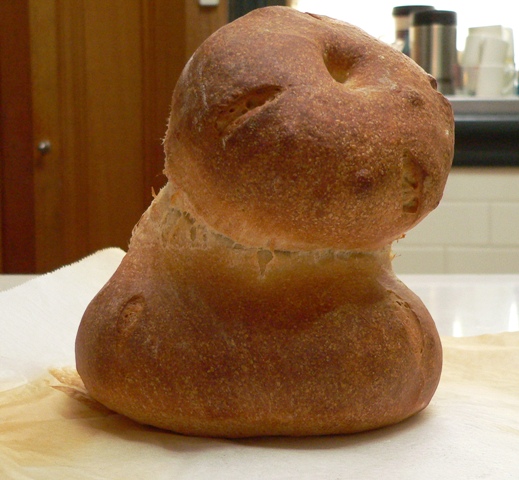
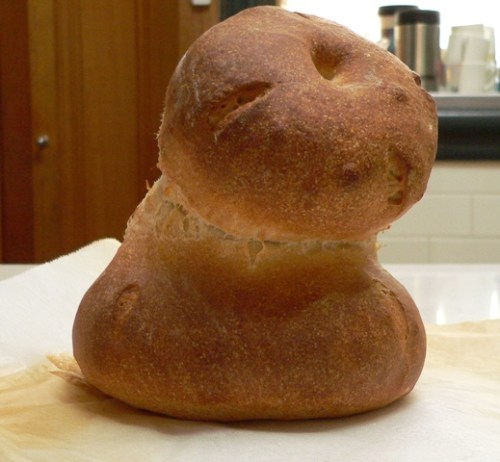
My second attempt mushroomed and Big Boy made rude comments about it.  I made him take it to school for lunch.
CL 021

I tried a third time with a reduced hydration sourdough (60% for anyone interested in the technical details) and a smaller loaf size (600g instead of 900g). I allowed the separate storeys to rest on the bench for 20 minutes, before stacking them and giving them an additional 10 minutes proving time.

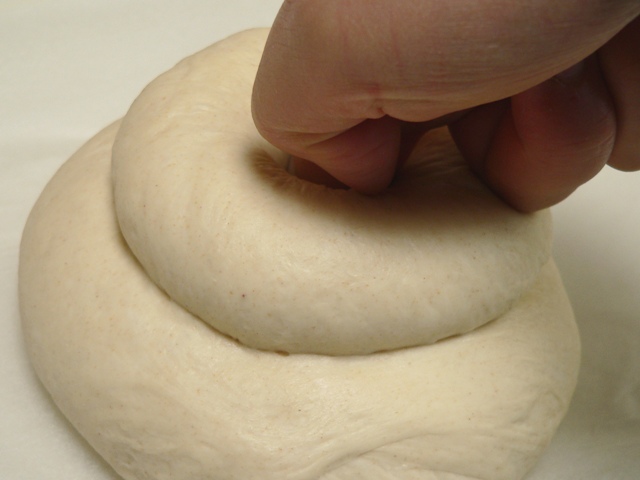
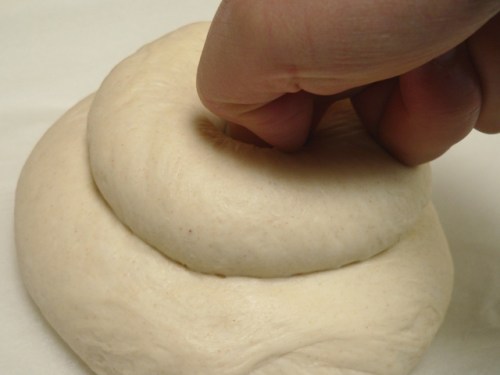
After I’d assembled the cottage, but before the final prove, I stuck my fingers into the middle of the loaf, right down to the bottom, to “weld” the two layers  of dough together.
005

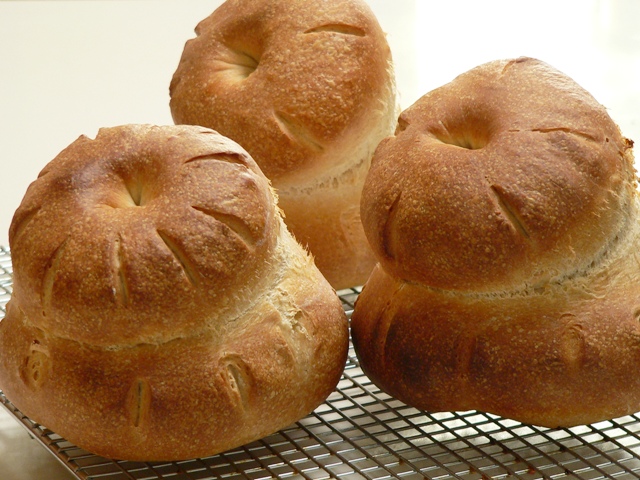
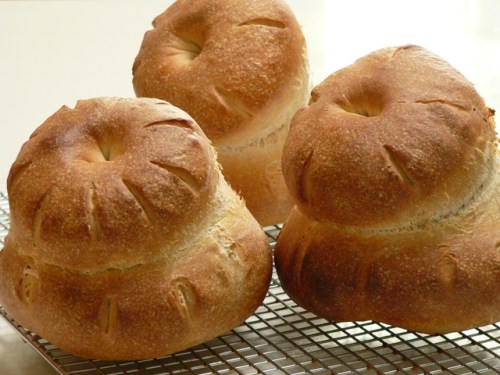
Immediately before baking, I slashed the loaves several times, to  try and control the expansion and reduce the mushrooming effect.  It was moderately successful and I finally ended up with three cottage loaves that I’m pretty happy with.  Meet Larry, Curly and Moe…
023

These loaves have a different texture to the ones I normally bake, with a slightly denser, but at the same time, softer crumb.  The boys are enjoying the change.  Many thanks, Joanna!

. . . . .

Edit: For anyone else who wants to give this a go, here are the quantities I used for the 60% dough:

  • 300g sourdough starter (at 166% hydration, ie. fed on one cup water to one cup flour)
  • 1kg bakers flour
  • 430g water
  • 50g oil
  • 16g fine sea salt

I bulk proved for four hours, then shaped and proved as above.  Each loaf used 600g of dough – 400g for the “bottom floor” and 200g for the “top storey”.

Read Full Post »
« Newer Posts - Older Posts »