We’re now entering the sixth month of our waste reduction plan, so it’s a good time to stop and take stock. Some of the changes we’ve made have stuck and become part of our everyday lives, but a few things haven’t worked as well as we’d hoped.
. . . . .
Perhaps the biggest success to date has been in replacing single use dining and kitchen items with reusable ones. We haven’t used a paper serviette all year, and we’re still on the same roll of paper towels that we started a couple of months ago.
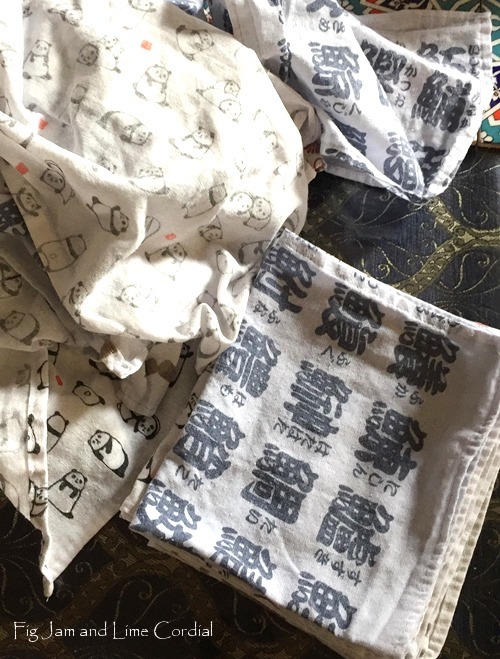
After five months of constant use, our cloth napkins are still going strong (albeit a bit stained), as are our knitted/crocheted dishcloths and waffle weave towels. Everyone enjoys using the napkins so much that I doubt we’d be allowed to go back to paper ones even if I wanted to! I was concerned about the extra washing involved, but our most recent electricity bill wasn’t any higher – in fact, it was a tiny bit lower, probably because we’ve been making an effort to use the ECO setting on the front loader. It also helps that the Japanese tenegui are so open weave that they line dry very quickly.
Surprisingly, all our utility bills are down this quarter – gas is down 16%, electricity just 3.2%, and water, somewhat unbelievably given the extra washing we’ve doing, is a whopping 17.6% less than the same period last year. We’ve put it down to being more conscientious about using the half-flush button on the toilet and the ECO setting on the dishwasher and washing machine – apparently the latter can save up to 30% on electricity and water compared to regular washes. We’ve also made an effort to use appliances less, preheat the oven for a shorter time, take shorter showers – all small things, but obviously they’ve added up over a three month period.
. . . . .
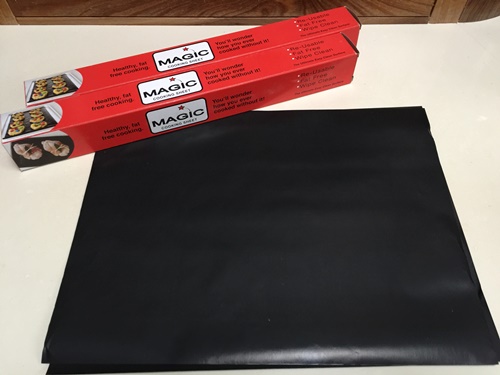
The reusable teflon BBQ sheets have worked so well that I’m now using parchment paper less than once a fortnight. The thinner ones are brilliant under sourdough loaves and cookies, and the thicker ones are great for roasts and other savoury bakes. They’re easy to wash and store – the trick is to either lay them flat or roll them up, as folding them causes them to crack. I’m forever grateful to Helen and Tanzles for suggesting them…
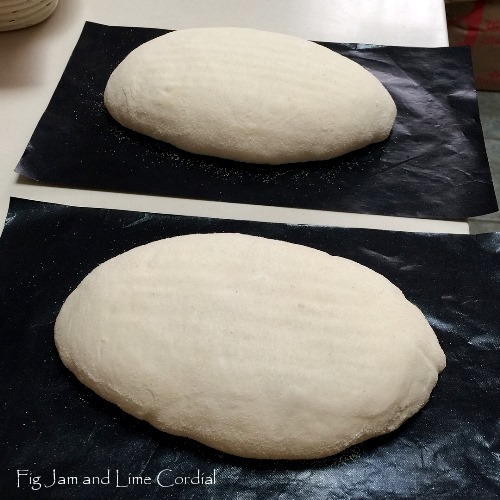
I bought my thin sheets from Magic Cooking Sheet online but the thicker ones I found on ebay for just a few dollars each. I also saw some for sale at our local Bunnings in the barbecue section.
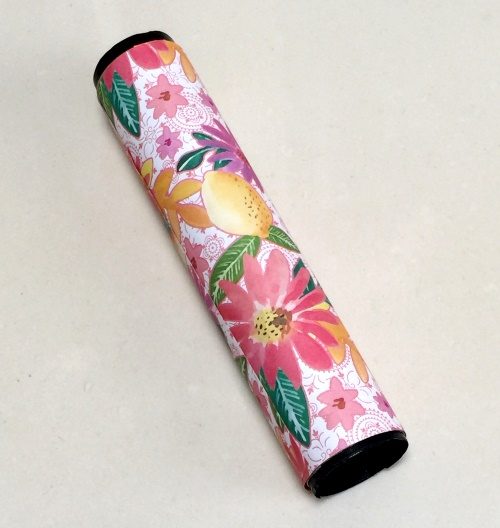
I made a holder for my bread liners using two toilet roll tubes and a scrap of recycled wrapping paper…
. . . . .
You’re probably sick of me rabbiting on about the beeswax wraps (my friends certainly are) but honestly, they’re so good! Do have a go at making your own as they can be hideously expensive – our easy tutorial is here. Best of all, if they’re homemade, you can easily touch them up with a bit more wax if they start to get a bit thin.
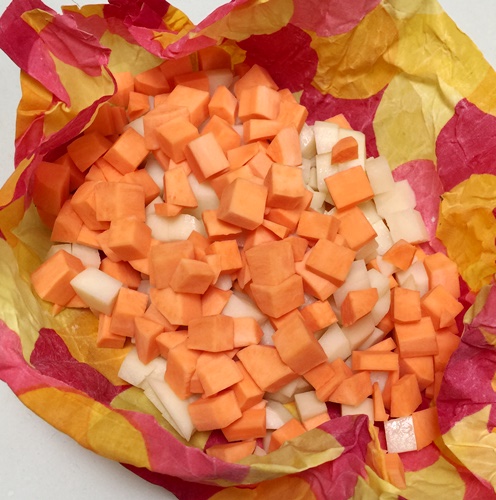
My latest discovery? The wraps help prevent oxidisation. I wrapped diced potato and sweet potato for half an hour while I prepped other ingredients, and they stayed pristine…
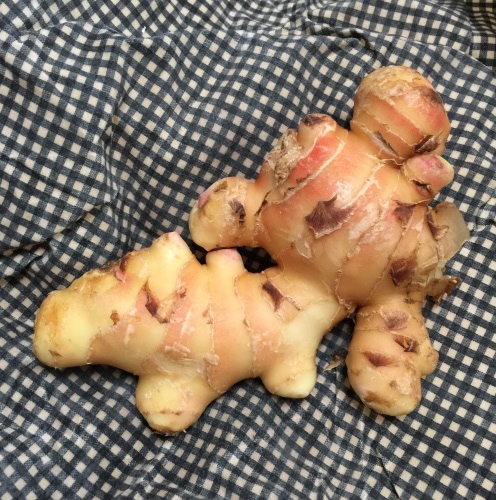
They also stop ginger from going mouldy and slimy – this piece was in the fridge for over a week and a half and it still looked like new…
. . . . .
We’ve reduced the amount of single-use plastic coming into the house, simply by taking our own mesh bags and furoshiki when shopping, and the difference has been noticeable and significant. But we’ve been unable to go completely plastic-free – how do I buy a box of Weetbix without a plastic bag in it? Or a whole chicken? What about medications, most of which come packaged in foil and plastic?
All we can do is try to handle whatever plastic we end up with as responsibly as possible, by reusing what we can and recycling or REDcycling what we can’t. And the continued effort really does make a difference – I peeked into our red bin last night as it went out and was delighted to see that there was still only one small bag in it.

. . . . .
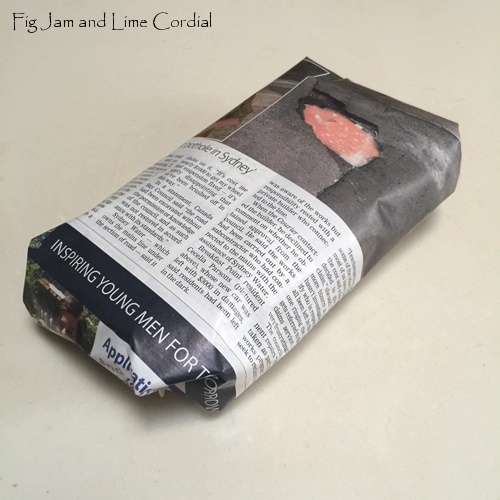
Speaking of which, the biodegradable bin liners haven’t worked as well as we’d hoped – they’re thin and flimsy and don’t cope well with the kitchen waste we still produce. We’re wrapping what we can in newspaper while we try and think of other options (the newspaper isn’t ideal with anything damp or soggy).
. . . . .
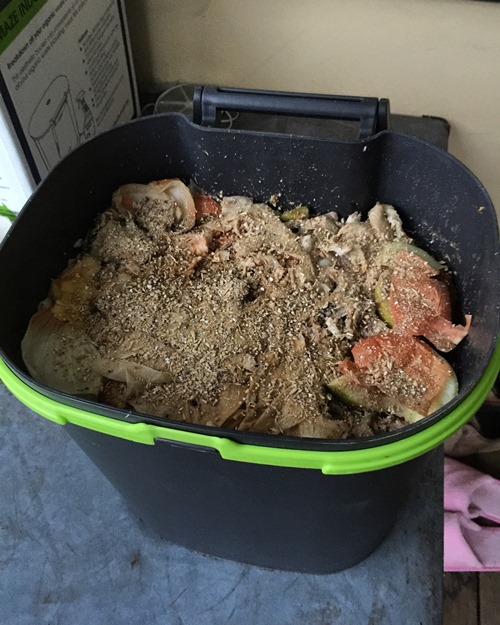
The Bokashi bins have been a partial success – we now have two worm farms running, but neither of them will eat the fermented waste product. That’s partly because Big Boy and Small Man are now saving their green kitchen scraps, so there’s always more than enough vegetable leavings to feed both farms and given a choice, the worms won’t eat anything else. We’re still diligently filling the Bokashi bins though, and then burying the remains once they’ve broken down. It’s working ok, but it’s not perfect yet.
. . . . .
Big Boy and Small Man both cart their KeepCups with them whenever they go out, and their lunches are always packaged in either a beeswax wrap or a reusable lunch box.
Small Man is a true eco-warrior – he pulled me up the other day when I was being lazy and went to throw a teabag into the bin (our teabags are made of paper, so we can remove the tag and string and Bokashi them). And it occurred to me that perhaps the most important benefit of our waste reduction plan was the example it was setting for our sons.
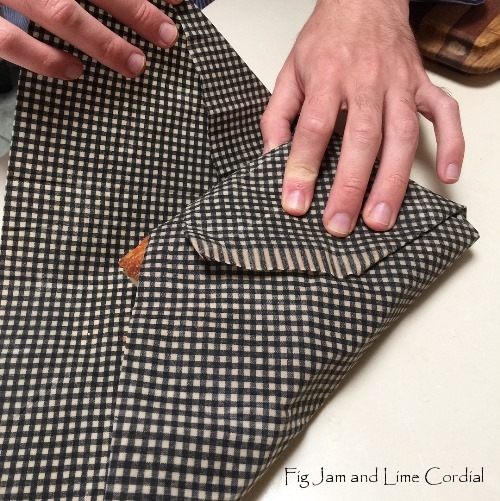
Thanks for joining us on this journey! I’ll keep you all posted on how we go and as always, I’d love any tips or advice you have to share – I’ve learnt so much from you already! ♥
. . . . .
Here are the posts so far on our Waste Reduction Plan:
27 Jan 2018 A Waste Reduction Plan
2 Feb 2018 A Long, Rambling Catch Up
15 April 2018 Our Waste Reduction Plan – Progress Report
20 April 2018 Our Waste Reduction Plan – Fine Tuning
. . . . .
Tips and tutorials for making your own eco-friendly products:
Mesh Bags (pattern at the end of the post)
Crocheted Acrylic Dish Scrubber


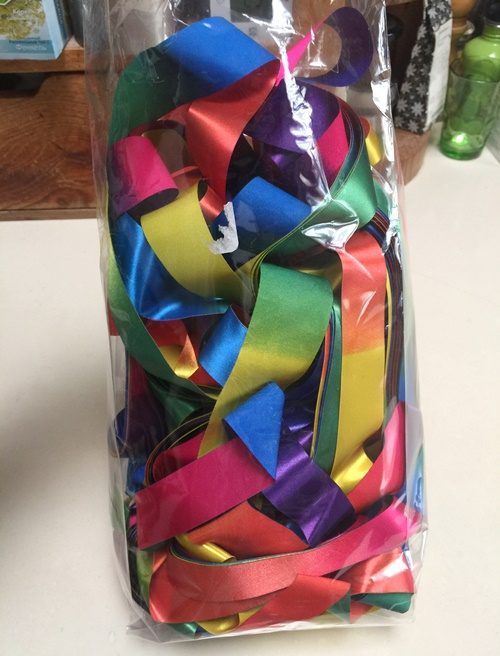








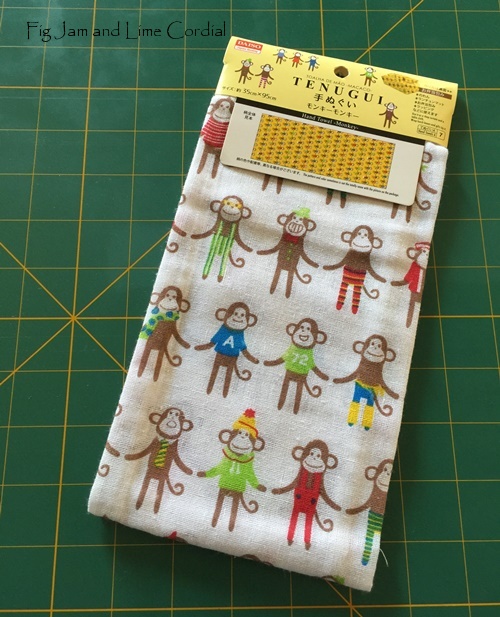
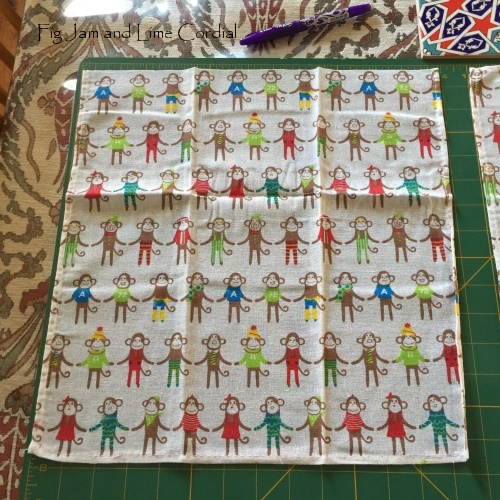
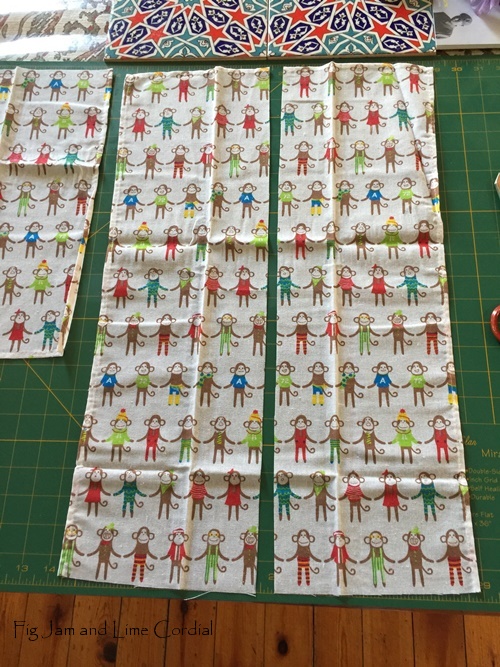
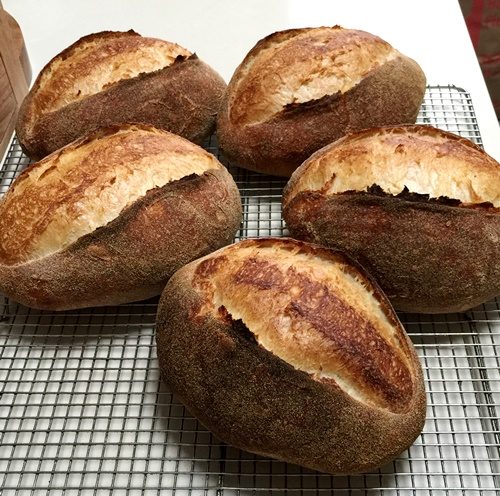
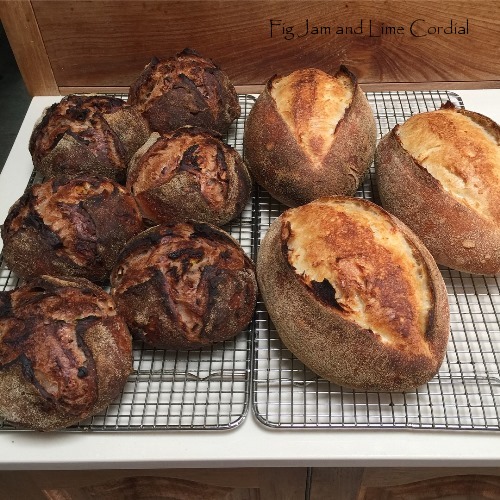
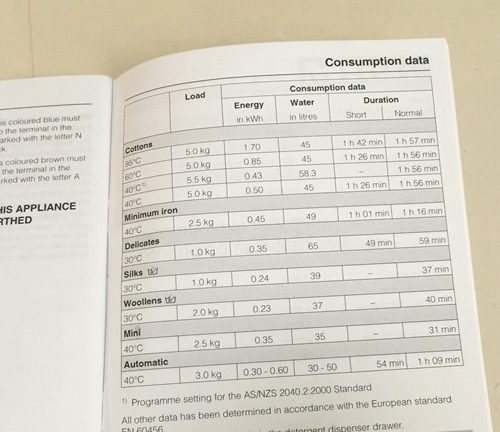
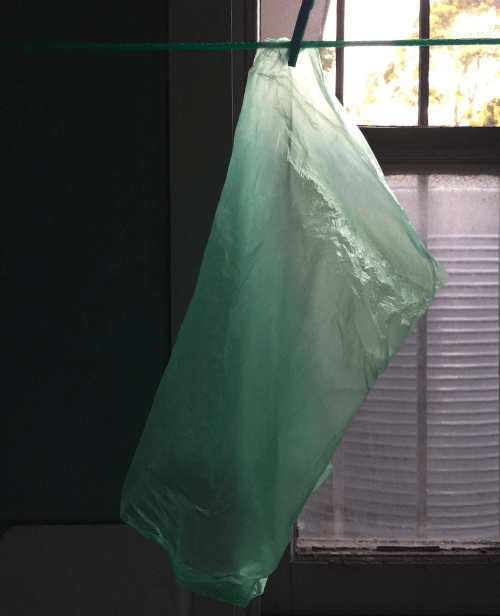
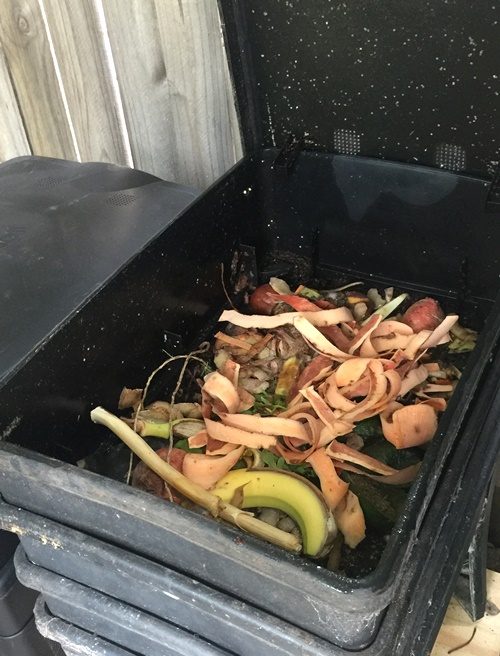
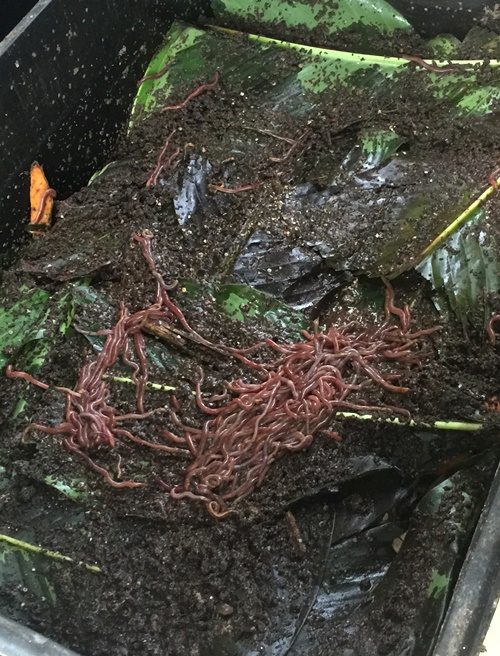
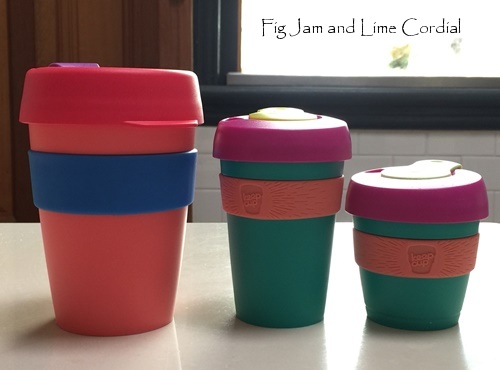
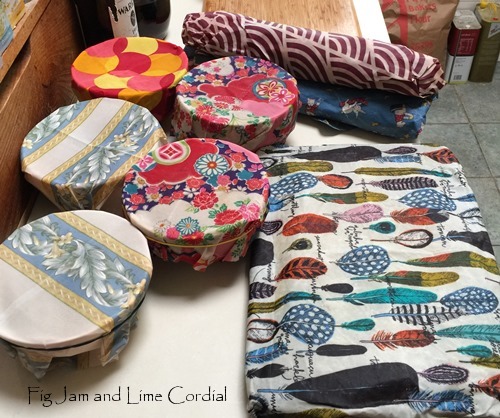


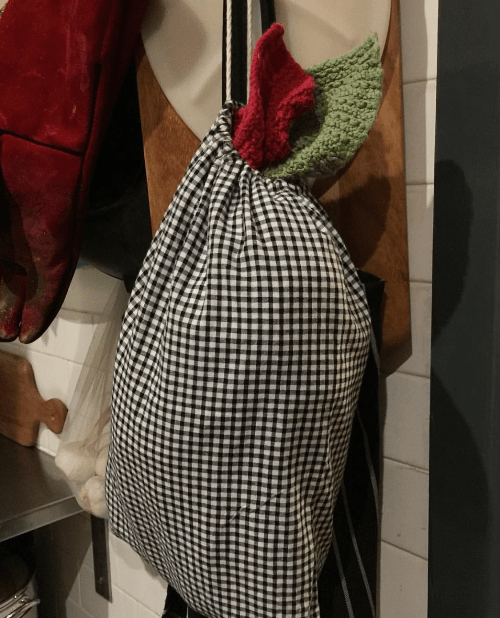
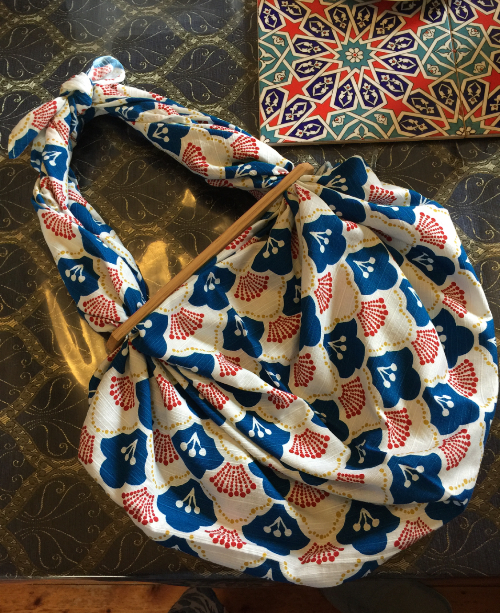
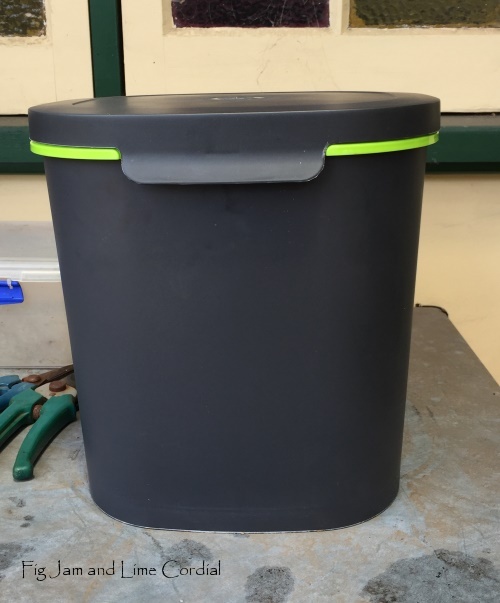

 Fig Jam and Lime Cordial