Feeds:
Posts
Comments

We’ve had so many bloggers baking for International Scone Week! Please keep checking the original post – I’ll be updating the list daily and doing a round up post with all the photos on Sunday!

. . . . .

I have a bit of a crush on Chef April Bloomfield.

I adored A Girl and Her Pig, written in her pedantic, insistent style and filled with glorious recipes for everything from porridge and vegetable soups to fried pigs’ ears and whole lambs’ heads…

When I found this clip on YouTube (it’s one of several in a series), I had to give it a go…

. . . . .

. . . . .

So…how does one do justice to the perfect Caesar salad recipe?

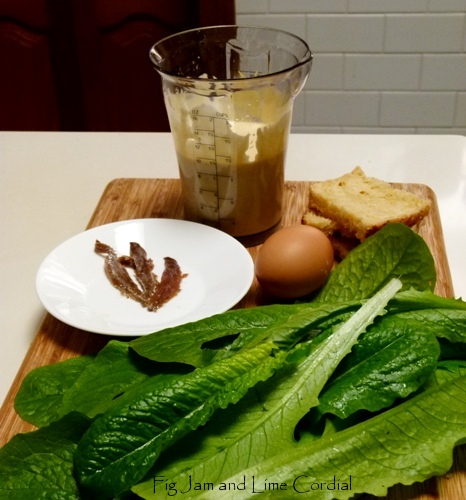
By picking vibrant young cos lettuce straight out of the garden…

…using a still warm, freshly laid egg in the dressing…

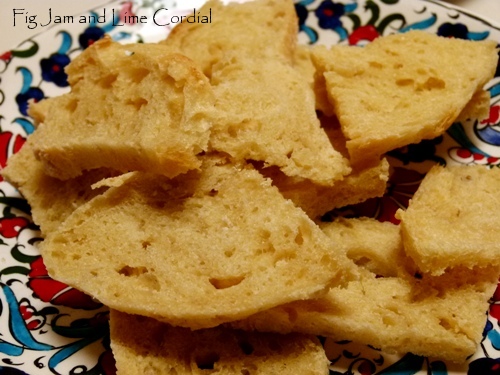
 …topping it with homemade sourdough croutons that have been
slowly dried in the oven for hours…

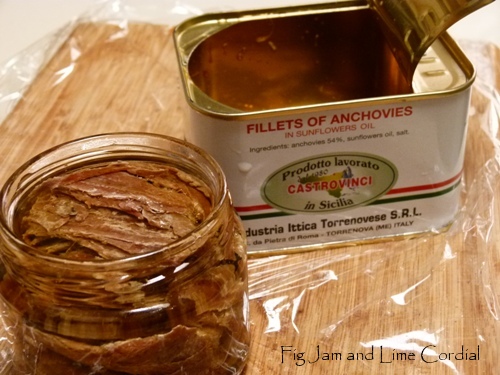
….and adding a few of our favourite Italian anchovy fillets.

The dressing came together in seconds with the immersion blender…

lett2

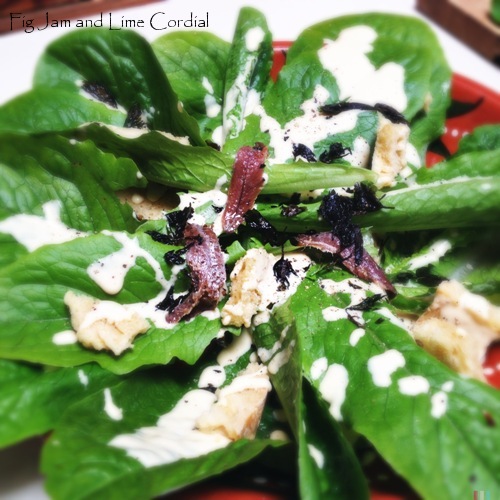
A final sprinkling of fried continental parsley to add crunch…

As instructed, I ate the salad with my hands, rubbing the dressing over each leaf before curling it around a crouton or a tiny bit of anchovy. It was so good that I made it again the following day, as I couldn’t bear to waste the leftover dressing!

. . . . .

Of course, a great lunch needs a great drink, so I made April’s Moscow Mule as well…

. . . . .

. . . . .

I’ve never seen Fentiman’s Ginger Beer for sale in Australia, so I substituted Rochester Green Ginger and soda water…

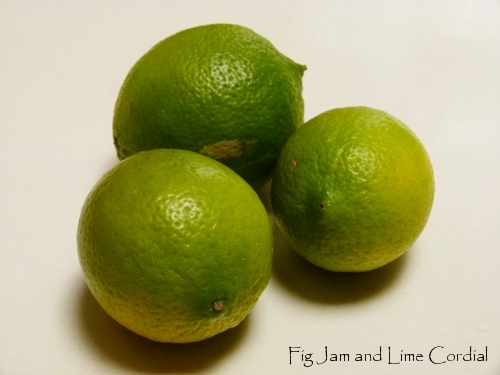
It was the perfect excuse to use one of the first limes off our tree…

Instead of crushing the ginger ice block in the food processor, I popped it into a thick plastic bag and bashed it with a rolling pin. It worked well, and the end result was wickedly good!

It’s International Scone Week, folks!

Never heard of it before? Well, that’s because we made it up! In August 2010, there was a flurry of serendipitous scone baking in the blogosphere, and Heidi, Joanna and I decided that it would be a great thing to do annually. The first International Scone Week was held in 2011, and we’ve been happily baking scones in the second week of August ever since.

Do you feel like baking any scones this week? If so, and you’d like to play along with us, please join in.

sw141

My first batch this year are these yoghurt scones, which came about because I didn’t have any buttermilk in the fridge. They’re a simple reworking of Small Man’s favourite recipe

  • 300g (2 cups) plain (AP) flour
  • 8g (2 generous teaspoons) baking powder
  • pinch of fine sea salt
  • 75g (5 US tablespoons) unsalted butter
  • 50g (¼ cup) caster (superfine) sugar
  • 100ml milk
  • 25g Greek yoghurt (I used homemade)
  • 1 large free range egg

1. Preheat the oven to 190C (375F) with fan. Line a baking tray with parchment paper.

2. In a large mixing bowl, whisk together the flour, baking powder, sugar and salt.  Rub in the butter with your fingertips until the mixture resembles coarse breadcrumbs.

3. In a small jug or large cup, beat the milk, yoghurt and egg together with a fork until well combined. Pour off a little (a tablespoon or so) into a small bowl and reserve for later.  Make a well in the flour mixture and pour in the liquid ingredients.

4. Using a butter knife, mix the wet and dry ingredients ingredients. Be careful not to overwork the mixture.  Scrape the dough onto a well floured surface, sprinkle a little flour on top, and gently pat it out to a thickness of approximately 2½cm (1″).

5. Using a floured cutter, cut out as many scones as you can and lay them side by side on the baking tray (I managed to get seven in total). Be careful not to twist as you cut, or the scones won’t rise well. Gently gather the remaining dough together and repeat.

6. Brush the tops of the scones with the reserved egg/buttermilk, and bake for about 20 minutes until golden.

Small Man, who is a scone fanatic, ate four of these when he came home, and Pete ate the other three. Our son enjoys his plain, but Pete had homemade mulberry jam and Greek yoghurt on his.

If you’d like to bake and blog about scones this week, please let me know. You can leave a comment below or send me photos via Twitter. On Sunday I’ll do a round-up post of everyone’s scones. Happy baking folks!

PS. If you’d like some inspiration, here are the photos from 2012 and 2013.

. . . . .

2014 International Scone Week posts:

Bizzy Lizzy’s Good Things

Mother Hubbard’s Cupboard

A Cook’s Pyjamas

Ardysez

What’s on the List?

SurreyKitchen

The Life of Clare

The Complete Cookbook

Tandy Sinclair

Green Gourmet Giraffe

The InTolerant Chef

Passionfruit Garden

Life in Mud Spattered Boots

Boiled Eggs and Soldiers

Lona’s in the Kitchen

Selma’s Table

Feeding My 3 Sons

Invisible Spice

Sherry’s Pickings

Chica Andaluza

Please Pass the Recipe

Photographs and Recipes

My Yellow Farmhouse

My Kitchen Witch

This week…I learnt that my high hydration sourdoughs need to prove during daylight hours so that I can fuss over them and give them the folds and turns they need to build strength and elasticity.

Otherwise, as I found out a few days ago, the result is dough soup. I’d mixed up a batch before going to bed and left it on the bench overnight. It took several hours of regular folding the following morning before it was manageable.

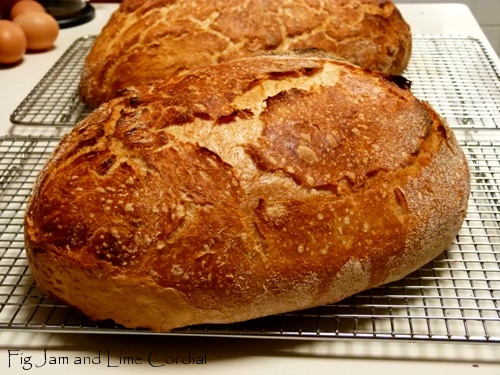
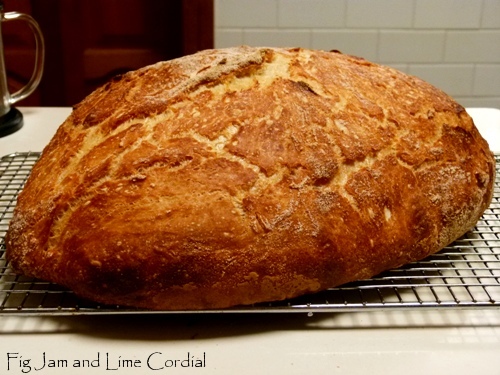
I also learnt that baking in an enclosed pot is a blessing with these super wet doughs! I literally scooped and plopped the un-slashed dough into my heated Falcon Ware roasters and this is how they came out.

Third lesson of the morning – if I don’t pay attention to what I’m doing, I cock things up. Like putting twice as much dough as I normally would into each pot, resulting in humungous loaves that weighed nearly two kilos each…

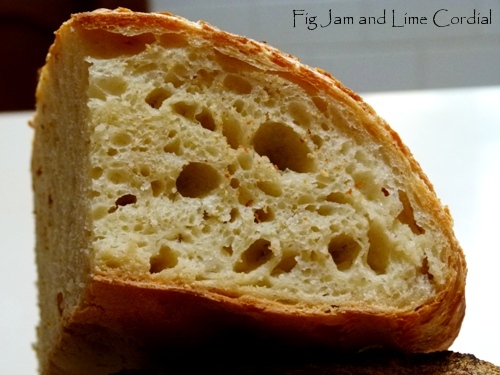
Happily, the results were surprisingly good! If I’d tried to bake them uncovered, I’m pretty sure I’d have ended up with flat heavy loaves…

. . . . .

This week…I visited the Maritime Museum to view Bryant Austin’s amazing Beautiful Whale exhibition. These lifesize whale photos are glorious and imposing, and well worth a visit to Darling Harbour.

. . . . .

This week…has been hectic! So we’ve been eating simple meals.

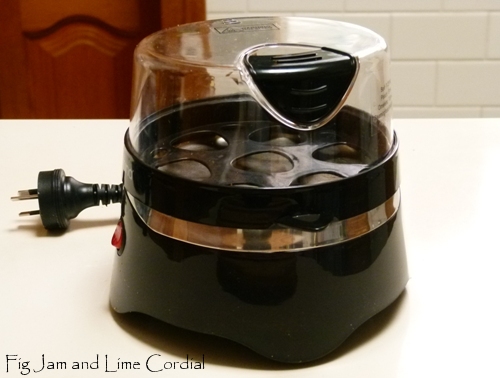
Remember our Aldi egg cooker? It made perfect boiled eggs for dinner the other night. Somewhat counter-intuitively, you need to add more water for one egg than you do for seven. Naturally, this led to an entire dinner conversation on the physics of water evaporation and surface area…sigh…

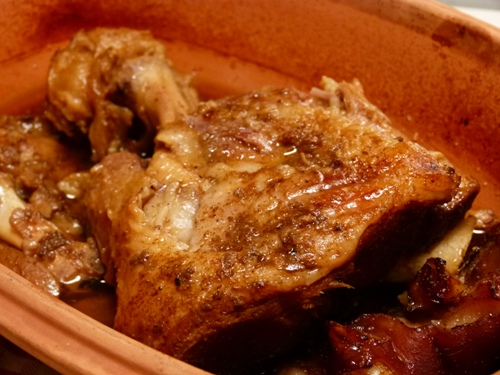
As I knew we were in for a busy week, I’d slow cooked two pork hocks on the weekend (as I mentioned in my last post)…

The huge platter of pulled pork that resulted was enough to feed us for the entire week. Last night we had Cuban bread filled with meat, boiled broccoli raab, cheddar cheese and sriracha sauce (the latter was Pete’s suggestion, and it was a good match in flavour)…we toasted the sandwiches in the cafe press until crispy and hot…

. . . . .

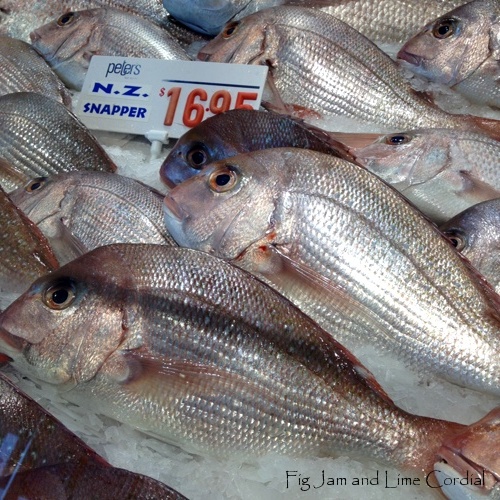
This week…I’ve been riding the Light Rail. We residents of Sydney’s inner west are benefiting from the service being extended this year to Dulwich Hill, which means we can now get into the city on comfortable new trams in just fifteen minutes. Today I paid my $5 return fare and went to the Sydney Fish Market. It was glorious weather, given that we’re still technically in winter…

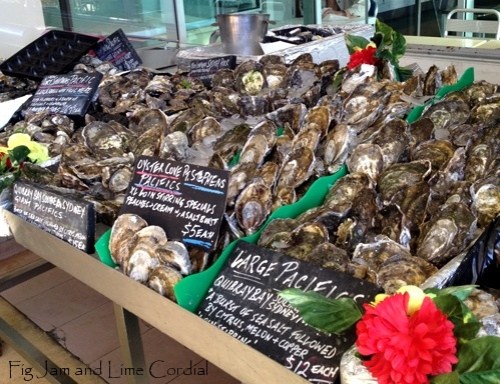
Oysters were plentiful…

…and cooked lobsters were heavily discounted (I know all our North American friends will be astonished, but yes, that’s a very cheap price for local lobster!)…

fm1

. . . . .

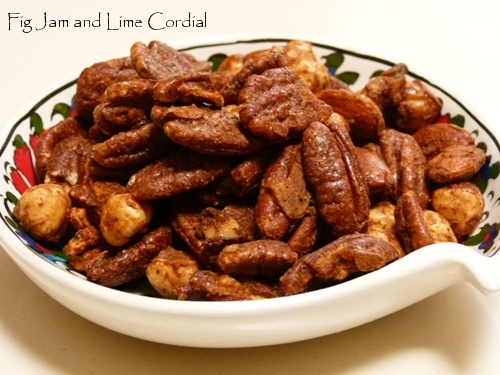
This week…I was inspired by a conversation with Sandra on her IMK post to make a batch of spiced nuts. We ended up with two kilos’ worth to eat and share…

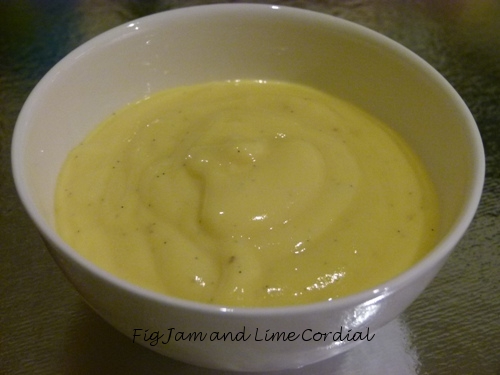
The leftover yolks became microwave custard

. . . . .

This week…has been grand. How was your week?

Birdwatching is a new hobby for us – can’t wait for Spring!

. . . . .

Many years ago, when the boys were little, they loved watching the Wind in the Willows television series. Pete and I did too – the humour was dry and subtly tongue-in-cheek, with priceless lines like…“Badger, if I stop hammering, Toad won’t have a gondola..”

In one scene, Toad’s eyes glaze over as he becomes entranced with a new obsession, and Badger deadpans to Rat and Mole, “I fear, my friends, another enthusiasm..”

That line has become a standing joke in our house – when I  get excited about something (which happens often, as you might have noticed), Pete refers to it as a new enthusiasm.

I don’t mind at all, because I believe that actively seeking enthusiasms – finding things which interest us passionately – is one of the great secrets to lifelong happiness. We encourage it as much as we can in our sons, and all four of us have our own areas of interest. Amongst other things, Pete finds enormous pleasure in the garden and his fish tank (which is currently being overhauled) and Big Boy continues to write prolifically (if you’d like to read one of his very early works, the link is here, and the password is “story”).

I bounce between experimenting in the kitchen to birdwatching to visiting museums to jewellery making to hunting down clay pots. I collect cowboy boots, obsess over Turkish plates and explore new culinary cuisines. We don’t travel much, but we do visit the world via our dining room table…

I spent an entire month perfecting our dumpling recipes. We ate so many of them!

I spent a month perfecting our dumpling recipes. We ate SO many of them!

My latest enthusiasm is American-style BBQ – ironic really, given that we don’t even own a barbecue – but I love the hype and excitement around it, so I’m madly reading books and watching BBQ Pitmasters. I’m mixing up spice rubs and trying to replicate results using my Römertopf – it’s enormous fun even though I know the finished dish can’t possibly be authentic (Pete has drawn the line at buying a $10K barbecue “pit” – we play financial controller on each others’ hobbies).

I pull the pots out of the oven and critique them in my best Myron Mixon Southern drawl – “hmmm…can’t see a smoke ring on this ‘ere piece o’ butt..”

. . . . .

In our family though, the title of King of Enthusiasms belongs to Small Man, whose interests over the years have included passionate studies in card magic, voice acting, chemistry, 1950s films, grey wolves and now linguistics (to name but a few). He’s currently teaching himself foreign national anthems and belting them out at the top of his lungs in the shower (I can’t begin to tell you how much I adore that boy).

Small Man showing off his card flourishes…

. . . . .

As Pete and I enter our fifties, we’ve noticed that amongst our peer group, those who have hobbies and pastimes that they pursue with great passion are undoubtedly the happiest.

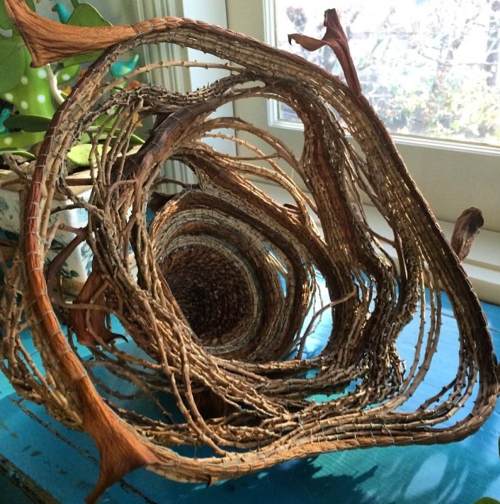
Our lovely neighbour and friend Nic, who began weaving just a few years ago, has become an accomplished artist, with her woven natural fibre pieces now on display in several galleries. You can view more of her works on her Instagram feed

One of Nic's amazing creations...

One of Nic’s amazing creations… © Nicole Robins 2014

Nic’s husband PeteV, a successful lawyer, is currently completing his Masters in Astronomy. He takes the most incredible deep space photos…

M20 - The Triffid Nebula © Peter Velez 2014

M20 – The Triffid Nebula © Peter Velez 2014

Our old friend Kevin runs ultra-marathons, Maude crochets 3D sculptural pieces out of locally spun wool, and darling Dan is a skilled photographer, quilter and costume maker…

Dan’s daughter in the too-cute-for-words Alice costume that Dan sewed from scratch for her… © Dan Collins 2010

. . . . .

I’ve just read the draft of this post to Pete and he offered this: it takes a certain outlook on life, a way of viewing the world with an open mind and excited eyes, to be able to seek out and explore all the wondrousness that life has to offer. Many people automatically dismiss anything they regard as trivial or wasteful or childish or unimportant. Which is a great shame, as it means they might not get to have the wonderfully bizarre dinner conversations with their children that we enjoy with ours!

What are your enthusiasms? I’d love to hear about them!

Before my first attempt at confit duck a few years ago, I read up extensively on the technique.

Given the revered tones it was always afforded by food writers, I’d assumed that it was a complicated, detailed process. I tried to wrap my brain around the amount of salt needed to cure the meat and how that would affect the keeping time, whether it was better to cook at a higher temp for a shorter time, or a lower one for longer, how different spices would affect the dish, and so forth.

What I’ve since come to realise is this: confit is a doddle.

It’s actually a remarkably easy process that simply involves cooking something (usually meat) submerged in a melted fat at a low temperature for a long time.  The very gentle cooking produces tender, delicious results.

In days past, the French would confit duck legs in its own fat, then store them buried deeply under yet more fat, in jars on their pantry shelves. If you’re planning to do that, then the salting part of the process is very important to preserving the meat. Plus you’re on your own, I’ve never been game to try that in our hot Australian climate.

Even if you plan to store the confit for any length of time in the fridge, the salting of the meats is still important to the keeping time. But as I now store all my confit in the freezer or eat it within a few days, I now only salt for flavour. Duck fat is the ideal medium for cooking in, but other fats will work as well, and the filtered fat can be reused several times.

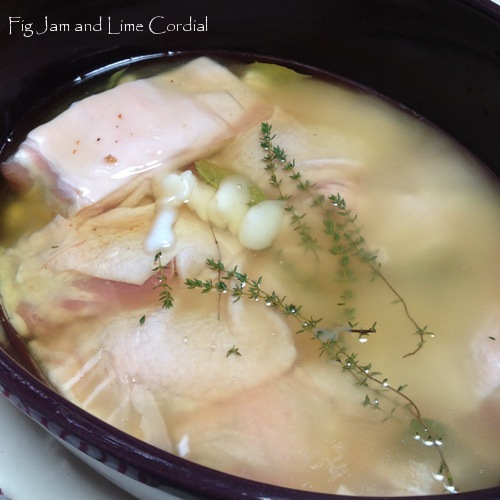
I confit all sorts of meats on a regular basis. The other day I uncovered a packet of mystery chicken fillets in the freezer (a freebie from Haverick Meats as part of their weekly promotion) and a small piece of belly pork. I rubbed them with a little salt and let them rest for about half an hour. The salt was then rinsed off and the patted-dry pieces were submerged under a combination of garlicky Portuguese lard and duck fat (photo above). Garlic cloves, a few sprigs of thyme and a couple of bay leaves were tossed in for good measure.

After three hours at 120C (no fan), the meat was tender and flavoursome…
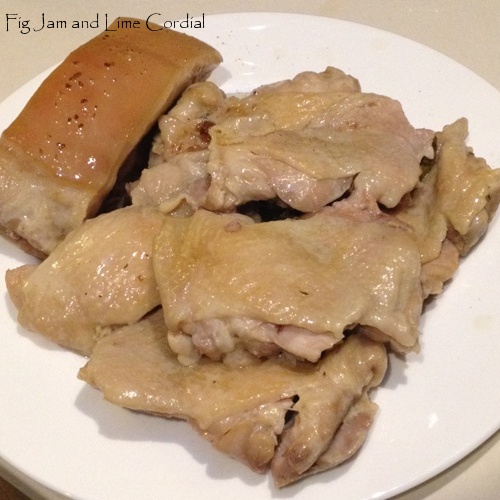
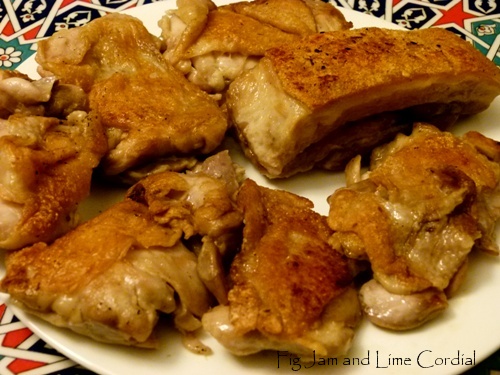
We crisped the skin up in a frying pan and served it with rice and salad for dinner, but it was so rich that we only managed a small piece each. The remainder was frozen in vac-sealed bags for later use…
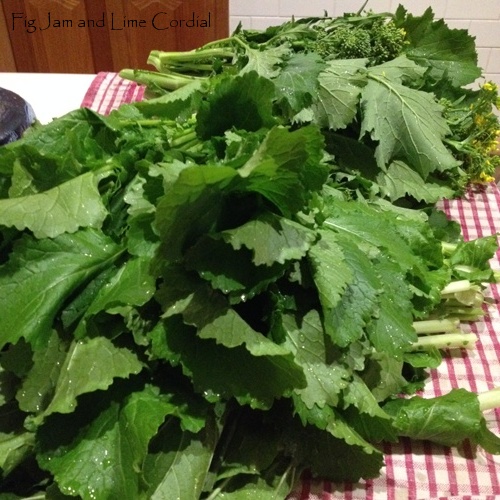
Having confit in the freezer lets us pull together dinner at a moment’s notice. We cook down a large quantity of garden greens and combine it with a little of the meat to form a pasta sauce. It’s so flavoursome that just 150g is enough for dinner for four – we use it sparingly, as we would prosciutto or guanciale…
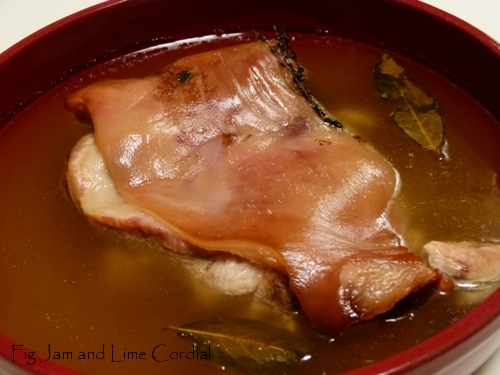
All sorts of meats can be cooked in this way, even cheaper cuts like this pork hock – I deboned it first, keeping the skin…

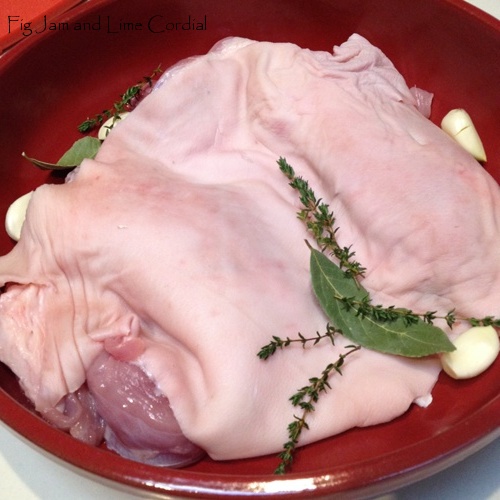
After cooking, I discarded the skin then divided the meat into three bags for the freezer. The fat was filtered for reuse…
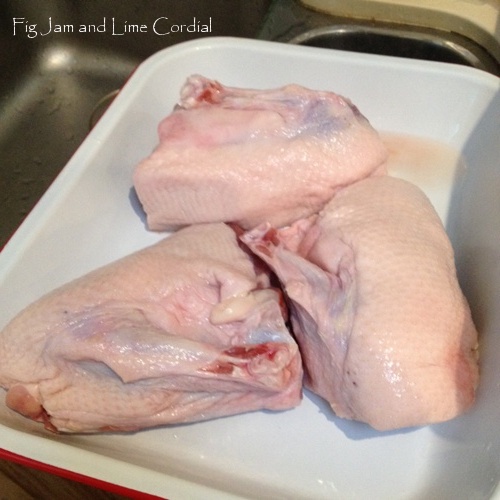
I found these Pepes duck supremes (breast and wing cut) at a butcher in Flemington for just $11.50/kg…
I put them in the oven to cook slowly for ten hours overnight at 90C, following this Maggie Beer recipe. The pieces were rubbed with a seasoned salt and left in the fridge for four hours, then rinsed and patted dry before being submerged in a combination of all the leftover fats from the previous confits…
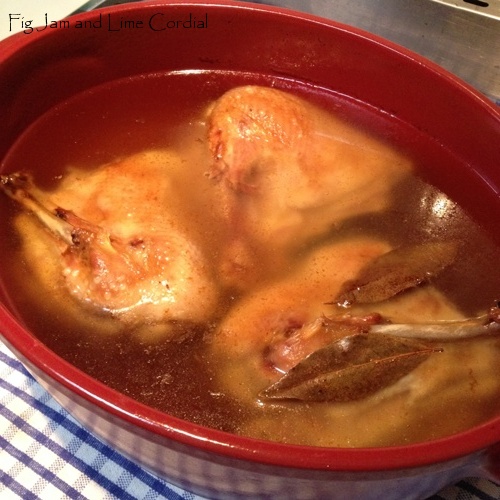
The following morning they were falling off the bone tender…
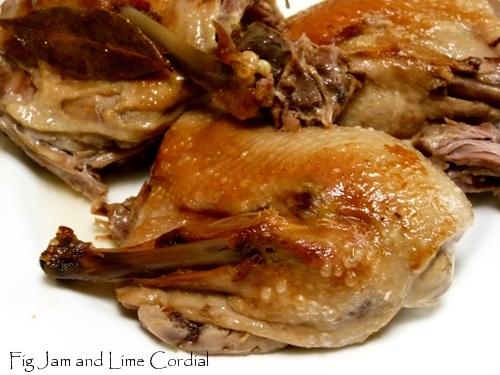
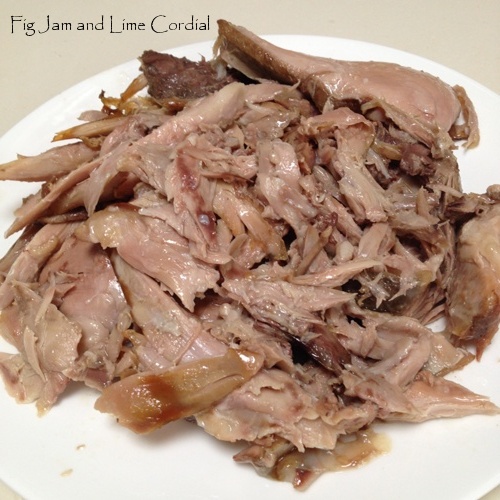
I stripped all the meat from the skin and bones…
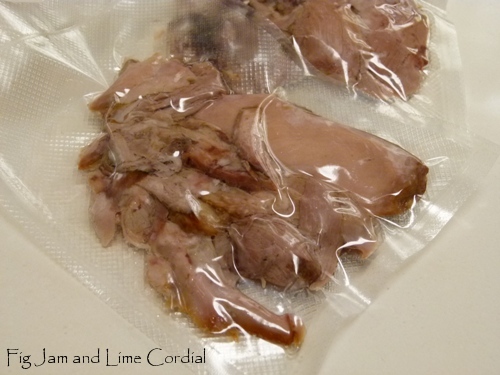
…vacuum sealed two portions and stashed them in the freezer for future meals…
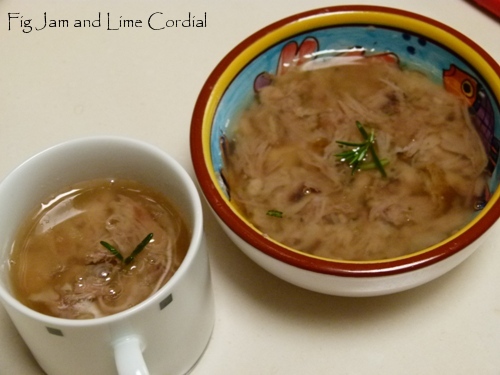
…and combined the remainder with a little finely chopped rosemary fried in a spoonful of the fat. The meat was pressed into small dishes…
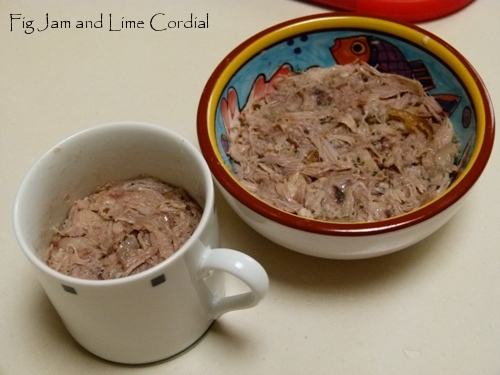
…and covered with a sheen of fat. They’ll live in the fridge for a week or so, waiting to be eaten cold on crackers or toast, or stirred through a pasta…
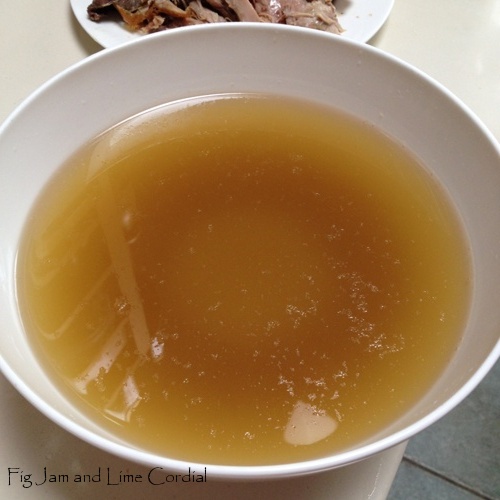
The leftover liquid was strained through muslin and left in the fridge to set. I ended up with a litre and a half of fat and two small containers of strongly flavoured gelatinous stock…
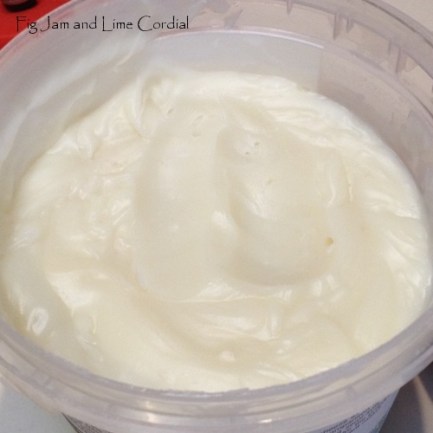
When cold, the fat sets to a snowy white. I stored half of it in the fridge and the rest in the freezer…
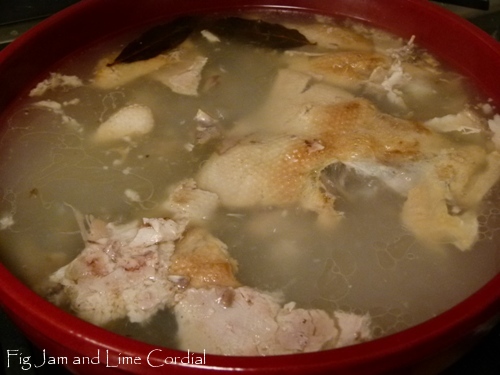
The skin and bones weren’t wasted – they were simmered in water for a couple of hours more…
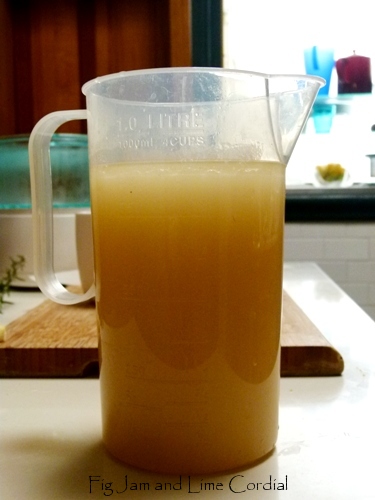
…resulting in nearly a litre of extra duck stock (lightly flavoured), which will be used in a future risotto…
So…don’t be put off by all the recipes that make confit sound like a complicated process – it really doesn’t have to be. It’s a great way to get maximum value from meat and it allows us to fill our freezer with ingredients that can be quickly pulled together for delicious mid-week meals. And as the meat is so rich, a little goes a very long way!

PS. Perhaps the hardest part of confit is getting together enough fat to cover the meat. It’s possible, but expensive, to buy duck fat for this purpose. We’ve collected ours gradually from our duck roasts, but I’ve read that it’s also possible to confit in olive oil – I’ve never tried it though. Would love to know how you go if you do!