Feeds:
Posts
Comments

012

When I asked the Spice Girl, of Spice and More, where I could find decent Goan food in Sydney, she very kindly invited us to her place for lunch.  There we were treated to an array of interesting and delicious food, all in the company of her charming husband Andrew and their incredibly cute children.

The meal began with freshly cooked Bondas – balls of spiced mashed potato and peas, flavoured with turmeric and spices, then coated in a chick pea batter and deep fried.  I could have eaten these all day long.  These were served with a spicy mint, coriander and green mango sauce, which was just sublime.

002

Pork Vindaloo – SG has some very firm opinions about how this dish  should be made.   It should only ever be made with pork,  it shouldn’t be overly hot (spicy) and its unique sourness should come from vinegar, preferably one that’s been imported from Goa specifically for that purpose.

006

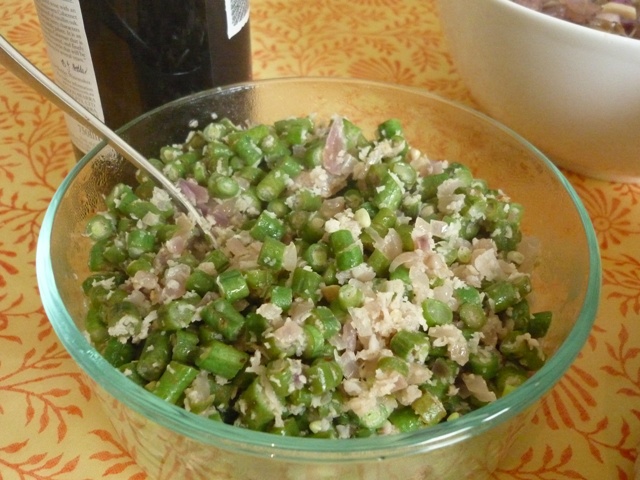
The curries were accompanied by one of my favourite vegetables – snake beans, mixed with freshly grated coconut.
007

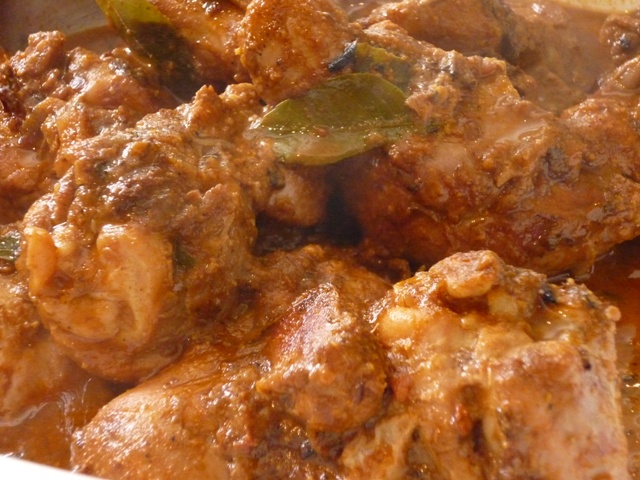
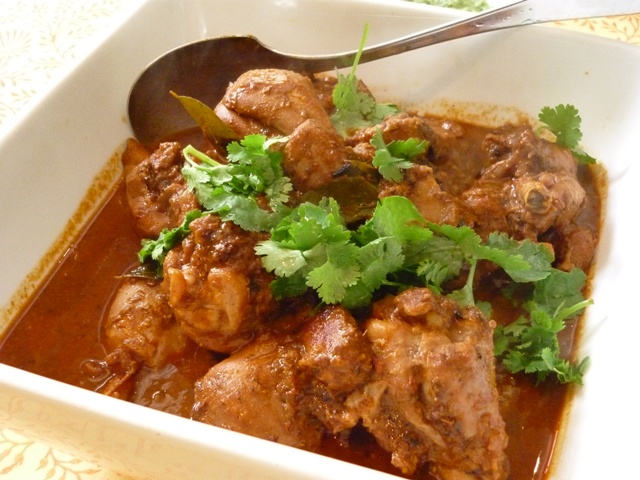
An absolute treat and my favourite dish of the day was the Xacuti Chicken Curry.  There were more than twenty spices in the mix, including coriander seed, cumin, fenugreek, star anise, mustard seed, fennel, cloves, and a couple of unique Goan spices that I’d never seen before.  The sauce was enriched with  onion, garlic, ginger, curry leaves and tomatoes, then finished with a little lemon juice and a handful of chopped coriander.

By the way, Spice Girl doesn’t have a spice rack, she has a spice wall. The jars were literally stacked from floor to ceiling!
014

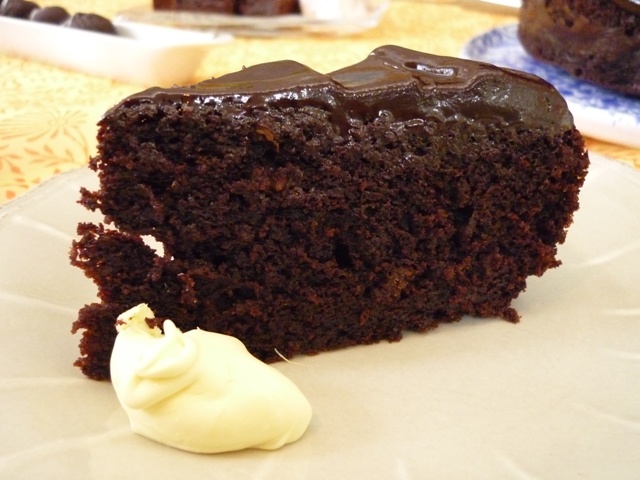
Finally, a wickedly good dessert – Chocolate, Cardoman and Expresso Cake.  With 70% dark chocolate and half the sugar of the original recipe, SG’s version of this cake was delicious and very grown-up.  The recipe is available on her blog.
036

Wikipedia has an interesting article about Goa, India’s smallest state since 1987, and its fascinating blend of Portugese and Indian influences.  Once you understand the history, it’s easy to see why Goan dishes are quite different from “regular” Indian cuisine.

Thanks for feeding us, Spice Girl.  You do realise, of course, that we won’t be eating Goan food anywhere else from now on!
orc 001

I’ve been baking for the school orchestra.

They have rehearsals at this time every year, and it’s become a tradition to send in afternoon tea for them.  I usually make butterscotch bars, but this year I thought I’d try something different.

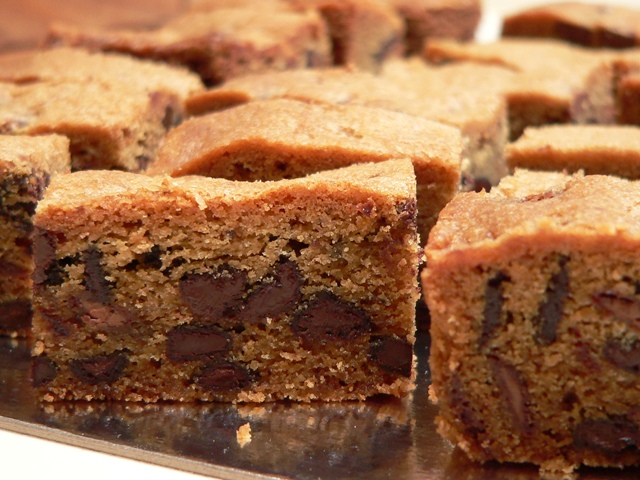
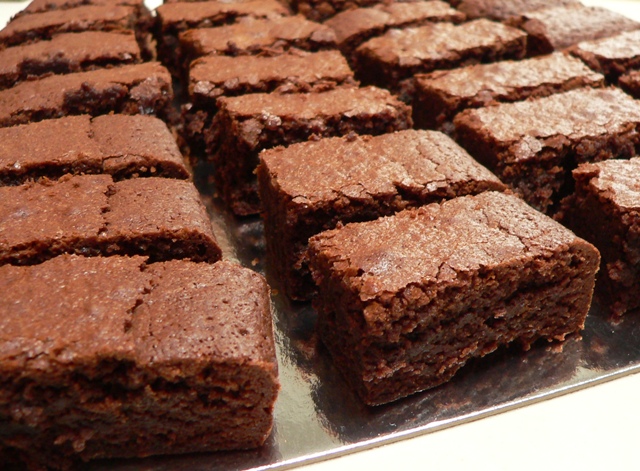
Nick Malgieri’s Supernatural Brownies (pictured above) are very easy to make, and perfect for feeding a crowd.  The two batches I made cut into over ninety 2½cm x 5cm (1″ x 2″) bars.  I tweaked the methodology a little to simplify it even further.

  • 250g unsalted butter, cut into pieces
  • 225g dark chocolate chips – I used Callebaut 70% cocoa callets
  • 4 large (59g) eggs
  • 1 cup (220g) white sugar
  • 1 cup (210g) firmly packed brown sugar
  • 2 teaspoons homemade vanilla extract
  • ½ teaspoon fine salt
  • 1 cup (150g) plain (AP) flour

1. Heat oven to 175C (350F) or 160C (320F) with fan.  Line a 23cm x 33cm (9″ x 13″) baking pan with parchment paper.

2. In a large pyrex bowl, microwave the butter and chocolate in short bursts on high until the chocolate begins to melt, then stir until smooth.  Set aside to cool slightly.

3. In a large mixing bowl, whisk the eggs well, then add the sugar, brown sugar, salt and vanilla, whisking to combine.  Using a spatula, stir in the chocolate and butter mixture, then fold in the flour.  Pour the batter into the prepared pan and smooth over the top (the batter will be runny).

4. Bake until a toothpick inserted into the centre of the brownies comes out clean, about 30 – 35 minutes.  Allow to cool in the pan on a wire rack.  This recipe makes 24 x 5cm/2″ square brownies, although I cut the slab into 48 smaller pieces.

Of course, I had to make butterscotch bars as well.  The brass players would be very disappointed otherwise.  All up, we’re sending in nearly 180 brownies and bars with Big Boy today!

orc 011

torrone2

Every Friday, at Flemington Markets, there is an Italian gentleman selling torrone.

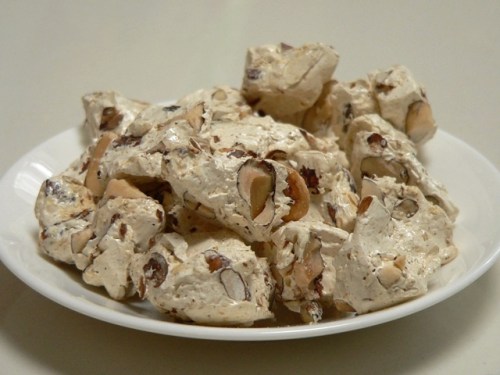
He has a tiny stall, which sells nothing else but bags and bars of this handmade Italian nougat.  He stands behind his stall all morning long, hacking at giant blocks of torrone with a large cleaver, then packing  the pieces into small plastic bags for sale. I can only assume that he makes  the nougat at  home during the week,  ready for a busy Friday trade.  I find the whole set-up so appealing that I always end up buying a couple of bags.  It’s wickedly delicious, chewy and moreish.

His torrone is studded with almonds (any other nuts are simply wrong, he told me last week)  and it sells for a fixed price, regardless of how much you buy – $2 for 50g, $4 for 100g, $12 for 300g.

Look out for it the next time you’re at the markets – it’s a great weekend treat!

013a

I hate wasting food (as I’m sure you know by now), so I was very chuffed with this recipe from Richard Bertinet’s latest book Crust.  He mentioned it in his first book, Dough:

“I love bread and butter pudding – such an English thing! However we do something similar in France, which we used to do in the bakery to use up all the leftovers at the end of the day: croissants, pain au chocolat, you name it, everything would go into a big mixer with sultanas, creme anglaise and some alcohol, until it became a thick paste, which we would bake for about 2 hours, cut up into portions and then dust with sugar.  It tasted fantastic.”

When the recipe appeared in his second book, how could I resist trying it?

Actually, it’s more a process than a recipe.

Firstly, gather together all the bits of bread, cake and pastry floating around your kitchen.  I had chocolate sweet dough rolls, some pain viennois, a few slices of sourdough bread and a sliver of yoghurt cake.  Bertinet says that you need a good mix of pastry and bread to make this work well.  All up you should have about 500g of baked leftovers.  Break all of these up and put them into a large food processor, then blitz them until they’re broken up and grainy.

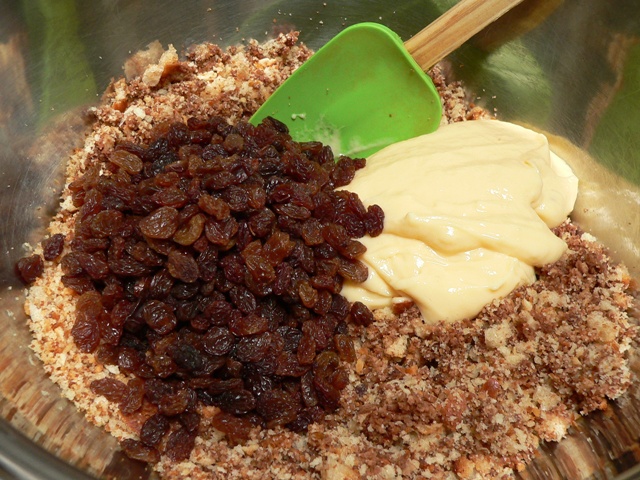
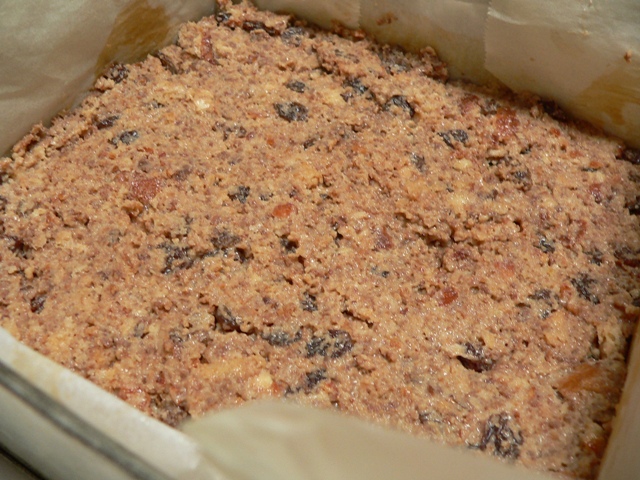
Tip the crumbled mix into a large bowl with 200g sultanas (I suspect any dried fruit would work), 5 tablespoons of rum and 300g pastry cream (if you’re making the pastry cream from scratch, make a half batch).  Stir well to combine.  Mine looked a little dry (I was a tad short on the pastry cream), so I added a splash of pouring cream as well.

003a

Turn the mixture into a lined baking tin – I used an 8″/20cm square  that was probably a bit too large.  A smaller pan will give you a thicker pudding consistent with the photo in Bertinet’s book.

004a

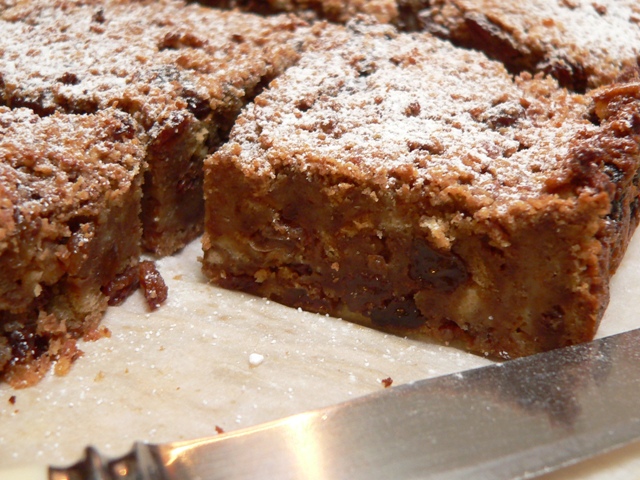
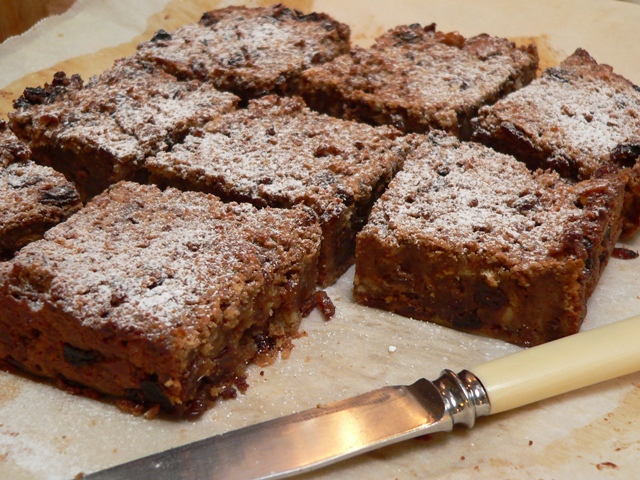
Bake in a preheated 175C fan assisted oven for 35 – 45 minutes, until the top is crisp and well browned.  Allow to cool, then dredge with icing sugar before serving.

Note: given that the original description mentioned “creme anglaise”, you might be able to substitute microwave custard for the pastry cream.

010a

I absolutely adore the French mentality of never wasting anything!  Pete loved Le Pudding and I’m completely charmed by the idea that it will change every single time I make it, depending on the baked flotsam of the day.  This particular incarnation tasted like a cross between boiled fruit cake and bread and butter pudding!

Sigh. I think we might have a crush on the Frenchman. Even Pete commented, as he picked up his third piece of Le Pudding, “Richard has never let us down, has he?”

. . . . .

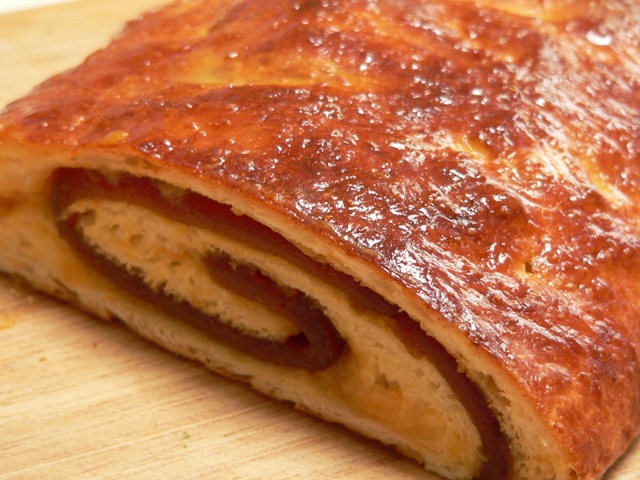
Since my first draft of this post, I’ve made this recipe again, this time in a 7″ square pan.  It was completely different (but equally as delicious), because my leftovers this time included the apricot danish I’d made on the weekend, some leftover pound cake and a rye sourdough loaf.  I love how flexible this recipe is!  I made a half batch of pastry cream as I didn’t have any on hand – but it took only a few minutes in the microwave.

pud 007

P1050519

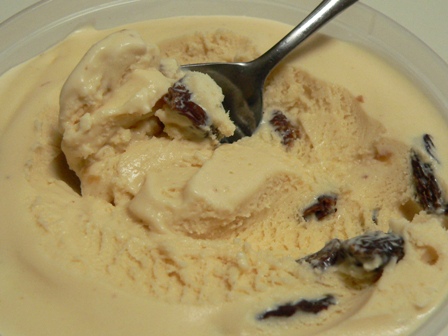
I’ve been experimenting with adding different flavours to our basic ice cream recipe.  My current favourite is a very alcoholic rum and raisin, the perfect ice cream to share with neighbours because  they can walk home. I’m not exaggerating, one batch I made had half a standard drink in every serve!

I bought some wonderful black rum at Chef’s Warehouse in Surry Hills – it’s 54% alcohol by volume, which I think makes it 110 proof. It worked very well with the Australian black raisins I found at the markets a few weeks ago.

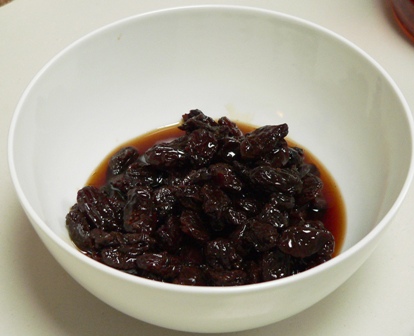
Soak (marinate? macerate?) the raisins in the rum overnight (or longer) until they’re plump and swollen.  I usually fill a small jar with raisins and rum and leave them on the shelf until I need them for a recipe.  Or sometimes I just eat them neat – which is not a good idea too early in the day, as it impacts on my productivity.

icec 028

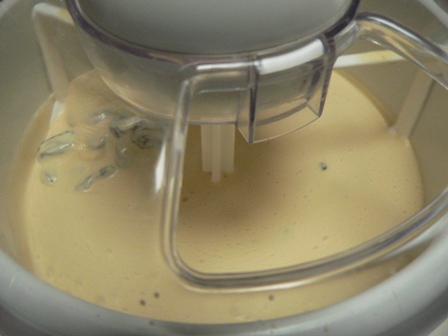
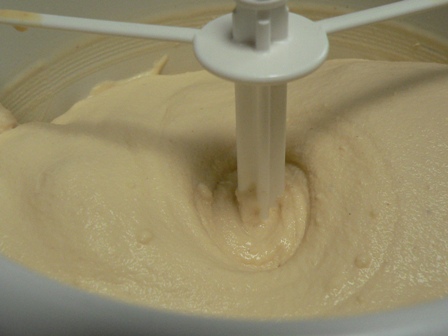
Next, make some microwave custard. Allow this to cool in the fridge. Once cold, whisk in half a cup of cream (see vanilla ice cream recipe here), then add the raisins and their soaking liquid, and pour into the ice cream maker to freeze.

icec 033

icec 038

Scoop the softly set ice cream into plastic containers, label with an appropriate warning, then freeze until firm.  Because of the alcohol, this mixture never freezes rock hard, making it just a little too easy to eat straight from the freezer!